Start by entering a Bible verse here and select Find Verse
Step into the multitudes of languages of the Bible and join the worldwide conversation!
Language: English
English (eng) is a(n) Indo-European language of Australia, Bermuda, Brazil, Belize, Canada, Cocos (Keeling) Islands, Cook Islands, Cuba, Christmas Island, Dominican Republic, Falkland Islands (Malvinas), United Kingdom, Guernsey, Gibraltar, Guadeloupe, South Georgia and the South Sandwich Islands, Guatemala, Guyana, Honduras, Ireland, Isle of Man, British Indian Ocean Territory, Jersey, Cayman Islands, Liberia, Mexico, Norfolk Island, Pitcairn, Saint Helena, Ascension and Tristan da Cunha, Suriname, United States Minor Outlying Islands, United States, Venezuela, Bolivarian Republic of, South Africa, marked as not endangered
(The Catholic Christian Community Bible [first English edition 1997, other translations into Indonesian, Chinese, Cebuano, Chavacano, French, Ilonggo, Korean, Quechuan, Spanish, and Tagalog] “for the Christian Communities of the Third World” uses the following introduction.)
Proverbs and Wisdom
The word of God came to the people of Israel in different ways. We have already dealt with the origin of the prophetic and historical books: they arose from the prophets’ preaching and from the reflection of religious circles on the history of Israel.
However, other believers preferred to meditate on human behavior, the vicissitudes of life, the different fortunes of those who are irresponsible and those who control their desires. In particular, they wanted to understand God’s justice in this world.
The wisdom of people of all times has developed around these themes. We hear about Chinese wisdom, Hindu wisdom… Yet, the wisdom of the Middle East may have come first. There had been an abundance of wisdom writings for almost thirty centuries before Christ both in Egypt and Mesopotamia (as we know, Palestine is between the borders of these two countries).
The Jewish people were profoundly marked by this wisdom which shines through almost all the parables and’“sayings” of Jesus who was formed at that school.
This literature, what the religious community has preserved and accepted, is no less the word of God than the prophetic books. Even if, at times, this wisdom seems a bit pedestrian and utilitarian, it does attest to many convictions of the Jewish and the Christian faiths, namely, as human beings, we are responsible for our actions; experience is a teacher of truth and it is the touchstone of what sages have declared; God created the world and he reveals himself in his creation. Finally, our wisdom has its limits and beyond that, we can only put our trust in the justice and the providence of God.
The greater part of the Book of Proverbs is very old (chapters 10–31). The first section (chapters 1–9), however, is much more recent, around the second century before Christ. There we find a meditation on the Wisdom of God, from which all human wisdom proceeds. The height of this contemplation on divine Wisdom is found in the famous eighth chapter.
Down below are the introductions in the Mandarin Chinese, Tagalog, Cebuano, and Spanish editions.
Ang salita ng Diyos ay dumating sa bayan ng Israel sa iba’t ibang paraan. Nasabi na natin na nagsimula ang mga aklat ng mga propeta at mga aklat ng kasaysayan sa pangangaral ng mga propeta at sa pagninilay sa kasaysayan ng Israel ng mga mulat sa kalagayan ng relihiyon.
Subalit may mga tao ring may kakaibang saloobin. Mas interesado silang pagnilayan ang asal ng tao, ang pakikipagsapalaran sa buhay, ang papel ng kayamanan, at ang magkaibang kapalaran ng iresponsable at ng nakapangyayari sa kanyang mga pagnanasa. Higit sa lahat, pinakamahalaga sa kanila ang malaman kung may katarungan nga sa mundong ito.
Sa ganitong mga paksa nabuo ang pangmadlang karunungan ng lahat ng bayan ng anumang panahon. May nababalitaan tayong karunungang Intsik, karunungang Hindu… Tiyak na nauna ang karunungan ng Gitnang Silangan kung panahon ang pag-uusapan. Tatlumpung siglo bago kay Kristo, laganap na ang mga kasulatan tungkol sa karunungan sa Ehipto at Mesopotomia (at alam nating ang Palestina’y nasa pagitan ng mga hangganan ng dalawang bansang ito). Mahabang panahon pa ang lumipas bago tumubog ang mga Israelita sa ganitong agos ng panitikan na tinatawag na “pangkarunungan”: tinipon ni Haring Solomon ang mga unang “pantas”. Ang mga unang gawa nila (tulad din ng Mga Kabanata 10-30 ng Kasabihan) ay maraming hiniram sa mga naunang gawa ng mga taga-Ehipto at sa iba pa.
Walang gaanong ginawa ang mga manunulat na ito kundi i-edit ang mga “kasabihan” o “salawikain” ng pangmadlang karunungan. Ngunit ang kanilang mga sinulat ay tutulong sa pagsisikap na mapalago ang kaalaman at kamalayan sa kagandahang-loob ng mga salinlahing darating. Sa panahon ni Jesus, nakakintal na sa isipan ng bayang Judio ang karunungang ito na ang ningning ay nakikita sa lahat ng mga talinghaga at kasabihan ni Jesus.
Kung paanong salita ng Diyos ang mga aklat ng mga propeta, gayon din ang literaturang ito na iningatan at kinilala ng sambayanang panrelihiyon. Ibang klase lamang ito ng salita na nagbibigay ng ibang liwanag sa buhay.
Napakatanda na ang mas malaking bahagi ng aklat (kab. 10-31). Mas huli naman ang unang bahagi (kab. 1-9), mga ikalawang dantaon bago kay Kristo. Napapaloob dito ang pagninilay sa Karunungan ng Diyos, na siyang bukal ng lahat ng karunungan ng tao. Nasa tanyag na ika-8 kabanata ang pinakasukdulan ng pagninilay na ito.
Translation: Cebuano
Ang pulong sa Diyos nakutlo sa katawhan sa Israel sa lainlaing paagi. Napadayag kanato sa unsang paagi nagsugod ang mga basahon sa propeta ug kasaysayan. Nagsukad ni sa wali sa mga propeta ug sa pamalandong sa kasaysayan sa Israel sa matoohon.
Apan may mga tawo sab, nga lahig nadawat nga mga gasa, kinsa may dakong kaikag sa pagpamalandong sa mga gawi sa tawo; sa iyang kalamposan ug kapakyasan, sa iyang panglantaw sa bahandi, sa lainlaing padulngan adtong mapasagaron ug mapugnganon sa ilang mga tinguha. Ang unang gihatagag pagtagad mao ang pagtuki kon naa bay hustisya ining kalibotana.
Ang kaalam nga motumaw sa tanang katawhan sa bisag unsang panahon, naglibot ining maong mga tema. Ingon sab ini ang mga Israelita. Sa nahamutang na sila sa pagpuyo sa ilang yuta, may migula sab nga mga magsusulat sa panahon ni Solomon, ug nakahimog unang mga basahon sa mga sanglitanan ug mga panultihon. Dinhi nagsugod ang mga basahon sa Kaalam diha sa Biblia.
Sama sa mga basahon sa mga propeta, kining matanga sa mga sinulat pulong gihapon sa Diyos: lahi nga matang sa pagtan-aw sa kinabuhi. Wala ni maghisgot sa kaugmaon ug sa padulngan sa katawhan sa Diyos, apan naghatag og giya ug kahayag alang sa mas husay ug hataas nga ang-ang sa pagpuyo sa kinabuhi.
Ang mas taas nga bahin sa basahon sa mga Panultihon, karaan na kaayo (mga kapitulo 10-31). Ang unang bahin hinuon (mga kapitulo 1-9) bag-o pa lang nga nasulat, mga duha ka siglo sa wala pa si Cristo. Diha makita ang pamalandong sa Kaalam sa Diyos, diin nagsukad ang tanang kaalam nga tawhanon. Ang kinatumyan ining pamalandong sa diyosnong Kaalam mabasa sa nabantog nga ikawalong kapitulo.
Translation: Spanish
El libro de los Proverbios es, junto con el de Qohelet, el testimonio más característico de la “sabiduría” hebrea. Es uno de los que mejor encarna un espíritu opuesto o complementario al que inspiró los libros de los profetas o de los sacerdotes. Puede causar admiración o indiferencia; pero ha gozado siempre de una popularidad excepcional tanto en el mundo monástico como en el pueblo cristiano más sencillo.
Los Proverbios no son extraños a la literatura profética; en Jeremías especialmente, pero también en Isaías y Amós, muchos pasajes son del mismo tenor: véase Jer 17,1-18. Los Salmos, a su vez, se alimentan tanto de la corriente profética como de la tradición de los sabios. No obstante, uno se siente aquí en otro mundo y la oposición de esas dos corrientes nos ayuda a captar mejor aspectos esenciales de la Biblia.
En primer lugar hay que recordar que la cultura hebrea era esencialmente oral, y así fue hasta la época del Evangelio, aun cuando fueran incontables los documentos escritos. Para nosotros lo oral es algo frágil y deformable; decir que la tradición se transmitió oralmente antes de la redacción de lo escrito, es como poner en duda su veracidad. No pasaba lo mismo en la cultura hebrea en la que las formas de la poesía, de la declamación, o de la memorización permitían fiarse de lo oral.
En tales condiciones, si bien el estudio de los proverbios de la Biblia pone de manifiesto puntos de contacto con tal o cual escrito de sabiduría de los pueblos vecinos, especialmente de Egipto, no llega sin embargo a lo esencial. La base de los proverbios es una sabiduría popular en la que desaparecen los autores. Sirac lo recalca: “El hombre instruido entiende una palabra sabia, la aprecia y le agrega otra” (Si 21, 15).
El pueblo tiene su propia experiencia de Dios y de la vida, que no es la de los sacerdotes ni la de los profetas. Aquí no hay necesidad de ellos, y aun cuando se crea en su inspiración, se ve la vida y la relación con Dios sin depender siempre de la alianza de Dios y sus oráculos. Estamos en un mundo laico en el que se sabe que la piedad no basta, que la estupidez es una gran miseria, que en la vida hay que saber defenderse, que el hombre es reconocido por sus cualidades humanas, y que la nobleza del alma vale más que todos los discursos.
No hay que extrañarse, pues, si los libros de sabiduría de la Biblia coinciden a menudo con la sabiduría de otros pueblos de todos los tiempos y parece que no se elevan mucho, religiosamente hablando. Esto no impide que expresen las certidumbres fundamentales de la fe judía y cristiana: el hombre es responsable de sus actos; la experiencia es la que nos lleva a la verdad y es la piedra de toque de lo que afirman los sabios; Dios ha ordenado el mundo y se revela en la creación; nuestra sabiduría tiene límites y más allá de su dominio sólo podemos confiar en la justicia y en la providencia de Dios.
(The Catholic Christian Community Bible [first English edition 1997, other translations into Indonesian, Chinese, Cebuano, Chavacano, French, Ilonggo, Korean, Quechuan, Spanish, and Tagalog] “for the Christian Communities of the Third World” uses the following introduction.)
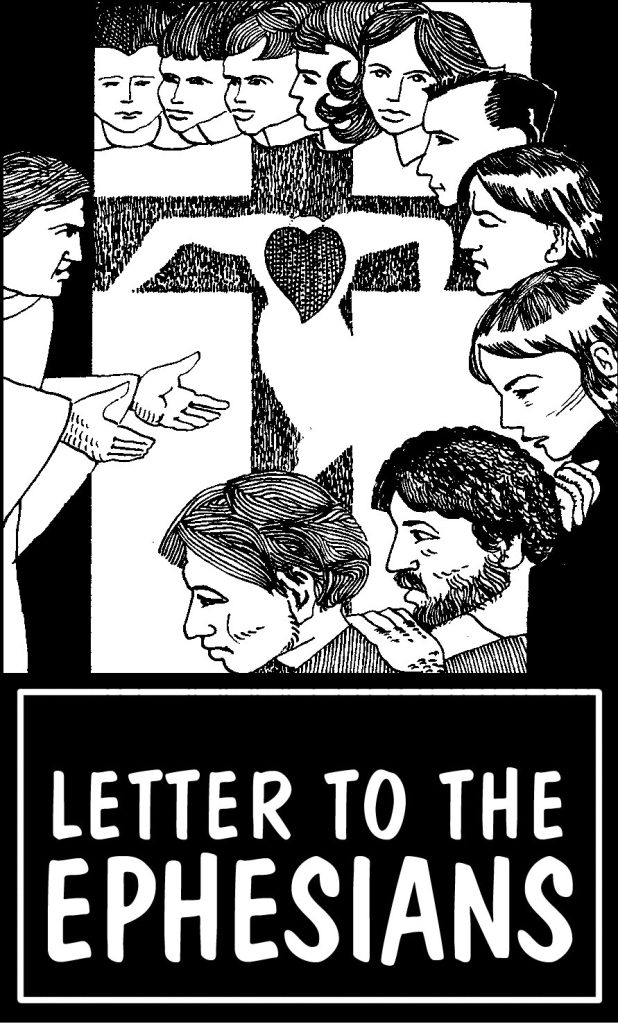
Should we speak of a “letter” from Paul? The letter to the Romans was already for the most part, a theme on faith and salvation. Here it is even more so: no news, no personal message for a particular community, but once more a lengthy dwelling on world salvation. It was, doubtless, destined for the Churches of the Ephesus area.
Why the world, what is happening to humanity? Every day the same question confronts us with more insistence, in the measure that recent years have seen mass movements on the part of very diverse peoples. Even those eager to dominate know they can no longer do so unless they speak for the majority. Where is salvation for humanity? What is its future? Paul answers from his prison in Rome. As we know from (Acts 28:16 and 30), Paul was prisoner in Rome during the sixties. In this capital of the only world known to the West, he had ample leisure to evaluate the doctrines then circulating throughout the Roman Empire. They came from the Middle East where they were of special concern for the Christians in the region of Ephesus. Just as other religions claimed to offer a universal way of salvation, they offered Christ, as the only savior of the one humanity.
This letter to the Ephesians seems to have been written after the one to the Colossians. Paul again takes up and develops God’s plan that he must have understood through a revelation. The world was created for humankind to enable it to emerge as the New Human, one family in Christ. All will find themselves, each one in place, around a person capable of welcoming all, each in his own fullness.
Some people think the letter to the Ephesians is not Paul’s: how could he speak in an impersonal way to a community where he had worked for more than two years, approximately from 55 to 57 AD? As we have said, the letter must have been addressed, not only to the Christians of Ephesus, but more widely to the communities of the valley of Lycus: Hierapolis, Laodicea (Col 4:13 and 16) and Colossus which had been evangelized by Paul’s companions, in particular by Epaphras (Col 1:7).
Others think that the questions raised are more suited to a time later than Paul’s: like the letters of Titus and Timothy, this would be his only in a very broad sense. When one is aware of the very low level of Christian literature, immediately after the death of the apostles, it is difficult to accept that a letter of such theological certitude and of such doctrinal worth could have matured in someone other than Paul, even if he had left the writing of it to one of his disciples, Tychicus (Eph 6:21) or Timothy (Col 1:1).
Down below are the introductions in the Mandarin Chinese, Tagalog, Cebuano, and Spanish editions.
Palatandaan ng kasalukuyan ang pinag-iibayong sama-samang pagpupunyagi ng mga tao na magkaisa, at kasabay nito, ang pagkakahati ng mundo sa malalaking grupong nakikipagpaligsahan sa isa’t isa. At may tunggalian dahil nga sa di-maiiwasang pangangailangan na pumunta sa pagkakaisa, at iba’t iba pa ang kanilang mga kuru-kuro tungkol sa huling adhikain: saan ba galing ang mundo? Saan ba papunta ang sangkatauhan?
Nang mapreso si Pablo sa Roma, kapitolyo ng Kanluran, nagkaroon siya ng pagkakataong pakinggan at suriin ang mga doktrinang nanggagaling sa lahat ng sulok ng daigdig. At sinimulan niyang sagutin ang mga katanungan sa sulat sa mga taga-Colosas.
Ngunit sa sulat sa mga taga-Efeso, na ginawa pagkatapos ng sa mga taga-Colosas, sumulat muli si Pablo, nang mas matindi kaysa dati, tungkol sa plano ng Diyos. Nilikha para sa atin ang mundo upang makalitaw ang Bagong Tao, upang maging isang pamilya kay Kristo. Makakatagpo ng buong sanlibutan ang isa’t isa -- bawat isa’y may kanyang sariling lugar -- sa persona ng Diyos na makayayakap sa kanila sa walang-hanggang pag-ibig.
Muling tinatalakay ng sulat sa mga taga-Efeso ang maraming bahagi ng sulat sa mga taga-Colosas, ngunit waring sinulat ito sa kakaibang mga kalagayan.
Di tulad ng mga sulat sa mga taga-Roma, taga-Colosas… hindi tumutugon ang Efeso sa mga alalahanin ng isang komunidad na nakakakilala sa apostol at nakikilala din niya. Sa halip, isa itong dokumentong ipinadadala sa mga komunidad upang pagnilayan ng mga mananampalataya ang kanilang sariling pagka-Kristiyano. Kinakailangang maunawaan ng mga taong ito – ang karamihan sa kanila’y di personal na nakilala si Jesus o ang mga apostol niya – ang tampok na lugar ng Iglesya Katolika sa plano ng Diyos.
Ang sulat bang ito ay ginawa ni Pablo o ng isa sa kanyang mga alagad? Ipinapalagay ng marami na tumutugon ang Efeso sa mga alalahaning angkop sa mga unang taon pagkamatay ng mga apostol tulad ng mga sulat kay Timoteo at kay Tito. Kaya maaaring sinulat ito pagkamatay ni Pablo. Ngunit kapag nakita natin ang mababang panliteraturang uri ng pagsulat ng mga Kristiyano ng unang siglo at ng kanilang mabuway na teolohiya, hindi kapani-paniwalang ang ganito kagandang paglagom ng pananampalatayang Kristiyano ay magagawa nang wala si Pablo. Sa maraming bahagi nito, kinukumpleto at pinupunuan ng Efeso ang masasayang pananaw na ibinigay sa Roma.
Translation: Cebuano
Sa atong panahon karon, naay hiniusang paninguha sa katawhan alang sa kahiusa. Bisag nag-anam na nig kaylap, sa samang higayon, nagkakusog ang pwersa sa panagbahin sa kalibotan, diin naay palabwanay sa usag usa ka nasod. Anaay mga panagbangi, kay bisag nakita nila ang panginahanglan alang sa kahiusa, lainlain ang pagsabot unsay kataposang tumong. Diin gikan ang kalibotan? Asa ni paingon?
Dihang napriso si Pablo sa Roma, ang ulohang syudad sa kasadpang kalibotan, nakahigayon siya pagpaminaw ug pagtimbangtimbang sa mga pagtulun-an nga naggikan sa lainlaing dapit sa kalibotan. Ang mga pangutana gisugdan niya pagtubag sa sulat alang sa taga Colosas.
Apan ining sulat alang sa taga Efeso, nga ulahing nasulat kay sa Colosas, kusganong gisubli pagsulat ni Pablo ang laraw sa Diyos. Ang kalibotan gibuhat alang nato aron mogula ang Bag-ong Tawo sa usa ra ka banay ni Cristo. Ang tanang kaliwat sa katawhan magkahiusa – ug sa tagsa tagsa ka dapit – hiusahon ang tanan sa walay kinutobang gugma sa Diyos.
Gisubli dinhi ang gihisgotan sa sulat alang sa taga Roma ug Corinto. Ang Efeso wala magtubag sa konkretong mga problema sa mga katilingban nga nakaila sa apostol ug nailhan sab niya. Dokumento hinuon ni nga gipadala sa lainlaing simbahan aron makapamalandong ang mga magtotoo sa ilang pagkakristyanos. Daghan nila ang wala makaila ni Jesus ug sa apostoles sa personal gyod, ug angay nilang masabtan pag-ayo unsa ang batakang misyon sa katolikong Simbahan diha sa laraw sa Diyos.
Si Pablo ba ang nagsulat ini o usa niya ka kaabag? Daghan ang naghunahuna nga ang gitubag sa maong sulat mao ang mga pangutana nga migula sa unang mga tuig human sa pagkamatay sa apostoles (sama sa mga sulat ni Timoteo ug ni Tito). Busa, nasulat ni human na sa pagkamatay ni Pablo. Hinuon, nakita nga ang mga sinulat sa unang kristyanos, bakikawng pagkasulat ug dili kaayo siguro sa ilang teyolohiya ug panglantaw. Apan ang talagsaong kahanas nga gipakita ining sulata ug ang katakos ini sa paghimog klarong sukaranan sa Kristohanong pagtoo, dili mahimo kon wala si Pablo. Ang daghang bahin sa Efeso mitibuok ug mibalansi sa mga panglantaw nga dili kompletong napadayag sa sulat alang sa taga Roma.
Translation: Spanish
¿Se podría hablar de una «carta» de Pablo? No hay noticias, ni un mensaje personal para una comunidad determinada, sino una larga exposición sobre la salvación del mundo, como en la carta a los Romanos. Según toda probabilidad esta carta no iba dirigida a los cristianos de Éfeso, sino a las comunidades vecinas situadas en el valle del Licus: Hierápolis, Laodicea, y que Pablo no había evangelizado personalmente. Según algunos testimonios esta carta estaría destinada a los Laodicenses (Col 4,16).
La provincia romana de Asia (la de Éfeso) en ese tiempo se desarrollaba entre un hormigueo de religiones nuevas que pretendían abrir a todos un camino de salvación; era por tanto necesario dar a los cristianos una visión más amplia de la esperanza de la que eran portadores. ¿Hacia dónde iba la humanidad? ¿es Cristo el único salvador?
Son las mismas preguntas que se presentan de manera cada vez más insistente, a medida que se ve en estos últimos años como una coagulación de los más diversos pueblos. Los que desean dominar sólo pueden hacerlo presentándose como portavoces del conjunto. ¿Hay algún camino o esperanza para el hombre?
Pablo responde desde la prisión. Como recuerdan Los Hechos (cap. 24-26), Pablo estuvo prisionero en Cesarea los años 58-60 y durante este tiempo las noticias que recibía de las comunidades de la región de Éfeso hicieron madurar en él una nueva presentación de la obra divina.
Retoma y desarrolla el plan de Dios que, desde tiempo atrás, había comprendido en una revelación. Cristo, el Primogénito de Dios, está en el centro, y el mundo fue creado para que en él emerja el Hombre Nuevo, una sola familia en Cristo. Todo cristiano está llamado a vivir desde ya ese llamado a una vida santa y responsable.
Esta carta a los Efesios es gemela de la carta enviada por Pablo a los Colosenses juntamente; un mismo mensajero las llevó a las dos comunidades junto con la misiva destinada a Filemón (Col 4,2; Filem 2).
Algunos piensan que la carta a los Efesios no es de Pablo: ver al respecto la Introducción a las Cartas de la Cautividad. Es difícil pensar que una carta de semejante seguridad teológica y riqueza doctrinal haya podido madurar en algún otro que no fuera Pablo, aunque otros, sea Tíquico (Ef 6,21) o Timoteo (Col 1,1) hayan tomado parte en su redacción.
The now commonly-used English idiom “fall by the wayside” (meaning failing or falling behind at something) was first coined in 1560 in the Geneva Bible. (Source: Crystal 2010, p. 276)
For other idioms in English that were coined by Bible translation, see here.
(The Catholic Christian Community Bible [first English edition 1997, other translations into Indonesian, Chinese, Cebuano, Chavacano, French, Ilonggo, Korean, Quechuan, Spanish, and Tagalog] “for the Christian Communities of the Third World” uses the following introduction.)
Hosea has come down through history as the prophet deceived by his wife whom he never stopped loving, in spite of her infidelities. God, who called him to speak on his behalf to an idolatrous and materialistic people, wanted his prophet to experience the grief and the shame of a betrayed husband. The prophets reveal a God who feels a love so real and so personal for us that it can be expressed in human words. Hosea was about to carry the same cross as God’s: constantly loving and forgiving a fickle and unfaithful wife. Hosea will also shout God’s indignation at Israel because of their sins.
Hosea began to preach around the year 746, that is to say, at the end of the prosperous reign of Jeroboam II, in the northern kingdom of Israel. Right after that would begin the twenty years of decadence which would conclude with the capture of Samaria and the deportation of its inhabitants (721).
Hosea rises to accuse and threaten the people who are unconcerned. He continues to preach while the kingdom is collapsing and predicts the punishment of the people who are irresponsible and unfaithful to the covenant with their God. He understands that God is an educator and does not allow the misfortunes and even the destruction of the nation without his reasons. Through such means, Israel will again become what they once were when the Lord took them by the hand and brought them out of Egypt: they will become a poor and humble people, able to follow their God with faith and love.
The book of Hosea begins with the story of the failure of his married life. From that he draws a lesson for Israel, unfaithful to the Lord (chapters 1-3).
Then in chapters 4–13 we have a mixture of reproaches, threats, invitations to conversion and predictions of the exile. The final passage 14:2-10 offers hope for the future, when the Lord will have taken away all the riches in which Israel had trusted.
Down below are the introductions in the Mandarin Chinese, Tagalog, Cebuano, and Spanish editions.
Nakilala si Oseas sa kasaysayan bilang propetang niloko ng kanyang asawa na patuloy pa rin niyang minahal sa kabila ng mga kataksilan nito. Tinawag siya ng Diyos para magsalita sa ngalan niya sa isang bayang materyalista at maraming dinidiyos na iba. At nais ng Diyos na maranasan din ng kanyang propeta ang sakit at kahihiyan ng isang asawang kinaliwa. Isang Diyos na nakadarama ng pagmamahal sa tao ang ipinakikilala sa atin ng mga propeta; tunay at personal na pagmamahal kayat naipahahayag sa wika ng tao. Pagkatawag ng Diyos sa propeta, tinanggap niya ang pribilehiyong madama at makita ang mga bagay gaya ng Diyos: kayat papasanin din ni Oseas ang parehong krus ng Diyos -- ang laging mahalin at patawarin ang asawang salawahan at taksil. At sa kabilang dako naman, isisigaw rin ni Oseas ang galit ng Diyos sa Israel sa harap ng mga kasalanan nito.
Mga taong 746 nang magsimulang mangaral si Oseas, ibig sabihi’y sa dakong huli ng masaganang paghahari ni Yeroboam II sa hilagang kaharian ng Israel. Pagkatapos na pag-katapos nito’y agad na magsisimula ang dalawampung taon ng pagbagsak at kabulukan na magwawakas sa pagkabihag sa Samaria at pagdedeport sa mga tagaroon (taong 721).
Narito si Oseas para akusahan at babalaan ang bayang nabubuhay nang walang paki-alam. Patuloy siya sa pangangaral samantalang pabagsak naman ang kaharian: ipinahahayag niya ang parusa ng bayang iresponsable at taksil sa pakikipagtipan ng kanilang Diyos. Pero nauunawaan niya na tagapagturo ang Diyos at hindi nito pahihintulutan nang walang dahilan ang mga kapahamakan at kahit na ang pagkawasak ng bansa. Sa ganitong paraan, ang Israel ay magbabalik sa dati nitong kalagayan nang akayin siya ni Yawe at ilabas mula sa Ehipto: siya ay magiging dukha at abang bayan, kayang sundan ang kanyang Diyos nang may pananampalataya at pagmamahal.
Nagsisimula ang libro ni Oseas sa istorya ng kabiguan ng kanyang buhay may-asawa. Naglalahad siya mula rito ng aral sa Israel na taksil kay Yawe (kab. 1-3).
At sa mga kabanata 4-13 naman, sama-sama ang mga panunumbat, babala, paanyaya sa pagbabalik-loob at pagbabalita ng pagkatapon. Isang pag-asa sa kinabukasan ang binubuksan ng huling talata, 14:2-10, sa oras na alisin na ni Yawe sa Israel ang lahat ng kayamanang pinanghawakan nito.
Translation: Cebuano
Si Oseas naila sa kasaysayan nga propetang gibudhian sa asawa apan, wala niya hunongi sa paghigugma bisan pa sa mga kakulangan sa kamatinud-anon. Ang Ginoo nga nagtawag niya sa pagsulti sa Iyang ngalan sa mga matootoohon ug materyalista nga mga tawo, buot nga ang iyang propeta makasinati sa pag-antos ug kaulawan sa gibudhian nga bana. Ang mga propeta nagpadayag sa Ginoo nga mibatig gugma nga tiunay ug suod alang sa katawhan, nga mahimong mapadayag sa tawhanong pinulongan. Human tawga sa Ginoo, ang propeta nakadawat sa pribilihiyo nga mobati ug makakita sa mga butang sama sa Ginoo: Si Oseas magpas-an sa krus sama sa Ginoo: makanunayon sa iyang paghigugma ug pagpasaylo sa mabalhinon ug mabudhion nga asawa. Ug si Oseas sab mopalanog sa kasuko sa Ginoo ngadto sa Israel tungod sa ilang mga sala.
Si Oseas nagsugod sa pagwali sa mga tuig 746, sa ato pa, sa kataposan sa mauswagon nga paghari ni Jeroboam II, sa amihanang gingharian sa Israel. Human adto, nagsugod ang 20 ka tuig sa kadunot sa gingharian nga misangko sa pagkabihag sa Samaria ug sa pagpalagpot sa mga lumolupyo (721).
Si Oseas mibarog aron pagsudya ug paghulga sa mga tawo nga walay pagpakabana. Nagpadayon siya sa pagwali samtang ang gingharian nag-anam og kahugno; iyang gitagna ang pagsilot sa mga tawo nga iresponsabli ug dili matinud-anon sa kasabotan tali sa Ginoo. Apan, nakasabot siya nga ang Ginoo magtutudlo ug dili motugot sa kaalaot, bisan sa pagkabungkag sa nasod nga walay mga rason. Pinaagi ini, ang Israel mahisama na pod sa iyang pagkasiya adtong panahon nga gisapwang sila sa kamot sa Ginoo ug gidala gawas sa Ehipto; mahimo silang kabos ug mapaubsanon nga mga tawo, nga nagsunod sa ilang Ginoo uban ang pagtoo ug gugma.
Ang libro ni Oseas nagsugod sa sugilanon sa iyang pakyas nga kaminyoon. Gikan ini, nakakuha siyag pagtulun-an alang sa Israel nga wala magmatinud-anon sa Ginoo (kapitulo 1-3).
Dayon, sa kapitulo 4-13, anaay pagsagol sa panudya, panghulga, pagdapit sa pagbag-o, ug panagna bahin sa pagkabihag. Ang kataposan nga parapo (14:2-10) nagtanyag og paglaom alang sa umaabot, sa dihang gidala na sa Ginoo ang tanang bahandi nga gitagoan sa Israel.
Translation: Spanish
Oseas encabeza a los «Profetas Menores». Menores lo son si se mide por el largo de sus libros. Pero también es cierto que muchos de ellos no han tenido en la tradición el mismo peso que los tres «Grandes». Oseas ha tenido en contra suya que era de Israel, el Reino del Norte, y que todas sus profecías se referían a dicha nación; esto no facilitó su reconocimiento por los judíos de Jerusalén que reunieron los escritos proféticos. Merece, sin embargo, una mención muy especial por ser el primero que conoció a Yavé como el amante de Israel.
Dios lo llamó para advertir en su nombre a un pueblo idólatra y materializado, y le pidió hablar, no sólo el lenguaje de Dios Sabaot, Señor de Israel, sino también el del esposo traicionado. Esa era una gran novedad. Grandes profetas que vinieron después de Oseas: Jeremías, el Segundo-Isaías, Ezequiel iban a retomar esta primera proclamación de Dios-amante. Una nueva visión de la alianza, unión y comunión de Dios con la humanidad, saldría de ahí, pasando a ser uno de los rasgos más decisivos de la fe judía, y luego, cristiana.
Para un tal mensaje, no era suficiente que el profeta supiera expresar con figuras humanas la forma divina de mirar a los hombres. La profecía auténtica no es cosa de palabras y de literatura, y era necesario que el profeta hubiese experimentado en carne propia lo que Dios siente y vive, en cierto sentido, tan realmente como nosotros. El primer profeta de Dios-amante fue un profeta engañado por su esposa, a la que, a pesar de sus infidelidades, no dejó de amar.
Oseas empezó a predicar como en el año 746, es decir, al final del próspero reino de Jeroboam II, en Israel del Norte. Inmediatamente después iban a empezar los veinte años de decadencia que tendrían por conclusión la toma de Samaria y el destierro de sus habitantes (año 721).
— El libro de Oseas comienza con el relato de su problema conyugal. De allí saca una lección para Israel, infiel a Yavé (cc. 1-3).
— Después, en los capítulos 4-13, se mezclan reproches, amenazas, invitaciones a la conversión y anuncio del destierro. Oseas, sin embargo, comprende que Dios es un educador y que no permite sin razón las desgracias y aun la destrucción de la nación. Israel va a volver a ser lo que era cuando Yavé lo tomó de la mano al sacarlo de Egipto: será un pueblo pobre y humilde, capaz de seguir a su Dios con fe y amor: 14,2-10.
(The Catholic Christian Community Bible [first English edition 1997, other translations into Indonesian, Chinese, Cebuano, Chavacano, French, Ilonggo, Korean, Quechuan, Spanish, and Tagalog] “for the Christian Communities of the Third World” uses the following introduction.)
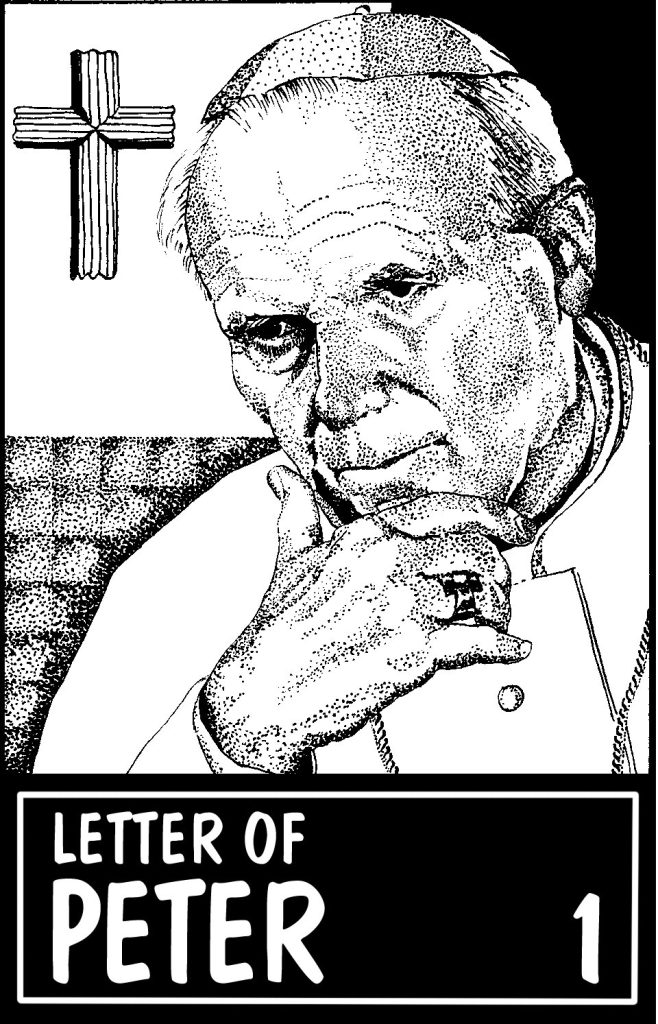
We know almost nothing about the life of the apostle Peter from the Council of Jerusalem, in the year 49 (see Acts 15), until the time he wrote this letter, around the year 64. It is certain that he went to Rome. Being in charge of the entire Church, he, like Paul, had to go to the center of the Roman world, though their motives were different.
A very ancient tradition affirms that he was killed in the persecution of Nero, in 66, and that he was buried on the grounds of the Vatican Hill. Investigations carried out these past years have enabled us to discover a grave and bones with various inscriptions which are, almost certainly, those of the apostle, the first Rock of the church.
Thus it was a short time before his death that he wrote this letter from Rome. Peter had neither the genius nor the literary talent of Paul. Instead, with simple words, he addressed the Christians of the Asian province, where the first persecutions were beginning. Different from Paul, he is not concerned with clarifying or defending the faith. He tries to encourage believers who are suffering by presenting the example of Christ to them and by explaining the consequences of baptism.
In this letter, everything from 1:3 to 3:7 is inspired by the baptismal ceremony in the early Church: hymns, homily on the ritual and on Christian life. For Peter, it is an excellent way to remind his readers that they are Christians.
The end of the letter tells us that Peter wrote through Silvanus, who had been a disciple of Paul. This may be why, in various passages, we find the same topics found in Paul’s letters.
Down below are the introductions in the Mandarin Chinese, Tagalog, Cebuano, and Spanish editions.
Halos wala tayong nalaman tungkol sa buhay ng apostol na si Pedro mula sa Kunsilyo ng Jerusalem, sa taong 49 (tingnan ang Gawa 15), hanggang nang sulatin niya ang liham na ito, nang dakong taong 64. Ngunit tiyak na nagtungo siya sa Roma. Nangasiwa siya sa buong Iglesya, kaya kailangan niyang puntahan na tulad ni Pablo ang pusod ng daigdig na Romano, bagamat magkaiba ang kanilang layunin.
Tinitiyak ng isang sinaunang tradisyon na napatay siya sa pag-uusig ni Nero, noong 66, at inilibing siya sa burol ng Batikano. Ang mga pagsisiyasat nitong ilang taong nagdaan ay nakatulong upang matuklasan naman ang isang libingan at mga butong pinapatunayan ng mga inskripsyon na mga buto ng apostol, ang unang Bato ng Iglesya.
Samakatwid, malapit na ang kanyang kamatayan nang isinulat niya ang liham na ito mula sa Roma. Hindi angkin ni Pedro ang karunungan o talinong pampanitikan ni Pablo. Sa halip, sa pamamagitan ng mga payak na pangungusap siya nagsasalita sa mga Kristiyano ng lalawigan ng Asia, na pinagsisimulan ng mga unang pag-uusig. Kaiba kay Pablo, hindi siya nababahala sa paglilinaw o pagtatanggol sa pananampalataya. Sinisikap niyang hikayatin ang mga naghihirap na mananampalataya sa pagpapaalaala sa kanila ng halimbawa, na si Kristo, at sa pagpapaliwanag sa mga bunga ng pagbibinyag.
Sa liham na ito, mula sa 1:3 hanggang 3:7, ipinaaalaala ng lahat ang pagdiriwang sa binyag sa sinaunang Iglesya: himno, homiliya sa ritwal at sa buhay-Kristiyano. Kay Pedro, iyon ang pinakamabuting paraan upang mapaalalahanan ang kanyang mga mambabasa tungkol sa kanilang kalagayang Kristiyano.
Nagsasabi ang pagwawakas ng liham na sumulat si Pedro sa tulong ni Silvano na naging alagad ni Pablo. Ito ang dahilan kung bakit makikita sa ilang talata ang gayunding paksa sa mga liham ni Pablo.
Translation: Cebuano
Halos wala tay nahibaw-an sa kinabuhi ni Pedro, ang Apostol, sukad sa konsilyo sa Jerusalem, sa tuig 49 (tan-awa ang Mga Buhat 15) hangtod sa pagsulat ini, sa mga tuig 64. Piho nga miadto siya sa Roma. Isip pangulo sa tibuok simbahan, sama ni Pablo, kinahanglang moadto siya sa ulohan sa Romanong kalibotan bisag lahi ang katuyoan.
Gimatud-an sa karaan na kaayong tradisyon nga gipatay siya sa panglutos ni Nero sa tuig 66. Ug gilubong sa kabuntoran sa Vaticano.
Ang mga pagsusi nga gihimo sa nangaging katuigan makapakitag timailhan, sama sa lubnganan ug mga bukog nga may nagkalainlaing timaan. Napiho ni nga iya ni Apostol Pedro, ang unang Bato sa simbahan.
Gipadala ni gikan sa Roma sa hapit na siya patyon. Wala ni Pedro ang kahait sa salabotan ni ang gasa sa mga pulong ni Pablo. Hinunoa, pinaagi sa yanong pinulongan gisulatan niya ang mga Kristyano sa Asia diin nagsugod ang panglutos. Lahi ni Pablo wala niya tagda ang pagtin-aw o pagpanalipod sa pagtoo. Naningkamot siya pagdasig sa mga magtotoo nga nag-antos pinaagi sa pagpakita nila sa mga sanglitanan ni Cristo ug pagpatin-aw sa mga sangpotanan sa bunyag.
Ining sulata, ang tanan gikan sa 1:3 hangtod sa 3:7 dinasig sa seremonyas sa bunyag sa unang Simbahan: ang mga awit, wali sa rito ug sa kinabuhing Kristohanon. Alang ni Pedro, ang labi ning maayo nga paagi pagpahinumdom sa mga magbabasa sa Kristohanon nilang kahimtang.
Ang kataposan sa sulat nagsulti nga si Pedro nagsulat ni Silvano, nga natinun-an ni Pablo. Makita ni sa sinugdan sa mensahe. Susama sab ang gihisgotan sa mga sulat ni Pablo.
Translation: Spanish
No sabemos casi nada de la vida del apóstol Pedro después de su liberación milagrosa, relatada en He 12. Era el año 44. En los meses siguientes, la muerte de Herodes Agripa no impidió a los sumos sacerdotes que siguieran intentando su muerte. ¿Cuándo partió para el mundo griego? ¿Qué contactos tuvo con las co-munidades fundadas por Pablo? Se sabe que en Corinto una facción se declaraba partidaria de él y que aparentemente lo conocía (1Cor 1,12).
¿Cómo pudo participar en el concilio de Jerusalén el año 49 (He 15)? ¿Cuándo llegó a Roma? Esta carta es un testimonio de su presencia en esa ciudad.
La carta de Pedro tiene numerosos puntos de contacto tanto con la carta de Santiago como con las de Pablo. Al final nos informa que el redactor fue Silvano, o Silas, uno de los responsables de la Iglesia de Jerusalén que luego acompañó a Pablo en sus misiones. Con eso nos confirma la unidad de la fe desde los comienzos de la Iglesia; Pedro, Santiago y Pablo eran los testigos incontestables de Cristo que, lejos de enseñar versiones diferentes del Evangelio, inspiraban una predicación común del misterio cristiano a partir de datos intocables que ya se llamaban “la Tradición” o “la Doctrina”.
Los profetas de la Iglesia, acostumbrados a dar una interpretación cristiana del Antiguo Testamento, iban creando poco a poco un lenguaje cristiano y, como eran itinerantes, ese lenguaje debía necesariamente estar de acuerdo con el testimonio de los apóstoles.
La originalidad de esta carta se nota en los tres puntos siguientes:
– de 1,3 a 3,7 todo está inspirado en la ceremonia del bautismo: los himnos, la homilía sobre el sentido del bautismo y el género de vida que llevarán en el mundo los nuevos bautizados:
– la carta hace el elogio de un nuevo pueblo de bautizados, piedras vivas del templo auténtico y sacerdotes de Dios para un culto espiritual;
– repetidas veces Pedro invita a meditar la pasión de Cristo: su sacrificio está siempre presente en el corazón del pueblo de Dios y la persecución forma parte de su vocación.
Una tradición muy antigua asegura que Pedro fue ejecutado durante la persecución de Nerón y que fue enterrado en unos terrenos de la colina del Vaticano. Excavaciones recientes han permitido descubrir una tumba conteniendo osamentas y marcada con diferentes inscripciones, que es casi con certeza la del apóstol, primera piedra de la Iglesia.
The Hebrew and the Greek that is usually directly translated as “kiss” in English is translated more indirectly in other languages because kissing is deemed as inappropriate, is not a custom at all, or is not customary in the particular context (see the English translation of J.B. Phillips [publ. 1960] in Romans 16:16: “Give each other a hearty handshake”). Here are some examples:
Pökoot: “greet warmly” (“kissing in public, certainly between men, is absolutely unacceptable in Pökoot.”) (Source: Gerrit van Steenbergen)
Pitjantjatjara: “when you meet/join up with others of Jesus’ relatives hug and kiss them [footnote], for you are each a relative of the other through Jesus.” Footnote: “This was their custom in that place to hug and kiss one another in happiness. Maybe when we see another relative of Jesus we shake hands and rejoice.” (esp. Rom. 16:16) (source for this and two above: Carl Gross)
Kamba: “greet with the greeting of love” (source: Andy Warren-Rothlin)
Mende: “embrace” (“greet one another with the kiss of love”: “greet one another and embrace one another to show that you love one another”) (source for this and two above: Rob Koops)
Gen: “embrace affectionately” (source: John Ellington)
Kachin: “holy and pure customary greetings” (source: Gam Seng Shae)
Kahua: “smell” (source: David Clark) (also in Ekari and Kekchí, source: Reiling / Swellengrebel)
Chichewa: “suck” (“habit and term a novelty amongst the young and more or less westernized people, the traditional term for greeting a friend after a long absence being, ‘clap in the hands and laugh happily'”)
Medumba: “suck the cheek” (“a novelty, the traditional term being ‘to embrace.'”)
Elhomwe: “show respect by hugging” (source: project-specific translation notes in Paratext)
Balinese: “caress” (source for this and three above: Reiling / Swellengrebel; Vidunda: project-specific translation notes in Paratext)
Tsafiki: earlier version: “greet in a friendly way,” later revision: “kiss on the face” (Bruce Moore [in: Notes on Translation 1/1992, p. 1ff.] explains: “Formerly, kissing had presented a problem. Because of the Tsáchilas’ [speakers of Tsafiki] limited exposure to Hispanic culture they understood the kiss only in the eros context. Accordingly, the original translation had rendered ‘kiss’ in a greeting sense as ‘greet in a friendly way’. The actual word ‘kiss’ was not used. Today ‘kiss’ is still an awkward term, but the team’s judgment was that it could be used as long as long as it was qualified. So ‘kiss’ (in greeting) is now ‘kiss on the face’ (that is, not on the lips).)
In the German New Testament translation by Berger / Nord (publ. 1999) it is translated as heiliger Kuss or “holy kiss” in the epistles. The translators note (p. 62): “It is possible that this is an early practice in which Christians communicate the Holy Spirit to one another or rekindle it.”
In the EnglishGood News Bible (2nd edition of 1992), this occurrence of the Greek hoi Ioudaioi, traditionally “the Jews” in English, is translated with “Judeans” or “people from Judea.” For an explanation of the differentiated translation in English as well as translation choices in a number of languages, see the Jews.
The Hebrew qorbān (קָרְבָּ) originally means “that which is brought near.” Most English Bibles translate it as “offering.” The Hebraic English translation of Everett Fox uses near-offering and likewise the German translation by Buber-Rosenzweig has (the neologism) Darnahung.