In many, if not most of the languages in the Philippines, proper nouns, such as personal names, are tagged with a marker that signals their grammatical role within a sentence. For Tagalog and the Visayan languages , this typically includes si to mark the proper noun as the actor or subject (nominative case), ni to mark the proper noun as an owner (genitive case), and kay to mark the proper noun as as an indirect object, i.e. the one to or toward whom an action is directed (dative case). All of these also have plural forms — sina, nina and kina respectively — and unlike in the biblical languages or in English, the plural form has to be used when only a single proper name is mentioned but implicitly that proper name includes more than just one.
In this verse, where English translates “Joshua (defeated),” the Tagalog translation translates “nina Josue” because the context of the text makes clear that Joshua and his army defeated “the whole land.” (Source: Kermit Titrud and Steve Quakenbush)
(The Catholic Christian Community Bible [first English edition 1997, other translations into Indonesian, Chinese, Cebuano, Chavacano, French, Ilonggo, Korean, Quechuan, Spanish, and Tagalog] “for the Christian Communities of the Third World” uses the following introduction.)
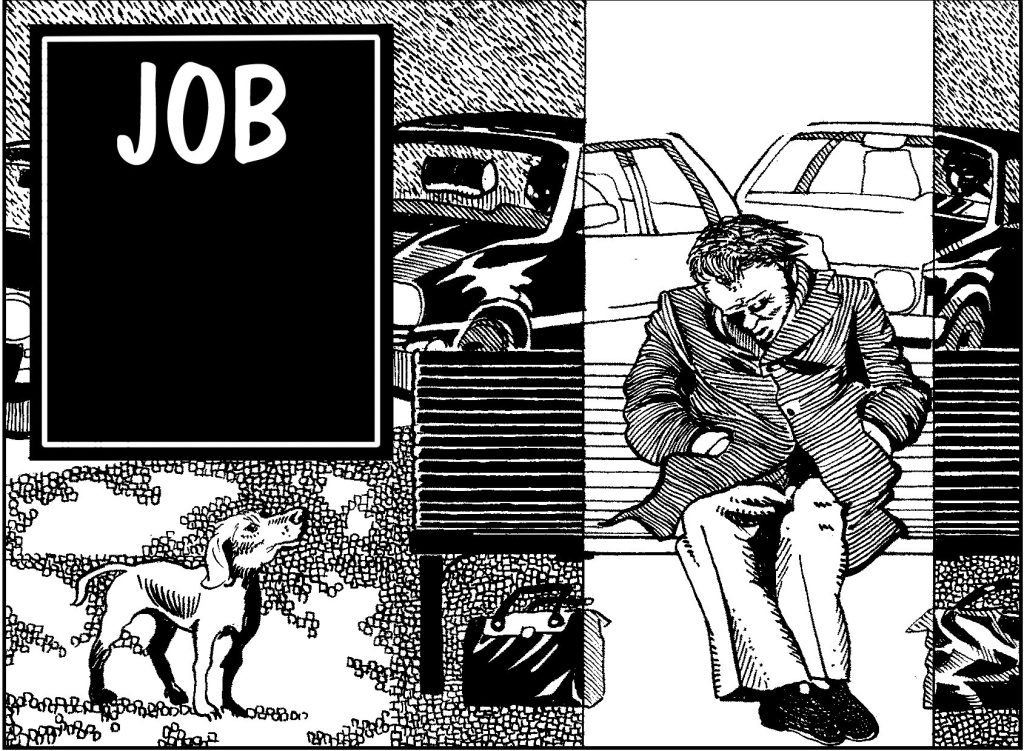
Job:Introduction
The Book of Job is much more than a “story.” It deals in depth with the major questions of the human condition. The misfortunes of Job –after having been abundantly blessed all his life, he is reduced to utmost misery — are merely a pretext to have us reflect on this reality: human life on earth is not satisfying. Suffering and death would not be so dark if it were not for this malaise or scandal that comes from the absence of God in our world.
Job only needs to contemplate nature to believe in God and divine providence. However, his misfortunes bring him to reconsider the concept he had of a tacit agreement between the just man, himself and the just God.
Job accuses and cries out to God with all the force of his thwarted hope and, in the end, God will have to intervene.
The Book of Job
The starting point of this book is a popular tale found in the first and last pages (1:1—2:13 and 42:10-17): the story of the holy man Job. Yahweh had tested him by taking everything away from him but in spite of that, Job remained faithful. In the end, God gave everything back to him.
The moral was somewhat simplistic. Then, an unknown author wrote the poems of chapters 3—41. There, a very different Job from the first one accuses the human condition and his three friends confront him with the answers of traditional wisdom.
These chapters constitute the most sizable collection of sapiential literature in the Bible. It may be helpful to recall that this new section presents a view of life that is very different from the view proposed in the books of the Law and the prophetic books. These were mostly interested in the history of Israel, the ups and downs of the Sinai covenant that had transformed Israel into a people set apart and the bearer of a universal mission.
On the other hand, here the history and vocation of Israel are forgotten (seemingly, at least). The author has returned to what constitutes the lives of all humans, whatever their countries or religions may be. Human beings are before their destiny with no other revelation than what nature is telling them in a thousand ways, what the tradition of their ancestors has handed down to them and has interpreted for them. Human beings are not in a world without God. On the contrary, they see God’s presence everywhere. Yet, they are first conditioned by their material existence and the fact that so many people live in inhuman conditions raises questions about God’s honesty and the way God treats human beings.
Job’s discourses are strongly marked by the culture of his time. Above all, he insists on being known as a just man: honor and shame are decisive criteria for tribes. Hence, the need to appeal to an arbitrator or a tribunal to clear his good name when his misfortunes have made him look guilty. The book is going to show that there is no answer: God’s intervention in chapters 38—42 moves in a different direction from the conclusion in 42:10-17. We remain with our malaise and we will not be healed before we see God.
Down below are the introductions in the Mandarin Chinese, Tagalog, Cebuano, and Spanish editions.
Nangunguna sa mga Aklat ng Karunungan ng Biblia ang kasaysayan ni Job. Dito lubos na tinatalakay ang mahahalagang katanungan ng kalagayan ng tao.
Ang mga kasawian ni Job -- matapos puspusin ng biyaya, isinadlak siya sa lubos na pagdurusa -- ay paraan lamang para papagnilayin tayo sa katotohanang walang kasiyahan ang buhay ng tao sa lupa. Ang pagdurusa at kamatayan ay mga pagpapahayag ng isang mas malalim na kasamaan, ang pagkabalisa ng taong alam ang kanyang kapalaran.
Hindi nagkataon lamang ang pagpapakilala kay Job bilang isang mayaman ng Us, isang lupaing di-kabilang sa bayan ng Diyos. Inaakalang hindi kilala ni Job si Moises o ang mga propeta: magsasalita siya sa ngalan ng buong sangkatauhan at hindi lamang para sa mga mananampalataya. Sapat na para kay Job ang pagnilayan ang kalikasan para manampalataya sa Diyos at sa kalinga nito. Ngunit hindi pa niya nakikita ang Diyos na ito, at hindi naman ipinaaabot sa kanya ng Diyos ang kanyang Salita. Gayunman, nararamdaman ni Job at kinikilala niyang gawa siya ng Diyos. At alam niyang tanging pakikipag-usap lamang sa kanyang Maykapal ang makapaglalagay sa kanya sa dapat niyang kalagyan. Subalit sa kabila ng kanyang paghahanap, wala siyang makitang puwang.
Translation: Cebuano
Ang istorya ni Job nag-una sa Mga Basahon sa Kaalam sa Biblia: lawom dinhi nga gitandog ang dagkong pangutana bahin sa tawhanong kahimtang! Ang kasakitan nga iyang naangkon, diin ginudnod siya sa hilabihang pag-antos, human sa kaharuhay, plan-talya lang, aron makapamalandong ta nga dili pa igo ang kinabuhi dinhi sa kalibotan. Ang pag-antos ug kamatayon mga timailhan sa mas lawom pa nga kadaotan nga angay hinuktokan sa mga tawong nakamatngon sa ilang padulngan.
Dili sulagma nga gipaila si Job isip tawo gikan sa yuta sa Uz. Dapit ni nga wala masakop sa katawhan sa Diyos ug wala malakip sa gisaad sa mga propeta. Ang pagtoo ni Job sa Diyos ug sa iyang Kaayo, nagsukad sa pagpamalandong niya sa kinaiyahan. Wala gyod siya makakita sa Diyos ug wala gani ang Diyos mamulong diretso niya. Bisan pa ini, gibati ni Job nga binuhat siya sa Diyos. Iyang naamgohan nga diha lang sa pakig-ambitay uban sa iyang Magbubuhat nga siya mismo mahamutang sa iyang dapit, apan bisag unsa-on niya pagpangitag lutsanan, wala siyay nakit-an.
Ang mga sumbong ni Job sa Diyos pamaagi niya sa pagsinggit taman sa iyang mahimo aron ipahungaw ang walay katagbawan niyang paglaom. Sa kataposan ang Diyos nanggilabot.
Ang Job
Ang sinugdan ining libroha mao ang nabantog nga istorya nga mabasa sa una ug sa kataposang mga pahina(1:1-2;13 ug 42:10-17), ang istorya sa balaang tawo, si Job. Gisulayan siya ni Yahweh pinaagi sa pagsakmit sa tanan niyang katigayonan, ug bisan pa ini, nagpabilin si Job nga lig-on ug puno sa pagsalig sa Diyos kinsa moganti sa mga tarong. Sa kataposan, gibalik sa Diyos sa paghatag kaniya ang tanan nga nawala.
Ang moralidad klaro nga dunay pagkasimpli. Apan ang tagsulat, nga wala nato mailhi, mipalambo ining panig-ingnan ni Job, sa mga pakigpulong nga mabasa sa mga ulohan 3-41. Dinhi gisinggit ni Job ang iyang kapungot tungod sa iyang gidangatang kahimtang ug gitubag siya sa tulo niya ka higala. Sila ang mga maalamong tawo sa maong panahon.
Translation: Spanish
Este libro es mucho más que una “historia”. Las desventuras de Job, que, después de colmado por la existencia, se ve reducido a la más extrema miseria, son sólo un pretexto para manifestar lo insatisfactoria que es la vida humana. El sufrimiento y la muerte no serían tan oscuros si no hubiera el resentimiento o el escándalo de la ausencia de Dios: él huye de nuestra mirada, y pareciera que se niega a hacer justicia en el mundo.
Job no necesita más que contemplar la creación para creer en Dios y su providencia, pero su infortunio lo lleva a reconsiderar la idea que se hacía de un acuerdo entre el Dios justo y el justo que es él mismo. Job acusa y clama a Dios con toda la fuerza de una esperanza insatisfecha y, al final, Dios tendrá que manifestarse. Pero no puede hacerlo sin echar por tierra las pretensiones de Job y demostrar la vanidad de sus lamentos.
El punto de partida del libro es un cuento popular que encontramos en las primeras y últimas paginas: la historia del santo varón Job. Yavé lo había probado privándole de todo, a pesar de lo cual Job permaneció fiel. Al final Dios le restituye todo.
La moral era un poco simplista. El autor, pues, echó mano de la historia para justificar los largos diálogos de los capítulos 3-41; allí un Job bien diferente, reclama a Dios por la injusticia de la condición humana mientras que sus tres amigos le aconsejan y contradicen con argumentos tomados de la sabiduría convencional.
Este libro inicia la literatura sapiencial de la Biblia. Esta nueva sección arroja sobre la existencia humana una mirada muy diferente de la que ofrecen los libros de la Ley y los libros proféticos. A éstos parece que sólo les interesan la vocación particular de Israel y la fidelidad a la alianza de Dios. Aquí, en cambio, no por casualidad Job es presentado como un hombre del país de Us, que no pertenece al pueblo de Dios, así que puede hablar a nombre de la humanidad entera, y no solamente de los creyentes.
El hombre no se encuentra en un mundo vacío de Dios, al contrario, percibe su presencia por doquier. El hecho, sin embargo, de que tantas personas vivan en dramáticas situaciones, pone en entredicho la honestidad y la sabiduría de Dios.
El libro demostrará que no hay respuesta satisfactoria. La intervención de Dios en los capítulos 38-42 sigue derroteros distintos de la conclusión de 42,10-17. El ser humano continúa con su angustia y no se verá libre de ella antes de que haya visto a Dios.
(The Catholic Christian Community Bible [first English edition 1997, other translations into Indonesian, Chinese, Cebuano, Chavacano, French, Ilonggo, Korean, Quechuan, Spanish, and Tagalog] “for the Christian Communities of the Third World” uses the following introduction.)
At the end of his first letter to the Corinthians Paul expressed the desire to come back and see them soon. He was unable to return, and they took this badly.
“Judaizing” preachers, that is to say, those Jews insufficiently converted to Christ, whom Paul had to face all the time, were trying to undermine his authority. Paul sent a messenger whom the Corinthians deeply offended: some members of the community were openly rebelling against the apostle. Paul responded in a letter “written in the midst of tears” (2:4) whereby he demanded the submission of the community. One of Paul’s best assistants, Titus, brought the letter and concluded his mission successfully. Upon Titus’ return, Paul, reassured, sent this “second” letter (in fact it was the third or fourth) to the Corinthians.
What is the content of this letter? What Paul feels with regard to the Corinthians and what he suffers from their lack of understanding. It is not much and yet it is a great deal. Paul is incapable of speaking about himself without speaking of Christ. This restless man, eager for understanding and affection, is so permeated with the love of Christ, that he cannot express a suspicion or a reproach without giving most profound sermons on faith. In trying to justify himself he writes the most beautiful pages on evangelization and on what it means to be an apostle of Christ.
We shall see that this letter includes pages which were not a part of it – fragments of other letters or notes sent by Paul to the Church of Corinth: in particular, 6:14-18 was probably written before our First Letter to the Corinthians; chapter 9; the chapters 10–13 which should contain a good part of the “letter written in tears” (see preceding paragraph).
Down below are the introductions in the Mandarin Chinese, Tagalog, Cebuano, and Spanish editions.
Sa katapusan ng kanyang unang sulat sa mga taga-Corinto, sinabi ni Pablo na gusto niyang makabalik doon at makita silang muli. Ngunit hindi siya nakabalik kayat labis na sumama ang kanilang loob.
May mga Kristiyanong mangangaral na gustong gawing Judio pa rin ang mga sasampalataya kay Kristo. Mga Judio ang mga ito na may “hilaw” na pananampalataya, at sila ang malimit na kailangang harapin ni Pablo pagkat hangad nilang “sulutin” ang kanyang awtoridad. Nagpadala si Pablo ng sugo na lubha namang nasaktan sa mga taga-Corinto. May ilang kasapi ng pamayanan na lantarang nagrerebelde laban sa apostol. Isang liham na “sinulat sa matinding pighati” (2:4) ang sagot ni Pablo, dito niya hini¬hinging sumunod ang pamayanan. Si Tito na isa sa mahuhusay na katuwang ni Pablo ang nagdala ng liham at maayos naman nitong natupad ang kanyang misyon. Sa pagbabalik ni Tito, nagkaroon ng katiyakan si Pablo, at ipinadala niya ang “ikalawang” sulat na ito sa mga taga-Corinto (na sa katunaya’y ikatlo o ikapat).
Ano ang nilalaman ng sulat na ito? Ang damdamin ni Pablo para sa mga taga-Corinto at ang pagdurusa niya dahil sa kakulangan nila ng pang-unawa. Hindi makapangungusap si Pablo tungkol sa kanyang sarili nang hindi siya nagsasalita tungkol kay Kristo. Punung-puno ng pag-ibig ni Kristo ang taong ito na walang kapahingahan sa hangad na siya ay mahalin at maunawaan. Kayat maging hinala man o pangaral ang kanyang sinasabi, nakapaloob ito sa mahusay na paglalahad tungkol sa pananampalataya. Sa pagsisikap niyang maipagtanggol ang sarili, naisulat niya ang pinakamagandang pahina tungkol sa pag-eebanghelyo at sa kahulugan ng pagiging apostol ni Kristo.
Mapapansin natin na may mga pahina ang sulat na ito na hindi talaga bahagi nito kundi mula sa iba pang mga sulat o paalala na ipinadala rin ni Pablo sa Iglesya sa Corinto: ang talataang 6:14-18 na malamang na nasulat bago ang Unang Sulat sa Mga Taga-Corinto, ang kabanata 9 (basahin ang paliwanag sa 9:1), at ang mga kabanata 10–13 na naglalaman ng malaking bahagi ng liham na “sinulat sa gitna ng matinding pighati” (basahin ang talata sa itaas).
Translation: Cebuano
Sa kataposang bahin sa una niyang sulat sa taga Corinto, gipadayag ni Pablo ang tinguha pagbalik ug pagpakigkita nila sa dili madugay. Apan wala ni matuman, ug ngil-ad kaayo ang pagsabot ini.
Ang problema mao ang mga Judio nga dili pa hingpit nga nakabig kang Cristo. Mireklamo sila sa awtoridad ni Pablo sa pagwali. Busa, nagpadala siyag sinugo nga napasakitan pag-ayo sa taga Corinto, kay dunay uban nila nga dayag nga nakigbatok sa apostol.
Agig tubag, gisulatan sila ni Pablo nga puno “sa kaguol ug kasakit “ (2:4) nga nag-awhag sa pagsunod kanunay sa katilingban. Gidala ni ni Tito, ang pinalabing tinun-an ni Pablo nga nagmalamposon sa misyon. Ang taho ni Tito nakaaghat ni Pablo sa paghimo ining ikaduhang sulat alang sa taga Corinto (gani ikatulo o ikaupat na ni).
Unsay nia ini? Unsay gibati ni Pablo bahin sa taga Corinto ug unsa kabug-at ang iyang giantos gumikan sa kagahi nilag ulo? Dili kaayo ni grabi, apan dili sab tiaw. Maglisod si Pablo pagpadayag sa kaugalingon nga dili molakbit paghisgot ni Cristo. Tawo siya nga dili mahimutang. Nagtinguha siya nga masabtan ug higugmaon; apan natuhopan siya pag-ayo sa gugma ni Cristo, nga dili niya ikapadayag ang iyang pagduda ug pagsaway kon dili apilan og lawom nga wali bahin sa pagtoo. Sa pagpanalipod niya sa kaugalingon nindot siyag nasulat bahin sa pagsangyaw sa Ebanghelyo ug sa kahulogan sa pagkaapostol ni Cristo.
Translation: Spanish
Al final de la primera carta a los Corintios, Pablo expresaba el deseo de volver a visitarlos muy pronto; pero como no lo pudo hacer, lo tomaron muy a mal.
Por otra parte, algunos predicadores “judaizantes”, es decir, judíos mal convertidos a Cristo, trataban de destruir entre los corintios la autoridad de Pablo, quien conociendo muy bien a unos y a otros, les envió un mensajero, que fue ofendido gravemente, e incluso algunos miembros de la comunidad se rebelaron abiertamente contra el apóstol.
Pablo respondió con una carta «escrita en medio de lágrimas» (2,4), en la que exigía la sumisión de la comunidad. Tito, el más capaz de los ayudantes de Pablo, fue el encargado de llevar esa carta, y su misión tuvo éxito. A su regreso, Pablo ya un poco más tranquilo, les envió esta «segunda» (que de hecho es la tercera o cuarta) carta a los corintios.
¿Qué dice esta carta? Lo que Pablo siente en sus dificultades con los corintios y su sufrimiento ante su falta de comprensión. Esto es a la vez poco y mucho, pues Pablo era incapaz de hablar de sí mismo sin hablar de Cristo. Ese hombre inquieto, que aspiraba a ser comprendido y amado, estaba tan compenetrado del amor de Cristo que no podía expresar ni siquiera una sospecha o un reproche sin llegar a los discursos más profundos de la fe. Al tratar de justificarse escribió las más bellas páginas sobre la evangelización y sobre lo que significa ser apóstol de Cristo.
Se constatará que el texto actual de esta carta contiene fragmentos de otras, o recados que había enviado Pablo a la Iglesia de Corinto. En particular, 6,14-18, que probablemente fue escrito antes de nuestra Primera Carta a los Corintios; el capítulo 9 (véase comentario a 9,1); los capítulos 10-13, que debieron contener buena parte de la «carta escrita en medio de lágrimas».
In many, if not most of the languages in the Philippines, proper nouns, such as personal names, are tagged with a marker that signals their grammatical role within a sentence. For Tagalog and the Visayan languages , this typically includes si to mark the proper noun as the actor or subject (nominative case), ni to mark the proper noun as an owner (genitive case), and kay to mark the proper noun as as an indirect object, i.e. the one to or toward whom an action is directed (dative case). All of these also have plural forms — sina, nina and kina respectively — and unlike in the biblical languages or in English, the plural form has to be used when only a single proper name is mentioned but implicitly that proper name includes more than just one.
In this verse, where English translates “Joab (returned),” the Tagalog translation translates “sina Joab” because the context of the text makes clear that Joab was with his “picked men of Israel.” (Source: Kermit Titrud and Steve Quakenbush)
In many, if not most of the languages in the Philippines, proper nouns, such as personal names, are tagged with a marker that signals their grammatical role within a sentence. For Tagalog and the Visayan languages , this typically includes si to mark the proper noun as the actor or subject (nominative case), ni to mark the proper noun as an owner (genitive case), and kay to mark the proper noun as as an indirect object, i.e. the one to or toward whom an action is directed (dative case). All of these also have plural forms — sina, nina and kina respectively — and unlike in the biblical languages or in English, the plural form has to be used when only a single proper name is mentioned but implicitly that proper name includes more than just one.
In this verse, where English translates “went on with the king,” the Tagalog translation translates “kina Haring David” (“King David”) because the context of the text makes clear that it was David and his men whom Barzillai was escorting. (Source: Kermit Titrud and Steve Quakenbush)
(The Catholic Christian Community Bible [first English edition 1997, other translations into Indonesian, Chinese, Cebuano, Chavacano, French, Ilonggo, Korean, Quechuan, Spanish, and Tagalog] “for the Christian Communities of the Third World” uses the following introduction.)
When Everything Is Falling Apart
“A third of the people will die by plague and famine; another third by the sword, and I will scatter the rest everywhere; these I will also pursue and pour out my anger on them.” These are God’s words which prompted Ezekiel to announce the destruction of a holy people. Do these also apply to the present crisis in the Church?
In many countries in a short time the Church has lost its imposing facade of well-attended temples and rituals, a practicing majority, a faithful clergy who were present everywhere, the security of unquestioned faith and the universal obedience to the center: Rome. All is collapsing. Many people hoped that the renewal begun at the Council would produce quick results. Yet, every day what seemed to promise a secure future is disappearing.
Other words from Ezekiel come to mind: “I will not allow you to be a people like the rest, rather I will rule over you by force. I will gather you from among the nations and I will confront you. You will be under my authority.” Could God be calling on destructive forces? Could God be the one breaking down the human structures we believed to be the Church? Of course, something will remain, a remnant as Ezekiel puts it. That is to say, those whose faith will have been purified through trial and in whom the Holy Spirit will act with more freedom.
What was just said is enough to help us understand the value of the Book of Ezekiel for today. He was God’s witness in the final years of the kingdom of Judah, though living among those exiled in Babylon.
We will surely be surprised at the language he attributes to God. He shows God as venting his resentment and jealousy by continually threatening his people and taking delight in their predicament and agony. Would it be possible, however, to speak about love without mentioning jealousy and violence?
We also find jealousy and violence when God comes to conquer a sinful people. The husband goes looking for his unfaithful wife among her lovers and brings her back by force. Ezekiel’s excessive words must not make us forget other pages of the Bible where God expresses himself tenderly, but we cannot ignore them either, under the pretext that God is a good daddy. We may have experienced in our own flesh the misery of the sinner challenging God. Ezekiel’s role was to express the bitterness of sin and the anger of God.
The Book of Ezekiel
Ezekiel may have been a young priest taken to Chaldea with the ten thousand exiles after the first siege of Jerusalem in 598 (see 2 K 24:14). There he was called by God as he tells us (chapters 1 and 2). The first part of his book (chapters 1–24) contains his discourses predicting the total destruction of his country.
Down below are the introductions in the Mandarin Chinese, Tagalog, Cebuano, and Spanish editions.
“Ikatlong bahagi ng bayan ang mamamatay sa salot at gutom; isa pang ikatlo ang mabubuwal sa tabak; at ang malalabi nama’y pangangalatin sa lahat ng dako at uusigin ko pa rin ang mga ito at pagbubuntunan ng aking poot.” Ito ang mga salita ng Diyos na sinabi ni Ezekiel sa pagkawasak ng Bayang Banal. Magagamit din kaya ito sa kasalukuyang krisis ng Iglesya?
Sa loob ng ilang taon, nawala na sa Iglesya ang kahanga-hangang panlabas na anyo ng mga templo at mga seremonya, ang pagkarelihiyoso ng nakararami sa sambayanan, ang katapatan ng mga pari nito na nasa lahat ng dako, ang katatagan ng isang pananampalatayang di mapag-alinlanganan at ang pagsunod ng lahat sa Roma. Nabubuwag ang lahat ng ito. Maraming umaasa na magbubunga kaagad ang pagpapanibagong sinimulan ng Konsilyo. Ngunit naglalaho sa bawat araw ang waring pinakamahalagang magbibigay-katiyakan sa hinaharap.
Magugunita ang iba pang mga salita sa aklat ni Ezekiel: “Hindi ko maipahihintulot na kayo’y maging isang bayang tulad lamang ng iba; kundi sapilitan akong maghahari sa inyo. Titipunin ko kayo mula sa mga bayan at haharapin ko kayo. Sasailalim kayo ng aking kapangyarihan.” Hindi kaya tinatawag ngayon ng Diyos ang mga puwersa ng pagkawasak? Ang Diyos kaya ang nagbubuwal sa mga gawa-ng-tao na sa akala naman nati’y siyang Iglesya? May maiiwan siyempreng labi gaya ng sabi ni Ezekiel – silang ang pananampalataya’y dinalisay ng pagsubok at mas malayang magagalawan ng Espiritu ng Diyos.
Ang kasasabi ay sapat na para maintindihan ang kahalagahan sa ngayon ng aklat ni Ezekiel. Siya ang saksi ng Diyos sa mga huling taon ng kaharian ng Juda, bagamat nasa piling ng mga ipinatapon sa Babilonia.
Tiyak na magtataka tayo sa lengguwaheng iniuukol niya sa Diyos na laging nagbababala at parang nalulugod pa sa kagipitan at pagdurusa ng kanyang bayan bilang pagbibigay-daan sa kanyang galit at selos. Pero puwede kayang mangusap tungkol sa pag-ibig nang hindi binabanggit ang mga salitang selos at karahasan?
May selos at karahasan din sa pagsakop ng Diyos sa mga taong makalaman at makasalanan. Hinahanap ng asawa ang kanyang taksil na maybahay sa piling ng mga mangingibig nito at ibinabalik niya sa dahas. Ang may kalabisang pananalita ni Ezekiel ay hindi dapat makapagpalimot sa atin sa iba pang pahina ng Biblia kung saan ipinahahayag ng Diyos ang kanyang karinyo. Pero hindi rin naman natin maisasaisantabi ang mga ito sa pagdadahilang mabait na tatay ang Diyos. Maaaring naranasan na natin sa ating sariling laman ang kapighatian ng makasalanang humahamon sa Diyos: tungkulin ni Ezekiel na ibunyag na lahat ang pait ng kasalanan at ipagsigawan ang galit ng Diyos.
Ang Aklat ni Ezekiel
Malamang na isang batang pari si Ezekiel na dinalang bihag sa Kaldea kasama ng sampung libong ipinatapon makaraan ang unang paglusob sa Jerusalem sa taong 598 (tingnan ang 2 H 24:14). Doon siya tinawag ng Diyos gaya ng kanyang ikinukuwento sa atin (kab. 1 at 2).
Ang unang bahagi ng kanyang aklat (kab. 1-24) ay naglalaman ng kanyang mga pahayag na nagbabalita sa ganap na pagkawasak ng kanyang bayan.
Kasunod ng mga propesiya laban sa mga banyagang bansa (kab. 25-32), nasa ikatlong bahagi naman ng aklat ang mga pangako sa mga itinapon. Sapagkat ayaw ng Diyos na mamatay ang kanyang bayan.
May alam tayong mga lahing naglaho at mga dayuhang nakalimot sa sariling bayan sapagkat nakakita sila ng trabaho sa ibang bansa. Sa ganito rin sana mamamatay ang sambayanang Judio pagkaraan ng krisis na nagwasak sa Jerusalem. Nang nasa Babilonia sila, sa pagkakadeport sa isang mas maunlad na bansa, pinananabikan ng matatanda ang kanilang lupang tinubuan habang walang iniisip ang mga kabataan kundi samantalahin ang bago nilang kalagayan. Ngunit sa kanyang mapanghamong pagtuturo ay patuloy na hinuhubog ni Ezekiel ang konsiyensiya ng mga magsisiuwi sa Judea balang araw para itayo ang bagong kaharian ng Diyos (kab. 33-39).
Translation: Cebuano
Inigkabungkag sa Tanan
“Ang ikatulo ka bahin sa imong katawhan mamatay sa katalagman. Mamatay sila sa gutom sulod sa imong mga paril. Ang laing ikatulo mamatay sa espada gawas sa syudad. Ang kataposang bahin akong isalibay sa hangin ug gukdon ko sa akong espada nga gikuha na sa sakoban.” Kining mga pulonga sa Diyos ang gigamit ni Ezekiel sa pagpahibalo sa pagkalaglag sa balaang katawhan. Ikasulti ba ni nato bahin sa krisis sa simbahan karon?
Sa daghang kanasoran ang simbahan nawad-an sulod sa dyotayng panahon sa iyang bayhon nga makapataha, sa mga templo ug ritwal nga daghang manambong, sa kadaghanan nga nagbansay, sa kapariang masinugtanon nga naa sa tanang lugar, sa siguridad sa pagtoo nga dili ikapangutana ug sa pagtahod nga unibersal alang sa sentro, Roma. Kining tanan naghinayhinayg kalumpag. May daghang katawhan nga naglaom nga ang pagbag-o sa simbahan nga gisugdan sa konsilyo Vatikano mamunga dayon. Apan kada adlaw, ang morag nakapakitag dakong purohan sa sigurong kaugmaon, nagkawala.
Ang laing mga pulong ni Ezekiel moabot sa atong panumdoman: “Tapokon gikan sa daghan nga katawhan. Himoon tamo nga usa ka pundok gikan sa kanasoran diin kamo makatagkatag. Hatagan tamo sa yuta sa Israel.” Nagtawag ba kaha ang Diyos sa mga pwersang manglalaglag? Ang Diyos ba kaha ang naggun-ob sa mga istruktorang tawhanon nga atong gitoohan nga simbahan? Sa walay duda, duna gyoy mahibilin, ang salin sumala sa gisulti ni Ezekiel, sa ato pa, kadtong katawhan kansang pagtoo lunsayon pinaagi sa pagsulay, ug kang kinsa ang Espiritu Santo makahimo sa iyang gimbuhaton nga mas gawasnon.
Ang bag-o lang natong gisulti dili paigo aron pagtabang sa pagsabot sa bili sa libro ni Ezekiel alang karong panahona. Saksi siya sa Diyos sa kataposang katuigan sa gingharian sa Juda, bisag nagpuyo siya uban sa mga bihag didto sa Babilonia. Sigurado gyod nga mahibulong ta sa pinulongan nga iyang gibutang sa baba sa Diyos. Kay gipakita man niya nga ang Diyos mipahamtang sa iyang kasuko ug pangabugho pinaagi sa kanunay niyang paghulga sa katawhan ug sa kalipay nga iyang gipakita. Hinuon, dili ba posibli ang pagsulti mahitungod sa gugma nga dili maghisgot sa pangabugho ug kabangis?
Ato pod nga makita ang pangabugho ug kabangis diha nga ang Diyos moabot na aron pagbuntog sa makasasalang katawhan. Ang bana mangita sa mabudhiong asawa taliwala sa mga kabit nga dad-on pagbalik ginamit ang kusog. Ang sobra kaayong sinultihan ni Ezekiel kinahanglang magpahinumdom sa ubang panid sa Biblia diin ang Diyos nagpadayag sa kaugalingon sa tumang kalumo, apan dili ta makasalikway sa maong sinultihan, ubos sa pasangil nga ang Diyos maayong amahan. Tingali atong nasinati sa kaugalingon natong unod ang kaalaot sa makasasala nga naghagit sa Diyos: papel ni Ezekiel mao ang pagpadayag sa kapait sa sala ug sa kasuko sa Diyos.
Ang Ezekiel
Si Ezekiel batan-on tingling pari nga gidala sa Caldea uban sa mga 10,000 ka bihag human sa unang pagsulong sa Jerusalem sa tuig 598 (tan-awa 2 H 24:14). Didto gitawag siya sa Diyos ingon sa iyang gisulti kanato (Mga kapitulo 1 ug 2).
Ang unang bahin sa libro (kapitulo 1-24) nagdala sa mga diskurso nga nanagna sa hingpit nga pagkalaglag sa iyang nasod.
Human sa mga panagna batok sa langyawng kanasoran, naa ang ikatulong bahin sa libro, ang mga saad ngadto sa mga bihag: ang Diyos dili buot nga ang iyang katawhan mamatay.
Nasayod ta nga dunay mga rasa nga nangawala ug dunay milangyaw nga nalimot sa ilang yutang natawhan kay nakakita man sila og trabaho sa laing nasod. Niining paagiha ang katawhang Judio mawala na unta human sa krisis kanus-a ang Jerusalem nagun-ob. Samtang didto sila sa Babilonia, mga binihag sa usa ka nasod nga mas malamboon kaayo, ang gulanggulang nga katawhan nangandoy sa ilang yutang natawhan, samtang ang mga batan-on naghunahuna lang sa pagpahimulos sa bag-ong kahimtang. Apan si Ezekiel, sa iyang mahagitong pagpanudlo mipadayon pag-umol sa mga konsensya adtong katawhan nga sa usa ka adlaw mobalik sa Juda aron pagtukod sa bag-ong gingharian sa Diyos (mga kapitulo 33-39).
Translation: Spanish
A este profeta se suele recordarlo como se recuerda a la Cuaresma. Vivió y profetizó en el exilio, y si bien anunció un futuro prometedor para su pueblo arruinado, lo hizo después de haber denunciado, durante años, las falsas esperanzas a las que se aferraban sus compañeros. Dios mismo le ha impuesto largos ayunos y pruebas, además de la humillación de pertenecer a grupos marginales, en una ciudad segura de sí misma. Mientras que el “segundo Isaías” parece contemplar la tropa de los exiliados desde la altura que le inspiran sus grandes perspectivas, Ezequiel comparte la vida de un suburbio escuálido donde se enfrenta cada día a las miradas escépticas u hostiles de los exiliados
Ezequiel es sacerdote y Dios sale a su encuentro cuando tenia treinta años, la edad legal para comenzar su servicio en el templo. Como Jeremías, Ezequiel será a la vez sacerdote y profeta, lo que nos invita a no oponer demasiado estas dos funciones complementarias. El ministerio del sacerdote no se agota en el templo; el sacerdote enseña, juzga y precisa la aplicación de las leyes. El profeta, por su parte, es un carismático capaz de discernir a través de sueños, visiones y signos diversos, la palabra más actual de Dios. Los profetas que Dios ha llamado de una manera especial suelen tener su personalidad propia. Jeremías, por ejemplo, es un solitario y apenas se percibe en él al sacerdote, fuera de su primera predicación. Ezequiel, por el contrario, sigue muy preocupado acerca de lo puro y lo impuro; ejerce una actividad pastoral, y la restauración del templo constituye para él un elemento esencial del nuevo Israel.
Ezequiel ha estado entre los primeros grupos de deportados, en el 597, y toda su vida conocida la pasó en Babilonia. Algunos comentaristas han pensado que la llamada de Dios la recibió estando aun en Jerusalén y que esta llamada, que se puede leer en 2,9 - 3,9, habría sido fusionada después con la visión del capítulo 1. Se trata, sin embargo, de una hipótesis más que de una conclusión bien fundada. La gran visión del Nuevo Israel (caps. 40-48) es del 572, es decir, 25 años posterior.
La predicación de Ezequiel se ha conservado mejor que las de otros profetas bíblicos ya que se desarrolló en una comunidad viva cuya condición de exiliada en una ciudad prospera, ha protegido las enseñanzas del profeta. El hablaba a “ancianos” de los que la mayoría debían ser conocidos suyos, preocupándose de darles una formación adecuada. Sin lugar a duda, los primeros que regresaron del Exilio habían tomado su enseñanza como regla de vida y no tenían razón alguna para revisarla.
Ezequiel en nuestra historia
Tanto Ezequiel como Jeremías han dejado en la Biblia una de las más altas perspectivas desde la que contemplar la historia del pueblo de Dios. Ser infiel y rebelde parece que forma parte de la vocación de este pueblo. Es asimismo parte de la acción de Dios el destruir lo que se había construido con él, desde el momento en que el pueblo quiere instalarse en este mundo, siguiendo las huellas de los otros pueblos.
Hay períodos de la historia en que todo parece derrumbarse y sólo se ve a la muerte campeando por doquier. Es, sin embargo, en estos momentos en los que Dios alumbra una nueva etapa de su plan siempre imprevisible. Aunque es arriesgado hacer aplicaciones demasiado particularizadas a la época en que vivimos, es ahora presente, especialmente en la Iglesia Católica, la sensación de un derrumbamiento que afectaría a sectores aparentemente esenciales de la misma Iglesia, y que nos haría recordar la época en que desapareció el reino de Judá. Para muchos creyentes, el tiempo del Exilio ha comenzado ya, sea que se refieran a la Babilonia de este mundo, ciego a la verdad, o bien a la Iglesia convertida ella misma en Babilonia. En consecuencia, muchos miran por doquier, a la espera de un profeta o de un rayo de luz.
Jeremías y Ezequiel se complementan. Jeremías pertenecía al grupo de judíos que habían tenido la suerte de escapar a la deportación y sabía que nada se podía esperar de ellos. Por esta razón, desconoce la etapa siguiente, la del regreso y va directamente a lo esencial, es decir, a la alianza nueva. Ésta estará siempre más allá del mañana y más allá de las instituciones. Ezequiel, por el contrario, acompaña a los exiliados que constituirán el retoño del nuevo Israel. El profeta está bien anclado en su tarea pastoral y prepara la etapa siguiente. Con esto corre el riesgo tal vez de creer que los regresados del exilio serán mejores que sus predecesores y que se construirá un pueblo de Dios con leyes o con piedras y cemento. Esdras y Nehemías serán los herederos de Ezequiel y construirán el Judaísmo.
Jeremías se ha convertido en la gran figura del profeta perseguido, Ezequiel en cambio no tiene brillo ni belleza, y a veces desearíamos que fuera un poco menos excesivo y grosero, pero esto no puede disimular la fuerza que lo anima. El Espíritu lo llenó, igual que a Elías, de un amor celoso al Dios no reconocido.
Esto libro se divide fácilmente en seis secciones:
1. La vocación del profeta : 1,1—3,27
2. Actividad profética antes del segundo sitio de Jerusalén : 4,1—24,27
– el sitio y el juicio (4,1—8,2)
– las abominaciones en el templo (8,3—11,25)
– mentiras de los profetas y responsabilidad personal (12,1—14,23)
– los pecados acumulados de la historia de Israel (15,1—24,27).
3. Profecías contra las naciones : 25,1—32,32
4. La salvación de Israel : 33,1—37,28
5. Gog y Magog : 38,1—39,29
6. La visión del nuevo Israel : 40,1—48,30
– el nuevo templo (40,1—43,27)
– el nuevo culto (44,1—46,24)
– el nuevo Israel (47,1—48,35)
(The Catholic Christian Community Bible [first English edition 1997, other translations into Indonesian, Chinese, Cebuano, Chavacano, French, Ilonggo, Korean, Quechuan, Spanish, and Tagalog] “for the Christian Communities of the Third World” uses the following introduction.)
Philemon from Colossae has a slave named Onesimus: a typical name for a slave since Onesimus means “useful” (v. 11). Onesimus escapes and goes to Rome where he expects to disappear in the crowd. Accidentally, or luckily, he meets Paul whom he had known in his master’s house. At this point, Paul is imprisoned in Rome, but enjoys certain privileges enabling him to go out in the company of a policeman. Onesimus is converted and baptized; then Paul makes him go back to his former master with the letter of recommendation that we read here.
Paul asks that the slave be seen as a brother, and even suggests that the slave be freed (v. 21).
We have already seen the advice Paul gives to slaves in Col 3:22. In those first years of the Church, obtaining God’s life in Christ seemed such a tremendous privilege, providing such inner freedom, that being a slave or being free did not greatly matter (see 1 Cor 7:17).
At that time no one thought that a change of social structure was feasible: there were slaves and there would always be slaves. The Christians were few and without any influence. Thus, they were not concerned about reforming society, nor about laws to eliminate slavery. Even before the time it became necessary to think about changing the laws, faith was already against treating slaves as “objects” or inferiors: because they were Christians, an increasing number of masters — in the Church — spontaneously renounced their rights and granted freedom to their slaves.
Many people think that the Christian community has nothing to say concerning their responsibilities to society. Here, on the contrary, we see how Paul involves the whole community in Philemon’s problem.
Down below are the introductions in the Mandarin Chinese, Tagalog, Cebuano, and Spanish editions.
May aliping nagngangalang Onesimo si Filemong taga-Colosas. Isang karaniwang pa-ngalan ito ng isang alipin dahil “May silbi” ang ibig sabihin ng Onesimo (11). Tumakas si Onesimo at nakarating sa Roma na umaasang hindi na siya makikita sa karamihan ng tao. Nagkataon man o kaya’y pinalad, nakatagpo niya si Pablo na nakilala niya sa bahay ng kanyang amo. Noo’y nakabilanggo si Pablo sa Roma pero may mga pribilehiyo siya kaya malaya siyang nakalalabas kasama ang isang pulis. Sumampalataya si Onesimo at bininyagan; at pinabalik siya ni Pablo sa kanyang amo, dala ang sulat ng rekomendasyon na mababasa natin dito.
Hinihingi ni Pablo na ituring na kapatid ang alipin, at iminumungkahi pa na palayain ang alipin (b. 15-16 at 21).
Nakita na natin ang payo na ibinibigay ni Pablo sa mga alipin sa Col 3:22. Sa mga unang taong iyon ng Iglesya, parang isang napakalaking pribilehiyo ang magkaroon ng buhay kay Kristo na naghahatid ng lubos na kalayaan ng kalooban kayat hindi gaanong pinahahalagahan ang pagiging alipin o malaya (tingnan 1 Cor 7:17).
Hindi naisip ninuman nang panahong iyon na posibleng baguhin ang estruktura ng lipunan: may mga alipin at laging magkakaroon ng mga alipin. Kakaunti ang mga Kristiyano at walang anumang impluwensiya. Kaya hindi nila problema ang baguhin ang lipunan o kaya’y ang mga batas na susugpo sa pang-aalipin. Ngunit bago pa man kinailangang pag-isipang baguhin ang mga batas, laban na ang pananampalataya sa pagtrato sa mga alipin bilang “mga gamit” o mas mababang klase ng tao. Dahil sa pagiging mga Kristiyano, kusang iwinaksi ng dumaraming mga amo – sa Iglesya – ang kanilang mga karapatan at binigyan ng kalayaan ang kanilang mga alipin.
Marami ang nag-aakala na walang kinalaman ang pamayanang Kristiyano tungkol sa kanilang mga responsabilidad sa lipunan. Ngunit nakikita natin dito kung paanong pina-kikibahagi ni Pablo ang buong pamayanan sa problema ni Filemon.
Translation: Cebuano
Si Filemon nga taga Colosas dunay ulipon nga ginganlang Onesimo; kumon ni nga ngalan sa ulipon, kay ang pulong Onesimo nagkahulogag “Mapuslanon” (basaha ang b. 11) Si Onesimo milayas ug miadto sa Roma ug nagtoo nga dili siya makit-an taliwala sa bagang katawhan. Apan sa wala lang damha gikahibalag niya si Pablo nga nailhan na niyang daan sa uban pa siya sa agalon. Niining higayona, napriso na si Pablo sa Roma, apan duna siyay prebilihiyo sa paggawasgawas uban sa mga gwardya. Nakabig niya si Onesimo ug nabunyagan; ug gipabalik siya ni Pablo sa kanhing agalon dala ang sulat nga mabasa karon.
Giawhag ni Pablo nga isipon si Onesimo nga igsoon, gani misugyot siya nga hatagan nig kagawasan (b. 21).
Nabasa na nato ang tambag ni Pablo sa mga ulipon sa Col 3:22. Sa unang katuigan sa Simbahan, ang pagpuyo sa kinabuhi sa Diyos diha ni Cristo giisip nga dakong pribilihiyo nga naghatag og kagawasan. Sa kailadman sa tawong ingon kagawasnon dili na kaayo ni mahinungdanon (basaha sa 1 Cor 7:17).
Niadtong panahona, wala pa moabot sa ilang pangisip nga posibli ang pag-usab sa mga gambalay sa katilingban. Abi nilag ang pagkaulipon kabahin na sa kinabuhi busa, magpabilin silang ulipon sa hangtod. Dyotay ra ang kristyanos ug wala silay implowensya sa katilingban. Mao nga wala mosantop sa ilang hunahuna ang pag-usab sa sosyedad o paghimog mga balaod nga magdili sa pangulipon. Apan bisan pa ining tanan, ang kristohanong pagtoo supak nang daan sa pag-isip sa mga ulipon nga “mga butang” lang o nga ubos, kay kristyanos sab sila. May mga agalon nga nakristyanos nga misalikway sa ilang pagkaagalon ug naghatag og kagawasan sa mga ulipon.
Daghan ang naghunahuna nga ang mga kristohanong katilingban walay kalabotan sa mga responsabilidad sa sosyedad. Makita nato dinhi giunsa ni Pablo pagpaapil sa tibuok katilingban sa problema ni Filemon.
Translation: Spanish
Filomón de Colosas tenía un esclavo de nombre Onésimo; hermoso nombre para un esclavo, pues Onísimo quiere decir “útil”! Onésimo se escapa y se va a Roma, donde espera desaparecer en medio de la muchedumbre de la gran cuidad. Por casualidad y felizmente para él, se encuentra con Pablo, a quien había conocido en casa de su amo.
En ese momento Pablo está preso en Roma, pero goza de algunos privilegios, como poder salir acompañado de un policía. Onéismo se convierte y es bautizado. Después de lo cual Pablo lo hace repatriar a casa de su antiguo amo con una carta de recomendación que es la que leemos aquí.
Es interesante comparar esta carta de Pablo con otra escrita algunos antes por Cicerón a favor de un esclavo que estaba en idéntica situación. El gran humanista pagano pide el perdón para el culpable; Pablo, en cambio, pide que el esclavo sea considerado como un hermano e incluso sugiere que sea liberado (v. 21).
Ya hemos hablado de los consejos que daba Pablo a los esclavos en Col 3, 22. Durante los primeros años de la Iglesia, el descubrimiento de una vida nueva en Cristo parecía de una importancia tan superior que todo lo demás, ser esclavo o libre, no tenía importancia (véase 1Cor 7, 17).
En aquella época nadie pensaba en la posibilidad de un cambio en las estructuras sociales. ¡Había esclavos, y los habría siempre! En realidad la esclavitud iba a durar en occidente hasta la invención de nuevos métodos para utilizar la fuerza animal. Además, los cristianos eran una minoría sin influencia. Pero antes de que se pensara en cambiar las leyes, los cristianos, guiados por su fe, se negaban a tratar a los esclavos como “objeto” o como seres inferiores, y cada vez con más frecuencia los amos, en la Iglesia, renunciaban espontáneamente a sus derechos y liberaban a sus esclavos.
Muchas personas piensan que la comunidad cristiana no tiene nada que decir en lo que se refiere a sus responsabilidades en la sociedad, pero aquí vemos, por el contrario, cómo Pablo compromete a toda la comunidad en el problema de Filemón.
The Greek in Mark 4:14 that is translated as “sow the word” or similar in English is translated in Taglish (Pinoy) as nagshe-share ng salita ng Diyos or “share the word of God.” Taglish is a mixed language between Tagalog and English that uses some English words but Tagalog syntax. Nagshe-share is based on the English word “share” which is duplicated (-she and share) to express the continuing action and is preceded by the Tagalog past tense affix nag-. (Source: Anicia Del Torro; for more information about the Taglish version, see here )