
Introduction to Job (Christian Community Bible)

(The Catholic Christian Community Bible [first English edition 1997, other translations into Indonesian, Chinese, Cebuano, Chavacano, French, Ilonggo, Korean, Quechuan, Spanish, and Tagalog] “for the Christian Communities of the Third World” uses the following introduction.)
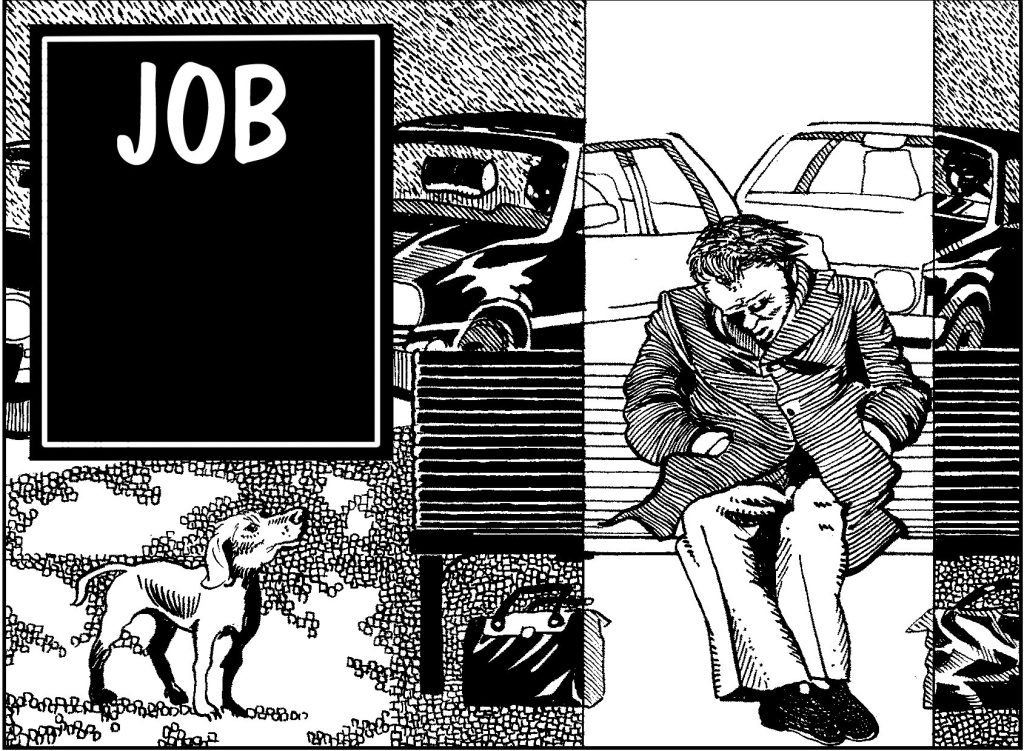
Job:Introduction

The Book of Job is much more than a “story.” It deals in depth with the major questions of the human condition. The misfortunes of Job –after having been abundantly blessed all his life, he is reduced to utmost misery — are merely a pretext to have us reflect on this reality: human life on earth is not satisfying. Suffering and death would not be so dark if it were not for this malaise or scandal that comes from the absence of God in our world.

Job only needs to contemplate nature to believe in God and divine providence. However, his misfortunes bring him to reconsider the concept he had of a tacit agreement between the just man, himself and the just God.

Job accuses and cries out to God with all the force of his thwarted hope and, in the end, God will have to intervene.

The Book of Job

The starting point of this book is a popular tale found in the first and last pages (1:12:13 and 42:10-17): the story of the holy man Job. Yahweh had tested him by taking everything away from him but in spite of that, Job remained faithful. In the end, God gave everything back to him.

The moral was somewhat simplistic. Then, an unknown author wrote the poems of chapters 3—41. There, a very different Job from the first one accuses the human condition and his three friends confront him with the answers of traditional wisdom.

These chapters constitute the most sizable collection of sapiential literature in the Bible. It may be helpful to recall that this new section presents a view of life that is very different from the view proposed in the books of the Law and the prophetic books. These were mostly interested in the history of Israel, the ups and downs of the Sinai covenant that had transformed Israel into a people set apart and the bearer of a universal mission.

On the other hand, here the history and vocation of Israel are forgotten (seemingly, at least). The author has returned to what constitutes the lives of all humans, whatever their countries or religions may be. Human beings are before their destiny with no other revelation than what nature is telling them in a thousand ways, what the tradition of their ancestors has handed down to them and has interpreted for them. Human beings are not in a world without God. On the contrary, they see God’s presence everywhere. Yet, they are first conditioned by their material existence and the fact that so many people live in inhuman conditions raises questions about God’s honesty and the way God treats human beings.

Job’s discourses are strongly marked by the culture of his time. Above all, he insists on being known as a just man: honor and shame are decisive criteria for tribes. Hence, the need to appeal to an arbitrator or a tribunal to clear his good name when his misfortunes have made him look guilty. The book is going to show that there is no answer: God’s intervention in chapters 38—42 moves in a different direction from the conclusion in 42:10-17. We remain with our malaise and we will not be healed before we see God.

Down below are the introductions in the Mandarin Chinese, Tagalog, Cebuano, and Spanish editions.

Translation: Mandarin Chinese

约伯书列于圣经智慧书的首篇,它远超越了历史范畴(chóu):人类自身的局限性这个大问题,在此有最深刻的探讨。

约伯的不幸,从原先荣华富贵的生活,落到最悲惨的境地,不过是让我们有机会反省一个现实:人类在世上的生命是不圆满的。苦难和死亡隐含了更为深重的罪恶,一旦人类对自身的命运有所意识,他便会无所适从。

约伯是胡兹地方的人,而非天主的子民,先知尚未把这个地方列入希望之地,这样的安排绝非偶然。约伯被设定为一个既不知道梅瑟,也不知道先知的外邦人,他以人性之名说话,不仅仅禁锢在信徒的圈子里。就约伯而言,对大自然的默观,就足以使他相信天主以及主的眷顾,虽然他从未见过天主,天主也不曾亲自对他说话。约伯感到自己是属于天主的。他了解到唯有与他的创造者对话,他才能将自己定位。然而,他曾竭力寻找永恒的天主及其真理,却并无所得。

故事分析

本书的开端,从前后看来(1:1-2:13和42:10-17),实是一个不折不扣的通俗故事,即义人约伯的故事。上主用夺走他的一切这种方式来试探他,但约伯依然坚定,相信天主总会给义人以报酬。最后,天主终于又把一切归还给他。

这种道德教诲显然太简单。而后,一位轶名作者将约伯的故事发展成3-41章的对话。约伯在此对人类的困境发出愤怒的咆哮,而其三位友人则以当时智者的话来回答他。

Translation: Tagalog

Nangunguna sa mga Aklat ng Karunungan ng Biblia ang kasaysayan ni Job. Dito lubos na tinatalakay ang mahahalagang katanungan ng kalagayan ng tao.

Ang mga kasawian ni Job -- matapos puspusin ng biyaya, isinadlak siya sa lubos na pagdurusa -- ay paraan lamang para papagnilayin tayo sa katotohanang walang kasiyahan ang buhay ng tao sa lupa. Ang pagdurusa at kamatayan ay mga pagpapahayag ng isang mas malalim na kasamaan, ang pagkabalisa ng taong alam ang kanyang kapalaran.

Hindi nagkataon lamang ang pagpapakilala kay Job bilang isang mayaman ng Us, isang lupaing di-kabilang sa bayan ng Diyos. Inaakalang hindi kilala ni Job si Moises o ang mga propeta: magsasalita siya sa ngalan ng buong sangkatauhan at hindi lamang para sa mga mananampalataya. Sapat na para kay Job ang pagnilayan ang kalikasan para manampalataya sa Diyos at sa kalinga nito. Ngunit hindi pa niya nakikita ang Diyos na ito, at hindi naman ipinaaabot sa kanya ng Diyos ang kanyang Salita. Gayunman, nararamdaman ni Job at kinikilala niyang gawa siya ng Diyos. At alam niyang tanging pakikipag-usap lamang sa kanyang Maykapal ang makapaglalagay sa kanya sa dapat niyang kalagyan. Subalit sa kabila ng kanyang paghahanap, wala siyang makitang puwang.

Translation: Cebuano

Ang istorya ni Job nag-una sa Mga Basahon sa Kaalam sa Biblia: lawom dinhi nga gitandog ang dagkong pangutana bahin sa tawhanong kahimtang! Ang kasakitan nga iyang naangkon, diin ginudnod siya sa hilabihang pag-antos, human sa kaharuhay, plan-talya lang, aron makapamalandong ta nga dili pa igo ang kinabuhi dinhi sa kalibotan. Ang pag-antos ug kamatayon mga timailhan sa mas lawom pa nga kadaotan nga angay hinuktokan sa mga tawong nakamatngon sa ilang padulngan.

Dili sulagma nga gipaila si Job isip tawo gikan sa yuta sa Uz. Dapit ni nga wala masakop sa katawhan sa Diyos ug wala malakip sa gisaad sa mga propeta. Ang pagtoo ni Job sa Diyos ug sa iyang Kaayo, nagsukad sa pagpamalandong niya sa kinaiyahan. Wala gyod siya makakita sa Diyos ug wala gani ang Diyos mamulong diretso niya. Bisan pa ini, gibati ni Job nga binuhat siya sa Diyos. Iyang naamgohan nga diha lang sa pakig-ambitay uban sa iyang Magbubuhat nga siya mismo mahamutang sa iyang dapit, apan bisag unsa-on niya pagpangitag lutsanan, wala siyay nakit-an.

Ang mga sumbong ni Job sa Diyos pamaagi niya sa pagsinggit taman sa iyang mahimo aron ipahungaw ang walay katagbawan niyang paglaom. Sa kataposan ang Diyos nanggilabot.

Ang Job

Ang sinugdan ining libroha mao ang nabantog nga istorya nga mabasa sa una ug sa kataposang mga pahina(1:1-2;13 ug 42:10-17), ang istorya sa balaang tawo, si Job. Gisulayan siya ni Yahweh pinaagi sa pagsakmit sa tanan niyang katigayonan, ug bisan pa ini, nagpabilin si Job nga lig-on ug puno sa pagsalig sa Diyos kinsa moganti sa mga tarong. Sa kataposan, gibalik sa Diyos sa paghatag kaniya ang tanan nga nawala.

Ang moralidad klaro nga dunay pagkasimpli. Apan ang tagsulat, nga wala nato mailhi, mipalambo ining panig-ingnan ni Job, sa mga pakigpulong nga mabasa sa mga ulohan 3-41. Dinhi gisinggit ni Job ang iyang kapungot tungod sa iyang gidangatang kahimtang ug gitubag siya sa tulo niya ka higala. Sila ang mga maalamong tawo sa maong panahon.

Translation: Spanish

Este libro es mucho más que una “historia”. Las desventuras de Job, que, después de colmado por la existencia, se ve reducido a la más extrema miseria, son sólo un pretexto para manifestar lo insatisfactoria que es la vida humana. El sufrimiento y la muerte no serían tan oscuros si no hubiera el resentimiento o el escándalo de la ausencia de Dios: él huye de nuestra mirada, y pareciera que se niega a hacer justicia en el mundo.

Job no necesita más que contemplar la creación para creer en Dios y su providencia, pero su infortunio lo lleva a reconsiderar la idea que se hacía de un acuerdo entre el Dios justo y el justo que es él mismo. Job acusa y clama a Dios con toda la fuerza de una esperanza insatisfecha y, al final, Dios tendrá que manifestarse. Pero no puede hacerlo sin echar por tierra las pretensiones de Job y demostrar la vanidad de sus lamentos.

El punto de partida del libro es un cuento popular que encontramos en las primeras y últimas paginas: la historia del santo varón Job. Yavé lo había probado privándole de todo, a pesar de lo cual Job permaneció fiel. Al final Dios le restituye todo.

La moral era un poco simplista. El autor, pues, echó mano de la historia para justificar los largos diálogos de los capítulos 3-41; allí un Job bien diferente, reclama a Dios por la injusticia de la condición humana mientras que sus tres amigos le aconsejan y contradicen con argumentos tomados de la sabiduría convencional.

Este libro inicia la literatura sapiencial de la Biblia. Esta nueva sección arroja sobre la existencia humana una mirada muy diferente de la que ofrecen los libros de la Ley y los libros proféticos. A éstos parece que sólo les interesan la vocación particular de Israel y la fidelidad a la alianza de Dios. Aquí, en cambio, no por casualidad Job es presentado como un hombre del país de Us, que no pertenece al pueblo de Dios, así que puede hablar a nombre de la humanidad entera, y no solamente de los creyentes.

El hombre no se encuentra en un mundo vacío de Dios, al contrario, percibe su presencia por doquier. El hecho, sin embargo, de que tantas personas vivan en dramáticas situaciones, pone en entredicho la honestidad y la sabiduría de Dios.

El libro demostrará que no hay respuesta satisfactoria. La intervención de Dios en los capítulos 38-42 sigue derroteros distintos de la conclusión de 42,10-17. El ser humano continúa con su angustia y no se verá libre de ella antes de que haya visto a Dios.

Subscribe
Notify of
guest
0 Comments
Oldest
Newest Most Voted
Inline Feedbacks
View all comments