
Introduction to Zechariah (Christian Community Bible)

(The Catholic Christian Community Bible [first English edition 1997, other translations into Indonesian, Chinese, Cebuano, Chavacano, French, Ilonggo, Korean, Quechuan, Spanish, and Tagalog] “for the Christian Communities of the Third World” uses the following introduction.)
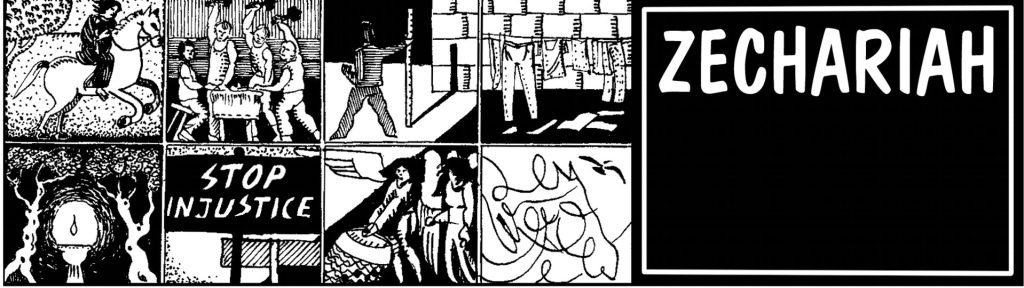
Like Haggai, Zechariah took part in the “restoration” of God’s people and the Temple, when the Jews returned from Babylon (520 B.C.).

When they returned from exile, the fabulous promises of the prophets while they were captives in Babylon were not fulfilled (see Is 40-55). So they continued to hope. Zechariah sees their building of the Temple as a symbol: a new age has begun and the Lord is preparing for the day of his salvation. The visions found in the first six chapters teach the Jews who are gathered round their Temple, that they must be watchful and wait for the Day of the Lord.

The Second Part of the Book of Zechariah

Chapters 9–14 are the work of another prophet who lived two centuries later, possibly when the famous conqueror, Alexander, came to the Eastern countries. He teaches the Jews that they must not be afraid: the victory of God and the coming of his kingdom will take place in the midst of very painful events.

Down below are the introductions in the Mandarin Chinese, Tagalog, Cebuano, and Spanish editions.

Translation: Mandarin Chinese

在犹太人刚从巴比伦回国时(公元前520年),匝加利亚和哈盖一样参与了振兴天主的子民和圣殿的重建工作。

当他们被困巴比伦时,先知们作了美妙的许诺。流放归来后,这些许诺并没有实现(依40:55)。因此,他们继续期望着,匝加利亚将他们建圣殿看作一种象征:新的时代开始了,上主在为救赎的日子作准备。前六章的神视教诲聚在圣殿中的犹太人,要他们警醒着,等待雅威日子的到来。

匝加利亚书第二部

9-14章是另一位先知的作品,这位先知晚匝加利亚两百年,可能是在大名鼎鼎的征服者亚历山大到东方国家之时。他告诉犹太人不要害怕:天主的胜利和王国的来临将发生在非常痛苦的时刻。

Translation: Tagalog

Tulad ni Ageo, nakibahagi rin si Zacarias sa “muling pagtatayo” sa bayan ng Diyos at sa Templo, nang kauuwi pa lamang ng mga Judio mula sa Babilonia (520 bago kay Kristo).

Sa pag-uwi nila mula sa pagkatapon, hindi nagkatotoo ang kahanga-hangang mga pangakong binitiwan ng mga propeta sa panahon ng pagkabihag nila sa Babilonia (tingnan ang Is 40-55). Kaya patuloy silang umaasa, itinuring naman ni Zacarias bilang isang sagisag ang muling pagtatayo ng Templo: nagsimula na ang isang bagong panahon. at naghahanda si Yawe para sa araw ng kanyang ganap na pagliligtas. Ang mga pangitaing bumubuo sa unang anim na kabanata ay nagtuturo sa mga Judiong nagkakatipon sa kanilang Templo na kailangan silang maghintay at maging listo para sa Araw ni Yawe.

Ang Ikalawang Bahagi ng Lihro ni Zacarias

Ang mga kabanata 9-14 ay gawa ng ibang propeta na nabuhay makalipas ang dalawang dantaon, maaaring sa panahon ng pagdating ng kilalang mananakop na Alejandro sa mga bansa sa Silangan. Itinuturo ng propetang ito sa mga Judio na hindi sila dapat matakot: magaganap sa gitna ng napakasakit na mga pangyayari ang tagumpay ng Diyos at ang pagdating ng kanyang paghahari.

Translation: Cebuano

Sama ni Ageo, si Zacarias miapil sa pagtukod pag-usab sa katawhan sa Diyos ug sa Templo, dihang mibalik ang mga Judio gikan sa Babilonia (520 B.C.).
Dihang mibalik sila gikan sa pagkabihag, ang mga dagkong saad nga gihimo sa mga propeta samtang didto pa sila naulipon sa Babilonia, wala matuman (tan-awa ang Is 40:55). Busa, nagsigi silag paabot. Nakita ni Zacarias nga timaan ang ilang pagtukod pagbalik sa Templo: bag-ong panahon ang nagbanagbanag, ug ang Diyos nangandam sa adlaw sa Iyang talagsaong kaluwasan. Ang mga panan-awon nga makita sa unang 6 ka kapitulo, nagtudlo sa mga Judio nga nagtapok sa ilang Templo, nga magtukaw sila ug maghulat sa Adlaw sa Ginoo.

Ang Ikaduhang Bahin sa Libro ni Zacarias

Ang kapitulo 9-14, mga buhat sa laing propeta nga nagpuyo sa ulahing duha ka siglo – posibli sa panahon nga ang inila nga manggugubat, si Alejandro, miadto sa mga nasod sa Silangan. Nagtudlo siya sa mga Judio nga dili sila angayng mahadlok: ang kadaogan sa Ginoo, ug ang pag-abot sa iyang Gingharian mahitabo taliwala sa sakit nga mga hitabo.

Translation: Spanish

Al igual que Ageo, Zacarías participó en la «restauración» del pueblo de Dios y del Templo, cuando recién regresaban de Babilonia los judíos (520 antes de Cristo).

A su vuelta del destierro no se habían cumplido las estupendas promesas hechas por los profetas en el tiempo que estaban cautivos en Babilonia (ver Is 40-55). Por tanto, seguían esperando. Zacarías considera la reconstrucción del Templo como un símbolo: un tiempo nuevo ha empezado, y Yavé se prepara para el día de su trascendental sal vación.

Las visiones que ocupan los seis primeros capítulos enseñan a los judíos reunidos en torno a su Templo que deben esperar, atentos, el Día de Yavé.

La segunda parte del libro de Zacarías

Los capítulos 9-14 son obra de otro profeta que vivió dos siglos después, muy posiblemente cuando el célebre conquistador Alejandro llegó a los países de Oriente. El enseña a los judíos que no deben asustarse: la victoria de Dios y la venida de su Reino tendrán lugar en medio de acontecimientos muy dolorosos.

Subscribe
Notify of
guest
0 Comments
Oldest
Newest Most Voted
Inline Feedbacks
View all comments