
Introduction to Lamentations (Christian Community Bible)

(The Catholic Christian Community Bible [first English edition 1997, other translations into Indonesian, Chinese, Cebuano, Chavacano, French, Ilonggo, Korean, Quechuan, Spanish, and Tagalog] “for the Christian Communities of the Third World” uses the following introduction.)
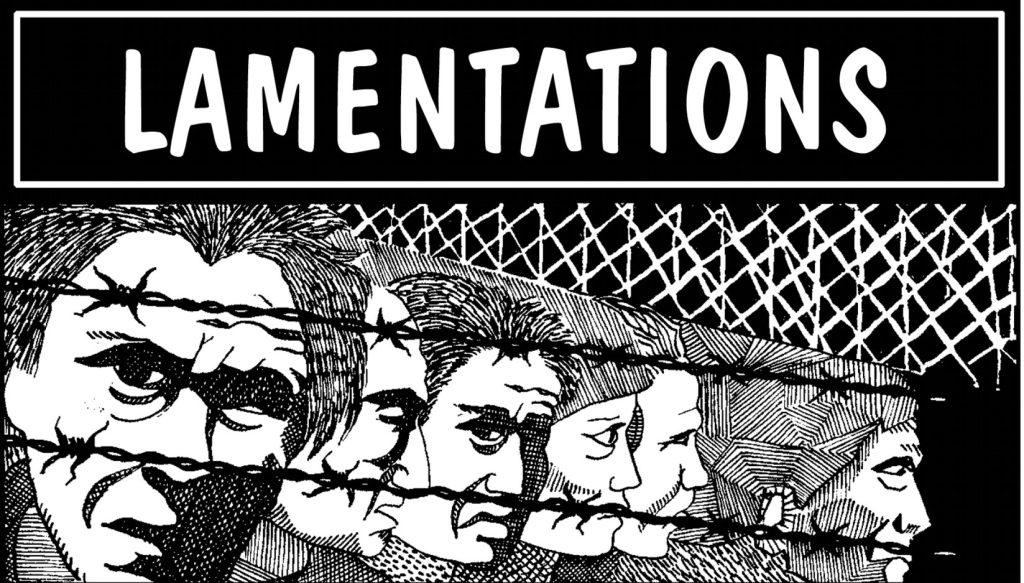
Following the fall of Jerusalem and the horrendous things that took place there, believers try to understand. They are not complaining; they see the ruins as deserved punishment for their many excesses and constant rejection of God’s warnings. Yet, they know that the Lord loves his people: they believe this, feel it and proclaim it.

When the exiles returned to Jerusalem, they may have gathered to pray together on the ruins of what had been the Temple, and taken turns with these laments. Later they continued yearly to pray them on the date of the catastrophe, and much later the Church adopted the custom of using them in the days she remembers the death of Jesus.

In the Lord’s Passion, the believer sees the sum total of the suffering and anxiety of humankind. These poems help us to look with the same compassion on the suffering of Christ and the suffering of the destitute. They will help us to unite the vision of universal pain with the sense of human sinfulness and responsibility.

A Jewish tradition attributes these poems to Jeremiah. They do seem to manifest a spirit very similar to his.

Down below are the introductions in the Mandarin Chinese, Tagalog, Cebuano, and Spanish editions.
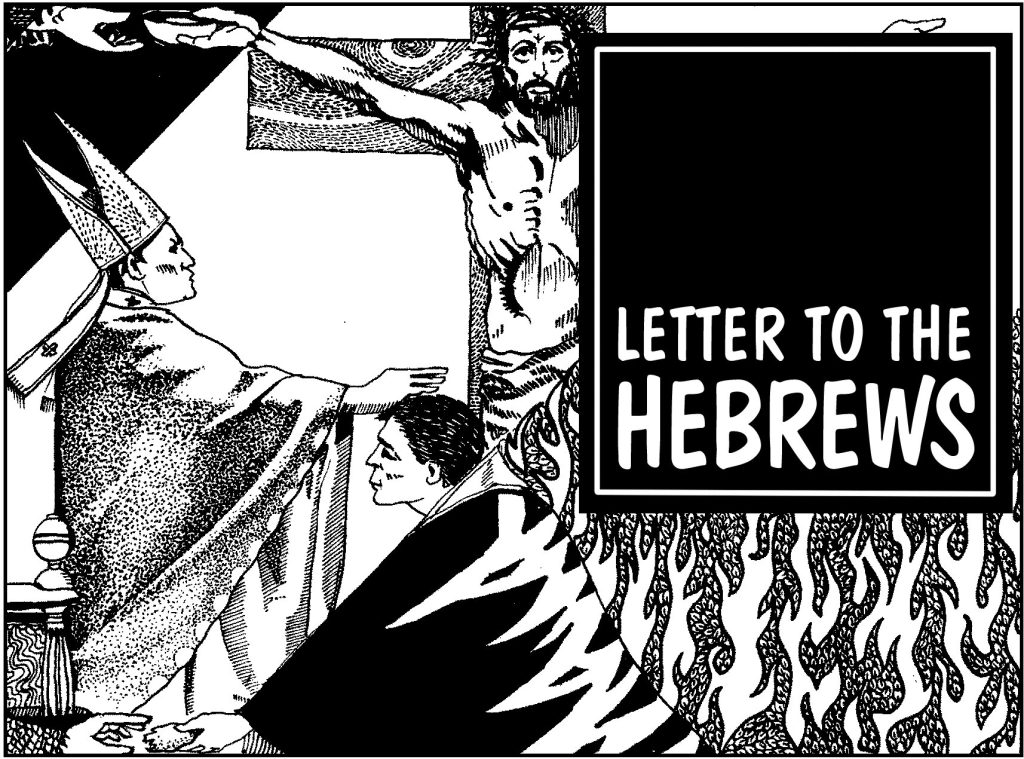
Translation: Mandarin Chinese

哀歌:引言

在耶路撒冷沦陷、恐怖惊人的事相继发生后,信徒们试着想要理解其中的原因。他们并没有抱怨,他们知道圣城的毁灭是因为自己过度的放纵,而且不断地拒绝天主的警告所应得的惩罚。他们知道雅威爱祂的子民:他们相信这点,感受这点,并宣告雅威的爱。

在流放者返回耶路撒冷后,他们可能聚集在曾经是圣殿的废墟上祷告,并轮流使用这些哀歌为祷文。后来,他们每年在灾难日都祈祷纪念,再后来,教会则习惯使用这些哀歌来纪念耶稣的圣死。

信徒从雅威的受难中看到了人类苦难和焦虑的极限。这些诗歌帮助我们将耶稣的受苦和许多遭受折磨的人的苦难联系起来。同时也有助于我们将普世痛苦的景象和人类的罪恶及责任结合起来。

犹太传统认为这些诗是耶肋米亚所作,这些作品在精神上确实非常接近耶肋米亚的作品。

Translation: Tagalog

Sinisikap unawain ng mga nananampalataya ang pagkawasak ng Jerusalem at ang kasunod nitong mga kakila-kilabot na mga pangyayari. Hindi sila nagrereklamo. Itinuturing nilang karapat-dapat na kaparusahan ito para sa marami nilang kaguluhan at sa patuloy na pagtanggi sa mga babala ng Diyos. Gayon pa man, alam nilang mahal ni Yawe ang kanyang bayan. Pinaniniwalaan nila ito, nararamdaman, at ipinahahayag.

Nang bumalik sa Jerusalem ang mga itinapon, malamang na nagtipon sila para manalangin nang sama-sama sa guho ng dating Templo at halinhinan nilang binigkas ang mga panaghoy na ito. Pagkatapos, ipinagpatuloy nila ang pagdarasal nito taun-taon sa petsa ng malaking kapahamakang iyon. At nang lumaon, nakaugalian na ng Simbahang gamitin ang mga Panaghoy para gunitain ang pagkamatay ni Jesus.

Sa Pasyon ng Panginoon, nakikita ng nananampalataya ang pagkakatipon ng mga pagdurusa at dalamhati ng sangkatauhan. Tinutulungan tayo ng mga tulang ito na pagbuklurin sa iisang pagdamay ang mga pagdurusa ni Kristo at ang matinding paghihirap ng napakaraming nagdurusa. Tutulungan din tayo nitong pag-isahin ang pananaw sa paghihirap ng santinakpan at ang kahulugan ng kasalanan at responsibilidad ng tao.

Ipinapalagay ng isang tradisyon ng mga Judio na galing kay Jeremias ang mga tulang ito. At nalalahad nga sa mga ito ang isang diwa na katulad ng sa kanya.

Translation: Cebuano

Human sa pagkapukan sa Jerusalem ug sa makahadlok nga panghitabo, ang mga magtotoo naningkamot sa pagsabot ining tanan. Wala sila magreklamo; gitan-aw nila ang mga kadaot isip silot sa daghan nilang kalapasan ug sa makanunayon nilang pagsalikway sa mga pahimangno sa Ginoo. Gani, nasayod sila nga ang Diyos nahigugma sa iyang katawhan: mitoo sila, mibati, ug misangyaw ini.

Sa pagbalik sa mga bihag didto sa Jerusalem, tingali nagkatapok sila sa pag-ampo sa naguba nga Templo, ug nagpulipuli sa pagpadayag sa mga pagbangotan. Sa kadugayan, ila kining gipadayon sa matag tuig sa petsa sa pagkapukan, ug sa kadugayan, ang Simbahan naanad sa kustombre sa paggamit ini sa paghinumdom sa kamatayon ni Jesus.

Sa Pasyon sa atong Ginoo, may magtotoo nga nakakita sa kinatibuk-an nga pag-antos ug kahingawa sa katawhan. Kining maong mga balak makatabang sa paghiusa sa kasakit ni Cristo ug sa kakabos sa kadaghanan nga nag-antos, sa susamang pagbati. Makatabang ni sa pakighiusa sa panan-awon sa kalibutanong kasakit ug sa diwa sa tawhanong kasal-anan ug katungdanan.

Adunay tradisyon sa Judio nga nagpunting kang Jeremias ining maong mga balak. Nagpadayag ni sa espiritu nga pareho sa iyaha.

Translation: Spanish

Después de la ruina de Jerusalén y de las cosas horrendas que sucedieron en esta ocasión, los creyentes tratan de comprender. No se quejan, ven la ruina como castigo merecido por los muchos desórdenes y por el constante rechazo de las advertencias de Dios. Y, sin embargo, saben que Yavé ama a su pueblo, lo creen, lo sienten y lo afirman.

Cuando los desterrados volvieron a Jerusalén, muy posiblemente se reunían para orar en común en los escombros de lo que había sido el Templo, y juntos alternaban estos lamentos. Después siguieron rezándolos cada año en la fecha que recordaba la catástrofe, y más tarde la Iglesia se acostumbró a usarlos para recordar la muerte de Jesús.

En la Pasión del Señor, el creyente ve la acumulación de los sufrimientos y de las angustias de la humanidad. Estos poemas le ayudan a unir en una misma compasión los dolores de Cristo y la miseria inmensa de la muchedumbre de los que sufren, así como la visión del dolor universal y el sentido del pecado y de la responsabilidad de los hombres.

Una tradición judía atribuye a Jeremías estos poemas, que revelan un espíritu bien parecido al suyo.

Introduction to Hebrews (Christian Community Bible)

(The Catholic Christian Community Bible [first English edition 1997, other translations into Indonesian, Chinese, Cebuano, Chavacano, French, Ilonggo, Korean, Quechuan, Spanish, and Tagalog] “for the Christian Communities of the Third World” uses the following introduction.)

“Hebrews” was the name given to the Jews who lived in Palestine, unlike the majority who had emigrated to other countries. This letter is addressed to the first Christian communities of Palestine, formed by Jews — by race –- who had been persecuted and punished and whose possessions had even been confiscated, all because they had become followers of Christ. They no longer had anything in this world and they had to encourage one another with the assurance that, at the conclusion of their exile, they would find the true Home where Jesus went after his suffering. In this way they were like their Hebrew ancestors who had lived in the desert, hoping and searching for the Promised Land.

It is helpful to know that this letter is addressed to people familiar with the Old Testament: they may well have been Jewish priests who had believed in Jesus and now were going through a serious crisis. Indeed, up until then the Temple had been their whole lives, since they were priests: they would offer sacrifices and would receive part of the sacrificed animals in payment. Now, not only had they been excluded and removed from the temple by the Jews, but Christ had replaced them. For he had come as the New Temple and the perfect victim pleasing to God, as the only Priest capable of putting people in touch with God.

He had relegated the Temple of Jerusalem and its cult to the rank of the out-moded. He, a layman had organized his Church, disregarding the priesthood of the “sons of Aaron,” the Jewish priests. The priest, he who is the link between humans and the all-holy God, was he and he alone.

So Christ had taken their work away from them, as well as their reason for being. At times, these men who had known Jesus, the man, had their doubts: was it certain that everything had changed because of him?

To confirm their faith, this letter shows them that the Jewish religion with its imposing ceremonies in the Temple of Jerusalem, was but the image of something greater. The pardon of sin and the spirit of religion – the aspiration of the entire Old Testament – was to be the work of the authentic priest of all humanity, Jesus, the Son of God. There is now no other sacrifice but his, which begins on the cross and ends in glory.

Are there not many “Hebrews” in today’s world? The sick who no longer have hope, the persecuted Christians, the people who do not accept the injustice and mediocrity of the society in which we live. Although many of them may not understand all the premises and biblical quotations in this letter, they will feel encouraged in the faith.

Besides, the word “priest” has become so important in the Church that it is useful to find here the biblical text which has gone deeper into the meaning of priesthood and its reorientation through the very fact of the sacrifice of Jesus.

This letter was written in Rome, perhaps in the year 66, when the war in which Jerusalem was destroyed was approaching. These were the last months of Paul’s life; he was imprisoned in Rome for the second time. This letter reflects Paul’s thoughts, but he did not write it. It is quite possible that the author is Apollos, mentioned in Acts 18:24-28, “a man well-versed in Scriptures” and who “proved from the Scriptures (the Old Testament) that Jesus is the Messiah.”

Down below are the introductions in the Mandarin Chinese, Tagalog, Cebuano, and Spanish editions.

Translation: Mandarin Chinese

在教会初期,人们称居住在巴勒斯坦的犹太人为“希伯来人”,因为他们不同于大多数移居其它国家的犹太人。这封信是写给巴勒斯坦最早的基督徒团体的。以种族而言,他们由犹太人组成:遭受了迫害、惩罚,财产甚至被充公,这一切都是因为他们成了基督的追随者。在这个世界上,他们不再拥有任何财产。他们必须彼此鼓励,相信在放逐结束的时候,他们会找到耶稣受苦之后前往的真正家园。以此看来,他们就像曾经居住在沙漠中的希伯来祖先,期望并寻找着承诺的福地。

了解此信是写给熟悉旧约的人,对我们很有帮助。他们很可能是皈依为基督徒的犹太司祭。实际上,在此之前,因为身为司祭,他们生活的全部就是圣殿:他们献上牺牲祭品,并接受部分的奉献作为收入。但是现在他们为犹太人所驱逐,并被赶出圣殿,耶稣基督取代了他们。因为基督的降临有如新的圣殿和完美的牺牲,取悦于天主,基督是唯一能使人们与天主沟通的司祭。

耶稣废弃了耶路撒冷圣殿和它宗教崇拜的功能。他组建了自己的教会,并没有认同“亚郎后裔”的司祭,也就是犹太人的司祭们。唯有耶稣是连结至圣天主与人的司祭。基督夺走了他们的工作和存在的理由。有时候,那些认识耶稣的人会有所怀疑:难道因为他,一切真的都改变了?

这封信是为了肯定他们的信仰,让他们知道犹太人的宗教,以及其在耶路撒冷圣殿伟大的祭献礼仪,只是更伟大之事的预像:罪的宽恕与信仰的精神-所有旧约的希望,都是为人性真正的司祭-耶稣天主之子所做的工作。人类真正的司祭是天主之子耶稣,再也没有其他的祭献,只有耶稣,始于十字架,终于天堂的光荣。

当今的世界上不是有许多“希伯来人”吗?不再怀抱希望的病人,遭受迫害的基督徒,不愿意接受社会的不公和平庸,都可算是“希伯来人”。虽然他们中有许多人可能并不了解这封信中所有的许诺和圣经引句,但读之必会在信仰中受到鼓舞。

在教会中,“神父”一词非常重要。因此,文中在更深层意义上解释司祭一职的经文很有用。通过耶稣的牺牲重定了司祭的意义。

这封信反映了保禄的思想,但是执笔写作的并不是他。很可能作者是宗18:24-28所提到的阿颇罗,“他很有口才,又是圣经的权威”,并“用圣经证明耶稣就是默西亚”。

Translation: Tagalog

“Hebreo” ang pangalang ikinapit sa mga Judio na nanirahan sa Palestina, di tulad ng marami sa kanila na nandayuhan sa mga ibang bansa. Ang sulat na ito ay iniukol sa mga unang pamayanang Kristiyano sa Palestina na binuo ng mga Judio -- ayon sa lahi -- na pinag-usig at pinarusahan na. ang mga ari-arian ay sinamsam pa, at ang lahat ng ito ay dahil naging tagasunod sila ni Kristo. Wala nang nalabi pasa kanila samundong ito, at sila-sila angnagpapalakassa loob ng isa’t isa, lakip ang paniniyak na sa wakas ng pagkatapon sa kanila ay matatagpuan nila ang tunay na Tahanan na tinunguhan ni Jesus pagkatapos ng Pasyon nito. Sa ganitong paraan ay gaya sila ng kanilang mga ninunong Hebreo na nanirahan sa ilang sa pag-asa at sa paghahanap sa Lupang Pangako.

Makatutulong na malaman na ang sulat na ito ay iniuukol sa mga taong kilala ang Matandang Tipan: maaaring sila ang mga paring Judio na sumampalataya kay Kristo at dahil dito ay nagdaraan sa isang matinding pagsubok. Talaga nga, na noon, ang Templo ang kanilang buong buhay sapagkat sila ay mga pari: naghandog sila ng mga sakripisyo at tumatanggap sila ng bahagi ng mga hayop na ginawang handog bilang kabayaran sa kanila. Gayunman, ngayon ay hindi lamang sila inalis at hindi na tinatanggap sa templo ng mga Judio. kundi pinalitan na rin sila ni Kristo. Sapagkat dumating siya bilang ang Bagong Templo at ang ganap na biktima. bilang tanging Pari na may kakayahang ilapit ang tao sa Diyos.

Sa gayon ay kinuha ni Kristo sa kanila ang kanilang gawain, pati ang tanging bokasyon nila. Kung minsan, ang mga lalaking ito na nakakilala kay Jesus ay nag-aalinlangan: nagbago na nga kaya ang lahat-lahat dahil sa kanya?

Upang patunayan ang kanilang pananampalataya, ipinakikita ng sulat na ito na ang relihiyong Judio, kasama ang maluningning na mga paghahandog sa Templo ng Jerusalem ay sagisag lamang ng isang higit na dakilang bagay: ang totoong Pari sa buong sangkatauhan ay si Jesus, ang Anak ng Diyos, at ngayon. ang nariyan ay ang kanyang pagpapakasakit na lamang, na nagsimula sa krus at nagwakas sa Luwalhati ng Langit.
Hindi ba marami ring “Hebreo” sa kasalukuyang daigdig? Ang mga maysakit na wala nang pag-asa, ang mga pinag-uusig na Kristiyano. ang mga taong hindi tinatanggap ang kawalang- katarungan at ang kababaang-uri ng lipunang ginagalawan natin. Bagamat hindi nila na- uunawaan ang lahat ng batayan at pagsipi ng mga kasabihang biblikal ng sulat na ito, mapalalakas naman ang loob ng mga taong ito sa kanilang pananampalataya.

Sa Roma sinulat ang liham na ito. Marahil ay noong taong 66, nang palapit na ang pakikidigma ng Jerusalem na nagwasak dito. Noon ang mga huling buwan ng buhay ni Pablo; nabilanggo siya sa Roma sa ikalawang pagkakataon. Masasalamin sa sulat na ito ang mga kaisipan ni Pablo, bagamat hindi niya isinulat. Malaki ang posibilidad na ang awtor ay si Apollos, na binabanggit sa Gawa 18:24-28, “isang lalaking malaki ang kaalaman sa Banal na Kasulatan” at “nakapagpatunay mula sa Kasulatan (Matandang Tipan) na si Jesus ang Mesiyas.”

Translation: Cebuano

“Hebreo” ang mga Judio nga nagpabilin sa Palestina, sukwahi sa kadaghanan nga milangyaw sa ubang nasod. Kining sulata gitumong sa unang mga Kristohanong Katilingban sa Palestina. Mga Judio sila nga nag-umol ining mga katilingbana. Gipanglutos sila, gisilotan ug gani gisakmitan sa kabtangan, kay nasumosunod sila ni Cristo. Namakaluluoy ug hininginlan sila; walay gahom gawas sa panaghiusa, ug sa pagsalig nga makaplagan ra ang matuod nga Pinuy-anan diin tua si Jesus human sa pag-antos. Ining paagiha, nahisama sila sa katigulangang mga Hebreo nga nagpuyo sa kamingawan, puno sa paglaom nga nangita sa Yuta sa Saad.

Angayng masayran nga gipahinungod ni sa may kasinatian sa Daang Kasabotan; mapari sila sa mga Judio nga nakabig kang Cristo ug nagsagubang og grabing kalisdanan. Kay mga pari, nakaapektar og dako ang Templo sa ilang kinabuhi; didto, maghalad silag mga sakripisyo ug makadawat og pahat sa gisakripisyong hayop isip bayad. Karon, dili lang kay gisalikway sila sa mga Judio ug gipalagpot sa Templo, si Cristo mismo ang mipuli. Ang Bag-o siyang Templo, ang hingpit nga biktima nga makapahimuot sa Diyos; ang bugtong Pari nga makapasig-uli sa tawo ngadto sa Diyos.

Busa, gipulihan ni Cristo ang ilang mga buluhaton ug tinoohan. Apan may mga higayon nga tungod sa ilang pag-ila ni Jesus nga tawo magduhaduha sila: tinuod kaha nga nakapausab si Jesus ining tanan?

Aron paglig-on sa pagtoo, gipakita ining sulata nga ang tinoohan sa mga Judio, uban sa mabulokang mga seremonyas sa Templo sa Jerusalem, pasiuna lang sa mas labawng kamatuoran: ang lunsay nga Pari sa tanang katawhan mao si Jesus, ang Anak sa Diyos; gihimo niya ang usa ra ka sakripisyo nga nagsugod sa krus ug natapos sa Himaya sa Langit.

Daghan ba ang mga “Hebreo” sa kalibotan karon? Ang mga masakiton nga nawad-ag paglaom, ang gilutos nga kristyanos, ang dili makadawat sa mga inhustisya ug sa tipo sa sosyedad karon. Bisag daghan nila dili makatugkad sa gipamahayag ining sulata, malig-on sila ini sa pagtoo.

Gisulat ni sa Roma, lagmit sa tuig 66, sa nagsingabot na ang dakong gubot kanus-a lumpagon ang Jerusalem. Mao ni ang kataposang mga bulan sa kinabuhi ni Pablo; ang ikaduha niyang pagkabilanggo sa Roma. Dili ni sinulat ni Pablo, apan nagpadayag sa iyang mga hunahuna. Dako ang purohan nga gisulat ni ni Apolo nga gihisgotan sa mga Buhat 18:24-28; naila nga “maayong mosulti ug batid sa Kasulatan ug nagmatuod gikan sa Kasulatan nga si Jesus ang Mesiyas.”

Translation: Spanish

En tiempos de los apóstoles se calificaba de Hebreos a los judíos que vivían en Palestina, a diferencia de esa mayoría de su pueblo que había emigrado a diversos países, por todo el Imperio Romano. Esta carta está dirigida a las comunidades cristianas de Palestina que se habían formado con judíos de raza después de Pentecostés.

Como discípulos de Cristo habían sido perseguidos, y a algunos les habían sido confiscados los bienes. Ya no tenían nada en el mundo y debían darse ánimo unos a otros con la convicción de que, al fin de su exilio, encontrarían la verdadera patria a donde Jesús se había ido después de sus sufrimientos. Volvían así a encontrarse en la situación de sus antepasados hebreos que habían vivido en el desierto, aguardando y buscando una tierra prometida.

No será difícil ver que esta carta se dirige a personas familiarizadas con el Antiguo Testamento; podría tratarse de sacerdotes judíos que habían reconocido a Jesús como el Cristo y que pasaban entonces por una crisis.

Siendo sacerdotes, el Templo había sido toda su vida hasta ese momento; ofrecían sacrificios y recibían en paga una parte de los animales ofrecidos. Pero ahora, no solamente habían sido excluidos y expulsados del Templo por los judíos, sino que de cualquier modo Cristo los había reemplazado.

Creer en Cristo significaba reconocerlo como el nuevo Templo, del que el edificio sagrado de Jerusalén no era más que figura. Él, laico, había organizado su Iglesia sin tomar en cuenta el sacerdocio de los «hijos de Aarón», los sacerdotes judíos, pues él y sólo él es el sacerdote, el que pone a los hombres en contacto con el Dios santísimo.

De ese modo Cristo les había quitado tanto su trabajo como su razón de ser. Por eso a veces esos hombres, que habían conocido a Jesús en su existencia humana, habrán sentido la duda: ¿acaso todo ha cambiado a causa de él?

Para confirmar su fe, esta carta les muestra que la religión judía, con sus ceremonias grandiosas en el Templo de Jerusalén, no era más que la imagen de algo más grande. El perdón de los pecados y la religión en espíritu, aspiración de todo el Antiguo Testamento, debían ser la obra del sacerdote auténtico de toda la humanidad, Jesús, el Hijo de Dios. Ya no hay otro sacrificio fuera del suyo, sacrificio que comienza en la cruz y termina en la gloria.

¿No hay también muchos Hebreos, o personas desarraigadas en el mundo de hoy? Los enfermos que no tienen esperanza, los cristianos perseguidos, los que no aceptan la injusticia ni la mediocridad de la sociedad. Aunque muchos de ellos no comprendan todos los argumentos o las citas bíblicas que llenan estas páginas, esta carta los animará en su fe.

Por otro lado, la palabra sacerdote ha tomado una importancia tal en la Iglesia que no está de más examinar aquí el texto bíblico que ha profundizado más el sentido del sacerdocio y su reorientación por el hecho mismo del sacrificio de Cristo.

Esta carta fue escrita desde Roma, tal vez hacia el año 66, cuando se anunciaba la guerra en la que iba a ser destruida Jerusalén. Eran también los últimos meses de la vida de Pablo; él estaba prisionero en Roma por segunda vez. Esta carta no es extraña al pensamiento de Pablo, pero él no la escribió. Es muy posible que su autor haya sido Apolo, mencionado en Hechos 18,24-28, «hombre muy versado en las Escrituras y que demostraba por las Escrituras que Jesús es el Mesías».

Introduction to Ruth (Christian Community Bible)

(The Catholic Christian Community Bible [first English edition 1997, other translations into Indonesian, Chinese, Cebuano, Chavacano, French, Ilonggo, Korean, Quechuan, Spanish, and Tagalog] “for the Christian Communities of the Third World” uses the following introduction.)

To preserve the inheritance of each head of family and the piece of land he owned in the midst of his tribe was considered in Israel as the way to protect the dignity and the freedom of everyone. This practice of redeeming the land together with the name of the one who died without children is highlighted in the case of Ruth.

An old tradition held that among David’s ancestors, there was a foreign woman named Ruth. She protagonizes this beautiful story. These pages preserve for us scenes from the lives of the Palestinian farmers, Christ’s ancestors, as they lived for centuries. In the simple life of these peasants we find true culture, an exquisite human quality, and unconscious nobility.

A spirit of supranational openness inspires this story written around the fourth century B.C. Shortly before this, Ezra had forced the Jews to get rid of their foreign wives who might have enticed them to follow pagan religions. By contrast, here the protagonist of the story is a foreign woman. Ruth accepts the true God of Israel and she is welcomed into the community of the people of God.

Down below are the introductions in the Mandarin Chinese, Tagalog, Cebuano, and Spanish editions.

Translation: Mandarin Chinese

卢德传:引言

卢德传是一部充满喜悦的小说,由古代传说发展而成。主旨在于发扬超民族、超国界的美德精神。

传统上认为:在达味祖先的家谱上,有一位外邦女子,即摩阿布人卢德。

这是一部喜悦的小说:在农民简朴的生活中,我们发现了真正的文化,那就是人性的美,那在不经意中透露出的高贵品质。这本书为我们披露了巴勒斯坦农民-基督的祖先,几百年如一日的生活图景。

跨越民族、国家界限的包容精神,使这部小说诞生于公元前四世纪。在此之前不久,重组犹太团体的厄斯德拉,曾经敦促犹太人抛弃他们的外籍妻子,因为她们有可能使丈夫崇尚异教。极端犹太民族主义就此兴起。然而在这个故事中,主人公却是一位外邦女子。卢德相信并接受以色列的天主,她被天主子民的团体接纳。

Translation: Tagalog

Matatagpuan natin sa aklat ni Ruth ang isang matandang tradisyon na binuo sa anyo ng isang kahali-halinang nobela. Layunin nitong itaguyod ang pagiging bukas ng isang bansa sa iba.

Ayon sa isang matandang tradisyon, may isang banyagang babaeng kabilang sa mga ninuno ni David - si Ruth, na babaeng Moabita.

Isang kahali-halinang nobela. Makikita natin sa simpleng buhay ng mga magbubukid ang isang kulturang dalisay, isang pagkataong katangi-tangi, at isang kadakilaang di-kinukusa.

Iniingatan ng mga pahinang ito para sa atin ang buhay-buhay sa loob ng mga dantaon ng mga Palestinong magbubukid na mga ninuno ni Kristo.

Binibigyang-buhay ng diwa ng pagkabukas ng isang bansa sa iba ang kuwentong ito na sinulat mga ikapat na dantaon bago kay Kristo. Hindi pa natatagalan nang obligahin ni Esdras ang mga Judio na palayasin ang kanilang mga dayuhang maybahay na maaaring makaakit sa kanila sa mga relihiyon ng mga pagano. (Si Esdras ang muling bumuo sa pamayanan ng mga Judio.) Nagbunga ito ng labis at saradong nasyonalismo. Subalit sa pagkakataong ito, isang banyagang babae ang bida ng kuwento. Tinatanggap ni Ruth ang tunay na Diyos ng Israel at tinatanggap naman siya sa komunidad ng bayan ng Diyos.

Translation: Cebuano

Ang Ruth karaang tradisyon nga gipalambo samag makalingaw nga nobela. Ang katuyoan mao ang pagpatunhay sa malukpanong diwa sa pagkabukas.
Ang karaang tradisyon nagsaysay nga dunay katigulangan ni David nga langyawg kaliwat, si Ruth ang babaye sa Moab.

Makalingaw nga nobela. Sa yanong kinabuhi sa mga mag-uuma, makita ang matuod nga kultura, ang talagsaong kinaiya nga tawhanon, ug ang dili tinuyo nga kahamili. Kining maong basahon nagbilin kanatog mga talan-awon sa kinabuhi sa mga mag-uumang Palestino, gikan sa kapid-an ka siglo nilang pagpuyo. Sila ang katigulangan ni Jesus.

Ang malukpanong diwa sa kabukas nakadasig sa pagsulat ining istorya, mga upat ka siglo sa wala pa si Cristo. Panahon ni nga hapit na ipabarog pag-usab ni Esdras ang katilingban sa mga Judio, diin iya silang gipugos sa pagpakigbulag sa langyaw nilang mga asawa, nga makakabig nila sa pagpasakop sa paganong mga tinoohan. Niining panahona mikaylap ang hiktin ug nasobrahan nga nasyonalismo sa mga Judio. Ang nakasukwahi ining maong istorya mao ang babayeng langyaw, ang bida. Gidawat ni Ruth ang matuod nga Diyos sa Israel, ug gidawat sab siya isip sakop sa katilingban sa katawhan sa Diyos.

Translation: Spanish

El libro de Rut es uno de esos que se leen sin dificultad como si fuera una novela. La historia está situada en tiempos de los Jueces, pero algunos opinan que lo esencial del relato es una creación tardía: el autor habría escrito en el siglo IV antes de nuestra era como una reacción contra las leyes de Esdras que separaban a los judíos de los demás pueblos y prohibían especialmente los matrimonios mixtos.

La historia se sitúa en una época sin muchos marcos ni instituciones. En aquel tiempo, “sólo Dios reinaba en Israel” (Jue 17,6; 18,1), lo que quiere decir que cada cual hacía lo que quería. Era un tiempo de gran libertad tanto para el bien como para el mal. Más tarde se lo considerará como un tiempo de ignorancia, pero el autor valoriza aquí las riquezas escondidas de los seres sencillos para quienes Dios no es un desconocido.

El libro de Rut pertenece a la categoría de los que prescinden sin dificultad del Templo, de los sacerdotes y de las querellas religiosas: para los héroes de esta historia lo esencial de la vida y de la relación con Dios se da en otra parte. En realidad, y esto vale incluso para los profesionales de la religión, la vida diaria nos pone ante una serie de elecciones a las que podemos responder de maneras muy distintas. Dios nos reconoce en determinadas decisiones más personales y atrevidas que, siendo nuestras, también fueron obra de Dios.

Rut no siguió los consejos de su suegra Noemí que le pedía que no se sacrificara inútilmente, sino que rehiciera su vida. Ella apostó por una opción más arriesgada, quedarse con Noemí sin más seguridad que su buena estrella. Escogió la fidelidad, y el Dios de Israel que es ante todo veraz y fiel, le reservó un lugar de elección en su obra de salvación: sería uno de los antepasados del Salvador.

Introduction to Habakkuk (Christian Community Bible)

(The Catholic Christian Community Bible [first English edition 1997, other translations into Indonesian, Chinese, Cebuano, Chavacano, French, Ilonggo, Korean, Quechuan, Spanish, and Tagalog] “for the Christian Communities of the Third World” uses the following introduction.)

In the Bible the prophet Habakkuk is the first one to dare call God to account. For centuries, faith had been announcing God’s justice. However, this justice had not always been obvious. After many kept silent about their doubts, Habakkuk was the first biblical author who asked boldly: Why does the Lord allow injustice to triumph? Why, when he punishes one oppressor, does he replace him with someone worse?

The answer is twofold:

– The Lord keeps secret how he rules the world and all he asks is that we remain faithful: the upright will live by his faithfulness.
– The prophet contemplates the glory of the Lord who will judge in the end.

Habakkuk spoke his oracles from 605-600, when Nebuchadnezzar, who had just destroyed the cruel Assyria, became very powerful himself and plundered Israel.

Down below are the introductions in the Mandarin Chinese, Tagalog, Cebuano, and Spanish editions.

Translation: Mandarin Chinese

哈巴谷先知是第一个敢要求天主做解释的人。多少世纪以来,信仰一直告诉我们天主是正义的。但是这种正义并不是一直都很明显。

在许多人对自己的怀疑保持缄默之后,哈巴谷是第一个敢于质疑的圣经作者:为什么上主会允许不义的情况如此猖獗?为什么当祂惩罚了压迫者之后,却代之以更糟的人?

答案可从两方面来看:

雅威对统治世界的方式保密,祂只要求我们永远忠诚:义人靠信德生活。

先知期待终将进行审判的上主的光荣。

哈巴谷的预言是在公元前605-600年,那时拿步高刚灭了残暴的亚述,自己正变得非常强大,而且开始蹂躏犹大国。

Translation: Tagalog

Si Propeta Habakuk ang unang nangahas na papanagutin ang Diyos. Maraming dantaon nang ipinangangaral ng pananampalataya na naggagawad nga ng katarungan si Yawe. Pero hindi laging malinaw ang katarungang ito. Matapos ang pagsasawalang-imik ng marami tungkol sa kanilang mga duda, si Habakuk ang unang manunulat sa Biblia na malakas ang loob na nagtatanong: Bakit pinababayaan ni Yawe na magtagumpay ang pang-aapi? Pinarurusahan nga niya ang nang-aapi, pero di ba’t pinapalitan din naman niya ng ibang mas masahol pa?

Doble ang sagot dito:

– Iniingatan ni Yawe ang sekreto ng paraan ng kanyang paghahari sa daigdig at ang hinihingi lamang niya ay manatili tayong tapat: mabubuhay ang matuwid dahil sa kanyang katapatan.
– Pinagmamasdan ng propeta ang Luwalhati ni Yawe na siyang maghuhukom sa katapusan.

Mga taong 605-600 nang bigkasin ni Habakuk ang kanyang mga propesiya habang patuloy na nagiging makapangyarihan si Nabucodonosor at nangungulimbat sa Israel matapos wasakin ang malupit na Asiria.

Translation: Cebuano

Si propeta Habakuk una nga mihagit sa Ginoo sa paghimog husay. Sulod sa nangaging mga siglo, ang pagtoo kanunay nga nagsangyaw sa katarong (hustisya) sa Ginoo. Apan, dili sa tanang panahon nga tin-aw kining maong hustisya. Daghan ang nagpakahilom lang sa ilang pagduhaduha; si Habakuk ang unang magsusulat sa Biblia nga maisogong nangutana: “Ngano nga gitugtan sa Ginoo nga modaog ang inhustisya? Ngano man nga kon silotan niya ang manlulupig, pulihan man og mas grabi pa?”

Duha ang tubag ini:

– Ang Ginoo nagtago sa sikreto sa iyang pamaagi sa pagmando sa kalibotan, ug ang Iya lang gipangayo mao nga magpabilin ta nga matinud-anon niya: ang tarong magpuyo sa kamatinud-anon.
– Ang propeta namalandong sa himaya sa Diyos nga maoy mohukom sa kataposan.

Si Habakuk nagsulti sa mga tubag sa Ginoo sa tuig 605-600, diha nga si Nabucodonosor nga bag-o lang miguba sa Asiria, nag-anam kagamhanan ug nangilog sa Israel.

Translation: Spanish

Desde siglos atrás, la fe proclamaba que Yavé hace justicia. Esta justicia, sin embargo, no siempre es clara. Después de muchos que callaron sus dudas, Habacuq es el primero de los escritores de la Biblia que pregunta con osadía: ¿por qué deja Yavé que triunfe la injusticia?, ¿por qué, al castigar al opresor, lo reemplaza por otro peor?

La respuesta es doble:

— Yavé guarda el secreto de su manera de gobernar al mundo y solamente pide que nos mantengamos fieles: El justo vivirá por su fidelidad.
— El profeta contempla la Gloria de Yavé, que juzgará al final.

Habacuq pronunció sus oráculos en los años 605-600, cuando Nabucodonosor, después de destruir a la cruel Asiria, se volvía prepotente a su vez y saqueaba la tierra de Israel.

Introduction to Esther (Christian Community Bible)

(The Catholic Christian Community Bible [first English edition 1997, other translations into Indonesian, Chinese, Cebuano, Chavacano, French, Ilonggo, Korean, Quechuan, Spanish, and Tagalog] “for the Christian Communities of the Third World” uses the following introduction.)

The Novel about Esther

The Book of Esther is a novel more real than many historical books. Even if the events are fictitious, they express the anguish, the resentment and the hopes which, for centuries, were those of the dispersed Jews. Fear of the pagans, contempt for those who do not know God; constant attempts to obtain the favor of the authorities; persistent pleas to God who cannot allow his people to disappear; hope for the day when they can take revenge on their enemies for the greater glory of God.

At a time when the gospel is not yet known, the Book of Esther emphasizes God’s fidelity to his word: the Jewish people had to survive until the final redemption of the world.

The Jews had the custom of exchanging presents and celebrating a feast during the time of Purim. The novel supports this custom and justifies the feast by relating the story of a persecution during which the Jews were saved this same day by the intervention of Esther and Mordecai. It is interesting to note that 2Mac 15:36 speaks of the day of Mordecai: there is certainly a connection between the Jewish victory and what is related in the Book of Esther.

As we see, the Book of Esther is very Jewish, but it is also relevant for the Christians of today, persecuted or barely tolerated in many places.

The Book of Esther

In the Greek Bible the Book of Esther includes important passages – the most beautiful – not found in the Hebrew Bible. Some believe that these sections were added in the Greek Bible. Others, however, think that the Greek text is closer to the primitive one, and that later some passages were taken out for the Hebrew Bible.

Down below are the introductions in the Mandarin Chinese, Tagalog, Cebuano, and Spanish editions.

Translation: Mandarin Chinese

关于艾斯德尔的小说

《艾斯德尔传》是一本比许多史书还要真实的小说。即使事件是虚构的,也表达了几百年来流离失所、遭受迫害的犹太人的慎怒、怨恨和希望。其中有对外邦人的畏惧,对不知天主者的鄙视,以及不断努力想要获得当权者的恩惠,对不让子民消失的天主的不断请求,期望有一天能对敌人报复,好为天主争得更大的光荣。

在福音还未被知晓的当时,艾斯德尔传强调了天主对自己的话的忠信,犹太人必须活下去,直到基督的来临。

犹太人在过普陵节的时候,有交换礼物、宴饮欢庆的习俗。故事说到这个习俗,而且还说到犹太人曾经受到迫害,但却在这一天,因艾斯德尔和摩尔德开而获救。有趣的是加15:36提到2摩尔德开节:犹太人的胜利和艾斯德尔传所叙述的之间必然有种关联。

我们可以看出,《艾斯德尔传》非常有犹太风格,对于今天在许多地方受到迫害或难容于人的基督徒而言,也是很有意思的。

引言

希腊文版的艾斯德尔传包括一些重要段落,也是最美丽的,但希伯来文版的圣经中则没有。有些人认为这些是希腊文版的圣经加上去的,有些人则认为希腊文版较接近原来的经文,后来,希伯来文圣经去掉了一些段落。我们把只有希腊文版才有的经文章节,用斜体数字表示出来。

Translation: Tagalog

Ang Nobela ni Ester

Mas makatotohanang nobela ang aklat ni Ester kaysa maraming aklat ng kasaysayan. Kung kathang-isip man ang mga pangyayari, nalalahad naman sa mga ito ang dalamhati, sama ng loob at pag-asa sa mga dantaong nagkawatak-watak at pinag-usig ang mga Judio. Pagkatakot sa mga pagano, paghamak sa mga di-nakakakilala sa Diyos, walang tigil na pagsisikap na mamabuti ng mga nasa kapangyarihan, walang humpay na pagsamo sa Diyos na hindi makapapayag na maglaho ang kanyang bayan, paghihintay sa araw ng paghihiganti sa kanilang mga kaaway para sa higit na luwalhati ng kanilang Diyos.

Sa panahong hindi pa nalalaman ang ebanghelyo, binibigyang-diin ng Aklat ni Ester ang katapatan ng Diyos sa kanyang salita: kailangang manatili ang sambayanang Judio hanggang sa pagdating ni Jesus.

May kaugalian ang mga Judio na magregalo at magpiyesta sa mga araw ng Purim. Sa kaugaliang ito nakaugat ang nobela at binibigyang-katwiran nito ang piyestang ito sa pagsa-salaysay sa pag-uusig na naligtasan ng mga Judio, salamat sa pamamagitan nina Ester at Mardokeo nang araw ring iyon. Pansinin natin ang pagtukoy ng 2Mac 15:36 sa araw ni Mardokeo; talagang may kaugnayan ang tagumpay ng mga Judio at ang isinasalaysay sa Aklat ni Ester.

Makikita nating bagamat napaka-Judio ng Aklat ni Ester, makabuluhan pa rin ito sa mga Kristiyano ngayon na inuusig at halos di-pinahihintulutan sa maraming lugar.

Translation: Cebuano

Ang Nobela Mahitungod ni Ester

Ang Ester mubong nobela nga mas makasaysayanon pa kay sa ubang basahon sa kasaysayan sa Biblia. Kon naay mga hitabo dinhi nga minugna, nagpadayg lang ni sa kasakitan, sa mga kayugot ug paglaom nga sulod sa kapid-an ka siglo, gisagubang sa nagkatibulaag ug gilutos nga mga Judio. Ang kahadlok sa mga pagano; ang pagtamay sa wala makailag Diyos; ang way puas nga paningkamot nga mahatagag pabor sa awtoridad, ang makanunayong pagpangamuyo sa Diyos, nga dili makatugot nga mawala ang iyang katawhan; ang pagpaabot sa adlaw nga mapanimaslan nila ang ilang mga kaaway alang sa dugang himaya sa Diyos.

Kining tanan makapaikag sa kristyanos karon nga gilutos o gilisudlisod sa daghang kagamhanan. Apan dunay laing pagtulun-an nga napalutaw sa istorya ni Ester: kinahanglan nga maluwas ang mga Judio, bisag unsang kakuyaw ang ilang giatubang kay kon mawala ang mga Judio, mawala sab ang paglaom sa Mesiyas nga dugay na nilang gipaabot.

Dunay batasan sa mga Judio pagpadalag mga gasa ug pagsaulog sa pangilin atol sa mga adlaw sa Purim. Gigamit sa istorya kining maong batasan ug pangilin pinaagi sa pagsaysay sa panglutos diin naluwas ang mga Judio. Salamat sa pagpangilabot ni Ester ug ni Mardokeo sa maong adlaw.

Ang Basahon ni Ester

Daghang mga teksto sa basahon ni Ester dili mabasa sa Hebreo nga Biblia. Ang uban nagtoo nga kining bahina gidugang sa Griyego nga Biblia. Gitoohan sa ubang mga batid nga kining Griyego nga basahon maoy mas tukma sa karaang sinulat ug nga sa kadugayan ang ubang teksto gikutlo alang sa Hebreo nga Biblia.

Ang griyego nga mga teksto ining basahona gisulat sa italics.

Translation: Spanish

El libro de Ester es una novela más verdadera que muchos libros de historia. Pues si bien se cuentan acontecimientos ficticios, en ellos se expresan las angustias, los rencores y las esperanzas de los judíos dispersos y a veces perseguidos. Miedo a los paganos, juicio crítico sobre las locuras de los que no conocen a Dios; esfuerzo constante para conciliarse el favor de las autoridades; súplicas a Dios, que no puede permitir que desaparezca su pueblo; solidaridad estrecha con sus hermanos de raza; espera del día en que puedan vengarse de sus enemigos para mayor gloria de su Dios.

En ese contexto humano en donde no había entrado todavía el Evangelio, el libro de Ester pone de relieve la fidelidad de Dios a su palabra: el pueblo judío tenía que sobrevivir para que se realizara el plan de Dios sobre la humanidad.

Las dos versiones de Ester

No se sabe mucho sobre el origen de este libro. Los acontecimientos de que habla se situarían exactamente en el 483, bajo el reinado del emperador persa Jerjes, pero es cierto que el autor no presenta un trabajo histórico; se debe pensar, sin embargo, que, a pesar de la actitud muy tolerante de las autoridades persas, se conservaba el recuerdo de unos momentos difíciles.

Existía entre los judíos una costumbre de enviarse regalos y de celebrar una fiesta en los días de Purim. La novela toma pie de esta costumbre y justifica esta fiesta contando una persecución en que los judíos fueron salvados gracias a la intervención de Ester y de Mardoqueo, ese mismo día. En la realidad, esta fiesta era muy anterior a los acontecimientos narrados aquí, pues era el año nuevo de los Persas.

Originalmente el libro de Ester era, en la Biblia hebrea, un relato profano, y se ajustaba de tal manera a la fiesta popular que no contenía ni oraciones ni alusión alguna a las promesas de la Biblia: ni siquiera se nombraba a Dios.

Cuando el libro fue introducido en la Biblia griega de los Setenta, el traductor insertó en él algunas páginas magníficas y profundamente religiosas, junto con el “sueño de Mardoqueo”, al inicio y al final del libro, que situaba el alcance del drama en el contexto de la vocación de Israel. En el año 95 de nuestra era, al fijar la comunidad judia el canon de sus libros sagrados, conservó únicamente la versión primitiva. La Iglesia, en cambio, ha reconocido como libro inspirado la versión griega.

Ponemos en itálica los párrafos que son propios del griego. Esas páginas figuran a veces al final del libro hebreo y forman los capítulos 11 a 15. También se puede, como lo hemos hecho nosotros, insertarlas en su lugar correspondiente en el cuerpo del texto.

Introduction to 2 Corinthians (Christian Community Bible)

(The Catholic Christian Community Bible [first English edition 1997, other translations into Indonesian, Chinese, Cebuano, Chavacano, French, Ilonggo, Korean, Quechuan, Spanish, and Tagalog] “for the Christian Communities of the Third World” uses the following introduction.)

At the end of his first letter to the Corinthians Paul expressed the desire to come back and see them soon. He was unable to return, and they took this badly.

“Judaizing” preachers, that is to say, those Jews insufficiently converted to Christ, whom Paul had to face all the time, were trying to undermine his authority. Paul sent a messenger whom the Corinthians deeply offended: some members of the community were openly rebelling against the apostle. Paul responded in a letter “written in the midst of tears” (2:4) whereby he demanded the submission of the community. One of Paul’s best assistants, Titus, brought the letter and concluded his mission successfully. Upon Titus’ return, Paul, reassured, sent this “second” letter (in fact it was the third or fourth) to the Corinthians.

What is the content of this letter? What Paul feels with regard to the Corinthians and what he suffers from their lack of understanding. It is not much and yet it is a great deal. Paul is incapable of speaking about himself without speaking of Christ. This restless man, eager for understanding and affection, is so permeated with the love of Christ, that he cannot express a suspicion or a reproach without giving most profound sermons on faith. In trying to justify himself he writes the most beautiful pages on evangelization and on what it means to be an apostle of Christ.

We shall see that this letter includes pages which were not a part of it – fragments of other letters or notes sent by Paul to the Church of Corinth: in particular, 6:14-18 was probably written before our First Letter to the Corinthians; chapter 9; the chapters 1013 which should contain a good part of the “letter written in tears” (see preceding paragraph).

Down below are the introductions in the Mandarin Chinese, Tagalog, Cebuano, and Spanish editions.

Translation: Mandarin Chinese

保禄在格林多前书结尾处,表达了要很快回来和格林多教友见面的愿望。但他没能前来,使得他们很不满。

“犹太式”的传教者,也就是保禄必须时时面对的,并未完全皈依基督的那些犹太人,他们正试着要诋毁保禄的权威。保禄派遣的一位使者受到格林多人极大的冒犯:团体中有些成员公开反抗宗徒。保禄“含着泪”(2:4)写了一封信,要求团体的顺从。弟铎带着信成功地完成了他的使命。弟铎回来之后,保禄放了心,将这“第二封”信(其实应该是第三或第四封)寄给格林多人。

信的内容是什么?是保禄对于格林多人的感觉:是因为他们的不理解而使他倍受痛苦。信虽不长,但内容很多。保禄说到自己时,无法不说到基督。这个马不停蹄的人,急切地想获得别人的理解和情感,是如此地沉浸在基督的爱中,以致于在表达怀疑或指责时,都一定本着信德,给予最深刻的教诲。为了替自己辩解,他写下了“福音传播”中最美丽的篇章,也写下了身为基督的“宗徒”到底意味着什么。

我们将看到并不属于这封信的一些章节,是其他信件的残片或寄给格林多教会的一些字条。比如6:14-18,有可能写于格林多前书以前;第9章(参看9:1的注释);第10-13章应该属于“含着泪”写的那封信中的段落(参看前几章的内容)。

Translation: Tagalog

Sa katapusan ng kanyang unang sulat sa mga taga-Corinto, sinabi ni Pablo na gusto niyang makabalik doon at makita silang muli. Ngunit hindi siya nakabalik kayat labis na sumama ang kanilang loob.

May mga Kristiyanong mangangaral na gustong gawing Judio pa rin ang mga sasampalataya kay Kristo. Mga Judio ang mga ito na may “hilaw” na pananampalataya, at sila ang malimit na kailangang harapin ni Pablo pagkat hangad nilang “sulutin” ang kanyang awtoridad. Nagpadala si Pablo ng sugo na lubha namang nasaktan sa mga taga-Corinto. May ilang kasapi ng pamayanan na lantarang nagrerebelde laban sa apostol. Isang liham na “sinulat sa matinding pighati” (2:4) ang sagot ni Pablo, dito niya hini¬hinging sumunod ang pamayanan. Si Tito na isa sa mahuhusay na katuwang ni Pablo ang nagdala ng liham at maayos naman nitong natupad ang kanyang misyon. Sa pagbabalik ni Tito, nagkaroon ng katiyakan si Pablo, at ipinadala niya ang “ikalawang” sulat na ito sa mga taga-Corinto (na sa katunaya’y ikatlo o ikapat).

Ano ang nilalaman ng sulat na ito? Ang damdamin ni Pablo para sa mga taga-Corinto at ang pagdurusa niya dahil sa kakulangan nila ng pang-unawa. Hindi makapangungusap si Pablo tungkol sa kanyang sarili nang hindi siya nagsasalita tungkol kay Kristo. Punung-puno ng pag-ibig ni Kristo ang taong ito na walang kapahingahan sa hangad na siya ay mahalin at maunawaan. Kayat maging hinala man o pangaral ang kanyang sinasabi, nakapaloob ito sa mahusay na paglalahad tungkol sa pananampalataya. Sa pagsisikap niyang maipagtanggol ang sarili, naisulat niya ang pinakamagandang pahina tungkol sa pag-eebanghelyo at sa kahulugan ng pagiging apostol ni Kristo.

Mapapansin natin na may mga pahina ang sulat na ito na hindi talaga bahagi nito kundi mula sa iba pang mga sulat o paalala na ipinadala rin ni Pablo sa Iglesya sa Corinto: ang talataang 6:14-18 na malamang na nasulat bago ang Unang Sulat sa Mga Taga-Corinto, ang kabanata 9 (basahin ang paliwanag sa 9:1), at ang mga kabanata 10–13 na naglalaman ng malaking bahagi ng liham na “sinulat sa gitna ng matinding pighati” (basahin ang talata sa itaas).

Translation: Cebuano

Sa kataposang bahin sa una niyang sulat sa taga Corinto, gipadayag ni Pablo ang tinguha pagbalik ug pagpakigkita nila sa dili madugay. Apan wala ni matuman, ug ngil-ad kaayo ang pagsabot ini.

Ang problema mao ang mga Judio nga dili pa hingpit nga nakabig kang Cristo. Mireklamo sila sa awtoridad ni Pablo sa pagwali. Busa, nagpadala siyag sinugo nga napasakitan pag-ayo sa taga Corinto, kay dunay uban nila nga dayag nga nakigbatok sa apostol.

Agig tubag, gisulatan sila ni Pablo nga puno “sa kaguol ug kasakit “ (2:4) nga nag-awhag sa pagsunod kanunay sa katilingban. Gidala ni ni Tito, ang pinalabing tinun-an ni Pablo nga nagmalamposon sa misyon. Ang taho ni Tito nakaaghat ni Pablo sa paghimo ining ikaduhang sulat alang sa taga Corinto (gani ikatulo o ikaupat na ni).

Unsay nia ini? Unsay gibati ni Pablo bahin sa taga Corinto ug unsa kabug-at ang iyang giantos gumikan sa kagahi nilag ulo? Dili kaayo ni grabi, apan dili sab tiaw. Maglisod si Pablo pagpadayag sa kaugalingon nga dili molakbit paghisgot ni Cristo. Tawo siya nga dili mahimutang. Nagtinguha siya nga masabtan ug higugmaon; apan natuhopan siya pag-ayo sa gugma ni Cristo, nga dili niya ikapadayag ang iyang pagduda ug pagsaway kon dili apilan og lawom nga wali bahin sa pagtoo. Sa pagpanalipod niya sa kaugalingon nindot siyag nasulat bahin sa pagsangyaw sa Ebanghelyo ug sa kahulogan sa pagkaapostol ni Cristo.

Translation: Spanish

Al final de la primera carta a los Corintios, Pablo expresaba el deseo de volver a visitarlos muy pronto; pero como no lo pudo hacer, lo tomaron muy a mal.

Por otra parte, algunos predicadores “judaizantes”, es decir, judíos mal convertidos a Cristo, trataban de destruir entre los corintios la autoridad de Pablo, quien conociendo muy bien a unos y a otros, les envió un mensajero, que fue ofendido gravemente, e incluso algunos miembros de la comunidad se rebelaron abiertamente contra el apóstol.

Pablo respondió con una carta «escrita en medio de lágrimas» (2,4), en la que exigía la sumisión de la comunidad. Tito, el más capaz de los ayudantes de Pablo, fue el encargado de llevar esa carta, y su misión tuvo éxito. A su regreso, Pablo ya un poco más tranquilo, les envió esta «segunda» (que de hecho es la tercera o cuarta) carta a los corintios.

¿Qué dice esta carta? Lo que Pablo siente en sus dificultades con los corintios y su sufrimiento ante su falta de comprensión. Esto es a la vez poco y mucho, pues Pablo era incapaz de hablar de sí mismo sin hablar de Cristo. Ese hombre inquieto, que aspiraba a ser comprendido y amado, estaba tan compenetrado del amor de Cristo que no podía expresar ni siquiera una sospecha o un reproche sin llegar a los discursos más profundos de la fe. Al tratar de justificarse escribió las más bellas páginas sobre la evangelización y sobre lo que significa ser apóstol de Cristo.

Se constatará que el texto actual de esta carta contiene fragmentos de otras, o recados que había enviado Pablo a la Iglesia de Corinto. En particular, 6,14-18, que probablemente fue escrito antes de nuestra Primera Carta a los Corintios; el capítulo 9 (véase comentario a 9,1); los capítulos 10-13, que debieron contener buena parte de la «carta escrita en medio de lágrimas».

Introduction to Baruch (Christian Community Bible)

(The Catholic Christian Community Bible [first English edition 1997, other translations into Indonesian, Chinese, Cebuano, Chavacano, French, Ilonggo, Korean, Quechuan, Spanish, and Tagalog] “for the Christian Communities of the Third World” uses the following introduction.)

The book of Baruch was among the last books of the Bible to be written. It was written during the last century before Christ, in one of the Jewish communities outside of Palestine.

It includes several texts helpful to the dispersed Jews:

– a “prayer of the exiles” which intensified their longing for the Holy Land;
– a beautiful poem about wisdom (3:94:4);
– several texts inspired by the prophets of the exile;
– a “letter from Jeremiah,” which is a controversial text against idols (Bar 6).

Because it included some paragraphs written in Jeremiah’s style, it was attributed to Baruch, the prophet’s secretary (see Jer 36).

Down below are the introductions in the Mandarin Chinese, Tagalog, Cebuano, and Spanish editions.

Translation: Mandarin Chinese

巴路克书是圣经中最晚完成的著作之一,大致成书时间是公元前一世纪,地点在巴勒斯坦境外的一个犹太人团体内。

书中的几段经文,对散居的犹太人很有助益:

一首“流放中的祷告”,加强了他们对圣地的渴望;

一首优美的智慧诗篇(3:9-4:4);

受流放先知们启发的几段经文;

一封反对偶像的“耶肋米亚书信”,这是一段具有争议的经文(第6章)。

因为书中有些章节颇具耶肋米亚的风格,所以本书被视为是这位先知的秘书:巴路克的作品(耶36章)。

Translation: Tagalog

Kabilang ang aklat ni Baruc sa mga huling isinulat na mga aklat ng Biblia. Sinulat ito sa huling dantaon bago kay Kristo sa isa sa mga pamayanan ng mga Judiong nasa labas ng Palestina.

Tinitipon nito ang ilang tekstong maaaring makatulong sa mga Judiong nagkawatak-watak:

– isang “panalangin ng mga itinapon” na nagpasidhi sa kanilang pananabik sa Lupang Banal.
– isang magandang tula tungkol sa karunungan (3:9-4:4)
– ilang mga inspiradong teksto mula sa mga propeta ng pagkatapon
– isang “sulat ni Jeremias”, na kontrobersiyal na teksto laban sa mga diyus-diyusan (Bar 6).

Dahil may ilang talata ritong nasusulat sa estilo ni Jeremias, ipinalagay na si Baruc na sekretaryo (tingnan ang Jer 36) ni Jeremias ang sumulat ng aklat na ito.

Translation: Cebuano

Ang Baruc usa sa mga basahon nga kaulahian nang nasulat sa Daang Testamento. Nasulat ni sa kataposang siglo sa wala pa si Cristo, sa usa ka katilingban sa mga Judio gawas sa Palestina.

Naglakip nig pipila ka teksto nga makatabang sa nagkatibulaag nga mga Judio:
– sa “pag-ampo sa mga binihag” nga nagpakita sa mainiton nilang pangandoy sa Balaang Yuta;
– sa nindot nga balak mahitungod sa kaalam (3:9-4:4);
– sa pipila ka teksto nga dinasig sa nabihag nga mga propeta;
– sa “sulat ni Jeremias”, ang gikasumpaki-an nga teksto batok sa mga diosdios (kapitulo 6).

Kay naglakip man nig pipila ka parapo nga gisulat subay sa estilo ni Jeremias, gidala ining basahona ang ngalan ni Baruc, ang kalihim sa propeta (basaha sa Jer 36).

Translation: Spanish

Este librito fue puesto bajo el nombre de Baruc, el “secretario” del rey Joaquim, que se hizo discípulo y secretario del profeta Jeremías (Jer 36; 45,1). De hecho es una obra tardía, compuesta probablemente un siglo antes de nuestra era, en la que se han reunido algunas piezas dirigidas a los judíos dispersos fuera de Palestina. Ver al respecto la introducción a Tobías.

El primer punto sobre el que había que insistir era su condición de extranjeros: no debían acostumbrarse ni dejarse asimilar. Por eso se les pone aquí oraciones de los judíos deportados a Babilonia seis siglos antes: ellos también serán espiritualmente exiliados.

Una primera parte (1,1—3,8) es una oración de penitencia. Sostiene que las tragedias del pasado fueron consecuencia de las faltas a la Ley y pide a Dios que mantenga las promesas hechas a su pueblo: al final, lo reunirá.

Una segunda parte trae dos poemas. El primero (3,9—4,4) se inspira en los textos de Job 38, Pro 8,20-36 y Sir 24,23. Es un llamado a escuchar la Ley, la única revelación de la sabiduría divina. El segundo (4,5—5,9) traza el camino que Dios ofrece a su pueblo exiliado en tierra extranjera. Después de haber sido despreciado, verá el castigo de sus enemigos, y Jerusalén será la luz de las naciones. Aquí se copian textos de Is 60-62.

El libro de Baruc existe sólo en griego. En la Biblia de los Setenta no comprende más que estas dos primeras partes, pero va seguido por una “Carta de Jeremías” que estaba dirigida a los mismos lectores y que las Biblias católicas han incluido comúnmente en el libro de Baruc del cual forma el capítulo 6.

Introduction to Philemon (Christian Community Bible)

(The Catholic Christian Community Bible [first English edition 1997, other translations into Indonesian, Chinese, Cebuano, Chavacano, French, Ilonggo, Korean, Quechuan, Spanish, and Tagalog] “for the Christian Communities of the Third World” uses the following introduction.)

Philemon from Colossae has a slave named Onesimus: a typical name for a slave since Onesimus means “useful” (v. 11). Onesimus escapes and goes to Rome where he expects to disappear in the crowd. Accidentally, or luckily, he meets Paul whom he had known in his master’s house. At this point, Paul is imprisoned in Rome, but enjoys certain privileges enabling him to go out in the company of a policeman. Onesimus is converted and baptized; then Paul makes him go back to his former master with the letter of recommendation that we read here.

Paul asks that the slave be seen as a brother, and even suggests that the slave be freed (v. 21).

We have already seen the advice Paul gives to slaves in Col 3:22. In those first years of the Church, obtaining God’s life in Christ seemed such a tremendous privilege, providing such inner freedom, that being a slave or being free did not greatly matter (see 1 Cor 7:17).

At that time no one thought that a change of social structure was feasible: there were slaves and there would always be slaves. The Christians were few and without any influence. Thus, they were not concerned about reforming society, nor about laws to eliminate slavery. Even before the time it became necessary to think about changing the laws, faith was already against treating slaves as “objects” or inferiors: because they were Christians, an increasing number of masters — in the Church — spontaneously renounced their rights and granted freedom to their slaves.

Many people think that the Christian community has nothing to say concerning their responsibilities to society. Here, on the contrary, we see how Paul involves the whole community in Philemon’s problem.

Down below are the introductions in the Mandarin Chinese, Tagalog, Cebuano, and Spanish editions.

Translation: Mandarin Chinese

哥罗森城的费肋孟有一个奴隶,名叫敖乃息摩,这是个典型的奴隶名字,意思是“有用的”(见11节)。敖乃息摩逃到罗马,希望能藏身于人群中不被发现。偶然地,或者说幸运地,他遇到了从前在主人家认识的保禄。当时保禄被囚于罗马,但他享有一种特权:即能在看守监督下走出牢房。敖乃息摩得以皈依并领洗了。于是保禄写了这封介绍信,让他带信重返主人家中。

保禄要求:奴隶应被视为兄弟,他甚至建议应让奴隶获得自由(见21节)。

Translation: Tagalog

May aliping nagngangalang Onesimo si Filemong taga-Colosas. Isang karaniwang pa-ngalan ito ng isang alipin dahil “May silbi” ang ibig sabihin ng Onesimo (11). Tumakas si Onesimo at nakarating sa Roma na umaasang hindi na siya makikita sa karamihan ng tao. Nagkataon man o kaya’y pinalad, nakatagpo niya si Pablo na nakilala niya sa bahay ng kanyang amo. Noo’y nakabilanggo si Pablo sa Roma pero may mga pribilehiyo siya kaya malaya siyang nakalalabas kasama ang isang pulis. Sumampalataya si Onesimo at bininyagan; at pinabalik siya ni Pablo sa kanyang amo, dala ang sulat ng rekomendasyon na mababasa natin dito.

Hinihingi ni Pablo na ituring na kapatid ang alipin, at iminumungkahi pa na palayain ang alipin (b. 15-16 at 21).

Nakita na natin ang payo na ibinibigay ni Pablo sa mga alipin sa Col 3:22. Sa mga unang taong iyon ng Iglesya, parang isang napakalaking pribilehiyo ang magkaroon ng buhay kay Kristo na naghahatid ng lubos na kalayaan ng kalooban kayat hindi gaanong pinahahalagahan ang pagiging alipin o malaya (tingnan 1 Cor 7:17).

Hindi naisip ninuman nang panahong iyon na posibleng baguhin ang estruktura ng lipunan: may mga alipin at laging magkakaroon ng mga alipin. Kakaunti ang mga Kristiyano at walang anumang impluwensiya. Kaya hindi nila problema ang baguhin ang lipunan o kaya’y ang mga batas na susugpo sa pang-aalipin. Ngunit bago pa man kinailangang pag-isipang baguhin ang mga batas, laban na ang pananampalataya sa pagtrato sa mga alipin bilang “mga gamit” o mas mababang klase ng tao. Dahil sa pagiging mga Kristiyano, kusang iwinaksi ng dumaraming mga amo – sa Iglesya – ang kanilang mga karapatan at binigyan ng kalayaan ang kanilang mga alipin.

Marami ang nag-aakala na walang kinalaman ang pamayanang Kristiyano tungkol sa kanilang mga responsabilidad sa lipunan. Ngunit nakikita natin dito kung paanong pina-kikibahagi ni Pablo ang buong pamayanan sa problema ni Filemon.

Translation: Cebuano

Si Filemon nga taga Colosas dunay ulipon nga ginganlang Onesimo; kumon ni nga ngalan sa ulipon, kay ang pulong Onesimo nagkahulogag “Mapuslanon” (basaha ang b. 11) Si Onesimo milayas ug miadto sa Roma ug nagtoo nga dili siya makit-an taliwala sa bagang katawhan. Apan sa wala lang damha gikahibalag niya si Pablo nga nailhan na niyang daan sa uban pa siya sa agalon. Niining higayona, napriso na si Pablo sa Roma, apan duna siyay prebilihiyo sa paggawasgawas uban sa mga gwardya. Nakabig niya si Onesimo ug nabunyagan; ug gipabalik siya ni Pablo sa kanhing agalon dala ang sulat nga mabasa karon.

Giawhag ni Pablo nga isipon si Onesimo nga igsoon, gani misugyot siya nga hatagan nig kagawasan (b. 21).

Nabasa na nato ang tambag ni Pablo sa mga ulipon sa Col 3:22. Sa unang katuigan sa Simbahan, ang pagpuyo sa kinabuhi sa Diyos diha ni Cristo giisip nga dakong pribilihiyo nga naghatag og kagawasan. Sa kailadman sa tawong ingon kagawasnon dili na kaayo ni mahinungdanon (basaha sa 1 Cor 7:17).

Niadtong panahona, wala pa moabot sa ilang pangisip nga posibli ang pag-usab sa mga gambalay sa katilingban. Abi nilag ang pagkaulipon kabahin na sa kinabuhi busa, magpabilin silang ulipon sa hangtod. Dyotay ra ang kristyanos ug wala silay implowensya sa katilingban. Mao nga wala mosantop sa ilang hunahuna ang pag-usab sa sosyedad o paghimog mga balaod nga magdili sa pangulipon. Apan bisan pa ining tanan, ang kristohanong pagtoo supak nang daan sa pag-isip sa mga ulipon nga “mga butang” lang o nga ubos, kay kristyanos sab sila. May mga agalon nga nakristyanos nga misalikway sa ilang pagkaagalon ug naghatag og kagawasan sa mga ulipon.

Daghan ang naghunahuna nga ang mga kristohanong katilingban walay kalabotan sa mga responsabilidad sa sosyedad. Makita nato dinhi giunsa ni Pablo pagpaapil sa tibuok katilingban sa problema ni Filemon.

Translation: Spanish

Filomón de Colosas tenía un esclavo de nombre Onésimo; hermoso nombre para un esclavo, pues Onísimo quiere decir “útil”! Onésimo se escapa y se va a Roma, donde espera desaparecer en medio de la muchedumbre de la gran cuidad. Por casualidad y felizmente para él, se encuentra con Pablo, a quien había conocido en casa de su amo.

En ese momento Pablo está preso en Roma, pero goza de algunos privilegios, como poder salir acompañado de un policía. Onéismo se convierte y es bautizado. Después de lo cual Pablo lo hace repatriar a casa de su antiguo amo con una carta de recomendación que es la que leemos aquí.

Es interesante comparar esta carta de Pablo con otra escrita algunos antes por Cicerón a favor de un esclavo que estaba en idéntica situación. El gran humanista pagano pide el perdón para el culpable; Pablo, en cambio, pide que el esclavo sea considerado como un hermano e incluso sugiere que sea liberado (v. 21).

Ya hemos hablado de los consejos que daba Pablo a los esclavos en Col 3, 22. Durante los primeros años de la Iglesia, el descubrimiento de una vida nueva en Cristo parecía de una importancia tan superior que todo lo demás, ser esclavo o libre, no tenía importancia (véase 1Cor 7, 17).

En aquella época nadie pensaba en la posibilidad de un cambio en las estructuras sociales. ¡Había esclavos, y los habría siempre! En realidad la esclavitud iba a durar en occidente hasta la invención de nuevos métodos para utilizar la fuerza animal. Además, los cristianos eran una minoría sin influencia. Pero antes de que se pensara en cambiar las leyes, los cristianos, guiados por su fe, se negaban a tratar a los esclavos como “objeto” o como seres inferiores, y cada vez con más frecuencia los amos, en la Iglesia, renunciaban espontáneamente a sus derechos y liberaban a sus esclavos.

Muchas personas piensan que la comunidad cristiana no tiene nada que decir en lo que se refiere a sus responsabilidades en la sociedad, pero aquí vemos, por el contrario, cómo Pablo compromete a toda la comunidad en el problema de Filemón.