
Introduction to Exodus (Christian Community Bible)

(The Catholic Christian Community Bible [first English edition 1997, other translations into Indonesian, Chinese, Cebuano, Chavacano, French, Ilonggo, Korean, Quechuan, Spanish, and Tagalog] “for the Christian Communities of the Third World” uses the following introduction.)
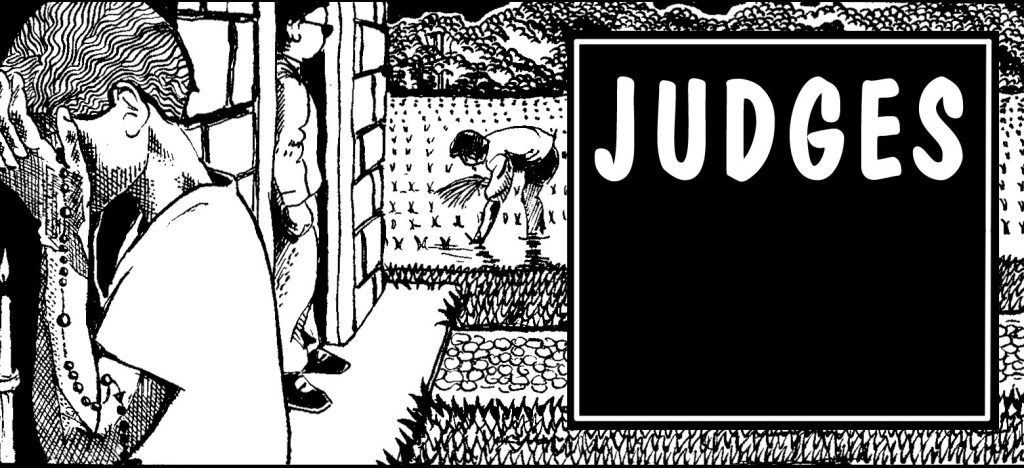
Exodus is the escape from Egypt. It is God’s great exploit in the Old Testament: setting out from a place of slavery to go towards the promised land. God frees his people “with great power, a strong hand and an outstretched arm” which means striking with mighty blows, and opening for them a way through the sea.

Exodus is the heart of the Old Testament and makes it fully relevant in presenting to us a God who frees humankind. This book has given the Jewish religion and later Christian faith a first orientation making them different from all other religions. God does not primarily come in order to be respected or to indicate spiritual paths but rather to choose a people who will allow him to act at the heart of human history. God reveals himself to Moses because he wants to create a nation for himself and it will be Israel.

The Gospels and Christians did recognize in Jesus another Moses who launches a new venture, and in this book they will try to discover symbols of what they are living in the Church: crossing the Red Sea is baptism, the rock from which the spring of water gushes forth is Christ; the Covenant on Sinai anticipates the New Covenant.

In any case we must not forget how the first experience and the significant event all began. The Exodus is first and foremost the liberation of slaves and it is the choosing by God of the Israelites, a genuine liberation which concerns the whole human reality, individual and social. God frees those he wants for himself and Christian liberty will be far removed from what western culture understands by that word.

Exodus and History

The narrations of Exodus abound in beautiful stories but are quite different from what we would have observed had we been there at the time. Great frescoes have been painted, but we would like to know what history would say of them.

All is situated around the year 1240 B.C. a little more than five centuries after Abraham. In the 15th century before Christ, the Egyptians had been conquered by invaders from Canaan who allowed entry into their country to numerous nomads from the desert (see history of Joseph). After two centuries the Egyptians managed to restore their own kings and from that point on the nomads were treated with far less consideration; many fl ed to avoid taxes or enforced labor. Some were banished (Ex 12:31); others escaped under the darkness of night (Ex 12:38).

It is in this context that Exodus is situated. A nomadic group pursued by an Egyptian army detachment is saved by God through an extraordinary intervention. The Israelites saw the Egyptians lying dead on the seashore (Ex 14:30). Moses, a prophet, led the fugitives and interpreted for them this event: Yahweh, the only God, had chosen them to be his people. Moses and his followers were to remain a long time in the oasis of Sinai, and it was there that Moses would give them Yahweh’s law.

History then is found in Exodus, but Exodus relates much more and it is there that history in its modern meaning may not agree with it. For this book is not the work of one author, but rather the result of a long evolution and has been marked by the different ways of recording history in ancient times.

We have mentioned one of these ways in the commentary on Chapter 35 of Genesis: history listened to in groups that passed on orally the past story of their clan. In this way one family has been made up with Moses, his father-in-law Jethro (or Reuel), Aaron, brother of Moses, and Miriam, sister of Aaron and prophetess. There is the memory of links established between Moses and leaders or prophets of other clans. In the same way Mount Sinai has been identified in this account with Mount Horeb and the Mount of God. These were separate holy places, certain traditions of which have been confused. More about this will be discussed later.

Very different is the way history is recorded by the Jewish priests who have given this book its definitive form at the time of the Babylonian Exile. They developed old memories in order to assert, not what had been, but the way the people of Israel should see its past and understand itself. In doing this they showed their contemporaries a way of being the people of God and bearers of history. From there comes the vision of an immense nation already formed, organized, which has its Sanctuary in the desert, its priests, and its foundries that will produce the golden calf. This formidable nation walks as one people, nourished by manna for forty years. It receives its laws which in fact will only be observed five or six centuries later. This entire nation leaves Egypt armed to conquer the Promised Land.

The Living God of the Exodus

So here we are, facing a double history, one of science and one which has formed the conscience of Israel and of Christians. The first shows us how God in fact became part of the greater history. It tells us that his action has been very discreet and we discover his very patient pedagogy. The second helps us realize who we are and what we can fully become in Christ.

However we must not totally separate the two as if all the narration of Exodus was no more than fiction. Let us read a few pages: never would they have been written, and never would they have put weight on the conscience of a nation if they were not a true witness; witness of those who were with Moses and whose experiences were surely exceptional. Otherwise never would there have been either the prophets or the Gospel; witness of those priests or prophets who later would write them, for they too had an experience of the living God, the ‘Savior of Israel’ and because of this they have passed on to us the fire that was lit on Sinai.

Down below are the introductions in the Mandarin Chinese, Tagalog, Cebuano, and Spanish editions.

Translation: Mandarin Chinese

出谷纪:引言

《出谷纪》叙述了犹太人自埃及的解救和回归。这是天主的一次伟大的作为:把以色列人从奴役之地解放至许诺之土。天主以“伟大的力量、强健的臂膀和援救的手”,在海中打开一条生命之路,使祂的子民重获了自由。

《出谷纪》是旧约的中心。这部交响曲般的叙事故事占据着重要的地位,因为这本书向我们展示了一位解救子民的天主。《出谷纪》在整个人类历史中已成为各种“争取人性自由故事”的典范,这包括个人和社会方面的,它打破了专制政权为了搞偶像崇拜所运用的一切迷惑人心的手段。这种迷惑有两方面的可能:一方面是把领袖神化,另一方面是把群众变成禽兽不如的奴隶。然而,获得真正的解放只有一个条件,就是必须肯定解救的主导角色应该归于雅威,否则,这只会变成另一种新的专制政权。因为历史告诉我们,一旦解救者取得权位,把所有功劳归己,他就很容易把自己提升至一个至高无上的地位,为了维持这个状况,他不得不建立一个专统政权,把人民踩至脚下,践踏蹂躏。

在《出谷纪》中,天主的显现绝不是为了增添人类的恐惧感。天主倾听被压迫者的哭喊,并给予他们信心,唤醒他们追求彻底自由的渴望,并且为他们培养出一位宽容大度的领导者。《出谷纪》是人类寻获真正自由解救的典型故事。回忆一下当时的历史情况,能帮助我们进一步理解天主使祂的子民重获自由的深刻意义。

历史情况

从亚伯郎的时代以来,又过了五百年。这期间曾有亚洲的入侵者占据过埃及。无数的沙漠居民随之而至(见若瑟的故事)。后来埃及重新立了自己的国王,对待那些游牧民族就没有那么宽厚了,因而有许多人为了逃避税役和苦役而流亡。有些人遭到放逐(12:31),有些人则利用夜幕低垂的掩护,逃亡他乡异地(12:38)。

其中有一批逃亡者,受到埃及骑兵的追逐,却得到了天主出乎意料、非比寻常的帮助和护佑:以色列人亲眼见了漂浮在海边的埃及人尸体(出14:30)。能使“横渡红海”这个奇迹具有历史意义的,就在于流亡的领袖乃是天主的先知:梅瑟。他把天主这项作为的用意解释给他的族人:雅威,唯一全能的天主,选中了以色列做祂的子民,把他们从埃及的奴役生活中解救出来,让他们在众多民族中成为一支受祝福的神圣民族。梅瑟和他的民众在西乃绿洲中过了好一段时光。在西乃,梅瑟将雅威的法律,即基本的诫律颁布给了他的民众:

雅威,这位善妒的天主,不允许以色列保留任何传统的神,他们必须全心全意地侍奉雅威。

雅威超越了人类对祂的定义,不允许人们用任何形象来代表祂。“你不可造出天主的形象。”

雅威已将征服迦南的使命给了以色列。

于是天主子民悠长的历史以《出谷纪》拉开了序幕。这最初的奇特经历为后来的一系列事迹做了铺路,最后终于使救世主的来临成为可能。

《出谷纪》这部书

像《创世纪》一样,《出谷纪》也并非出自一人之手。

一些游牧民族,为天主的大能做了亲自的见证。在往后的二百年中,他们一如既往地生活着。他们不知道怎样读书或写字,他们就用口述代代相传着天主解救自己民族的美丽故事。

逃离埃及持续了很长一段时间,后来他们回到巴勒斯坦一带,重新和留在那里的其他民族联合起来。然而,他们用自己特有的方式,来传达赞颂着天主施予他们的神奇妙工。有的部落强调这段,有的又强调另一节往事,还依着他们游牧的生活习俗来加以添饰,所以各个支族保留各自的传说:仍然以口述传统的原则方法。后来,这些游牧民族渐渐定居下来,便有专司记录的人把流传的故事记载下来,这些故事中充满天主的仁爱和关切。

最初的记载就成了“原始史料”。从巴比伦流亡归来后,多位作者就选取这些最初的史料,写成今日的《出谷纪》。然而综观这一切,最重要的是犹太民族依旧记得他们祖先和天主的第一次相遇,并发现了他们的天主是一位善心救世的天主。

Translation: Tagalog

Exodo Introduksyon

Ang Exodo ang paglabas mula sa Ehipto. Sa Biblia, ito ang dakilang gawa ng Diyos: ang paglabas mula sa bayan ng pagkaalipin tungo sa lupang pangako. Pinalalaya ng Diyos ang kanyang bayan “nang may malakas na kamay at nakaunat na bisig” sa pagbubukas ng daan sa dagat.

Ang Exodo ang pinakapuso ng Matandang Tipan, at ang paglalahad nito sa atin ng isang Diyos na nagpapalaya sa mga tao ang siyang nagbibigay-kabuluhan dito. Paano ngayon maipaliliwanag ang sinasabi ng napakaraming di-sumasampalataya: “Likha ng takot ang mga diyos”? At idinagdag pa ni Lenin sa kanyang librong “Sosyalismo at Relihiyon”: “Nagtuturo ng pasensya at ng maluwag na pagtanggap ang relihiyon na nagpapatulog sa pangangako ng makalangit na gantimpala sa mga buong buhay na nagpapagal sa paghihirap.”
Pero hindi gayon. Sa Exodo, hindi dumarating ang Diyos para maghasik ng takot kundi pinakikinggan niya ang daing ng bayang api, binibigyan ito ng pagtitiwala, ginigising ang pag-asa sa tunay at ganap na pagpapalaya, at nagpapalitaw ng isang butihing lider. Ang Exodo ang pinakamodelo ng lahat ng tunay na pagpapalaya sa tao.

Para maintindihan ang paglayang ito ng bayan ng Diyos, kailangang alalahanin natin ang pangkasaysayang kalagayan ng panahong iyon.

Mga Bagay-bagay tungkol sa Kasaysayan

Limang dantaon na ang lumipas mula sa panahon ni Abraham. Nagapi minsan ang mga Ehipsiyo ng mga sumalakay rito galing Asia at kasama ng mga itong pumasok ang maraming nomad ng disyerto (tingnan ang istorya ni Jose). Nang maibalik nila sa trono ang kanilang mga hari, minata nila ang mga nomad na ito kaya marami sa mga ito ang tumakas para makaiwas sa mga buwis at sapilitang patrabaho. Ilan sa kanila ang pinalayas (Ex 12:31), at ang iba nama’y tumakas sa dilim ng gabi (Ex 12:38).

Isa sa mga grupong ito na hinabol ng isang pulutong ng mga karwahe ng mga Ehipsiyo ang pinangalagaan ng isang ekstraordinaryong pagkilos ng Diyos: nakita ng mga Israelita ang mga Ehipsiyong patay sa dalampasigan (14:30). Nagkakaroon ng tunay na kahulugan ang milagrong ito ng pagtawid sa Dagat sapagkat si Moises na propeta ng Diyos ang siyang namumuno sa mga takas. Wala sanang mababago sa kasaysayan itong pagpapahayag ng Kalinga ng Diyos kung walang propeta roon – si Moises – para ipaliwanag ang pangyayari: pinili ng kaisa-isahang Diyos na si Yawe ang Israel para maging bayan niya at inilabas ito mula sa pagkaalipin sa Ehipto para gawing bayang banal sa gitna ng iba pang mga bayan.

Ang Exodo o Paglabas mula sa Ehipto ang simula ng kasaysayan ng Bayan ng Diyos.

Matagal-tagal ding nanatili sa mga oasis ng Sinai si Moises at ang kanyang mga kasama. Doon itinadhana ni Moises ang Batas ni Yawe at ang mga saligang kautusan nito:

– Hindi ipinahihintulot ni Yaweng Diyos na Seloso na panatiliin ng Israel ang alinman sa mga diyos nito ayon sa tradisyon kundi siya lamang ang dapat nilang paglingkuran at wala nang iba.
– Sobra-sobra ang kahigtan ni Yawe sa mga ideang gawa ng tao tungkol sa kanya, kaya hindi ipinahihintulot na ilarawan siya sa anumang bagay: huwag kang gagawa ng mga larawan ng Diyos.
– Ipinagkakatiwala ni Yawe sa Israel ang misyong sakupin ang lupain ng Kanaan.

Sa Exodo lamang magsisimula ang mahabang kasaysayan ng Bayan ng Diyos. Binubuksan ng panimulang karanasang ito ang daan para sa iba pang mga karanasan na sasapit sa pinakasukdulan nito balang araw sa pagdating ng Tagapagligtas.

Ang Libro ng Exodo

Gaya rin ng Genesis, ang aklat na ito ay hindi gawa ng “isang” awtor. Sikapin nating unawain kung anong nangyari sa pagitan ng paglaya mula sa Ehipto at sa huling pagsulat tungkol sa mga pangyayari gaya ng nababasa natin sa ating mga biblia sa ilalim ng pamagat na Exodo.

Mga nomad ang mga saksi ng pakikisangkot ng Diyos. Mananatili sila sa ganitong pamumuhay sa loob ng dalawang dantaon pa. Hindi sila marunong bumasa ni sumulat. Sa pamamagitan ng pagbigkas nila isinalin sa sali’t salinlahi ang alaala ng kanilang paglaya.

Pagkatapos ng mahabang pandarayuhan, muli silang sumasama sa ibang mga tribung hindi umalis sa Palestina, at isinasalaysay nila sa kanilang sariling paraan ang mga kahanga-hangang ginawa ng Diyos para sa kanila. May kanya-kanyang paraan ang bawat angkan sa pagbibigay-diin sa isa o iba pang alaala at sa pagdadagdag dito tulad ng ginagawa ng mga nagkukuwento; ganito ang tuntunin ng tradisyong sinasalita. Pagkatapos, maninirahan sila sa mga bayan at lungsod, at sisimulan ng mga manunulat na gawing permanente ang mga salaysay kung saan nakikita ng bawat isa ang pagmamagandang-loob ng Diyos.

Ang mga unang pagsulat na ito ang magiging “mga pinagmumulan” na pagkukunan ng mga huling manunulat pagkabalik nila mula sa pagkaalipin sa Babilonia.

Ngunit sa mahabang pagsulong na ito, ang natatampok sa lahat ay ang pagmamahal ng isang buong bayan sa alaala ng kanilang unang pakikipagtagpo sa “Diyos na nagliligtas”.

Translation: Cebuano

Kalingkawasan sa Ehipto ang Exodo. Alang sa Biblia katingalahan ni nga buhat sa Diyos: ang kalingkawasan sa yuta sa kaulipnan ngadto sa yuta sa saad. Ang Diyos naglingkawas sa iyang katawhan “sa dakong kusog ug sa kamot nga gamhanan” sa pagbukas niyag agianan sa dagat.

Ang Exodo kasingkasing o dugukan sa Daang Kasabotan. Makahuloganon ni, kay gipakita dinhi ang Diyos nga naglingkawas sa katawhan, sukwahi sa giingon sa way pagtoo nga “ang kahadlok momugnag mga diosdios.” Gani si Lenin sa basahon: Socialism and Religion (Sosyalismo ug Relihiyon) mipuno nga ang relihiyon “nagtudlog pailob, pagdawat sa kasakitan ug pag-antos sa kinabuhi. Ug nagpakatulog nila aron molaom lang sila sa langitnong ganti.”
Apan dili ni tinuod. Sa Exodo, wala moanhi ang Diyos aron pagtisok og kahadlok. Naminaw siya sa tuaw sa dinaugdaog ug giulipon aron paghatag og pagsalig, aron pagpukaw sa paglaom alang sa matuod ug linangkob nga kalingkawasan, ug aron pagpagula alang nila og manggihatagong mga pangulo. Ang Exodo sumbanan sa matuod nga tawhanong kagawasan.
Aron masabot ang kalingkawasan sa katawhan sa Diyos, kinahanglang mobalik-lantaw ta sa makasaysayanong kahimtang adtong panahona.

Mga Makasaysayanong Kasayoran

Human sa 500 ka tuig gikan ni Abraham, ang mga Ehiptohanon nabuntog ug gidominar sa pundok sa katawhan gikan sa Asia. Gidala nila ang daghang tribu gikan sa kamingawan (tan-awa ang sugilanon ni Jose). Sa nakaangkon nag balik sa gahom ang mga Ehiptohanon pinaagi sa kaugalingong hari, giulipon nila ang maong mga tribu, ug daghan ini mikagiw aron paglikay sa buhis ug sa pinugos nga trabaho. May gipalayas (Ex 12:31); ang uban miikyas sa kagabhion. (Ex 12:38).

Usa ini nga gigukod sa nagkarwaheng mga Ehiptohanon, gipanalipdan sa katingalahang pagpangilabot sa Diyos: Unya nakita sa mga Israelita ang mga patayng lawas sa baybayon (Ex 14:30). Ang milagro sa paglabang sa Pulang Dagat nahimo tungod sa nangulo sa nangikyas gikan sa Ehipto, si Moises, ang propeta sa Diyos. Gihubad niya kining Diyosnong buhat: Si Yahweh, ang bugtong Diyos, nagpili sa Israel nga maiyang katawhan, ug nagpagawas nila sa kaulipnan sa Ehipto aron pagbalaan nila taliwala sa ubang katawhan.
Ang Exodo, o ang Kalingkawasan sa Ehipto, sinugdan sa kasaysayan sa Katawhan sa Diyos. Si Moises ug ang iyang katawhan nagdugay sa mga tuboran sa Sinai. Didto gihatagan sila ni Moises sa Balaod ni Yahweh uban sa kasugoan: Si Yahweh Diyos nga nagdili sa Israel pagsimba sa mga diosdios; hinunoa, si Yahweh lang ang ilang alagaran.
– Si Yahweh, nga labaw sa bisag unsang mahunahunaan sa tawo, dili buot nga buhatan og bisan unsang imahen o larawan: “Ayaw pagbuhat og kinulit nga mga diosdios…”
– Si Yahweh naghatag nilag misyon pagpanag-iya sa yuta sa Canaan alang sa Israel.

Ang taas nga kasaysayan sa katawhan sa Diyos nagsugod sa Exodo. Kining unang kasinatian nakapaposibli sa ubang kasinatian nga mahatagan lag katumanan sa pag-abot na sa Manluluwas.

Ang Exodo

Ang Exodo gisulat sa tagsulat sa Genesis. Tan-awa ang pasiuna sa Genesis mahitungod sa mga Yahwista, Elohista ug mga Pari.

Angay ba natong toohan nga ang tanang hitabo sumala gyod sa gisaysay sa Exodo? Una sa tanan, tan-awon nato ang pipila ka punto. Ang karaang magsusulat (gitawag og Yahwista sa mga batid sa Biblia) nagsulat sa kasaysayan pinasikad sa nagkalainlaing dokumento nga bililhon sa kasaysayan, bisag may higayon nga ang panghitabo gihulagway pinaagig balak. Ang ubang magsusulat hinuon naggamit sa kagawasan paghan-ay sa istorya ug ang unang gitagad mao ang pagkutlog bag-ong mensahe gikan sa karaang hitabo nga gipili sa Diyos aron pagtudlo ug paglingkawas sa Israel.

Kon mao na, dili ba diay makasaysayanon ang mabasa sa Exodo? Duha ka butang ang sigurado. Una, dili angayng isipon nga insakto ang paghulagway sa situwasyon kondili, pagpahinumdom sa katawhang Hebreo sa gitipigang kasaysayan. Human molabay ang daghang siglo, gipaningkamotan nila pagdiskobre sa kahulogan sa ilang padulngan isip katilingban. Apan sa laing bahin, kining paghulagwaya nga mahimong gipahaom lang o gisayon nga sabton o kaha gihimong mito, salamin sa mga timawa ug dinaugdaog. Dinhi mahibaw-an nila ang mga problema ug mahukman ang ilang paningkamot sa pagpadulong sa tinuod nga kagawasan.

Sa tibuok dagan sa kasaysayan gisublisubli sa mga tagsulat sa Biblia paghisgot ang panghitabo sa Exodo, sa katuyoan nga mapakita kanunay sa paagi sa katawhan giunsa sa Diyos paggiya nila ngadto sa bag-ong kalingkawasan (Is 43:16-19). Sa samang paagi malantaw nato sa Exodo ang unang paghulagway sa pagpakigbisog karon sa Katawhan sa Diyos, ang Simbahan, batok sa panglutos, panaugdaog, pagkabuta; sa kabangis, kahakog, ug kahadlok.

Translation: Spanish

Éxodo es la salida de Egipto, que en la Biblia es la gran hazaña de Dios: la salida del país de la esclavitud en camino hacia la tierra prometida. Dios libera a su pueblo «con gran poder, mano fuerte y brazo extendido», abriéndole un camino en el mar.

El Éxodo es como el corazón del Antiguo Testamento y le da su significado específico al presentar a Dios liberando a los hombres. Este libro ha dado a la religión judía, y después también a la fe cristiana, esa primera orientación que las hizo diferentes de todas las demás. Dios no viene principalmente para exigir que se le respete o para trazar caminos espiritua¬les, sino para escoger, preparar y guiar a un pueblo a través del cual actuará en el corazón de la historia humana.

Los Evangelios primero y los cristianos después reconocerán en Jesús al nuevo Moisés de una nueva partida, y buscarán en este libro las figuras de todo lo que se vive en la Iglesia. ¿El paso del mar? Es el bautismo. ¿La roca de la que mana la fuente? Es Cristo. Y la alianza del Sinaí prepara la Nueva Alianza.
Pero no por eso debemos olvidar el punto de partida. El Éxodo és ante todo la libera¬ción de los esclavos y la elección del pueblo de Israel. Es una liberación auténtica que alcanza a toda la realidad humana, individual y social: Dios libera a los que quiere tomar para sí, y la libertad cristiana estará muy lejos de lo que la cultura occidental entiende con esta palabra.

El Éxodo y la historia

Los relatos del Éxodo abundan en hermosas historias que quedan muy lejos de lo que habríamos contemplado si hubiéramos estado allí presentes. Ante las escenas grandiosas que en él se pintan, nos gustaría saber qué puede decir realmente la historia al respecto.

Todo se enmarca alrededor del año 1240 antes de Cristo, unos cinco siglos después de Abrahán. En el siglo XV antes de Cristo los egipcios habían sido derrotados por invasores venidos de Canaán, pues habían permitido que gran cantidad de nómadas del desierto entraran y se establecieran en el país (ver la historia de José). Al restablecer los egipcios sus pro¬pios reyes, esos nómadas son tratados con muy poca consideración y muchos de ellos tie¬nen que huir para evitar impuestos o trabajos forzados. Unos son expulsados (como en Éx 12,31), otros se fugan aprovechando la noche (como en 12,38).

En este contexto se desarrollan los acontecimientos del Éxodo. Uno de estos grupos, perseguido por un destacamento, de carros egipcios, es protegido por una intervención extraordinaria de Dios: los israelitas vieron a los egipcios muertos a la orilla del mar (14,30). Un profeta, Moisés, guía de estos fugitivos, interpretó para ellos el acontecimiento: Yavé, único Dios, los había escogido para que fueran su pueblo. Moisés y los suyos permanecieron bastante tiempo en los oasis del Sinaí, y allí Moisés les dio la Ley de Yavé.
El libro del Éxodo

Esta historia está en el Éxodo, pero el Éxodo nana también muchas cosas más que no son historia en el sentido moderno de la palabra. Este libro no es la obra de un autor sino más bien el resultado de una larga evolución, y en él se juntan formas muy diversas de entender la historia, propias de aquellos tiempos.

Se encuentra por ejemplo esa clase de historia de la que se habla en el cap. 35 del Génesis y transmitida oralmente en los diversos clanes de nómadas. Así fueron reunidos en una misma familia Moisés, su suegro Jetró, Aarón «hermano de Moisés» y Miriam «la profetisa, hermana de Aarón», y que no eran más que la expresión de los lazos que unían a Moisés con jefes o profetas de otros clanes. Asimismo se ha identificado el Monte Sinaí con el Monte Horeb y el «Monte de Dios», que probablemente eran lugares sagrados diversos cuyas tradiciones se confundieron.

Muy diferente fue el propósito de los sacerdotes judíos, quienes dieron a este libro su forma definitiva en tiempos del exilio a Babilonia. Al desarrollar las tradiciones antiguas no pretendieron narrar la historia de lo que había sucedido, sino más bien hacer presente la visión que el pueblo de Israel debía mantener de su pasado. De este modo trataban de enseñar a sus contemporáneos cómo ellos mismos tenían que seguir siendo el pueblo de Dios y el fermento de la historia. A esos sacerdotes judíos se debe la presentación de los israelitas como un pueblo inmenso ya formado y organizado que sale armado de Egipto para dirigirse a conquistar la Tierra prometida, que tiene un Santuario incluso en el desierto, con sacerdotes y talleres en los que se fundirá el becerro de oro. Ese pueblo inmenso mar¬cha como un solo hombre, es alimentado con el maná durante cuarenta años, y recibe leyes que tan sólo serán observadas algunos siglos más tarde.

El Dios verdadero del Éxodo

Estamos pues confrontados con dos historias: la científica y la que ha formado la conciencia de Israel y del pueblo cristiano. La primera reconoce que allí Dios ha entrado en la Histona; su acción ha sido muy discreta y en esto descubrimos su pedagogía: Dios es muy paciente. La otra nos enseña quiénes somos y solamente la entenderán bien quienes han acogido a Cristo.

Con todo sería un error oponer la una a la otra, como si todo el relato del Éxodo fuera puro cuento. Bastará leer algunas páginas para entender que no habrían sido escritas y no habrían tenido peso alguno en la conciencia de un pueblo si no fueran verdaderos testimonios. Son el testimonio de quienes estuvieron con Moisés y que sin lugar a duda hicieron experiencias excepcionales. Son el testimonio de quienes las escribieron a lo largo de los siglos, ya fueran sacerdotes o profetas, y que también tuvieron una profunda experiencia del Dios Vivo, el libertador de Israel, y a consecuencia de ella nos transmitieron, el fuego del Sinaí.

Introduction to Daniel (Christian Community Bible)

(The Catholic Christian Community Bible [first English edition 1997, other translations into Indonesian, Chinese, Cebuano, Chavacano, French, Ilonggo, Korean, Quechuan, Spanish, and Tagalog] “for the Christian Communities of the Third World” uses the following introduction.)

The Book of Daniel engages the reader’s imagination. We wonder how our ancestors could have been so naive as to believe that an old sage, called Daniel, had described centuries ahead of time all the ups and downs of history at the time of the Maccabees (Dn 11). But it is only an illusion. If we take the book to be historical, everything is unlikely and there are no links among the various chapters, nor any consistency in the person of Daniel, as a child (Dn 13), an adolescent (Dn 1), an adult (Dn 7) or when he is almost a hundred years old (Dn 5). Therefore, we have to find out what the author wanted to say.

The Hasidean Period

The Book of Daniel must have been written around 165 B.C. In all likelihood, its author belonged to the Hasidean (or Hasidim) movement, that began twenty or thirty years before. It was going to renew the Jewish faith and the author was its witness.

To begin with, it seems that religion and faith in Israel had become rigid around the year 200 B.C. For two centuries, there had been a theocracy (a social system led by priests) and people lived in the past: the patriarchs, especially Moses, the laws and a religion planned in every detail with the Temple and its liturgies at the center. Priests were at the top of the social pyramid. Their only concern was to maintain the established order. What about God’s promises and the expectation of a just world? The answer was that these promises had been fulfilled with the return from the Exile: the Temple had been rebuilt, the people observed the Law and there was nothing else to wait for.

However, the people were crushed by the large landowners who had undertaken to pass on the wealth of the country to the kings of Egypt. Yet, the people did not know how to react. Young people, especially priests, were looking for something new and they were only offered what came from Greek culture: sports, art and culture, international relations and money. Their Israelite heritage seemed passé and uninteresting to them. They became caught up in materialism and when the time of persecution came, they were ready to give up their now useless religious heritage.

It was then that the Hasideans (the pious ones) emigrated spiritually and went to the desert where they devoted themselves to praying and inner searching. They went straight to the prophetic books to discover the secrets of God’s work in the present and his plans for the future. Because the priests had forgotten the prophets and, in their eyes, the Scripture that consecrated their preeminence was totally found in the Law, the Canon of the time.

And people were relearning the art of hope. They yearned for revealed wisdom, rather than the wisdom taught in Proverbs and by sages. They cultivated the science of the periods of history. Wasn’t the time when God would reclaim the world at hand? They were no longer satisfied, like the prophets, with an era of justice but instead, they wanted another world, the only definitive world. They no longer accepted to disappear and they began to be interested in the fate of human beings, rather than just in the prosperity of Israel whose days have no end. Moreover, since they recalled the debates of the Greeks about the existence of the soul, they began to believe in the resurrection of the dead.

The Book of Daniel bears witness to this experience and it inaugurated the age of apocalyptic literature. Therefore, it contains secrets although they are not where readers are tempted to look for them. The title “son of man ” the Gospels use for Jesus has its origin from the Book of Daniel (Dn 7:13).

Down below are the introductions in the Mandarin Chinese, Tagalog, Cebuano, and Spanish editions.

Translation: Mandarin Chinese

本书的作者必是一位律法教师,在玛加伯时代的大迫害期间,他激励同胞们以精神来抵抗,而且他一定将自己列入了天主将以特殊方式给予报偿的信仰导师之列(11:33和1:20)。玛加伯家族以武力来对抗压迫者,而律法宗师则对政治和武器持怀疑的态度,提出只要忠于天主的盟约和律法就够了。

本书作者的讯息核心在第7-12章,摘要如下:

1)对犹太人的大迫害是天主救恩计划的一部分;

2)迫害犹太人的列王,特别是安提约古,曾多次以象征手法被提及。虔诚的人民是毁灭不了的;

3)迫害之后,天主的国将来临。

在第1-6章中,作者也用了一些故事,为教导住在异国、侍奉当地君王的犹太人:对于信仰的要求和律法的实践不可有一丝妥协,不论是为求温饱(1:8),还是在拒绝拜偶像方面(第2、6章),都要坚定立场。

是否真有达尼尔此人?

犹太团体在编纂圣经时,没有将本书归入公元前二世纪(即达尼尔所处的时代)的先知书之列,而是放在公元前二世纪有关宗教教诲的书卷中。他们这样做是意识到达尼尔的故事和神视并非史实,只是文学虚构。

在公元前二世纪,这种以天主将当时发生的事件启示给以前的名人的叙述方式是很流行的。他们就这样述说此人的神视,预测发生在当时的事件,告诉我们这位见了异象的人是如何从天主处获得有关这一切的宗教诠释:这是在实现天主的救恩计划。

当时,利用象征性的数字和象征性的颜色(白色是胜利的标志)以及讲述天使干预一类的书籍被称为启示录或默示录。圣经中有两部:达尼尔和若望的默示录。

在东方的作品中,达尼尔是古代圣者的名字(则14:14),从此源头发展出达尼尔这个角色,他是先知,又是圣人,和被流放的人生活在巴比伦。他的言辞和典范是为启发生活在外邦人中间的犹太人的。

书中有三段很有名的经文:

7:9-14提到人子。耶稣说到自己为人子时,曾提及此经文(谷13:26和14:62);

12:13宣告复活;

9:21-27的预言引发了许多对世界末日的看法,但是其中虽提到很多事,却没有真正有关世界末日的。

Translation: Tagalog

Malamang na isa sa mga guro ng Batas ang sumulat ng aklat ni Daniel. Siya ang nagpasigla sa espirituwal na oposisyon ng kanyang bayan sa mga araw ng matinding pag-uusig sa panahon ng mga Macabeo. At tiyak na ibinilang niya ang kanyang sarili sa mga gabay sa pananam¬palataya ng gagantimpalaan ng Diyos sa espesyal na paraan (Dn 11:33 at 12:3). Pinamumunuan ng mga Macabeo ang sandatahang panghihimagsik sa mga maniniil. Subalit dala ng kawalang-tiwala ng mga guro ng Batas sa pulitika at armas, nilimitahan naman ng mga ito ang kanilang sarili sa pagbibigay-halimbawa sa katapatan sa Tipan ng Diyos at sa kanyang mga batas.

Nasa mga kabanata 7-12 ang pinakasentro ng kanyang mensahe, at mabubuod ito sa mga sumusunod:

– bahagi ng planong pagliligtas ng Diyos ang matinding pag-uusig sa sambayanang Judio;

– hindi magtatagumpay sa pagwasak sa bayang sumasampalataya ang mga haring nag-uusig lalo na si Antioko Epifanes na madalas na ginigunita sa malarawang paraan.

Ngunit iniayon din ng may-akda sa kanyang mensahe ang mga kuwentong nasa mga kabanata 1-6. Itinuturo ng mga kuwentong ito sa mga Judiong nakatira sa ibang bansa, at kung minsa’y naglilingkod sa mga hari doon, na sa anumang kundisyo’y hindi nila makokompormiso ang mga hinihingi ng pananampalataya at ang mga kaugalian ng Batas maging tungkol man sa pagkain (1:8) o sa pagtatakwil sa pagsamba sa mga diyus-diyusan (2 of 6).

Totoo ba si Daniel?

Nang tipunin ng pamayanang Judio ang mga aklat ng Biblia, inilagay nila ang Aklat ni Daniel sa mga libro ng ikalawang dantaon bago kay Kristo at hindi sa mga propeta ng ikaanim na dantaon (ang panahon ni Daniel). Hindi isinama sa mga propeta ang libro kundi sa mga akda o sinulat tungkol sa aral panrelihiyon. Ganito ang ginawa nila dahil alam nila ang “kuwento” ni Daniel at ng kanyang mga pangitain ay hindi pagsasalaysay ng naganap na pangyayari kundi kathang pampanitikan.

Dapat nating malaman na sa dalawang dantaon bago kay Kristo, usung-uso ang paraang ito ng pagsasalita tungkol sa kasalukuyang mga pangyayari na para bang ibinunyag ng Diyos ang mga ito sa ilang kilalang tao ng lumipas na panahon. Kayat isasalaysay nila ang mga pangitain ng taong ito, ihuhula ang mga pangyayaring naga¬ganap na sa kasalukuyan, at sasabihin kung paano tinanggap ng nakakita ng pangitain mula sa Diyos ang panrelihiyong pagbibigay-kahulugan ng mga pangyayaring ito: nagkakaroong-katarungan ang planingpagliligtas ng Diyos.

Nang panahong iyon, mayroon silang sining ng paggamit ng mga bilang (tatlo at kalahati, anim, pito, sampu) at mga kulay (ang puti ay tanda ng tagumpay), na may kahulugan at ng pagtulong ng mga anghel. Tinatawag na apokalipsis o pagbubunyag ang klaseng ito ng mga libro. May dalawa nito sa Biblia: ang apokalipsis ni Daniel at ni Juan.

Sa mga akdang Silanganin, ang Daniel ay pangalan ng isang matandang pantas (Ez 14:14). Mula rito’y nabuo ang katauhan ni Daniel na propeta at pantas at nabuhay kasama ng mga ipinatapon sa Babilonia. Layunin ng kanyang mga salita at halimbawa na magbigay-liwanag sa mga Judiong nakikisalamuha sa mga pagano.

May tatlong tanyag na bahagi sa aklat na ito. Nasa 7:9-14 ang tekstong tumutukoy sa Anak ng Tao. Ang tekstong ito ang tinutukoy ni Jesus nang ipakilala niyang siya ang Anak ng Tao (Mc 13:26 at 14:62). Sa isa pang teksto, Dn 12:13, inilalahad naman ang pagbabalita sa pagkabuhay na muli ng mga patay. At pati na ang propesiya sa 9:21-27 na ginagamit sa maraming komentaryo tungkol sa katapusan ng mundo. Pero makikita natin na tumutukoy ito sa maraming bagay liban sa katapusan ng daigdig.

Translation: Cebuano

Dakog purohan nga ang nagsulat sa Daniel usa sa mga magtutudlo sa Balaod. Sa mga adlaw sa grabing panglutos sa panahon sa mga Macabeo, miawhag siya sa iyang katawhan sa espiritwal nga pagsupak. Sigurado nga giapil niya ang kaugalingon nga usa sa mga giya sa pagtoo nga gantihan sa Diyos sa espesyal nga paagi (Dn 11:33 ug 12:3). Gipangulohan sa mga Macabeo ang armadong pakigbisog batok sa mga madaugdaogon. Sa laing bahin, kining nga batid sa Balaod nga matahapon sa politika ug armas, mibutang og utlanan alang sa ilang kaugalingon. Kutob ra sila sa paghatag og panig-ingnan sa ilang kamatinud-anon sa Kasabotan sa Diyos ug sa iyang mga balaod.

Ang sentro sa iyang mensahe makita sa kapitulo 7-12 ug masumada ining paagiha:

– kabahin sa maluwasnong plano sa Diyos ang grabing panglutos batok sa mga Judio;

– dili molampos sa pagdaot sa katawhang matoohon ang mga haring nanglutos, ilabi na si Antioko Epifanes nga sa makadaghan gihinumdoman sa malarawanong paagi;

– paglabay sa taas nga panahon human ang panglutos, moabot ang gingharian sa Diyos.

Apan gipahaom sa mensahe sa nagsulat ang mga sugilanon nga makita sa kap. 1-6. Kining mga sugilanon nagtudlo sa mga Judio nga nagpuyo sa langyawng mga nasod, nga usahay mialagad sa mga hari didto, nga sa bisan unsang kahimtang dili gyod nila makompromiso ang pagtoo ug ang mga tulumanon sa Balaod, bisan kon kini may kalabotan sa pagkaon (1:8) ug sa pagsimba sa mga diosdios (kap 2 ug 6).

Tinuod ba si Daniel?

Ang mga Judio nga mitapok sa mga libro sa Biblia mibutang sa Daniel, dili uban sa mga propeta sa siglo 6 (ang panahon ni Daniel), kondili sa mga libro sa ikaduhang siglo sa wala pa si Cristo. Wala mabutang ang libro nga uban sa mga propeta, apan sa mga sinulat bahin sa relihiyosong pagtulon-an. Gihimo nila kini kay nasayod man sila nga ang “sugilanon” ni Daniel ug ang iyang mga panan-awon dili makasaysayanon, kondili literaryong sugilambong.

Angay natong masayran nga sa mga duha ka siglo sa wala pa si Cristo uso kining matanga sa paghisgot sa mga kasamtangang panghitabo nga daw ang Diyos mipadayag na ini sa usa ka bantogang tawo sa karaang panahon. Busa, ilang hisgotan ang mga panan-awon ining tawhana, tagnaon ang mga panghitabo nga sa kasamtagan nahinabo na, ug unya iasoy giunsa niya pagdawat sa relihiyosong kahulogan ining mga panghitabo gikan sa Diyos: ang maluwasnong plano sa Diyos natuman.

Niadtong mga adlawa, dinhay arteng migawas nga migamit og mga numero nga nagdalag mga simbolo (tulo og tunga, unom, pito, napulo), ug mga bulok nga may simbolo pod (ang puti timaan sa kadaogan), ug sa pag-apil-apil sa mga anghel. Kining matang sa mga libro gitawag og apokalipsis o rebelasyon. Duha ini ang naa sa Biblia: ang apokalipsis ni Daniel ug ni Juan.

Sa mga sinulat sa Silangan, ang Daniel pangalan sa usa ka karaang maalamon (Ez 14:14). Gikan didto mitumaw ang tawong Daniel, usa ka propeta ug maalamon, nga gitoohang nagpuyo uban sa mga bihag didto sa Babilonia. Ang iyang mga pulong ug panig-ingnan nakahatag og kahayag sa mga Judio nga nakiglambigit sa mga pagano.

Adunay tulo ka teksto ining libroha nga ilado kaayo. Sa 7:9-14 makita ang teksto nga naghisgot sa Anak sa Tawo (ang Tawhanong Linalang). Mihisgot si Jesus ining tekstoha dihang gipresentar niya ang kaugalingon nga ang Anak sa Tawo (ang Tawhanong Linalang) (Mc 13:26 ug 14:62). Sa laing teksto, (Dn 12:13), gihimo ang pahayag sa pagkabanhaw sa mga patay. Ang propesiya sa 9:21-27 nahimong dugokan sa daghang komentaryo bahin sa kataposan sa kalibotan. Hinuon, atong makita nga kini nagpasabot og daghang butang gawas sa kataposan sa kalibotan.

Translation: Spanish

El libro de Daniel juega con el lector. Uno se pregunta cómo nuestros padres han podido ser tan ingenuos como para creer que Daniel había descrito, muchos siglos antes, todas las peripecias de la historia en tiempo de los Macabeos (Dn 11). Pero eso no es más que un detalle. Si se lo toma por historia, todo es inverosímil, y no hay trabazón entre los diversos capítulos, ni coherencia en el personaje de Daniel, ya se trate de un niño (Dn 13), un adolescente (Dn 1), un adulto (Dn 7) o un casi centenario (Dn 5). Hay que buscar, por consiguiente, lo que quería decir el autor, y para empezar, las circunstancias que lo movieron a escribir.

Las historias contadas en los capítulos 1-6, que forman una primera parte, son ficticias, a pesar de que resumen y expresan con mucha veracidad experiencias parecidas de los creyenåtes perseguidos. Esta primera parte, como también el capítulo 7, está redactada en arameo, el lenguaje que los judíos adoptaron a partir del siglo IV. Y es imposible confundir estas historias con las visiones que forman los capítulos 7-12.

Esta segunda parte pertenece a la literatura apocalíptica floreciente en los dos siglos anteriores a Jesús. Esta clase de revelaciones siempre se atribuía a personajes famosos del pasado. Lo mismo que había un apocalipsis de Noé, otro de Henoc, otro de Isaías, también éste se atribuía a Daniel, un sabio famoso (Ez 14,14). Los maestros judíos de aquel tiempo, pues, no colocaron el libro entre los profetas antiguos, sino entre los últimos escritos de la Biblia.

Las controversias en torno al carácter propio del libro de Daniel se deben en parte a las teorías respecto a un tiempo “intertestamentario” entre el Antiguo y el Nuevo Testamento, teorías que ya no se pueden sostener sin negar las evidencias.

Si aceptamos que el libro fue escrito en tiempo de los Macabeos, poco antes de la paz provisoria que los judíos consiguieron en el año 171 antes de Cristo, debemos concluir que su mensaje, sus cifras, sus visiones, sus aparentes secretos se refieren a esos años. Y aquí surge otra dificultad con los párrafos 7,9-14 y 9,20-27, como lo notaremos en el comentario. Será ésta la ocasión para conocer mejor la profecía bíblica.

Los capítulos 13-14 de Daniel forman una tercera parte. Sólo se encuentran en la Biblia griega y fueron añadidos posteriormente. Los integraron sin dificultad en el libro, pues eran del mismo tenor que las historias que ocupan los capítulos 1-6: por ficticias que sean, nos ayudan sin embargo a reconocer la justicia de Dios en la realidad sucia de la vida diaria.

El autor de Daniel: el tiempo de los Asideos

Con mucha probabilidad el autor pertenecía al movimiento de los asideos (o Hassidim), nacido unos veinte o treinta años antes, que iba a renovar la fe judía. Y pintó a Daniel como un testigo de la fe de los asideos.

Desde hacía dos siglos (desde Esdras) la provincia de Judá vivía bajo un régimen político dirigido por sacerdotes y sólo se hablaba de mantener las instituciones del pasado. El cimiento de la comunidad era el culto del Templo. Los sacerdotes dominaban la pirámide social y sólo se pensaba en mantener el orden establecido.

Pero Dios ¿no había prometido tiempos nuevos, un mundo de justicia? La respuesta oficial se daba en las Crónicas: las promesas de Dios se habían cumplido con el regreso del exilio y la reconstrucción del Templo. ¿No se debía esperar un Mesías? Por supuesto que aguardaban tiempos mejores, pero dicha esperanza bien poco se traslucía en la vida religiosa.

Importantes cambios políticos y culturales, sin embargo, afectaban a la provincia judía. Los generales de Alejandro se habían repartido las provincias persas. Palestina constituía la parte norte del lote atribuido a los Lágidas de Egipto, a la frontera de las tierras de los Seléucidas de Siria. Mientras los grandes propietarios saqueaban las riquezas del país por cuenta de los soberanos de Egipto, los jóvenes, los sacerdotes sobre todo, se dejaban convencer por las novedades de la cultura griega: el deporte, el arte, las relaciones internacionales y el dinero. Su herencia israelita les parecía pasada de moda y se volvían materialistas..

Es entonces cuando los asideos (los piadosos) emigran espiritualmente o van al desierto. Allí se consagran a la oración y la búsqueda interior. Van a los libros proféticos para encontrar los secretos de la acción de Dios y sus proyectos para el porvenir. Porque los sacerdotes habían olvidado a los profetas y para ellos la Escritura estaba antes que nada en la Ley.

Los asideos aspiran a una sabiduría revelada, no a la que enseñan los sabios. Cultivan la ciencia de las épocas: ¿no está próximo el tiempo en que Dios volverá a tomar en sus manos las riendas de la historia? Ya no se contentan con la era de justicia a que aspiraban los profetas; quieren otro mundo, el único definitivo. No se interesan solamente por la prosperidad de Israel, sino por la suerte final de los individuos y, como han leído las discusiones de los griegos sobre la existencia del alma, se empieza a hablar de una resurrección de los muertos.

Éste es el momento en que los soberanos de Siria quieren imponer a sus pueblos una religión única y empiezan las persecuciones y la rebelión de los Macabeos. El autor del libro de Daniel ha sido testigo de estas tragedias y su fe lo mueve a escribir: escribirá un apocalipsis.

La hora de los apocalipsis

Los apocalipsis son una forma de literatura de la que se tienen ejemplos en la Biblia (Za 12-14), pero más todavía en los escritos judíos de los dos siglos anteriores al evangelio. Todos pretenden revelar el sentido de la historia que se está viviendo y la meta hacia la que se dirige. Al final, siempre hay un juicio de Dios que inaugura cielos nuevos y tierra nueva.

Apocalipsis quiere decir: revelación. Al autor no le parece malo o falso atribuir esa revelación a uno de los grandes profetas del pasado. Luego, hará lo necesario para que dicha revelación sea digna de Dios y de su contenido. Es divina, por eso todo será revelado por ángeles; habla de un juicio, por tanto habrá clamor de trompetas, truenos, fuego y granizo... Se transmiten misterios divinos, por eso será conveniente usar un lenguaje grandioso y expresar todo lo que se puede con figuras y símbolos: los colores, las cifras tendrán un valor simbólico.

Es necesario saber estas cosas para no buscar secretos donde no hay. El autor del presente libro lo dijo todo en algunos párrafos de los capítulos 7, 9 y 12, y los incrustó en las largas descripciones de los capítulos 7-12. Ahí dio a entender bajo diferentes formas que Dios había ordenado el curso de la historia; las persecuciones presentes eran las últimas antes de la venida del reino del Pueblo de Dios, y entonces habría una resurrección de los muertos. No pudo dar este mensaje sin que apareciera en su libro, especialmente en 7,14, el nombre y la personalidad divina de Cristo -- a pesar de que, seguramente, nunca tuvo una idea clara de quién sería el Mesías.

Introduction to James (Christian Community Bible)

(The Catholic Christian Community Bible [first English edition 1997, other translations into Indonesian, Chinese, Cebuano, Chavacano, French, Ilonggo, Korean, Quechuan, Spanish, and Tagalog] “for the Christian Communities of the Third World” uses the following introduction.)

Is this James, the “brother of the Lord”? He is barely mentioned in the Gospel (Mk 6:3), and yet, a few years after Pentecost, appears as the leader, we might say the bishop of the Jerusalem community. Then, when the Gospel spread, it seems he was viewed as the one responsible for all Christian communities having a majority of Jews, which were established in Palestine, Syria and Cilicia (see Acts 15:13-29).

Of all the apostles, he was the most attached to Jewish traditions (the extreme opposite of Paul). In speaking to the faithful in Jerusalem, he taught them simple, practical things, inspired by the wisdom of the Old Testament. We hear the echo of his Sunday preaching in this letter addressed to the Christians of Jewish origin living in his huge diocese.

They are called “the twelve tribes scattered among the nations,” a name which was given to Jews who had settled outside their homeland. The letter was probably written between the years 50 and 60 after Christ.

Since the letter does not contain much doctrinal teaching, some people have looked down on it. It does in fact contain very valuable and relevant moral teaching, especially in reference to justice.

Down below are the introductions in the Mandarin Chinese, Tagalog, Cebuano, and Spanish editions.

Translation: Mandarin Chinese

这位雅各伯,“主的兄弟”是谁?福音书中很少提到他,,除了提到他的母亲(谷6:3,15:40和16:1),然而,他却享有复活耶稣的特别显现(格前15:7)。五旬节之后的几年中,他以领袖的姿态出现,可以说他是耶路撒冷教区的主教。很有可能是伯多禄授权于他,当时,随着福音的传播,他似乎被看成是所有基督徒团体的负责人,其中大部分团体成员是犹太人,分布在巴勒斯坦、叙利亚和基里基雅(宗15:13-29)。

在所有宗徒中,他最谨守犹太传统,和保禄正好相反。不过,后者即使批评雅各伯周围人的某些做法,对他本人,保禄却持有绝对的尊重。雅各伯教导耶路撒冷的信徒简单和实际的事物,其中的灵感得自旧约的智慧。在给居住在广大教区之内的犹太基督徒的信中,我们可以听到他在安息日传道的回响。

他们被称为“散布在万国的十二支派”,这个名称用来称呼那些在自己家园之外安身的犹太人。这封信的写作年代可能是在公元50-60年之间。

这封信并没有太多教义性的内容,所以遭到一些人的轻视。实际上它包含着非常宝贵、意义重大的道德训诲,特别是有关正义方面。

Translation: Tagalog

Sino itong si Jaime, ang “kapatid ng Panginoon?” Halos hindi siya nababanggit sa Ebang¬helyo (Marcos 6:3), ngunit magkagayunman, ilang taon makaraan ang Pentekostes, lumitaw siya bilang namumuno, at maaaring sabihing siya ang obispo ng pamayanang Jerusalem. Pagkatapos, nang lumalaganap na ang Ebanghelyo, waring siya ang itinuturing na may kina¬laman sa lahat ng pamayanang Kristiyano na ang nakararami ay mga Judio, na itinatag sa Palestina, Siria at Cilicia (tingnan ang Gawa 15:13-29).

Sa lahat ng apostol, siya ang lalong napailalim sa mga tradisyong Judio (na kabaligtaran ni Pablo). Sa pagpapahayag niya sa mga mananampalataya ng Jerusalem, tinuruan niya ang mga iyon ng mga payak at praktikal na bagay, na pinasigla ng karunungan ng Matandang Tipan. Naririnig natin ang alingawngaw ng kanyang pangangaral kung Linggo sa liham na iniukol niya sa mga Kristiyano ng lahing Judio na naninirahan sa kanyang malaking diyosesis.

Tinatawag ang mga ito na “labindalawang lipi na ikinalat sa mga bansa,” isang pangalang ikinapit sa mga Judio na namalagi sa labas ng bayang tinubuan. Sinulat marahil ang liham sa pagitan ng mga taong 50 at 60 pagkasilang ni Kristo.

Sapagkat hindi nagtataglay ang liham ng mga pangangaral ng doktrina, hinamak iyon ng iba. Ngunit, ang totoo, ang liham ay nagtataglay ng pinakamahalaga at makabuluhang katuruang moral, laluna ang may kinalaman sa katarungan.

Translation: Cebuano

Kinsa si Jaime, ang “igsoon sa Ginoo”? Panagsa ra siyang hisgotan sa Ebanghelyo (Mc 6:3), apan sa pipila ka tuig human sa Pentekostes, mitumaw siya isip pangulo, ang obispo sa katilingban sa Jerusalem. Unya, sa mikaylap na ang Ebanghelyo, giila siyang responsabli sa tanang Kristohanong katilingban, kadaghanan mga Judio nga natukod sa Palestina, Siria, ug Cilicia (tan-awa ang Mga Buhat 15:13-29).

Sa tanang Apostol, siyay labing nalambigit sa mga tradisyon (ang kaatbang nga lahi ni Pablo). Sa pakig-istorya niya sa mga magtotoo sa Jerusalem, nagtudlo siya sa mga yano ug praktikong butang dinasig sa Kaalam sa Daang Kasabotan. Atong mabati ang kalanog sa wali sa Dominggo sa iyang sulat nga gipadala alang sa mga Judiong Kristyanos nga nanimuyo sa dako niyang dyosesis.

Sila “ang 12 ka tribo nga nakatag sa tanang kanasoran” – ang ngalan nga gihatag sa mga Judio nga nagpuyo gawas sa yutang natawhan. Gibanabana nga nasulat ni sa mga tuig 50-60 human sa kamatayon ni Jesus.

Kay ang maong sulat wala man maghisgot og mga doktrina, nagkamenos ini ang ubang tawo. Apan sa pagkatinuod naghupot ni sa bililhon ug haom nga pagtulon-ang moral, ilabina bahin sa hustisya.

Translation: Spanish

¿Quién es Santiago? Con toda probabilidad este nombre se refiere a Santiago, hermano del Señor. Fue favorecido con una aparición privada de Jesús resucitado (1Co 15,7) y al parecer fue a él a quien Pedro confió la Iglesia de Jerusalén (He 12,17; 15,13; 21,18) en el momento de pasar a la clandestinidad. Posteriormente fue considerado como el responsable de todas las comunidades cristianas de mayoría judía establecidas en Palestina, Siria y Cilicia (véase He 15,13-29).

Esta carta es el escrito del Nuevo Testamento que denota el mayor parentesco con el Evangelio de Mateo, aun cuando se traten temas que son comunes a todos los escritos apostólicos; se encontrarán en particular los ecos del Sermón del monte. Lo que revela de las comunidades judías de Palestina y de Siria complementa y corrige la imagen que se pudiera tener de ellas, si se atiene a las dificultades que experimentaban muchos de sus miembros para liberarse de la ley de Moisés. La carta de Santiago recuerda, al igual que el Evangelio de Mateo, que la Ley educa para la libertad (2,12). A su manera es un verdadero camino (2,8) para los que buscan la perfección.

Uno de los puntos de esta carta que más ha llamado la atención es la insistencia muy fuerte de Santiago en la inutilidad de la fe que no se traduce en obras (2,14-26). Esta in sistencia contrasta con las afirmaciones de Pablo quien, especialmente en Gál 5 y Rom 4, afirma que somos salvados por la fe y no por las obras. Es imposible negar la intención de corregirse el uno al otro; más aún, un estudio comparado de las epístolas obliga a decir que Santiago conocía la primera carta de Pablo a los Corintios cuando escribió la suya, y que Pablo, a su vez, conoció la carta de Santiago antes de responderle en Gálatas y en 2Corintios.

Los textos de los Hechos relativos al concilio de Jerusalén invitan a no acentuar en demasía la oposición entre ambos (véanse las notas de He 15); Pablo, que critica duramente el entorno de Santiago, parece que tuvo por él personalmente más que un simple respeto. Santiago, al dirigirse a los fieles de Jerusalén, enseña cosas sencillas y prácticas, inspiradas en la sabiduría del Antiguo Testamento. La religión auténtica se reconoce en la forma de vivir y de tratar a los que nos rodean.

La carta de Santiago, habida cuenta de lo que acabamos de decir, debe haber sido escrita el año 56 o 57. Se sabe que Santiago murió apedreado el año 62.

Introduction to 1 Chronicles (Christian Community Bible)

(The Catholic Christian Community Bible [first English edition 1997, other translations into Indonesian, Chinese, Cebuano, Chavacano, French, Ilonggo, Korean, Quechuan, Spanish, and Tagalog] “for the Christian Communities of the Third World” uses the following introduction.)

When the Sacred books began to be organized, the Mosaic books were followed by a history of Israel that went from the Book of Joshua to the Book of Kings. Their authors shared the prophets’ views that were also those of Deuteronomy: God made a covenant with Israel, gave it the land, provided that Israel would remain faithful to the covenant. In the course of the centuries, there were more and more infidelities and this is why the two kingdoms, Israel and then Judah, lost their land. Yet, after the disaster, there was still hope. God did not go back on his promise: the land of Palestine and the Temple of Jerusalem remain at the center of God’s plan and the conversion of the people will usher in a new age.

In the fifth century, this hope encouraged those who were returning from the Exile, as well as the last prophets. Then, with Zerubbabel, Nehemiah and Ezra, the Temple and the city were rebuilt and the cult was reorganized. Time was passing by and the Jewish community was getting used to being just a province of the Persian Empire: it was satisfied with having imposed its own identity under the leadership of its priests. This is when the books of the royal period seem dated.

People no longer expected anything from the kings and priests had full authority… There was no interest in the history of the kingdom but rather, in the roles that priests had in it. The Mosaic books were rewritten to put the laws dealing with worship in the first place and this type of work continued until the contemporary period, that is to say, Ezra’s reform. The history of Israel will take its readers from Moses, who foresaw everything, to Ezra, who reformed everything, by way of holy King David who established the liturgy.

The Book of Chronicles was written in this setting. The book is full of genealogies since the religious status of priests depended on their family of origin. Therefore, we should not be surprised by the fabulous genealogies at the beginning of the book. It is full of extraordinary numbers (this was also the case of Numbers with the 600,000 men of Exodus). This history is only interested in the Kingdom of Judah as it ignores or condemns a priori everything the others tribes of Israel had experienced.

Did the authors want Chronicles to replace the previous books that we have mentioned? God did not allow that to happen and Chronicles simply completed Samuel and Kings. They even preserved strange traditions that the latter ignored. At times, they show the narrow-mindedness that characterizes people who live for one or two principles. But they also offer us a grandiose vision of the worship of God, a people’s prayer and the conviction that this chosen people can and must have its own identity. Among other things, we will notice this conviction: unity constitutes both the richness and the first obligation of the people of God, that is to say, the condition for our obedience to God to be authentic. This assertion is still valid for the Church of Christ.

Down below are the introductions in the Mandarin Chinese, Tagalog, Cebuano, and Spanish editions.
Translation: Mandarin Chinese

编年纪上:引言

现在分为上下两篇的《编年纪》,很可能成书于公元前四世纪,在犹太人遭流放归来之后。与本书同时写成的有《厄斯德拉书》和《乃赫米雅书》,试比较《编年纪》最后几节的文字与《厄斯德拉书》的开篇叙述。

本书就如同第二次的尝试:再次讲述从元始到犹太王国时期的圣史。第一次的尝试已在列王和先知时代进行过了。本书囊括的范围更加广泛,我们可以在先前的几本书,从《创世纪》一直到《列王纪》中读到。《编年纪》的作者再一次叙述过去的事件和回忆,是为了告诉人们:犹太人民的未来取决于他们对梅瑟律法是否忠诚;对敬拜的法规是否遵循。

当时已不复存在一个独立的犹太国家,只能说它是波斯帝国里的一个自治省。人民对“神权统治”的渴望在升腾,也就是说,人民渴望天主的王国,一个由司祭借天主的名统治的国家。人民试图忘记给他们留有足够自由空间的波斯行政官员,而组织起一种围绕圣殿和梅瑟律法的国家生活。他们期待着“达味之子”的到来。他们说:“如果全国人民有条不紊地遵行律法,总有一天默西亚会来临。”

这就是作者为什么特别对达味后裔-犹大列王的历史感兴趣的原因。他给了我们一长串名单,追溯达味的祖先直到亚当,但只字未提大多数子民生活其间的以色列王国,因为那时以色列已从达味王国中分离出去了。作者给了我们许多色彩纷呈的细节,都是在《撒慕尔纪》和《列王纪》中找不到的内容。但总体看起来,他的故事似乎既虚假又乏味,更有甚者,作者受激情驱使,喜欢用庞大的数字,以致有时为了支持自己的观点,扭曲了真实(试比较列上22:30和编下20:35;撒下12:31和编上20:3)。

作者对犹太人民讲话,并竭力使之相信:除非他们紧密团结于信仰中,扎根于国土上,遵守律法,服从司祭,在耶路撒冷圣殿全身心地敬拜;否则,他们既得不到祝福,又没有未来。总之,天主子民必须统一,有着可见的等级制。

我们读此书能从中获得什么启示呢?那就是在每一页上都能找到的确信:信徒除了实现天主的意愿,不能有别的企望,然后胜利就会赐给你。这对基督的子民更是一种提醒:虽然他们现在生活在芸芸众生之中,他们仍不该也不会抛弃使命,因为他们是天主在人前的代表。

Translation: Tagalog

1 Mga Kronika Introduksyon

Para sa mga may gusto sa atin na malaman ang kasaysayan ng Israel, walang itinuturong bago ang Mga Kronika. Muli lamang isinusulat dito ang naisalaysay na sa mga libro ni Samuel at ng Mga Hari. Nasa paraan lamang ng pagpili sa mga pangyayari at sa paglalahad ng mga ito ang kaibahan.

Gustong ipakita ng sumulat ng Mga Kronika na nakasalalay sa katapatan sa Batas ni Moises at sa mga kautusan sa pagsamba ang kinabukasan ng sambayanang Judio.

Dahil sa kanyang panahon, hindi isang bansang malaya ang mga Judio, kundi parang isang malayang probinsya na lamang ng imperyo ng Persia. At may lumalaking pagnanasa sa kanila na maging isang “teokrasya,” na ibig sabihi’y isang kaharian ng Diyos na pinamumunuan ng mga pari sa kanyang pangalan. Sinisikap nilang kalimutan ang mga Persianong tagapamahala na hinayaan silang magkaroon ng sapat na kalayaan, at inoorganisa nila ang buhay ng bansa na sa Templo at sa Batas ni Moises nakasentro. Sa paghihintay nila sa pagdating ng “Anak ni David,” nakagawian na nilang sabihin: “Kung sa buong maghapon ay ganap na susundin ang Batas sa buong bansa, tiyak na darating ang Mesiyas.”

Kaya halos sa kasaysayan lamang ng mga hari ng Juda na mga inapo ni David interesado ang awtor. Bagamat ibinibigay niya sa atin ang listahan ng mga ninuno ni David, na pabalik pa hanggang kay Adan, wala naman siyang binabanggit na kataga man lamang tungkol sa kaharian ng Israel kung saan nabuhay ang karamihan sa bayang pinili, dahil hiwalay ito sa kaharian ni David. Maraming makukulay na detalye ang ibinibigay sa atin ng awtor na wala sa mga libro ni Samuel at ng Mga Hari, pero sa kabuua’y para bang di kapani-paniwala at nakakasawa para sa atin ang kanyang salaysay. Isa pa’y nadadala siya ng masigasig niyang pananampalataya, mahilig siya sa malalaking numero at pagkaminsa’y iniiba niya ang katotohanan para bigyang-diin ang gusto niyang sabihin (paghambingin ang 1 H 22:50 at 2 Kro 20:35, 2 S 12:31 at 1 Kro 20:3).

Ano naman ang mapapala natin sa pagbasa sa aklat na ito? Matutunghayan natin sa bawat pahina ang katiyakan na hindi dapat magkaroon ng ano pa mang ambisyon ang bayang sumasampalataya liban sa pagtupad sa kalooban ng Diyos: darating na lang ang iba pang mga tagumpay bilang regalo. At ipinaaalaala rin nito sa atin na hindi dapat iwala ng bayan ni Kristo ang pagiging orihinal at bukod-tangi, sa kabila ng kawalan nito ng mga nakikitang hangganan at di pamumuhay nang hiwalay sa gitna ng ibang mga tao upang mapalahok sa masa. Hinding-hindi ganap na makakahawig sa di-sumasampalataya ang sumasampalataya, ni maging katulad na katulad sa takbo ng isip. May sarili siyang misyon at iniingatan niya ang nakikitang pagkakaisa ng Iglesya sa paligid ng mga inilagay ng Diyos sa kanila para maging mga kinatawan niya.

Translation: Cebuano

Kon gusto tag dugang pang kasayoran sa kasaysayan sa Israel, ang Kronikas dyotay rag ikatampo: halos tanan nga gisaysay dinhi nasulat na sa Samuel ug sa mga Hari. Ang kalainan lang mao ang paagi sa pagpili sa mga hitabo ug sa pagpadayag ini.

Buot ipadayag sa tagsulat ining basahona nga ang kaugmaon sa katawhang Judio nag-agad sa kamaunongon sa Balaod ni Moises ug sa gilatid nga tulumanon sa pasimba.

Niining panahona, ang mga Judio dili na gawasnong nasod, apan lalawigan sa Persianong imperyo, bisag gihatagan silag dyotayng awtonomiya. Dako kaayo ang ilang pangandoy nga mahimong “Teyokrasya,” sa ato pa, gingharian sa Diyos nga magmando sa ngalan sa Diyos pinaagi sa kaparian. Ilang gisulayan nga dili lang manumbaling sa Persianong administrador nga naghatag nilag kagawasan sa pagpalambo sa nasodnong kinabuhi alirong sa Templo ug sa mga balaod ni Moises. Kanunay silang naglantaw sa pag-abot sa “anak ni David” ug sagad moingon: “kon hingpit lang nga motuman ang tanang katawhan sa Balaod, bisag sa usa ra ka adlaw, nan, moabot gyod ang Mesiyas.”

Mao man gani nga interesado kaayo ang tagsulat sa paghatag og dakong gibug-aton sa kasaysayan sa gingharian sa Juda nga kaliwat ni David. Gihatag sa tagsulat ang taas nga talaan sa katigulangan ni David, sukad ni Adan, apan wala niya hisgoti ang gingharian sa Israel diin namuyo ang kadaghanan sa piniling katawhan, kay ang Israel mibulag man sa gingharian ni David.

Daghang mabulokan nga mga detalye ang gisaysay sa tagsulat nga dili mabasa sa Samuel ug sa Mga Hari, apan sa kinatibuk-an, ang iyang istorya morag sumada ug dili nato katoohan nga mosaysayg dagkong mga numero, usahay tuison ang panghitabo, aron lang paglig-on sa buot niyang ipasabot (itandi ang 1 H 22:30 ug 2 Kro 20:35; 2 S 12:31 ug 1 Kro 20:3).

Unsay makuha natong kaayohan pagbasa ining basahona? Sa matag panid, makita ang hugot nga pagtoo, nga ang matoohong katawhan kinahanglang walay laing tinguhaon gawas sa pagtuman sa kabubut-on sa Diyos; ang ubang kadaogan naangkon kay gihatag ni isip gasa. Dugang pa, nagpahinumdom ni natong kristyanos nga bisag wala tay makita nga mga utlanan karon, ug wala magpuyo nga himulag sa ubang katawhan, kinahanglang dili ta malimot sa atong sinugdan, aron masagol ta ug dili mahilayo sa katawhan. Kinahanglan nga ang mga magtotoo dili gyod hingpit nga mahisama sa walay pagtoo, ni hingpit nga mahisama ang ilang panghunahuna. Aduna silay kaugalingong misyon, ug maglantaw kanunay alang sa makitang kahiusa sa simbahan, diin gipahimutang sa Diyos ang iyang mga tinugyanan.

Translation: Spanish

INTRODUCCION A LAS CRÓNICAS

En un primer momento las Crónicas parecen no contener muchas cosas que no hayamos leído en los libros anteriores, especialmente en los libros de Samuel y de los Reyes. La diferencia está en la manera de presentar los hechos.

Cuando regresaron los judíos deportados a Babilonia, Judá no era más que una provincia del imperio persa, pero la reforma de Esdras había hecho de los sacerdotes la única autoridad de la provincia judía. Los sacerdotes ahora quieren una historia de Israel que conduzca a sus lectores desde Moisés, que lo ha previsto todo, hasta Esdras, que ha reformado todo, pasando por el santo rey David que ha organizado y codificado la liturgia. Todo gira en torno al templo de Jerusalén y la vocación única del pueblo judío. El autor no quiere negar las faltas del pasado, pero sobre todo se necesitan grandes ejemplos; la vida y la obra de David y de Salomón, pues, recibirán un trato especial y serán escritas como una “vida de santos”, quedándose como figuras ejemplares.

Éste es el marco en que se escribieron las Crónicas. Un libro plagado de genealogías, porque entre los sacerdotes la posición dependía de la familia donde uno había crecido. No deberían extrañarnos, por tanto, las genealogías fabulosas con que comienza la obra: la genealogía de David se remonta ¡hasta Adán! Un libro lleno de cifras fantásticas (como los Números o como los 600.000 hombres del Éxodo). Una historia que sólo se ocupa del reino de Judá, olvidando o condenando a priori todo lo que había pasado en las otras tribus de Israel: en cuanto se separaron del centro elegido por Dios, perdieron el beneficio de sus promesas.

Las Crónicas, redactadas con toda probabilidad al final del siglo cuarto, siempre han sido consideradas como un libro reservado a los estudiosos y apenas encontraron un lugar en la liturgia judía. Hoy en día, para el lector que se toma la libertad de pegar un triple o cuádruple salto por encima de las listas interminables de nombres, deben su sabor a las numerosas tradiciones curiosas que han sabido conservar.

El libro manifiesta a veces una estrechez de espíritu propia de personas que viven de uno o dos principios. Pero también nos ofrece una visión grandiosa del culto de Dios, de la oración de un pueblo, de la convicción que el pueblo elegido debe tener de su propia identidad. Insiste, entre otras cosas, en que la unidad es a la vez la riqueza y la obligación del pueblo de Dios, condición para que la obediencia a Dios sea auténtica. Para nosotros la ciudad de Jerusalén y el Templo único han sido sustituidos por la Iglesia única. Ninguno de los que se buscan iglesias a su gusto podrá leer este libro sin sentirse interpelado.

Introduction to Zechariah (Christian Community Bible)

(The Catholic Christian Community Bible [first English edition 1997, other translations into Indonesian, Chinese, Cebuano, Chavacano, French, Ilonggo, Korean, Quechuan, Spanish, and Tagalog] “for the Christian Communities of the Third World” uses the following introduction.)

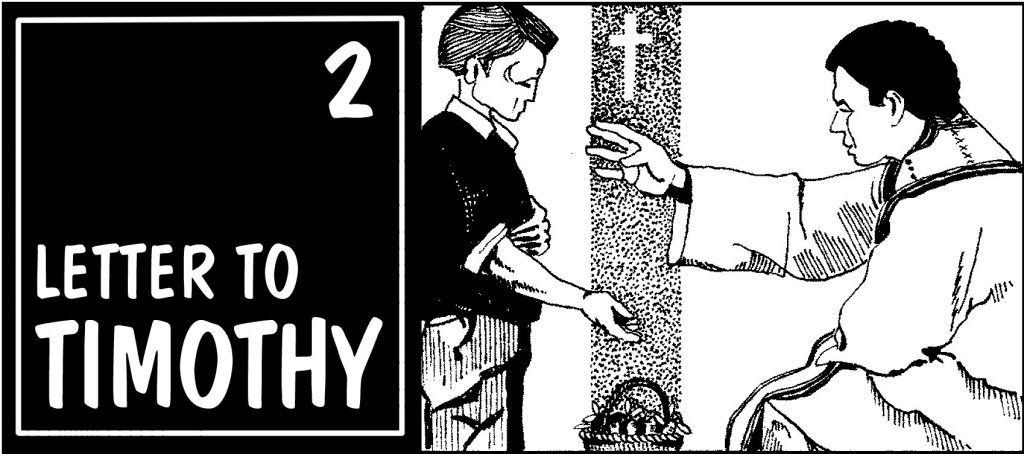
Like Haggai, Zechariah took part in the “restoration” of God’s people and the Temple, when the Jews returned from Babylon (520 B.C.).

When they returned from exile, the fabulous promises of the prophets while they were captives in Babylon were not fulfilled (see Is 40-55). So they continued to hope. Zechariah sees their building of the Temple as a symbol: a new age has begun and the Lord is preparing for the day of his salvation. The visions found in the first six chapters teach the Jews who are gathered round their Temple, that they must be watchful and wait for the Day of the Lord.

The Second Part of the Book of Zechariah

Chapters 9–14 are the work of another prophet who lived two centuries later, possibly when the famous conqueror, Alexander, came to the Eastern countries. He teaches the Jews that they must not be afraid: the victory of God and the coming of his kingdom will take place in the midst of very painful events.

Down below are the introductions in the Mandarin Chinese, Tagalog, Cebuano, and Spanish editions.
Translation: Mandarin Chinese

在犹太人刚从巴比伦回国时(公元前520年),匝加利亚和哈盖一样参与了振兴天主的子民和圣殿的重建工作。

当他们被困巴比伦时,先知们作了美妙的许诺。流放归来后,这些许诺并没有实现(依40:55)。因此,他们继续期望着,匝加利亚将他们建圣殿看作一种象征:新的时代开始了,上主在为救赎的日子作准备。前六章的神视教诲聚在圣殿中的犹太人,要他们警醒着,等待雅威日子的到来。

匝加利亚书第二部

9-14章是另一位先知的作品,这位先知晚匝加利亚两百年,可能是在大名鼎鼎的征服者亚历山大到东方国家之时。他告诉犹太人不要害怕:天主的胜利和王国的来临将发生在非常痛苦的时刻。

Translation: Tagalog

Tulad ni Ageo, nakibahagi rin si Zacarias sa “muling pagtatayo” sa bayan ng Diyos at sa Templo, nang kauuwi pa lamang ng mga Judio mula sa Babilonia (520 bago kay Kristo).

Sa pag-uwi nila mula sa pagkatapon, hindi nagkatotoo ang kahanga-hangang mga pangakong binitiwan ng mga propeta sa panahon ng pagkabihag nila sa Babilonia (tingnan ang Is 40-55). Kaya patuloy silang umaasa, itinuring naman ni Zacarias bilang isang sagisag ang muling pagtatayo ng Templo: nagsimula na ang isang bagong panahon. at naghahanda si Yawe para sa araw ng kanyang ganap na pagliligtas. Ang mga pangitaing bumubuo sa unang anim na kabanata ay nagtuturo sa mga Judiong nagkakatipon sa kanilang Templo na kailangan silang maghintay at maging listo para sa Araw ni Yawe.

Ang Ikalawang Bahagi ng Lihro ni Zacarias

Ang mga kabanata 9-14 ay gawa ng ibang propeta na nabuhay makalipas ang dalawang dantaon, maaaring sa panahon ng pagdating ng kilalang mananakop na Alejandro sa mga bansa sa Silangan. Itinuturo ng propetang ito sa mga Judio na hindi sila dapat matakot: magaganap sa gitna ng napakasakit na mga pangyayari ang tagumpay ng Diyos at ang pagdating ng kanyang paghahari.

Translation: Cebuano

Sama ni Ageo, si Zacarias miapil sa pagtukod pag-usab sa katawhan sa Diyos ug sa Templo, dihang mibalik ang mga Judio gikan sa Babilonia (520 B.C.).
Dihang mibalik sila gikan sa pagkabihag, ang mga dagkong saad nga gihimo sa mga propeta samtang didto pa sila naulipon sa Babilonia, wala matuman (tan-awa ang Is 40:55). Busa, nagsigi silag paabot. Nakita ni Zacarias nga timaan ang ilang pagtukod pagbalik sa Templo: bag-ong panahon ang nagbanagbanag, ug ang Diyos nangandam sa adlaw sa Iyang talagsaong kaluwasan. Ang mga panan-awon nga makita sa unang 6 ka kapitulo, nagtudlo sa mga Judio nga nagtapok sa ilang Templo, nga magtukaw sila ug maghulat sa Adlaw sa Ginoo.

Ang Ikaduhang Bahin sa Libro ni Zacarias

Ang kapitulo 9-14, mga buhat sa laing propeta nga nagpuyo sa ulahing duha ka siglo – posibli sa panahon nga ang inila nga manggugubat, si Alejandro, miadto sa mga nasod sa Silangan. Nagtudlo siya sa mga Judio nga dili sila angayng mahadlok: ang kadaogan sa Ginoo, ug ang pag-abot sa iyang Gingharian mahitabo taliwala sa sakit nga mga hitabo.

Translation: Spanish

Al igual que Ageo, Zacarías participó en la «restauración» del pueblo de Dios y del Templo, cuando recién regresaban de Babilonia los judíos (520 antes de Cristo).

A su vuelta del destierro no se habían cumplido las estupendas promesas hechas por los profetas en el tiempo que estaban cautivos en Babilonia (ver Is 40-55). Por tanto, seguían esperando. Zacarías considera la reconstrucción del Templo como un símbolo: un tiempo nuevo ha empezado, y Yavé se prepara para el día de su trascendental sal vación.

Las visiones que ocupan los seis primeros capítulos enseñan a los judíos reunidos en torno a su Templo que deben esperar, atentos, el Día de Yavé.

La segunda parte del libro de Zacarías

Los capítulos 9-14 son obra de otro profeta que vivió dos siglos después, muy posiblemente cuando el célebre conquistador Alejandro llegó a los países de Oriente. El enseña a los judíos que no deben asustarse: la victoria de Dios y la venida de su Reino tendrán lugar en medio de acontecimientos muy dolorosos.

Introduction to Proverbs (Christian Community Bible)

(The Catholic Christian Community Bible [first English edition 1997, other translations into Indonesian, Chinese, Cebuano, Chavacano, French, Ilonggo, Korean, Quechuan, Spanish, and Tagalog] “for the Christian Communities of the Third World” uses the following introduction.)

Proverbs and Wisdom

The word of God came to the people of Israel in different ways. We have already dealt with the origin of the prophetic and historical books: they arose from the prophets’ preaching and from the reflection of religious circles on the history of Israel.

However, other believers preferred to meditate on human behavior, the vicissitudes of life, the different fortunes of those who are irresponsible and those who control their desires. In particular, they wanted to understand God’s justice in this world.

The wisdom of people of all times has developed around these themes. We hear about Chinese wisdom, Hindu wisdom… Yet, the wisdom of the Middle East may have come first. There had been an abundance of wisdom writings for almost thirty centuries before Christ both in Egypt and Mesopotamia (as we know, Palestine is between the borders of these two countries).

The Jewish people were profoundly marked by this wisdom which shines through almost all the parables and’“sayings” of Jesus who was formed at that school.

This literature, what the religious community has preserved and accepted, is no less the word of God than the prophetic books. Even if, at times, this wisdom seems a bit pedestrian and utilitarian, it does attest to many convictions of the Jewish and the Christian faiths, namely, as human beings, we are responsible for our actions; experience is a teacher of truth and it is the touchstone of what sages have declared; God created the world and he reveals himself in his creation. Finally, our wisdom has its limits and beyond that, we can only put our trust in the justice and the providence of God.

The greater part of the Book of Proverbs is very old (chapters 10–31). The first section (chapters 1–9), however, is much more recent, around the second century before Christ. There we find a meditation on the Wisdom of God, from which all human wisdom proceeds. The height of this contemplation on divine Wisdom is found in the famous eighth chapter.

Down below are the introductions in the Mandarin Chinese, Tagalog, Cebuano, and Spanish editions.

Translation: Mandarin Chinese

天主的圣言以各种不同的方式传达给以色列子民,我们已经说过先知书和历史书的来由:前者起自先知的布道,而后者则是源于对以色列宗教历史的回顾。

但另有一些人从不同的角度出发,对反思人类本身的行为表示了更大的兴趣:人生的辗转起落,财富的得与失,丧失责任的人和克己的人命运各有不同。他们最关心的是:这个世界上到底有没有正义?

世世代代,各民族的智慧书大多是围绕着这些主题。我们听说过中国的和印度的智慧书,但中东的智慧书应是最古老的。在埃及和美索不达米亚两地(巴勒斯坦正处在这两国的边端),智慧书籍的写作远在公元前三千年就已开始。后来以色列的智慧书也出现在这个文学潮中。所罗门王召集了第一批“智者”。他们的首批作品在很大程度上(如书中10-30章)受到埃及和其它邻国文化的影响。

谈及这些章节的作者,我们必须记住:他们只是把当时流行的“箴言”加以编辑而已。但这些著作对后代道德观念的发展及道德构架的形成起了决定性的作用。这些智慧通过耶稣的比喻和讲道深深影响了那个时代的犹太人。

由宗教团体保存并整理出来的这些书,与先知书一样是天主的工程:是另一种圣言,它从另外一个角度表达了生命和信仰。

《箴言》中的精彩部分已相当古老(10-31章)。第一部分(1-9章)是较后期的作品,成于公元前二世纪左右。我们从这部分可以发现对天主智慧的默想,人类所有的智慧都是由此诞生并发展的。对这神圣智慧的沉思,在最著名的第8章中,达到最高点。

Translation: Tagalog

Mga Kasabihan Introduksyon

Ang salita ng Diyos ay dumating sa bayan ng Israel sa iba’t ibang paraan. Nasabi na natin na nagsimula ang mga aklat ng mga propeta at mga aklat ng kasaysayan sa pangangaral ng mga propeta at sa pagninilay sa kasaysayan ng Israel ng mga mulat sa kalagayan ng relihiyon.

Subalit may mga tao ring may kakaibang saloobin. Mas interesado silang pagnilayan ang asal ng tao, ang pakikipagsapalaran sa buhay, ang papel ng kayamanan, at ang magkaibang kapalaran ng iresponsable at ng nakapangyayari sa kanyang mga pagnanasa. Higit sa lahat, pinakamahalaga sa kanila ang malaman kung may katarungan nga sa mundong ito.

Sa ganitong mga paksa nabuo ang pangmadlang karunungan ng lahat ng bayan ng anumang panahon. May nababalitaan tayong karunungang Intsik, karunungang Hindu… Tiyak na nauna ang karunungan ng Gitnang Silangan kung panahon ang pag-uusapan. Tatlumpung siglo bago kay Kristo, laganap na ang mga kasulatan tungkol sa karunungan sa Ehipto at Mesopotomia (at alam nating ang Palestina’y nasa pagitan ng mga hangganan ng dalawang bansang ito). Mahabang panahon pa ang lumipas bago tumubog ang mga Israelita sa ganitong agos ng panitikan na tinatawag na “pangkarunungan”: tinipon ni Haring Solomon ang mga unang “pantas”. Ang mga unang gawa nila (tulad din ng Mga Kabanata 10-30 ng Kasabihan) ay maraming hiniram sa mga naunang gawa ng mga taga-Ehipto at sa iba pa.

Walang gaanong ginawa ang mga manunulat na ito kundi i-edit ang mga “kasabihan” o “salawikain” ng pangmadlang karunungan. Ngunit ang kanilang mga sinulat ay tutulong sa pagsisikap na mapalago ang kaalaman at kamalayan sa kagandahang-loob ng mga salinlahing darating. Sa panahon ni Jesus, nakakintal na sa isipan ng bayang Judio ang karunungang ito na ang ningning ay nakikita sa lahat ng mga talinghaga at kasabihan ni Jesus.

Kung paanong salita ng Diyos ang mga aklat ng mga propeta, gayon din ang literaturang ito na iningatan at kinilala ng sambayanang panrelihiyon. Ibang klase lamang ito ng salita na nagbibigay ng ibang liwanag sa buhay.

Napakatanda na ang mas malaking bahagi ng aklat (kab. 10-31). Mas huli naman ang unang bahagi (kab. 1-9), mga ikalawang dantaon bago kay Kristo. Napapaloob dito ang pagninilay sa Karunungan ng Diyos, na siyang bukal ng lahat ng karunungan ng tao. Nasa tanyag na ika-8 kabanata ang pinakasukdulan ng pagninilay na ito.

Translation: Cebuano

Ang pulong sa Diyos nakutlo sa katawhan sa Israel sa lainlaing paagi. Napadayag kanato sa unsang paagi nagsugod ang mga basahon sa propeta ug kasaysayan. Nagsukad ni sa wali sa mga propeta ug sa pamalandong sa kasaysayan sa Israel sa matoohon.

Apan may mga tawo sab, nga lahig nadawat nga mga gasa, kinsa may dakong kaikag sa pagpamalandong sa mga gawi sa tawo; sa iyang kalamposan ug kapakyasan, sa iyang panglantaw sa bahandi, sa lainlaing padulngan adtong mapasagaron ug mapugnganon sa ilang mga tinguha. Ang unang gihatagag pagtagad mao ang pagtuki kon naa bay hustisya ining kalibotana.

Ang kaalam nga motumaw sa tanang katawhan sa bisag unsang panahon, naglibot ining maong mga tema. Ingon sab ini ang mga Israelita. Sa nahamutang na sila sa pagpuyo sa ilang yuta, may migula sab nga mga magsusulat sa panahon ni Solomon, ug nakahimog unang mga basahon sa mga sanglitanan ug mga panultihon. Dinhi nagsugod ang mga basahon sa Kaalam diha sa Biblia.

Sama sa mga basahon sa mga propeta, kining matanga sa mga sinulat pulong gihapon sa Diyos: lahi nga matang sa pagtan-aw sa kinabuhi. Wala ni maghisgot sa kaugmaon ug sa padulngan sa katawhan sa Diyos, apan naghatag og giya ug kahayag alang sa mas husay ug hataas nga ang-ang sa pagpuyo sa kinabuhi.

Ang mas taas nga bahin sa basahon sa mga Panultihon, karaan na kaayo (mga kapitulo 10-31). Ang unang bahin hinuon (mga kapitulo 1-9) bag-o pa lang nga nasulat, mga duha ka siglo sa wala pa si Cristo. Diha makita ang pamalandong sa Kaalam sa Diyos, diin nagsukad ang tanang kaalam nga tawhanon. Ang kinatumyan ining pamalandong sa diyosnong Kaalam mabasa sa nabantog nga ikawalong kapitulo.

Translation: Spanish

El libro de los Proverbios es, junto con el de Qohelet, el testimonio más característico de la “sabiduría” hebrea. Es uno de los que mejor encarna un espíritu opuesto o complementario al que inspiró los libros de los profetas o de los sacerdotes. Puede causar admiración o indiferencia; pero ha gozado siempre de una popularidad excepcional tanto en el mundo monástico como en el pueblo cristiano más sencillo.

Los Proverbios no son extraños a la literatura profética; en Jeremías especialmente, pero también en Isaías y Amós, muchos pasajes son del mismo tenor: véase Jer 17,1-18. Los Salmos, a su vez, se alimentan tanto de la corriente profética como de la tradición de los sabios. No obstante, uno se siente aquí en otro mundo y la oposición de esas dos corrientes nos ayuda a captar mejor aspectos esenciales de la Biblia.

En primer lugar hay que recordar que la cultura hebrea era esencialmente oral, y así fue hasta la época del Evangelio, aun cuando fueran incontables los documentos escritos. Para nosotros lo oral es algo frágil y deformable; decir que la tradición se transmitió oralmente antes de la redacción de lo escrito, es como poner en duda su veracidad. No pasaba lo mismo en la cultura hebrea en la que las formas de la poesía, de la declamación, o de la memorización permitían fiarse de lo oral.

En tales condiciones, si bien el estudio de los proverbios de la Biblia pone de manifiesto puntos de contacto con tal o cual escrito de sabiduría de los pueblos vecinos, especialmente de Egipto, no llega sin embargo a lo esencial. La base de los proverbios es una sabiduría popular en la que desaparecen los autores. Sirac lo recalca: “El hombre instruido entiende una palabra sabia, la aprecia y le agrega otra” (Si 21, 15).

El pueblo tiene su propia experiencia de Dios y de la vida, que no es la de los sacerdotes ni la de los profetas. Aquí no hay necesidad de ellos, y aun cuando se crea en su inspiración, se ve la vida y la relación con Dios sin depender siempre de la alianza de Dios y sus oráculos. Estamos en un mundo laico en el que se sabe que la piedad no basta, que la estupidez es una gran miseria, que en la vida hay que saber defenderse, que el hombre es reconocido por sus cualidades humanas, y que la nobleza del alma vale más que todos los discursos.

No hay que extrañarse, pues, si los libros de sabiduría de la Biblia coinciden a menudo con la sabiduría de otros pueblos de todos los tiempos y parece que no se elevan mucho, religiosamente hablando. Esto no impide que expresen las certidumbres fundamentales de la fe judía y cristiana: el hombre es responsable de sus actos; la experiencia es la que nos lleva a la verdad y es la piedra de toque de lo que afirman los sabios; Dios ha ordenado el mundo y se revela en la creación; nuestra sabiduría tiene límites y más allá de su dominio sólo podemos confiar en la justicia y en la providencia de Dios.

Introduction to Ephesians (Christian Community Bible)

(The Catholic Christian Community Bible [first English edition 1997, other translations into Indonesian, Chinese, Cebuano, Chavacano, French, Ilonggo, Korean, Quechuan, Spanish, and Tagalog] “for the Christian Communities of the Third World” uses the following introduction.)

Should we speak of a “letter” from Paul? The letter to the Romans was already for the most part, a theme on faith and salvation. Here it is even more so: no news, no personal message for a particular community, but once more a lengthy dwelling on world salvation. It was, doubtless, destined for the Churches of the Ephesus area.

Why the world, what is happening to humanity? Every day the same question confronts us with more insistence, in the measure that recent years have seen mass movements on the part of very diverse peoples. Even those eager to dominate know they can no longer do so unless they speak for the majority. Where is salvation for humanity? What is its future? Paul answers from his prison in Rome. As we know from (Acts 28:16 and 30), Paul was prisoner in Rome during the sixties. In this capital of the only world known to the West, he had ample leisure to evaluate the doctrines then circulating throughout the Roman Empire. They came from the Middle East where they were of special concern for the Christians in the region of Ephesus. Just as other religions claimed to offer a universal way of salvation, they offered Christ, as the only savior of the one humanity.

This letter to the Ephesians seems to have been written after the one to the Colossians. Paul again takes up and develops God’s plan that he must have understood through a revelation. The world was created for humankind to enable it to emerge as the New Human, one family in Christ. All will find themselves, each one in place, around a person capable of welcoming all, each in his own fullness.

Some people think the letter to the Ephesians is not Paul’s: how could he speak in an impersonal way to a community where he had worked for more than two years, approximately from 55 to 57 AD? As we have said, the letter must have been addressed, not only to the Christians of Ephesus, but more widely to the communities of the valley of Lycus: Hierapolis, Laodicea (Col 4:13 and 16) and Colossus which had been evangelized by Paul’s companions, in particular by Epaphras (Col 1:7).

Others think that the questions raised are more suited to a time later than Paul’s: like the letters of Titus and Timothy, this would be his only in a very broad sense. When one is aware of the very low level of Christian literature, immediately after the death of the apostles, it is difficult to accept that a letter of such theological certitude and of such doctrinal worth could have matured in someone other than Paul, even if he had left the writing of it to one of his disciples, Tychicus (Eph 6:21) or Timothy (Col 1:1).

Down below are the introductions in the Mandarin Chinese, Tagalog, Cebuano, and Spanish editions.

Translation: Mandarin Chinese

我们是否该视这篇为保禄的“书信”呢?保禄在罗马书中长篇论述了信德和救恩的主题。在厄弗所书里更是如此:没有专门传达给某个教会,某个人的消息和叮嘱,作者再度长篇强调人类的救恩。这点极可能是针对厄弗所地区的教会而写的。

为什么讨论世界?为什么讨论人类往何处去?因为随着近年来各式各样的族群被视为一“整体”,这些问题便紧随着我们了。那些渴望掌权执政的人,也懂得必须代表大多数人说话,否则无法掌权。那么人类的救恩在哪里?人类的前途又如何?保禄从罗马的狱中给了我们回答。

宗徒大事录的记载(28:16至30节)已告诉我们,保禄曾于公元六十年间在罗马入狱。在这个西方世界公认的唯一世界首都中,他有足够的时间权衡当时流行于罗马帝国的各种宗教学说。它们来自中东,为厄弗所地区的基督徒所关注。当别的宗教理论声称已为人类开启了救恩之道时,他们宣布基督为整个人类的唯一救主。

厄弗所书似乎写在哥罗森书之后。保禄就自己从一次启示中所理解的天主计划再度作了发挥引申。世界乃为人而造,为使每个人成为“新人”,成为基督家庭中的一员。每个人都将找到自己的位置,各取所需,各自达到完满。

有些人认为厄弗所书不是保禄写的。对一个他曾工作于其中两年以上的教会团体(公元55至57年),保禄说话的口气怎么如此陌生呢?其实这些书信并非仅仅写给厄弗所教会的教友,还写给更广大地区的基里基雅教友:例如耶辣颇里,劳狄刻雅(见哥4:13和16)以及哥罗森地区。保禄的同伴,特别是厄帕夫辣曾在这些地区宣讲过福音。(哥1:7)。

也有些人以为此篇所论的问题,更像是保禄致命后时代的问题,像弟铎书和弟茂德书;只有从广义处着眼,才可说此篇为保禄之作。宗徒们过世之后,教会的文学水准曾十分抵拙,很难想像如此一篇立论坚定、内容丰富深奥的信会出自别人的手笔。然而这篇书信的写作风格与保禄的前几篇确有不同,可能是因为此篇书信曾经过希苛(弗6:21)或弟茂德(哥1:1)等人的修改。

Translation: Tagalog

Palatandaan ng kasalukuyan ang pinag-iibayong sama-samang pagpupunyagi ng mga tao na magkaisa, at kasabay nito, ang pagkakahati ng mundo sa malalaking grupong nakikipagpaligsahan sa isa’t isa. At may tunggalian dahil nga sa di-maiiwasang pangangailangan na pumunta sa pagkakaisa, at iba’t iba pa ang kanilang mga kuru-kuro tungkol sa huling adhikain: saan ba galing ang mundo? Saan ba papunta ang sangkatauhan?

Nang mapreso si Pablo sa Roma, kapitolyo ng Kanluran, nagkaroon siya ng pagkakataong pakinggan at suriin ang mga doktrinang nanggagaling sa lahat ng sulok ng daigdig. At sinimulan niyang sagutin ang mga katanungan sa sulat sa mga taga-Colosas.

Ngunit sa sulat sa mga taga-Efeso, na ginawa pagkatapos ng sa mga taga-Colosas, sumulat muli si Pablo, nang mas matindi kaysa dati, tungkol sa plano ng Diyos. Nilikha para sa atin ang mundo upang makalitaw ang Bagong Tao, upang maging isang pamilya kay Kristo. Makakatagpo ng buong sanlibutan ang isa’t isa -- bawat isa’y may kanyang sariling lugar -- sa persona ng Diyos na makayayakap sa kanila sa walang-hanggang pag-ibig.

Muling tinatalakay ng sulat sa mga taga-Efeso ang maraming bahagi ng sulat sa mga taga-Colosas, ngunit waring sinulat ito sa kakaibang mga kalagayan.

Di tulad ng mga sulat sa mga taga-Roma, taga-Colosas… hindi tumutugon ang Efeso sa mga alalahanin ng isang komunidad na nakakakilala sa apostol at nakikilala din niya. Sa halip, isa itong dokumentong ipinadadala sa mga komunidad upang pagnilayan ng mga mananampalataya ang kanilang sariling pagka-Kristiyano. Kinakailangang maunawaan ng mga taong ito – ang karamihan sa kanila’y di personal na nakilala si Jesus o ang mga apostol niya – ang tampok na lugar ng Iglesya Katolika sa plano ng Diyos.

Ang sulat bang ito ay ginawa ni Pablo o ng isa sa kanyang mga alagad? Ipinapalagay ng marami na tumutugon ang Efeso sa mga alalahaning angkop sa mga unang taon pagkamatay ng mga apostol tulad ng mga sulat kay Timoteo at kay Tito. Kaya maaaring sinulat ito pagkamatay ni Pablo. Ngunit kapag nakita natin ang mababang panliteraturang uri ng pagsulat ng mga Kristiyano ng unang siglo at ng kanilang mabuway na teolohiya, hindi kapani-paniwalang ang ganito kagandang paglagom ng pananampalatayang Kristiyano ay magagawa nang wala si Pablo. Sa maraming bahagi nito, kinukumpleto at pinupunuan ng Efeso ang masasayang pananaw na ibinigay sa Roma.

Translation: Cebuano

Sa atong panahon karon, naay hiniusang paninguha sa katawhan alang sa kahiusa. Bisag nag-anam na nig kaylap, sa samang higayon, nagkakusog ang pwersa sa panagbahin sa kalibotan, diin naay palabwanay sa usag usa ka nasod. Anaay mga panagbangi, kay bisag nakita nila ang panginahanglan alang sa kahiusa, lainlain ang pagsabot unsay kataposang tumong. Diin gikan ang kalibotan? Asa ni paingon?

Dihang napriso si Pablo sa Roma, ang ulohang syudad sa kasadpang kalibotan, nakahigayon siya pagpaminaw ug pagtimbangtimbang sa mga pagtulun-an nga naggikan sa lainlaing dapit sa kalibotan. Ang mga pangutana gisugdan niya pagtubag sa sulat alang sa taga Colosas.

Apan ining sulat alang sa taga Efeso, nga ulahing nasulat kay sa Colosas, kusganong gisubli pagsulat ni Pablo ang laraw sa Diyos. Ang kalibotan gibuhat alang nato aron mogula ang Bag-ong Tawo sa usa ra ka banay ni Cristo. Ang tanang kaliwat sa katawhan magkahiusa – ug sa tagsa tagsa ka dapit – hiusahon ang tanan sa walay kinutobang gugma sa Diyos.

Gisubli dinhi ang gihisgotan sa sulat alang sa taga Roma ug Corinto. Ang Efeso wala magtubag sa konkretong mga problema sa mga katilingban nga nakaila sa apostol ug nailhan sab niya. Dokumento hinuon ni nga gipadala sa lainlaing simbahan aron makapamalandong ang mga magtotoo sa ilang pagkakristyanos. Daghan nila ang wala makaila ni Jesus ug sa apostoles sa personal gyod, ug angay nilang masabtan pag-ayo unsa ang batakang misyon sa katolikong Simbahan diha sa laraw sa Diyos.

Si Pablo ba ang nagsulat ini o usa niya ka kaabag? Daghan ang naghunahuna nga ang gitubag sa maong sulat mao ang mga pangutana nga migula sa unang mga tuig human sa pagkamatay sa apostoles (sama sa mga sulat ni Timoteo ug ni Tito). Busa, nasulat ni human na sa pagkamatay ni Pablo. Hinuon, nakita nga ang mga sinulat sa unang kristyanos, bakikawng pagkasulat ug dili kaayo siguro sa ilang teyolohiya ug panglantaw. Apan ang talagsaong kahanas nga gipakita ining sulata ug ang katakos ini sa paghimog klarong sukaranan sa Kristohanong pagtoo, dili mahimo kon wala si Pablo. Ang daghang bahin sa Efeso mitibuok ug mibalansi sa mga panglantaw nga dili kompletong napadayag sa sulat alang sa taga Roma.

Translation: Spanish

¿Se podría hablar de una «carta» de Pablo? No hay noticias, ni un mensaje personal para una comunidad determinada, sino una larga exposición sobre la salvación del mundo, como en la carta a los Romanos. Según toda probabilidad esta carta no iba dirigida a los cristianos de Éfeso, sino a las comunidades vecinas situadas en el valle del Licus: Hierápolis, Laodicea, y que Pablo no había evangelizado personalmente. Según algunos testimonios esta carta estaría destinada a los Laodicenses (Col 4,16).

La provincia romana de Asia (la de Éfeso) en ese tiempo se desarrollaba entre un hormigueo de religiones nuevas que pretendían abrir a todos un camino de salvación; era por tanto necesario dar a los cristianos una visión más amplia de la esperanza de la que eran portadores. ¿Hacia dónde iba la humanidad? ¿es Cristo el único salvador?

Son las mismas preguntas que se presentan de manera cada vez más insistente, a medida que se ve en estos últimos años como una coagulación de los más diversos pueblos. Los que desean dominar sólo pueden hacerlo presentándose como portavoces del conjunto. ¿Hay algún camino o esperanza para el hombre?

Pablo responde desde la prisión. Como recuerdan Los Hechos (cap. 24-26), Pablo estuvo prisionero en Cesarea los años 58-60 y durante este tiempo las noticias que recibía de las comunidades de la región de Éfeso hicieron madurar en él una nueva presentación de la obra divina.

Retoma y desarrolla el plan de Dios que, desde tiempo atrás, había comprendido en una revelación. Cristo, el Primogénito de Dios, está en el centro, y el mundo fue creado para que en él emerja el Hombre Nuevo, una sola familia en Cristo. Todo cristiano está llamado a vivir desde ya ese llamado a una vida santa y responsable.

Esta carta a los Efesios es gemela de la carta enviada por Pablo a los Colosenses juntamente; un mismo mensajero las llevó a las dos comunidades junto con la misiva destinada a Filemón (Col 4,2; Filem 2).

Algunos piensan que la carta a los Efesios no es de Pablo: ver al respecto la Introducción a las Cartas de la Cautividad. Es difícil pensar que una carta de semejante seguridad teológica y riqueza doctrinal haya podido madurar en algún otro que no fuera Pablo, aunque otros, sea Tíquico (Ef 6,21) o Timoteo (Col 1,1) hayan tomado parte en su redacción.

Introduction to Leviticus (Christian Community Bible)

(The Catholic Christian Community Bible [first English edition 1997, other translations into Indonesian, Chinese, Cebuano, Chavacano, French, Ilonggo, Korean, Quechuan, Spanish, and Tagalog] “for the Christian Communities of the Third World” uses the following introduction.)

Leviticus is in the middle of the five books making up “the Law,” the heart of the Old Testament. It gets its name from the fact that it focuses especially in the ministry of the Levite priests, and the core of the book is the law of holiness. This tells us what God demands of the people who are privileged to belong to him, both in terms of their worship and of their daily lives.

This is enough for us to situate the book. We will better understand these laws and liturgical regulations, which are characteristic of ancient times, if we are willing to remember that holiness –- in the biblical sense, is just as real for us now. Holiness is one of the keys to knowing God and it helps us to understand our special vocation as a holy people. We can never overstate the fact that God embraces all of creation in his love, that God is present in it and in the lives of peoples, that God is very close to us “in secret” (Mt 6:6). Neither should we forget that God is “holy,” that is to say, totally distinct from creation and that his mysterious personality is incredibly beyond anything we can imagine. If God has called us to believe in his Only Son, our mission cannot be confused with any of the paths of wisdom that humankind has ever known: God has chosen us for his own “amazing and mysterious” work. Today though we are no longer bound by the countless liturgical or sociological precepts of the Law, these pages tell us again that we have been set apart in order to serve as leaven.

The spirit of the Law never changed after the revelation made to Moses, and became its foundation. However, many developments and adaptations did take place. The “Mosaic books,” as they are called, reach us in the state in which they were fixed by the Jewish priests of the fifth century before Jesus, at the time of the return from the Exile.

Previously, the influence of the prophets made itself felt. They were asking for a more dynamic faith, an awareness of the demands of justice inscribed in the Covenant and a struggle against alienating foreign influences. They were also speaking about preparing the future. But after the Babylonian captivity, Israel’s need to affirm its identity in order to face up to the trials of the nation, brought about a conservative trend that would become increasingly stronger in the course of time. Thus, many Jews went back to a religious conservatism made of rituals and traditions that Jesus would severely condemn (Mt 23).

These laws form part of the Scriptures and therefore they are the word of God. But they are words of God addressed to a people who had not yet received Christ. If we receive these words, it does not mean we should put them into practice just as they are since we have passed the first stage of human and religious formation of the Old Testament. In his letters, Paul attacks those who did not want to go beyond the customs and feasts of the Jews (Col 2:16), as well as those who primarily saw God’s word as laws to be observed (Gal 3:1-7). On the other hand, Jesus invites us not to lose anything of the spirit that inspired these laws (Mt 5:17-19).

Down below are the introductions in the Mandarin Chinese, Tagalog, Cebuano, and Spanish editions.

Translation: Mandarin Chinese

肋未纪是组成“梅瑟五书”的中心,是旧约的基础。它的名字来自承担司祭之职的肋未支派,本书的宗旨是神圣的律法,它告诉我们至圣的天主怎样要求有幸作祂子民的以色列人,在日常生活中要遵守的规范。

对这些繁杂的律法条目,现今的我们要比前人更能理解它们。圣经所说的圣洁,对任何时代的任何人都是有效的。它是打开通往认知天主的大门的钥匙之一,它也帮助我们懂得什么是作为神圣子民的特殊圣召。

我们从不过分渲染天主无边无际的大爱:祂爱每个受造物;祂临在于我们近旁;祂和我们“秘密相聚”(玛6:6),因为祂是“圣的”,是与我们完全不同的“另一位”,祂的神秘性远远超越我们能想像的范围。祂召叫我们信祂唯一的圣子,于是,我们的使命与人类的智慧所能达到的范畴(chóu)之间有了天壤之别:天主亲选我们,这一事实令人震惊,并充满神秘。即使今天的我们与律法书中的千百条礼仪戒律相去甚远,但此书仍一遍遍告诉我们:我们之所以被拣选,是因为我们要成为世上的盐,人间的酵母。

天主显现,授予梅瑟戒律。之后,律法的精神始终未变,只是有了相应的发展,使之与各种情况相适应。比如:“梅瑟五书”,是公元前五世纪的犹太司祭们从流放地归来后编写而成的。

先前,先知的言语起到很大的作用。他们要人们怀着活泼的信仰,要时刻牢记盟约中对正义的要求,要坚决抵抗外来的各种影响,还讲到要为未来做准备。

但历经流放至巴比伦后,另外一种要求变得更加迫切:面对民族受到的考验,人们需要肯定他们的身份,于是在以色列诞生了保守主义的思潮,并随着岁月的流逝而加强。许多犹太人固守一种宗教礼仪的传统,致使耶稣严厉地指责他们(玛23)。

这些法律是圣经的一部分,因此是天主的圣言。这是天主对那些还未认识基督的先古民族说的话,那时他们的信德根基还没有牢固,信德尚未成熟。但对于今天的我们来说,这些法律就不再有法律的权威性,我们亦不必像古犹太人那样对此奉行不渝;因为我们已经超越了旧约中人情和宗教形成的初级阶段。保禄在他的信中提到了那些顽固地坚守犹太人习俗和祭典的人(格后16)和那些只关心天主圣言的法律是否被忠诚地执行的人(迦3:1-7)。

Translation: Tagalog

Sa mabilis na pagbasa ng ilang pahina ng Levitico, waring narito ang relihiyon ng Israel na binubuo ng sanlibong utos na idinikta ng Diyos kay Moises. Pero pakiwari lamang ito. Hindi nabago ang pananampalataya ng Israel kay Yawe, pero pumukaw ito o naghatid ng palagiang ebolusyon ng mga sistemang panrelihiyon.

Mga kaugalian lamang at mga paniniwala ng kanilang mga ninuno ang tanging pinanghahawakan ng mga Hebreo: walang pari ni mga santuwaryo ni mga banal na aklat. Si Moises ba ang nagtakda ng ilang utos na panrelihiyon? Malamang, pero tiyak na ipinalagay na siya ang nagtakda sa lahat ng utos na nasa aklat na ito.

Pagdating ng mga tribo sa Kanaan, nagkaroon sila ng kulto, sa paggaya nila, humigit kumulang, sa mga ginagawa ng mga Kananeo sa kanilang mga templo. Sumunod ang panahon ng mga hari. Inorganisa ng mga inapo ni David ang mga pari sa paligid ng Templo ng Jerusalem.

Ilan sa kanila ang nag-ingat sa kadalisayan ng kulto, o nagtakda ng liturhiya. Malapit ang pagkakaugnay ng relihiyon sa kaayusang panlipunan at kultura; kaya na nga ipinaubaya sa mga pari, halimbawa, ang pagsusuri sa ketong.
Isang katunayan ang impluwensiya ng mga propeta. Humihingi sila ng mas aktibong pananampalataya, kamalayan sa mahirap na hinihingi ng katarungan na nakaukit sa Tipan, pakikibaka sa mapangwatak na impluwensiya ng dayuhan. Nagsasalita sila tungkol sa paghahanda para sa hinaharap.

Ang pari at ang propeta ang nagpasigla sa pag-asa ng Israel. Walang dudang ito ang dahilan kung bakit ang mga batas pambayan at panrelihiyon nito ay nakaranas ng mas malaking ebolusyon kaysa mga batas ng ibang bansa. Pero pagkatapos ng pagkabihag sa Babilonia, kinailangan ng Israel na panindigan ang kanyang pagkakakilanlan para harapin ang kapakanang pambansa. Dahil dito, nagkaroon sa Israel ng konserbatibong kalakaran na palakas nang palakas sa paglipas ng mga dantaon. Kumakapit sa nakaraan ang mga tao at nakakalimutan nila ang kasalukuyan. Pinipili ng maraming Judio na sumandig sa konserbatismong panrelihiyon na binubuo ng mga ritwal at tradisyon, at ito ang mahigpit na tutuligsain ni Jesus (Mt 23).

Bahagi ng Kasulatan ang mga batas na ito at, samakatwid, Salita ng Diyos. Oo, pero mga salita ng Diyos na sinasabi sa isang bayang hindi pa nakikilala ang Kristo at hindi pa nararating ang panahon ng malago at mabungang pananampalataya. Kaya hindi natin maaaring tanggapin ang mga batas na ito at isagawa tulad ng sa panahong iyon, sapagkat lampas na tayo sa unang yugto ng paghubog na pantao at panrelihiyon - ang Matandang Tipan. Sa mga sulat ni Pablo, hinaharap niya ang mga gustong manangan sa mga kaugalian at kapistahang Judio (Col 2:16), pati ang mga tumitingin muna sa mga batas na dapat tupdin bago sa anupaman sa Salita ng Diyos.

Pero inaanyayahan tayo ni Jesus na huwag iwala ang anuman sa espiritu na nagbibigay-buhay sa Batas na ito (Mt 5:17-19).

Translation: Cebuano

Sa 40 na ka adlaw si Jesus, gihalad siya sa Templo “sumala sa Balaod ni Moises.” Naghalad sila alang niya og “usa ka parisan nga tukmo sumala sa nasulat sa Balaod.”

Daghan pa ang pananglitan nga nagpakita nga si Jesus natawo sa katawhan nga nakatukod og lig-ong tinoohan. May mga pangulo na sila, tulumanon, pangilin ug daghang balansayon ug kostumbre nga gitoohan nila nga makapahimuot sa Diyos.

Sama sa mga karaang katilingban, ang tinoohan sa Israel nalambigit pag-ayo sa panggamhanan ug kultura (ang kaparian ray gitugtan paghiling sa sanlahon). Mao ni ang hinungdan nga konserbatibo kining mga katilingbana – supak sa bisag unsang kausaban. Nagtoo sila nga gihan-ay sa Diyos ang ilang gipuy-an busa, dili angayng usbon. Sukwahi sa ubang nasod, ang mga pari ug propeta sa Israel nasayod nga ang kasaysayan nagpadayon paglambo ug kanunayng naghimog kausaban. Hinunoa, gipalambo pod nila ang mga balaod sa tinoohan ug estado. Apan sa panahon ni Jesus lig-on na ang pagkagamot sa mga konserbatibo nga nakatukmod ni Jesus sa pagsaway ug pagpanghimaraot sa tinoohan nga kutob ra sa pagpatuman sa naandang balansayon ug tulumanon. Mipatin-aw sab si Pablo nga kining balaora ug tulumanona angayng bansayon sa mga Judio lang, dili sa katawhan nga lahig rasa bisan sa pagkakabig nila kang Cristo.

Ang mga lagda ug balaod mabasa gihapon sa Biblia ug makutloan og mga pagtulon-an:

– Makita nato nga sulod sa kapid-an ka siglo, nagtudlo ang Diyos sa iyang katawhan ginamit ang kaugalingong kultura. Angayng timan-an nga ang ilang balaod wala isulti kanila sa Diyos gikan sa langit; gimugna ni sa kaparian, ang tinugyanan sa relihiyosong pamatasan sa katawhan.
– Kining mga balaora ug balansayona bisag kinaraan ug layo ra sa atong kultura ug kasinatian, kon basahon uban sa pagtoo, makutloan gihapog bag-ong kaamgohan sa gisugo kanato sa Diyos.

Kadaghanan sa balaod sa Biblia makita sa Levitico, sa Mga Numero ug sa Deuteronomio. Gitawag nig Levitico kay mga balaod man ni nga angayng mahibaw-an sa mga pari gikan sa tribu ni Levi. Gibansay ni ug gitudlo ug may tulo ka dagkong bahin:

– Mga Balaod sa mga halad-sinunog, ulohan 1-8;
– Mga Balaod sa putli o hugaw sumala sa ritwal, ulohan 11-15; ug
– Ang Balaod sa kabalaan, ulohan 17-26.

Translation: Spanish

El Levítico está en el centro de los cinco libros que conforman la «Ley», el corazón del Antiguo Testamento; debe su nombre al hecho de que se explaya muy especialmente sobre el ministerio de los sacerdotes levitas. Lo medular del libro es la Ley de Santidad, la cual nos dice lo que el Dios Santo exige de su pueblo que tiene el honor de pertenecerle, tanto con respecto al culto como a su vida diaria.

Esto basta para situarlo. Y también mostraremos más comprensión para estas leyes y reglas litúrgicas, propias de tiempos pasados, si recordamos que la santidad -- en el sentido en que la entiende la Biblia -- es siempre actual para nosotros. Es una de las claves del conocimiento de Dios y nos ayuda a comprender nuestra vocación como pueblo santo.

Nunca se dirá demasiado que Dios abraza con su amor a toda su creación, que está en ella presente al igual que en la vida de los pueblos y que está muy cerca de nosotros «en el secreto» (Mt 6,6). Pero tampoco hay que olvidar que él es «santo», es decir, totalmente distinto a su creación, y que su personalidad misteriosa está terriblemente por encima de todo lo que podemos imaginar. Y nuestra misión, si hemos sido llamados a creer en su Hijo único, no puede confundirse con ninguno de los caminos de sabiduría que han conocido los hombres: Dios nos eligió para su obra «tan sorprendente y misteriosa».

Aunque actualmente ya no estamos obligados a los numerosos preceptos litúrgicos o sociólogicos de la Ley, estas páginas, sin embargo, nos recordarán que fuimos separados para que seamos fermento.

El espíritu de la Ley no ha cambiado después de la revelación hecha a Moisés, la que fue su fundamento. Pero ha habido, eso sí, muchas evoluciones y adaptaciones. Los «libros de Moisés», como se los llama, han llegado hasta nosotros en el estado en que fueron fijados por los sacerdotes judíos del siglo V antes de Cristo, luego de su regreso del Destierro.

En tiempos anteriores la influencia de los profetas se había hecho sentir. Pedían una fe más dinámica, una toma de conciencia de las exigencias de justicia que estaban inscritas en la Alianza, una lucha contra las influencias extranjeras alienantes. Hablaban de tiempos futuros que se debían preparar. Pero después del cautiverio en Babilonia, la necesidad de afirmar su identidad para hacer frente a las pruebas nacionales, dio lugar en Israel a una corriente conservadora que se fue consolidando cada vez. Muchos judíos se replegaron entonces en un conservantismo religioso hecho de ritos y tradiciones, las que Jesús iba a condenar severamente (Mt 23).

Pablo en sus cartas culpa a los que querían seguir con las costumbres y fiestas de los judíos (Col 2,16) y también a los que en primer lugar ven en la palabra de Dios leyes que hay que observar (Gál 3,1-7). Pero Jesús nos invita a no perder el espíritu que inspiró esas leyes (Mt 5, 17-19).

El Levítico contiene tres grandes partes:

-- Ley de los sacrificios, caps. 1-8.
-- Ley referente a lo puro y lo impuro, caps. 11-15.
-- Ley de la santidad, caps. 17-26.