
Introduction to Judges (Christian Community Bible)

(The Catholic Christian Community Bible [first English edition 1997, other translations into Indonesian, Chinese, Cebuano, Chavacano, French, Ilonggo, Korean, Quechuan, Spanish, and Tagalog] “for the Christian Communities of the Third World” uses the following introduction.)
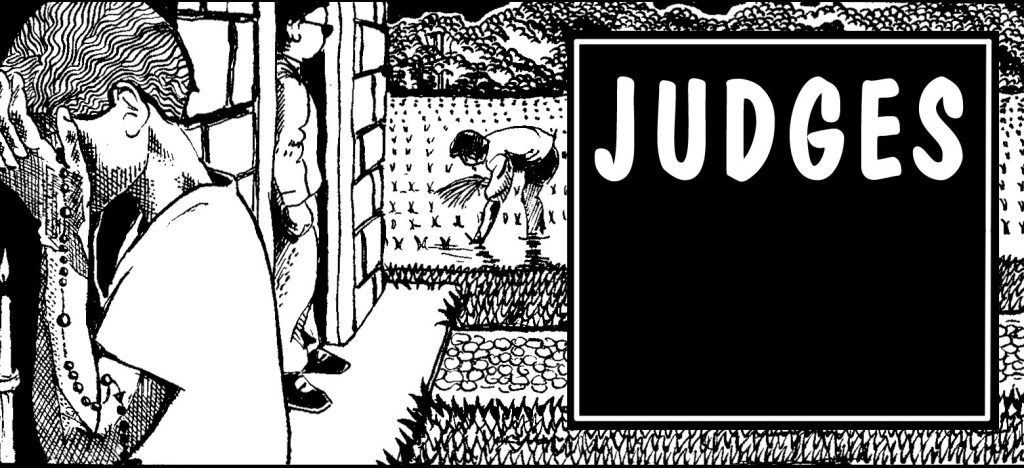
Judges for us is a book of beautiful stories: Deborah, Gideon, Samson and Delilah, Jephthah and his daughter, and towards the end the woman cut into pieces and the priest who sets his own business with the idols of his patron. These narratives that were passed on as popular stories serve as imaged history of an epoch which, although important, is not well known. How were the nomadic Hebrews, who entered Palestine after Moses, able to settle down as simple tillers of the land? And how were they to maintain their identity as a people chosen by God?

The land of Canaan with its fertile plains was most attractive; as was its religion—close to nature where sexual liberty was calmly accepted. Foreign entrants to the country were quickly at home in their new environment. What would become of the intransigent religion of an invisible God? These were dark ages from every point of view, when one might conclude that the fire of Mt. Sinai was truly extinguished.

The liberators

What was to save the future for the tribes of Israel, was first of all, the aggressiveness of several among them (we have in mind the tribe of Ephraim whose feats are related in the book of Joshua); another factor was their being oftentimes at the mercy of plunderers and other nomads from the desert hoping to take their place. They remained faithful to Yahweh, having experienced on many occasions his saving intervention.

In their difficulties, the Israelites, unorganized and divided into rival camps, were to group themselves around the judges of tribes or around emerging born-leaders of the people, sometimes simple peasants but capable of achieving remarkable victories (see chapters 4 and 5).

These men are known in history as the “Shofetim,” a word that means both “chiefs” and “judges.” We must remember that in Hebrew culture and even in the Gospel, the word “to judge” also means “to govern” (Mt 19:28). For that reason those who may have never been members of a tribunal are called “judges.” Perhaps we should understand the word “judges” in another way: these persons were the instruments of God’s justice. The judges were not saints in the meaning we ordinarily give this word. Nevertheless Israel saw in them the saviors that God in his mercy was sending. To slay an enemy chief or kill the Philistines is no longer a religious act for us. If we keep in mind their time and their milieu, these persons had faith and were courageous amidst much cowardice. In awakening the passivity of their companions, they were preparing for a new phase of their history.

The coals under the ashes

The reading of the Book does not give us a very lofty idea of the moral and religious level of the Israelites of that time when the traditional framework of the family and the nomadic tribe was losing its value. Yet a profound renewal was underway. Two words showing this transformation enter the religious vocabulary: heritage and sanctuary.

Heritage: now nomads have their land. He have to see it as a gift from God, cultivate it, and they have to hand it down to their children. Their whole religion is going to be linked to the land that God has given to them and that they will keep as long as they remain faithful.

Sanctuary: the Israelites who never had a Temple in the desert discover the places of worship of the Canaanites. So, they too would get used to gather in places of worship where the Levites, the priests, keep the sacred traditions and the teaching of Moses.

The example of a period when everything is being rediscovered is very interesting to us at a time when the moral and religious structures that our parents experienced are collapsing. We may think that under the layer of the triumphant materialism, many things are developing, and that they are preparing the rebirth of a Christianity that is more aware of itself in an urbane, planetary, post-industrial and post-modern society.

Down below are the introductions in the Mandarin Chinese, Tagalog, Cebuano, and Spanish editions.

Translation: Mandarin Chinese

民长纪:引言

对我们而言,民长纪是一部充满美丽故事的书:德波辣、基德红、三松和德里拉、依弗大和他的女儿。在书的结尾,女人被砍成碎片,而司祭则解决了他的赞助人的偶像问题。这些都被当作通俗故事流传下来,成为一个虽为重要但不很为人所知的时代的假想历史。在梅瑟之后进入巴勒斯坦的希伯来游牧民族,是如何安于成为土地的耕种者的呢?他们又是怎样维持天主选民的身份的呢?

迦南这块土地和其肥沃的平原是最吸引人的;其宗教也同样吸引人:接近自然,默许性自由。来到这个国家的外国人很快就适应了新环境。不与他教妥协、信仰不可见天主的这个宗教该何去何从呢?无论从哪一个角度来看,这都是一个黑暗的时代,人们可以下断论:西乃山的火不折不扣地熄灭了。

解救者

拯救以色列支派未来的,首先是其中几个支派采取的进攻行动(如厄弗辣因支派,其功绩记录在若苏厄书中);另外便是时常有受制于掠夺者和其他来自沙漠、希望取代他们地位的游牧民族的危险。他们始终忠于雅威,多次体验了他救赎的干预。

未经组织且分属于敌对阵营的以色列人,在困难的时候会围绕在支派的民长、或是民众中新兴的天生领袖的身边,有时候这些领袖只是纯朴的农夫,但是却能赢得大胜利(见第四章和第五章)。

这些人在历史上称为“民首”(Sofetim),这个词同时有“首领”和“民长”的意思。在希伯来文化中,在福音里,“审判”这个词,也有“统治”的意思(玛19:28)。因此,那些从来没有当过执事的人会被称为“民长”(Judge,另一义为法官)。也许我们还可以以别种方式来理解“民长”这个词:这些人是天主正义的工具。民长并不是我们所认为的圣人,以色列人却把他们视为天主以其悲悯派遣给他们的解救者。屠杀敌人的首领或培肋舍特人对我们而言,都算不上是宗教行为。但是如果我们考虑到他们所处的时代和环境,就可以看出这些人在那么多的懦夫当中,体现了信心和勇气,他们唤醒了兄弟姊妹的积极情绪,为历史的新纪元做了准备。

灰烬下面的煤

在读这部书的时候,我们不要以为以色列人有高尚的道德和宗教情操,因为当时家庭和游牧部落的传统结构正在丧失其价值。但是一项有深度的革新也正在开始。宗教词汇新增加了两个词:传统和圣所。

传统:牧民现在有了土地,他必须将此视为来自天主的恩赐,耕作并传给子孙。他的宗教与天主赐给他们的土地有关,天主会依其忠诚来保护这块土地。

圣所:以色列人未曾在迦南人敬拜的沙漠中有过圣殿。他们渐渐地也在肋未人和司祭保存神圣传统和梅瑟教诲的地方组织起来进行礼拜。对于我们这些生活在一个我们父母曾赖以为生的道德和宗教结构都已崩溃的时代中的人来说,一个凡事都必须重新发现的时代实在很有意思。在物质主义获胜之后,许多事情正在萌芽,为基督宗教的复兴做准备,在一个都市化的、迁移不定的后工业社会中,更能感受到这一点。

Translation: Tagalog

Isang aklat ng magagandang kuwento ang Mga Hukom para sa atin: sina Debora, Gideon, Samson, Delila, si Yefte at ang kanyang anak na babae, at huwag nating kalimutan sa huling bahagi ang babaeng pinagputol-putol, ang paring bumawi sa pamamagitan ng mga diyus diyusan ng kanyang tagapagtaguyod. Ang mga salaysay na ito na ipinasa bilang mga popular na kuwento ay nagsisilbing isinalarawang kasaysayan ng isang panahon na bagamat mahalaga ay hindi tanyag. Paano nanirahan bilang mga simpleng magsasaka ang mga lagalag na Hebreong pumasok sa Palestina pagkamatay ni Moises? At paano nila naingatan ang kanilang pag kakakilanlan bilang bayang hinirang ng Diyos? Talagang kaakit-akit ang mayayamang kapatagan ng lupain ng Kanaan; gayundin ang relihiyon nito - malapit sa kalikasan at panatag na tinatanggap ang kalayaang sekswal. Madaling nakibagay ang mga dayuhan sa kanilang bagong kapaligiran sa lupain. Anong nangyayari sa di nakikipagkompromisong relihiyon ng di-nakikitang Diyos? Panahon ito ng kadiliman kahit paano tingnan, na maipapalagay na ang apoy ng Bundok Sinai ay tuluyang namatay.

Ang mga Tagapagpalaya Ang nagliligtas sa kinabukasan ng mga tribu ng Israel, una sa lahat, ay ang pananalakay ng marami sa kanila (nasa isip natin ang tribu ng Efraim na ang mga kabayanihan nito ay isinasalaysay sa aklat ni Josue); ang isa pang dahilan ay ang panganib na malimit nilang hinaharap sa kamay ng mga mandarambong at iba pang mga lagalag mula sa disyerto na gustong umagaw sa kanilang puwesto. Nananatili silang tapat kay Yawe, sa pagdanas nila sa maraming pagkakataon ng kanyang pagliligtas.

Sa kanilang mga kahirapan, ang mga Israelitang di-organisado at nahahati sa magkakaribal na kampo, ay nagkakasama-sama sa pamumuno ng mga hukom ng mga tribu o ng mga lumilitaw na mga pinunong-likas ng bayan, mga simpleng magbubukid kung minsan pero may kakayahang umani ng malalaking tagumpay (tingnan ang mga kabanata 4 at 5).
Tinawag nilang Sofetim ang mga taong ito, salitang nangangahulugan ng pinuno at hukom.

Kaya nakagawian nang tawaging Mga Hukom ang mga pinunong ito na kailanma'y hindi naupo sa hukuman. Pero dapat sigurong intindihin ang salitang "hukom" sa ibang kahulugan: ang mga taong ito ang naging mga instrumento ng katarungan ng Diyos.

Translation: Cebuano

Sa nakapadayag na ang Diyos sa kaugalingon kang Moises sa Sinai, naghulagway ang Mga Maghuhukom og kalibotang dili kaayo masanagon. Ayohon ta nig basa aron madiskobrehan ang natagong himaya nga natisok dinhi. Human sa talagsaong kasinatian sa Exodo, ang Mga Maghuhukom nagtudlo nga ining kalibotana karon, dili masinati ang matuod nga kagawasan gawas kon makigbisog ta aron pag-angkon ini. Pagtulon-an ni sa atong kasinatian. Kay bisag nagdala nato si Cristo sa kalingkawasan, gikinahanglan gihapon ni sa pagtahan sa kaugalingon ug pagsakripisyo alang sa mithi nga atong gipakabililhon. Busa, bisag naangkon na sa atong katigulangan ang nasodnong kalingkawasan, gikinahanglan gihapon nga makigbisog ug andam tang mosakripisyo alang sa katungod nato sa pagpakabuhi.

Sa sinugdan ining basahona, milampos ang mga Israelita sa pag-angkon sa labing biniyaan nga kabungtoran sa Canaan ug maibogon silang naglantaw sa tabunok nga patag nga gipuy-an sa mga pagano. Bisan pa ini, sulod sa kapid-an ka siglo sa pagbinantay sa mga karnero, inanay silang nangahimo nga gagmayng mag-uuma sa nahimutangan nilang pinuy-anan. Nagkahulogan nig lawom nga kausabang katilingbanon; ug sama sa bisag unsang kausaban, mahitabo gyod nga mogula ang krisis sa bag-ong mga bili ug panglantaw.

Ang Mga Maghuhukom naghatag og espesyal nga gibug-aton sa tintasyon sa pagsimba og mga diosdios. Ang mga mag-uumang Kananeo may madahinong tinoohan nga nagsaulog sa mga pwersa sa kinabuhi ug maayong ani. Sa mga pangilin naghiusa sila ug nagbansay sa ritwal sa balaang panghilawas diin nangamuyo sila sa ilang mga dios, sa mga baal, nga panalanginan sila alang sa ulan ug abundang ani. Ining kasaulogana, lisod makadumili ang mga Israelita sa pag-apil sa paganong mga silingan.

Gawas pa, ang mga Israelita biktima sab sa lainlaing matang sa pagdaugdaog nga nakapasamot sa ilang pag-antos.

Ang mga Manluluwas

Ining kahimtanga sa mga Israelita isip katawhang nabahinbahin ug wala magkahugpong, may mitumaw nga mga pangulo sa taliwala nila nga kasagaran taga bukid. Sa pipila ka higayon nasinati nila ang daghang kadaogan (basaha ang mga ulohan 4 ngadto sa 5).

Naila sila nga Sofetim sa ato pa, mga pangulo o maghuhukom. Mahitabo nga may mga pangulo nga wala mangatungdanan sa husgado, apan gitawag og Maghuhukom. Apan kahatagan og laing kahulogan ang “maghuhukom”: mga dalan sila sa hustisya sa Diyos.

Ang mga Maghuhukom dili santos. Apan bisan pa ini, giila sila sa Israel nga mga manluluwas, gasa sa kaluoy ni Yahweh. Tinuod nga dili diyosnong buhat ang pagpatay sa pangulo sa kaaway o sa mga Pilisteo. Apan kon lantawon nato ang ilang palibot, nagpakita silag kaisog ug pagtoo taliwala sa katawhan diin naghari ang katalaw. Gisugdan nila ang laing yugto sa kasaysayan pinaagi sa pagbuntog sa nagpasulabing kahadlok sa ilang kaigsoonan.

Ang bayanihong mga buhat sa mga Maghuhukom malipayong gibalikbalik og handom sulod sa daghang katuigan, hangtod nga nahimong kasugiran. Apan, ang tagsulat nga naghiusa ining mga istoryaha sa usa ka basahon, nakamatngon sa kumon nga mga rason nga nakalangay sa kalingkawasan.

Nakamatikod siya ining han-aya sa mga hitabo:
– Ang mga Israelita mibiya ni Yahweh ug misimbag mga diosdios.
– Busa, gitugyan sila ni Yahweh sa mga kaaway.
– Ang mga Israelita miila sa ilang kasaypanan ug misangpit ni Yahweh.
– Unya, si Yahweh mituboy og manluluwas.

Apan sa naangkon na nila ang kadaogan ug human sa dyotayng kalinaw, malimot na pod sila sa ilang misyon. Ining kalibotana, dili makab-ot ang piho ug hingpit nga kalingkawasan.

Translation: Spanish

Los Jueces son para nosotros un libro de bellas historias: Débora, Gedeón, Sansón y Dalila, Jefté y su hija, sin olvidar al final a la mujer cortada en trozos ni al sacerdote que se aviva con los ídolos de su patrón. Pero estas historias transmitidas como relatos populares no hacen más que poner en imágenes la historia de una época tan importante como desconocida. ¿De qué manera los hebreos nómadas que entraron en Palestina después de Moisés se transformaron en un pueblo de pequeños agricultores? Y ¿cómo guardaron su identidad de pueblo elegido por Dios?

La tierra de Canaán, con sus fértiles praderas, lo tenía todo para seducir; lo mismo ocurría con sus religiones, cercanas a la naturaleza y donde la libertad sexual se expresaba con la mayor tranquilidad. Todos los pueblos que habían entrado allí se habían fundido con ella; ¿qué pasaría con la religión intransigente del Dios que no se ve? Fueron sin duda siglos oscuros desde cualquier punto de vista, en los cuales durante mucho tiempo se pudo pensar que el fuego del Sinaí se había extinguido.

Los libertadores

Lo que va a salvar el porvenir de las tribus de Israel será, por una parte, la agresividad de varias de ellas (pensemos en la tribu de Efraím cuyas campañas son narradas en el libro de Josué), y, por otra, el hecho de que con frecuencia estuvieron a merced de merodeadores y de otros nómadas venidos del desierto. Pero permanecieron fieles a Yavé porque en muchas ocasiones tuvieron la experiencia del Dios que salva.

En medio de sus dificultades, los israelitas, desorganizados y divididos en grupos rivales, se reagrupan alrededor de los “jueces” de tribus, o jefes innatos surgidos del pueblo, a veces campesinos que obtendrán grandes victorias (véanse Jue 4,1 y 5,1).

Esos hombres pasaron a la historia como los “sofetim”, una palabra que designa tanto a jefes como a jueces. Hay que saber que en la cultura hebrea, e incluso en el Evangelio, la palabra “juzgar” quiere decir también gobernar (Mt 19,28). De ahí que se llame jueces a hombres que no han tomado jamás parte en un tribunal.

Las brasas bajo la ceniza

La lectura del libro no nos da una idea muy elevada del nivel moral y religioso del Israel de aquel tiempo en que los marcos tradicionales de la familia y de la tribu nómada perdían su valor. Sin embargo se estaba gestando una renovación profunda. Dos palabras que muestran esa transformación: heredad y santuario, entran en el vocabulario religioso,.

– Heredad: el nómada tiene ahora una tierra. Deberá considerarla como un don de Dios, cultivarla y transmitirla a sus hijos. Toda su religión estará ligada a la tierra que Dios le ha dado y que conservará en la medida en que sea fiel.

– Santuario: los israelitas, que nunca tuvieron un templo en el desierto, descubren los lugares de culto de los cananeos. Se van, pues, a acostumbrar a agruparse también en lugares de culto en donde los levitas, los sacerdotes, guardan las tradiciones sagradas y las enseñanzas de Moisés.

Este ejemplo de un período en que se redescubre todo, está lleno de interés para nosotros en un tiempo en que se derrumban todas las estructuras morales y religiosas en que habían vivido nuestros padres. Podemos pensar que bajo la capa del materialismo triunfante están madurando muchas cosas que preparan el renacimiento de un cristianismo más consciente de sí mismo en una sociedad urbana, planetaria y postindustrial.

EL LIBRO DE LOS JUECES

Como los libros de Josué, de Samuel y de los Reyes, el libro de los Jueces es parte de la historia de espíritu profético redactada por los llamados “deuteronomistas”: ver la Introducción a Josué.

Al autor del libro se deben los dos primeros capítulos en que desarrolla su interpretación de los hechos que sucedieron durante los primeros tiempos de la penetración de los israelitas en Palestina. Luego ordenó una serie de historias en que cada tribu conservaba el recuerdo de sus héroes. Las juntó de tal forma que estos héroes aparecieran como los salvadores de todo Israel, y luego las puso como ejemplos de lo que quería enseñar: el pueblo no puede salvarse y vencer a sus enemigos si no demuestra su fidelidad a Yavé.

Es difícil encontrarle una estructura al libro de los Jueces. Se nota la diferencia entre los llamados pequeños jueces y los grandes jueces. Los primeros son jefes de clan cuya actuación desbordó los límites de su parentela y cuya autoridad fue reconocida por su tribu. Los grandes, en cambio, parecen haber sido personajes carismáticos que protagonizaron proezas militares en la lucha contra los propietarios del país o, al revés, contra los nuevos inmigrantes.

Subscribe
Notify of
guest
0 Comments
Oldest
Newest Most Voted
Inline Feedbacks
View all comments