Introduction to Lamentations (Christian Community Bible)

(The Catholic Christian Community Bible [first English edition 1997, other translations into Indonesian, Chinese, Cebuano, Chavacano, French, Ilonggo, Korean, Quechuan, Spanish, and Tagalog] “for the Christian Communities of the Third World” uses the following introduction.)
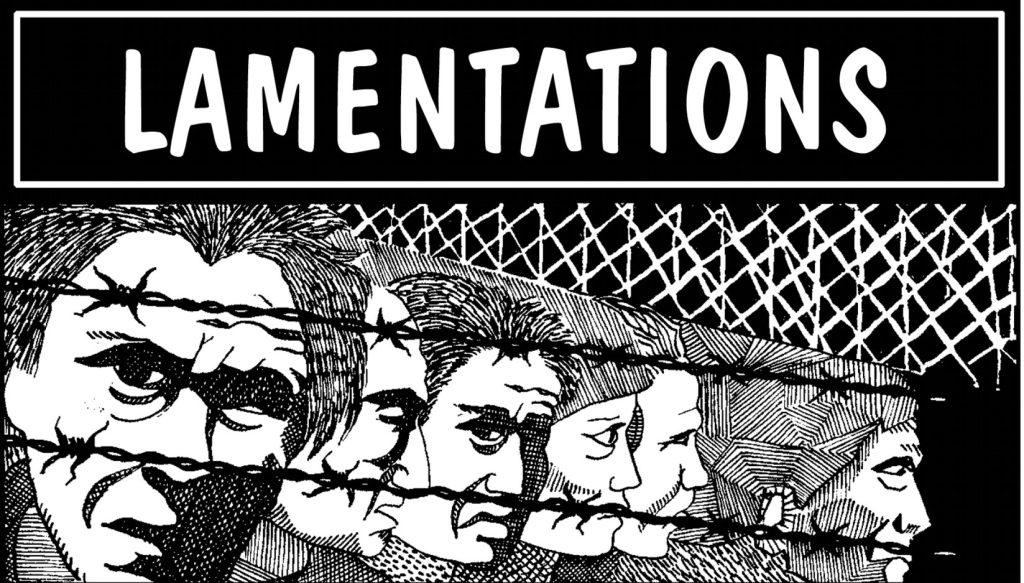
Following the fall of Jerusalem and the horrendous things that took place there, believers try to understand. They are not complaining; they see the ruins as deserved punishment for their many excesses and constant rejection of God’s warnings. Yet, they know that the Lord loves his people: they believe this, feel it and proclaim it.

When the exiles returned to Jerusalem, they may have gathered to pray together on the ruins of what had been the Temple, and taken turns with these laments. Later they continued yearly to pray them on the date of the catastrophe, and much later the Church adopted the custom of using them in the days she remembers the death of Jesus.

In the Lord’s Passion, the believer sees the sum total of the suffering and anxiety of humankind. These poems help us to look with the same compassion on the suffering of Christ and the suffering of the destitute. They will help us to unite the vision of universal pain with the sense of human sinfulness and responsibility.

A Jewish tradition attributes these poems to Jeremiah. They do seem to manifest a spirit very similar to his.

Down below are the introductions in the Mandarin Chinese, Tagalog, Cebuano, and Spanish editions.

Translation: Mandarin Chinese

哀歌:引言

在耶路撒冷沦陷、恐怖惊人的事相继发生后,信徒们试着想要理解其中的原因。他们并没有抱怨,他们知道圣城的毁灭是因为自己过度的放纵,而且不断地拒绝天主的警告所应得的惩罚。他们知道雅威爱祂的子民:他们相信这点,感受这点,并宣告雅威的爱。

在流放者返回耶路撒冷后,他们可能聚集在曾经是圣殿的废墟上祷告,并轮流使用这些哀歌为祷文。后来,他们每年在灾难日都祈祷纪念,再后来,教会则习惯使用这些哀歌来纪念耶稣的圣死。

信徒从雅威的受难中看到了人类苦难和焦虑的极限。这些诗歌帮助我们将耶稣的受苦和许多遭受折磨的人的苦难联系起来。同时也有助于我们将普世痛苦的景象和人类的罪恶及责任结合起来。

犹太传统认为这些诗是耶肋米亚所作,这些作品在精神上确实非常接近耶肋米亚的作品。

Translation: Tagalog

Sinisikap unawain ng mga nananampalataya ang pagkawasak ng Jerusalem at ang kasunod nitong mga kakila-kilabot na mga pangyayari. Hindi sila nagrereklamo. Itinuturing nilang karapat-dapat na kaparusahan ito para sa marami nilang kaguluhan at sa patuloy na pagtanggi sa mga babala ng Diyos. Gayon pa man, alam nilang mahal ni Yawe ang kanyang bayan. Pinaniniwalaan nila ito, nararamdaman, at ipinahahayag.

Nang bumalik sa Jerusalem ang mga itinapon, malamang na nagtipon sila para manalangin nang sama-sama sa guho ng dating Templo at halinhinan nilang binigkas ang mga panaghoy na ito. Pagkatapos, ipinagpatuloy nila ang pagdarasal nito taun-taon sa petsa ng malaking kapahamakang iyon. At nang lumaon, nakaugalian na ng Simbahang gamitin ang mga Panaghoy para gunitain ang pagkamatay ni Jesus.

Sa Pasyon ng Panginoon, nakikita ng nananampalataya ang pagkakatipon ng mga pagdurusa at dalamhati ng sangkatauhan. Tinutulungan tayo ng mga tulang ito na pagbuklurin sa iisang pagdamay ang mga pagdurusa ni Kristo at ang matinding paghihirap ng napakaraming nagdurusa. Tutulungan din tayo nitong pag-isahin ang pananaw sa paghihirap ng santinakpan at ang kahulugan ng kasalanan at responsibilidad ng tao.

Ipinapalagay ng isang tradisyon ng mga Judio na galing kay Jeremias ang mga tulang ito. At nalalahad nga sa mga ito ang isang diwa na katulad ng sa kanya.

Translation: Cebuano

Human sa pagkapukan sa Jerusalem ug sa makahadlok nga panghitabo, ang mga magtotoo naningkamot sa pagsabot ining tanan. Wala sila magreklamo; gitan-aw nila ang mga kadaot isip silot sa daghan nilang kalapasan ug sa makanunayon nilang pagsalikway sa mga pahimangno sa Ginoo. Gani, nasayod sila nga ang Diyos nahigugma sa iyang katawhan: mitoo sila, mibati, ug misangyaw ini.

Sa pagbalik sa mga bihag didto sa Jerusalem, tingali nagkatapok sila sa pag-ampo sa naguba nga Templo, ug nagpulipuli sa pagpadayag sa mga pagbangotan. Sa kadugayan, ila kining gipadayon sa matag tuig sa petsa sa pagkapukan, ug sa kadugayan, ang Simbahan naanad sa kustombre sa paggamit ini sa paghinumdom sa kamatayon ni Jesus.

Sa Pasyon sa atong Ginoo, may magtotoo nga nakakita sa kinatibuk-an nga pag-antos ug kahingawa sa katawhan. Kining maong mga balak makatabang sa paghiusa sa kasakit ni Cristo ug sa kakabos sa kadaghanan nga nag-antos, sa susamang pagbati. Makatabang ni sa pakighiusa sa panan-awon sa kalibutanong kasakit ug sa diwa sa tawhanong kasal-anan ug katungdanan.

Adunay tradisyon sa Judio nga nagpunting kang Jeremias ining maong mga balak. Nagpadayag ni sa espiritu nga pareho sa iyaha.

Translation: Spanish

Después de la ruina de Jerusalén y de las cosas horrendas que sucedieron en esta ocasión, los creyentes tratan de comprender. No se quejan, ven la ruina como castigo merecido por los muchos desórdenes y por el constante rechazo de las advertencias de Dios. Y, sin embargo, saben que Yavé ama a su pueblo, lo creen, lo sienten y lo afirman.

Cuando los desterrados volvieron a Jerusalén, muy posiblemente se reunían para orar en común en los escombros de lo que había sido el Templo, y juntos alternaban estos lamentos. Después siguieron rezándolos cada año en la fecha que recordaba la catástrofe, y más tarde la Iglesia se acostumbró a usarlos para recordar la muerte de Jesús.

En la Pasión del Señor, el creyente ve la acumulación de los sufrimientos y de las angustias de la humanidad. Estos poemas le ayudan a unir en una misma compasión los dolores de Cristo y la miseria inmensa de la muchedumbre de los que sufren, así como la visión del dolor universal y el sentido del pecado y de la responsabilidad de los hombres.

Una tradición judía atribuye a Jeremías estos poemas, que revelan un espíritu bien parecido al suyo.

Subscribe
Notify of
guest
0 Comments
Oldest
Newest Most Voted
Inline Feedbacks
View all comments