Introduction to 2 Timothy (Christian Community Bible)

(The Catholic Christian Community Bible [first English edition 1997, other translations into Indonesian, Chinese, Cebuano, Chavacano, French, Ilonggo, Korean, Quechuan, Spanish, and Tagalog] “for the Christian Communities of the Third World” uses the following introduction.)
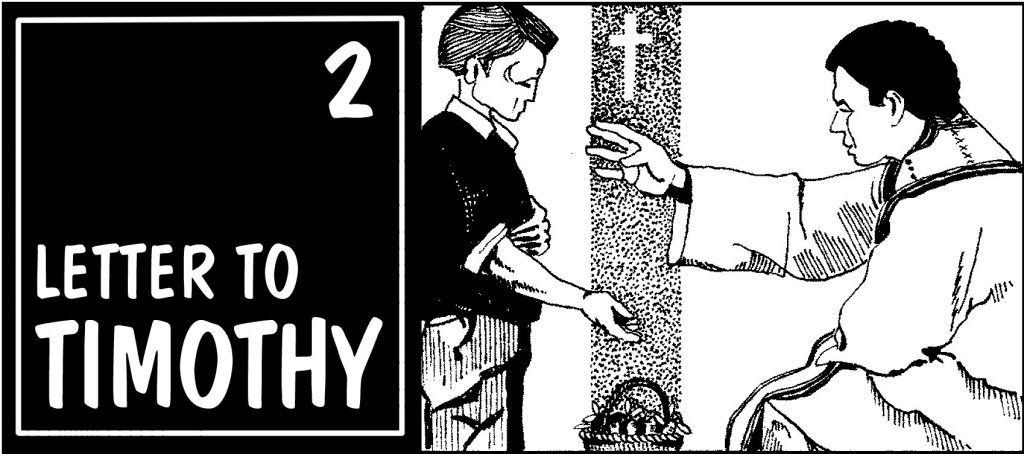
What we have said in the Introduction to the First Letter to Timothy is equally suitable for this second letter. It is supposed to have been written by Paul from his prison in Rome, shortly before his death. There is no reason for doubting the authenticity of a few details that Paul gives on his situation while awaiting his sentence. As for the rest, both Paul and Timothy are only pseudonyms: the counsels and the warnings are actually those the unknown author wanted to give the ministers of the Church, some decades after the death of the apostle.

Down below are the introductions in the Mandarin Chinese, Tagalog, Cebuano, and Spanish editions.

Translation: Mandarin Chinese

弟茂德前书引言中所讲述的也适用于本书。人们认为本信是保禄在罗马的狱中,临死前不久写成的。其中一些细节的真实性不容置疑,保禄谈到自己在等待判决的处境。其他的内容,是本信不知名作者借用保禄和弟茂德之名建议和警告当时教会的首领们。那时,宗徒伯多禄已去世好几十年了。

Translation: Tagalog

Tingnan ang Introduksyon sa 1 Timoteo. Sa ikalawang liham na ito kay Timoteo ay nababasa natin ang ilang talatang sinulat ni Pablo mula sa isang piitan sa Roma. Parang naging isang pamamaalam ito, sa isang sandaling matindi ang nadarama niyang kalungkutan at ipinalalagay na tinalikuran na siya ng mga mananampalataya. Nakikini-kinita niya ang nalalapit na paghatol sa kanya ng kamatayan, at tinawag niya si Timoteo.

Sa takdang sandaling iyon, ipinakita ni Pablo ang kanyang ganap na pagtitiwala sa Panginoon at tinangka niyang ipabatid ang kanyang diwa kay Timoteo.

Translation: Cebuano

Kining ikaduhang sulat alang ni Timoteo gisulat ni Pablo sa prisohan sa Roma. Sulat-panamilit ni sa panahon nga gibati si Pablo sa tumang kamingaw ug ang paghunahuna nga gipasagdan siya sa mga magtotoo. Nalantaw niyang daan nga hapit na siya silotan sa kamatayon, mao nga misangpit siya ni Timoteo.

Ining higayona, gitugyan ni Pablo ang tibuok pagsalig sa Ginoo; ug pinaagi sa hunahuna misulay siya pagpadalag mensahe kang Timoteo.

Translation: Spanish

Mientras la Primera Carta a Timoteo mostraba a un Pablo todavía libre en sus movimientos, ésta la escribe desde una de sus prisiones. Una reflexión de Pablo respecto de un amigo fallecido (2Tim 1,17) parecería indicar que estaría entonces en Roma. Se estaría pues en los años 61-63, o más tarde aún, durante un segundo y dudoso cautiverio de Pablo. Pero esta interpretación se basaba en una mala traducción.

Los temas de esta carta invitan a pensar que haya sido escrita desde Cesarea, donde Pablo estaba detenido por el gobernador Félix (He 24). La carta sería del año 58 y por lo tanto posterior a la primera en algunos meses.

El comienzo de la carta tiene puntos de contacto muy notables tanto con el discurso de Pablo en He 26 como con la carta a los Romanos. Sin embargo no es tan sencillo interpretar las aproximaciones del tema o de vocabulario para sugerir que 2Tim tiene el mismo autor que la carta a los Romanos; quien piense que la carta fue escrita más tarde por otra persona, dirá que los pasajes paralelos fueron copiados de las cartas anteriores de Pablo, para hacer creer en su autenticidad. Y al revés, cuando encuentre una idea un poco novedosa verá en ella la prueba de que el autor no es el mismo. Tales comparaciones y referencias exigen un enorme trabajo y honradez para ser interpretadas correctamente.

Pablo habla de su nueva condición de prisionero, que parecía que iba a prolongarse. Concentra entonces su atención en el lugar que tienen el fracaso y el sufrimiento en el plan de Dios. Fracaso aparente de muchas vidas cristianas después de una conversión y de comienzos prometedores; sufrimiento del apóstol encadenado por causa del Evangelio. Por momentos imagina lo peor y se muestra dispuesto a sacrificar su vida, como en Fil 1,20. Pero en otros momentos vuelve a la certeza, que también se leía en Fil 1,19: ese cautiverio forma parte de su misión y le permitirá dar testimonio del Evangelio frente a las más altas autoridades del imperio romano.

No olvidemos que desde su partida de Mileto, y en una forma más radical después de su detención en el Templo (He 21,27), Pablo dio vuelta a la página: se despidió tanto del mundo judío como del mundo griego de Oriente que conocía y amaba. No se equivocaba cuando veía el porvenir bastante sombrío. La presente carta retoma varios temas del discurso de Pablo en Mileto: Pablo prevé la difusión de los errores dentro de la Iglesia y la formación de sectas.

Timoteo fue el primero de los asistentes de Pablo en el tiempo y al que más amaba. Con esta carta Pablo quiere transmitirle su fuerza y su convicción apostólica. Por eso le recuerda que la base, tanto de la vida de fe como de la actividad apostólica, radica en la meditación y el conocimiento de la Palabra de Dios.

Introduction to 1 Timothy (Christian Community Bible)

(The Catholic Christian Community Bible [first English edition 1997, other translations into Indonesian, Chinese, Cebuano, Chavacano, French, Ilonggo, Korean, Quechuan, Spanish, and Tagalog] “for the Christian Communities of the Third World” uses the following introduction.)

Cultural changes taking place in all areas of existence also affect the Church. In the beliefs and practices we have been taught, not all comes from Christ, and consequently, many things may change. There is nevertheless a risk of distorting authentic faith. Where then is the rule of faith, to which all our opinions must submit?

This problem already arose in the Church when in 64-67 A.D. Peter and Paul died as martyrs in Rome. The Church, especially in the West, no longer had these witnesses of Christ capable of proclaiming both his deeds and his words. It was as difficult for the Greeks to accept the Christian message as it was for the Jews, and even those of good will among the listeners understood the message—as we do today—through their own ways of thinking, distorting it in proportion to the prejudices of their time.

Then came an opportunity for people eager to discuss, to recount in a better way than did the apostles, even to say what they had not said, and some even took the liberty of teaching their own doctrine. How quickly the imitation of Christ could be replaced by theories and discourses on religion!

So it was that the successors of the apostles had to defend the doctrine they had received from them. At the same time they had to take care in the choice and in the formation of the ministers of the Church for these would have to keep the genuine message. Such are the concerns that we find in these letters to Timothy and Titus.

These letters of similar origin are entitled Paul’s letters. Both the form and content of these letters show that they are not from him. They must have been written in the pressure of circumstances we have just mentioned about 90-100 A.D. It was thought well to place this teaching of the Church under the authority of Paul and doubtless some more personal paragraphs written by him have been inserted: in several passages, we certainly find Paul’s counsels to Timothy and Titus or to other of his assistants.

These three letters of Timothy and Titus are called “pastoral letters” because they address Church shepherds. They truly deserve this name for still another reason that is not always perceived. They are addressed to Paul’s delegates who, although they did not enjoy the title of apostles, were like the itinerant ministers and had authority over the local churches. They are reminded of their missionary ideal for they had devoted their life to Christ and to preaching the Word. Yet at the same time they are ordered to watch over the Church local ministers. Whether they are bishops, elders or deacons, they were elected by the community and spent part of their time in leading and in teaching their brothers and sisters; they also celebrated the sacred sacraments of the Church, baptism, Eucharist and the anointing of the sick.

So we find here two kinds of ministries which complement one another to fulfill the pastoral duties. The first, of which Timothy and Titus are examples extends the mission of the apostles, follows the patterns of their consecrated life and enjoys apostolic authority. The second, trained themselves within the community which elected them. Today we would speak of lay ministers, for they go on belonging to their family and community, although they have been ordained by a laying on of hands and have been accepted or acknowledged by the apostolic authority. We shall strive to understand this complementarity because the subsequent evolution of Latin Church unified these very different ministries in the span of some centuries framing them into one hierarchical clergy. See on this point Num 4:1 and Heb 9:1. New Testament witnesses the different organizations of the early Church in the many cultural areas of Roman Empire. For a part it wanted to be and to remain the Church founded on the apostles, on the other hand, it took example of the Jewish communities with their elders. Afterwards the ministries would evolve or become fixed according to the needs and the social context.

Down below are the introductions in the Mandarin Chinese, Tagalog, Cebuano, and Spanish editions.
Translation: Mandarin Chinese

在每个生存空间发生的文化变革同样影响到教会,教导给我们的信条和惯例,并非全部来自基督,许多事情必须更改,但是有歪曲真正信仰的可能。那么,信仰的准则在哪里?我们的个人意见应服从什么?

早在公元64-67年,伯多禄和保禄殉难于罗马时,这些问题就已经出现在教会中。教会,尤其是西方教会,已经缺乏对基督的见证者,不再能重叙其作为和其言语。基督教的讯息无论对希腊人还是犹太人都显得难以接受,接受的人都以自己的想法来诠释,就像当今我们一些基督徒一样。部分信徒开始展开讨论,他们的口才比宗徒们的更好,甚至讲出宗徒们没有说过的。人们于是自由演讲和教授教义了。以对宗教的讨论来替代对基督的效法,人们在此事上做得总是快速!

宗徒的后继者们维护从宗徒传下来的教义,同时警醒于对教会内传播的信息的选择。我们可以在致弟茂德和弟铎书中发现这一忧虑。这三封信的出处是一样的,被视为保禄的手笔。虽然,信件的形式、内容都显示出信是在保禄殉难后才写的,大约在公元90-100年,受当时的具体情况所迫(上段提到的),所以人们以保禄的名义来呈现这些信,作为教会的教导,无疑的,其中有些片段是出自保禄的亲笔。我们将读到保禄给助手弟茂德和弟铎的许多建议。

这三封信被冠以“牧灵”的名称,因为它们是写给“灵魂的牧者”的。这些“牧者”是没有拥有“宗徒”头衔的巡回使者,他们是保禄的代表,在地方教会中具有权威。人们在要求他们做理想中的传教士(为基督和圣言贡献生命)的同时,还要求他们掌管好各地方教会。

于是,教会的结构由两种神职支撑起来。第一种:由弟茂德和弟铎为代表,继续宗徒们的使命:跟随他们的奉献生活。第二种:领导团体生活的神职,由团体成员选举产生,如:主教团、司牧长、执事等等,他们统领教友,主持圣祭。当时他们拥有的是平信徒神职,因为这些神职人员仍属于家庭和团体。

因此,我们要了解这一特殊的背景,知道如今的教会是经过许多世纪发展过来的,教士制和当时的必然存在区别。请参见户4:1希9:1。

Translation: Tagalog

Ang mga pagbabagong kultural na nagaganap sa lahat ng anyo ng buhay ay may kina-laman din sa simbahan. Hindi nagmula kay Kristo ang lahat ng mga kapaniwalaan at ka-ugaliang itinuturo sa atin, kaya maaaring baguhin ang maraming bagay. Gayunman, may panganib na itakwil natin kasama ng mga ito ang tunay na pananampalataya. Ano ang nakatakdang pananampalatayang dapat nating sundin?

Lumitaw na ang problemang ito sa naunang simbahan, nang mga taong 64-67, nang mamatay sina Pedro at Pablo sa Roma bilang mga martir para kay Kristo. Sapagkat wala na sa piling ng simbahan ang mga nagpapatotoo kay Kristo, ipinalagay ng ilan na higit nilang malayang ipangaral ang kanilang sariling doktrina. Wala nang mas madali pa kaysa palitan ang pagsunod kay Kristo ng mga talakayan at talumpatiang relihiyoso!

Sa gayon, kinailangang ipagtanggol ng mga humalili sa mga apostol ang doktrinang tinanggap nila mula sa mga ito, kasabay sa pagpili at pagbuo sa mga ministrong karapat-dapat. Ang mga bagay na ito ang tampok sa kabalisahang mapapansin sa mga kasalukuyang sulat kina Timoteo at Tito.

Ilang talata sa mga sulat na ito ang naglalaman ng mga payo ni Pablo sa kanyang mga katulong, sina Timoteo at Tito. Gayunman, matitiyak din na naragdagan iyon ng iba pang talata nang sumunod na mga panahon, maaaring noong 90 o 100 pagkasilang kay Kristo, at nasaklaw ng kapangyarihan ni Pablo ang pagtuturong ito ng unang Iglesya.

Ang tatlong sulat na ito kina Timoteo at Tito ay tinatawag na “pastoral” sapagkat patungkol sa mga “pastol ng kaluluwa”. Tungkol kay Timoteo, sangguniin ang Gawa 16:1 – kung paano siya nakatagpo ni Pablo. Sangguniin din ang 1 Corinto 16:10 at Filipos 2:19.

Translation: Cebuano

Mga Sulat nga Pastoral alang ni Timoteo ug Tito

Ang kausaban sa kultura sa katilingban makaapektar kaayo sa Simbahan. Daghang tulumanon ug tinoohan nga gitudlo wala maggikan ni Cristo busa, mahimong usbon. Hinuon, peligro ang paghimo ini, ang lunsayng pagtoo masagolan sa mga mining pagtulon-an. Unsay sumbanan sa pagtoo nga angay tang sundon?

Kining problemaha migula na sa unang simbahan dihang, sa mga tuig 64 ngadto sa 67, si Pedro ug Pablo gipatay sa Roma isip mga martir ni Cristo. Kay wala na may buhing saksi ni Cristo uban nila, may nagpatuyang sa pagtudlo sa kaugalingong doktrina. Ang pagsunod ni Cristo sayon rang gipulihan sa mga lantogi ug pakigpulong bahin sa tinoohan!

Mao nga ang mga sumusunod sa apostoles nanalipod sa mga pagtulon-an nga nadawat ug sa samang higayon, nanudlo ug nag-umol og mga alagad sumala sa gasa nga ilang nahuptan. Mao ni ang napakita sa mga sulat alang ni Timoteo ug Tito.

May pipila ka bahin ining mga sulata nga nagtambag sa mga kaabag ni Pablo, si Timoteo ug Tito. Apan may mga bahin sab nga gidugang sa ulahi nang panahon sa mga tuig 90 o 100 human ni Cristo, kanus-a ang pagtulon-an sa simbahan gibutang gihapon ubos sa ngalan ug awtoridad ni Pablo.

Kining tulo ka sulat alang ni Timoteo ug Tito gitawag og “Pastoral”, kay gipahinungod man sa mga magbalantay sa pagtoo. Bahin ni Timoteo, basaha ang Mga Buhat 16:1 naunsa siya paghimamat ni Pablo. Basaha sab ang 1 Cor 16:10 ug Fil 2:19.

Translation: Spanish

La elección de los ministros de las comunidades, así como sus deberes, ocupan un lugar importante en los capítulos 3 a 5.

La organización de la Iglesia se apoyaba entonces en dos tipos de ministerios. El primero, del cual Timoteo y Tito son los ejemplos, prolongaba la misión de los apóstoles y gozaba de la autoridad apostólica. Los otros estaban ligados a la comunidad que los había presentado para ejercer su cargo (véase He 6,1-6 y 1Tim 5,22). Ya sea que se llamaran epíscopos (supervisores), presbíteros (ancianos) o diáconos (encargados del servicio), esos ministros, que presidían las asambleas y la Eucaristía, seguían perteneciendo a su familia y a su comunidad.

Tenemos que hacer un esfuerzo para comprender esa complementariedad, habida cuenta de la evolución de la Iglesia latina que unificó en pocos siglos esos ministerios tan diferentes en el marco de un clero jerarquizado. Vemos aquí la primera forma de la organización de la Iglesia, la que tuvo derecho al sello de la inspiración divina. Véanse las notas de Heb 9,1.

La elección de los responsables de las Iglesias no es el único objetivo de esta carta. A lo largo de esas páginas se leerán orientaciones para la vida de las comunidades cristianas que deben aprender a perseverar; se insiste también en la fidelidad a la tradición de los apóstoles.

En el capítulo 2 se leen instrucciones para la asamblea cristiana, de las cuales algunas están muy ligadas a la sociedad de aquel tiempo. Habría por tanto que repensarlas si se quiere que sean Palabra de Dios para el día de hoy.

Introduction to 2 Thessalonians (Christian Community Bible)

(The Catholic Christian Community Bible [first English edition 1997, other translations into Indonesian, Chinese, Cebuano, Chavacano, French, Ilonggo, Korean, Quechuan, Spanish, and Tagalog] “for the Christian Communities of the Third World” uses the following introduction.)

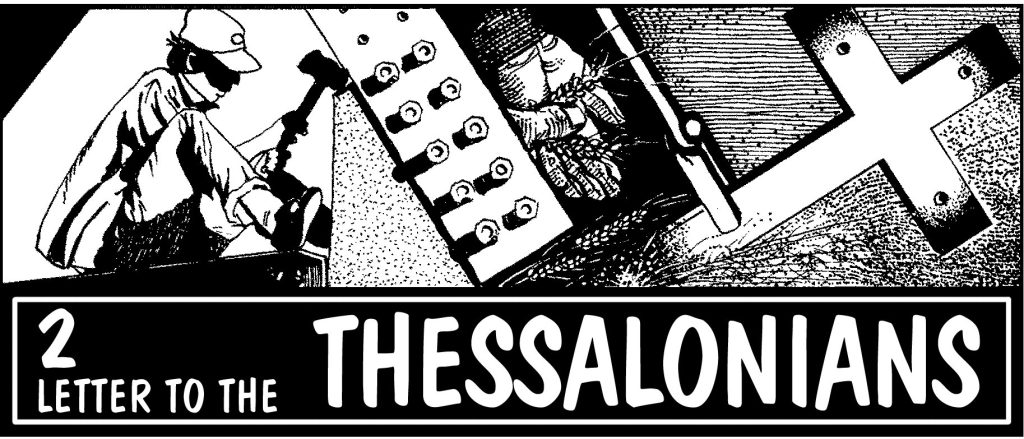
The First Letter to the Thessalonians taught us the importance of looking forward to the coming of Christ in Paul’s preaching.

The hope for the Day of Christ was a powerful incentive for preserving the faith of the first Christians. Yet it could lead to an unhealthy nervousness. The Church of Thessalonica was the first example of those minorities and persecuted groups in whom the expectation of the end of the world distorts the normal development of Christian life.

In this letter, written a few months after the first one, Paul tries to reassure the community.

Down below are the introductions in the Mandarin Chinese, Tagalog, Cebuano, and Spanish editions.

Translation: Mandarin Chinese

阅读得撒洛尼前书使我们知道,期待主基督的再来,在保禄的教诲中具有重要的地位。

期望基督重来,是早期天主教徒坚持信仰的动力,但也同时导致一种病态的紧张。得撒洛尼教会是少数几个被迫害的团体之一,对世界末日的期待扭曲了正常的基督徒生活。

这封信写于得撒洛尼前书之后的几个月,保禄在信中试着加强这个团体的信心。

Translation: Tagalog

Itinuro sa atin ng unang sulat sa mga taga-Tesalonika ang kahalagahan ng paghihintay sa pagdating ni Kristo sa pangangaral ni Pablo.

Malakas na pampasigla ang paghihintay sa Araw ni Kristo para mapanatili ang pananampalataya ng mga unang Kristiyano. Ngunit maaari rin itong magdulot ng di-mabuting nerbiyos. Ang iglesya ng Tesalonika ang unang halimbawa ng mga minorya at mga grupong inuusig na ang normal na paglago ng buhay-Kristiyano ay sinisira ng paghihintay sa wakas ng mundo.

Sa sulat na ito, na sinulat ilang buwan pagkatapos ng una, sinisikap ni Pablo na papanatagin ang loob ng pamayanan.

Translation: Cebuano

Ang pagbasa sa unang sulat alang sa taga Tesalonika naghatag og mahinungdanong pagtulon-an kabahin sa Ikaduhang Pagbalik ni Cristo, sumala sa gisangyaw ni Pablo.

Ang paglaom sa Pag-abot ni Cristo nakapabuhi sa unang kristyanos aron pagpabilin sa pagtoo. Sa samang higayon nakahatag ni og dili tiawng kahingawa. Ang katilingban sa Tesalonika unang pananglitan sa minoriya ug gilutos nga pundok diin ang pagpaabot sa kataposan sa kalibotan wala makahatag og maayong sangpotanan sa kalamboan sa Kristohanong kinabuhi.

Naninguha si Pablo dinhi sa paghatag og kasigurohan sa ilang katilingban. Nasulat ni pipila ka bulan human sa unang sulat.

Translation: Spanish

La esperanza del día de Cristo era un poderoso estímulo para la fe de los primeros cristianos, pero podía también llevar a un nerviosismo malsano. La Iglesia de Tesalónica parece que se vio afectada por una enfermedad bastante frecuente en los grupos minoritarios y perseguidos: la espera del fin del mundo que resolvería todos los problemas, una espera que en ese momento no hacía más que perturbar la vida cristiana.

En su carta Pablo trata de apaciguar a la comunidad. Pero, ¿será verdaderamente Pablo quien habla en esta carta? Muchas dudas se han suscitado al respecto: ¿por qué esta segunda carta, aparentemente tan próxima a la primera? La primera parte no parece ser más que un remedo de diversos párrafos de la carta anterior, y la única cosa clara y novedosa es la advertencia sobre la venida del Anticristo y la hora del Juicio. Como a primera vista esta advertencia parece contradecir a la primera carta, en que se aguardaba la venida próxima del Señor, muchos intérpretes afirman que esa carta no es de Pablo, sino que un autor posterior quiso decir en vez de él lo que Pablo no había dicho en su momento.

La realidad es que las dos cartas a los Tesalonicenses formaban parte de las colecciones más antiguas de las cartas de Pablo, con la particularidad de que, al igual que las dos cartas a los Corintios, no fueron nunca publicadas separadamente. En el caso de las cartas a los Corintios, es fácil ver que la segunda incluye diversos fragmentos de otras cartas que Pablo les había enviado en otras ocasiones. Los responsables de esa Iglesia habían combinado todo lo que les parecía más interesante y más adaptado para una lectura pública y lo habían enviado a las demás Iglesias como una sola carta.

En el caso de Tesalónica parece que tomaron de uno o dos mensajes de Pablo el contenido de los capítulos 2 y 3 de esa “segunda carta” y les dieron la forma de una verdadera carta haciéndolos preceder por un primer capítulo imitado de la “primera carta a los Tesalonicenses”.

Es fácil ver que el motivo central de la carta, que es frenar la espera histérica de la venida de Cristo en el capítulo 2, no contradice en nada lo que Pablo decía en 1Tes 4,14 sobre la resurrección: el párrafo que seguía (1Tes 5,1) no sugería la venida inminente de Cristo, sino que por el contrario Pablo quería mantener la esperanza sin desviar la atención de la vida corriente.

De todos modos, la carta ha sido reconocida por la Iglesia desde el segundo siglo como tradición apostólica; es por tanto palabra de Dios y tapa un pequeño agujero en el conjunto de la revelación. Nos invita a no dejarnos impresionar, como se ha dado en el transcurso de toda la historia, por los rumores de revelaciones, de tragedias y del fin de mundo.

Introduction to 1 Thessalonians (Christian Community Bible)

(The Catholic Christian Community Bible [first English edition 1997, other translations into Indonesian, Chinese, Cebuano, Chavacano, French, Ilonggo, Korean, Quechuan, Spanish, and Tagalog] “for the Christian Communities of the Third World” uses the following introduction.)

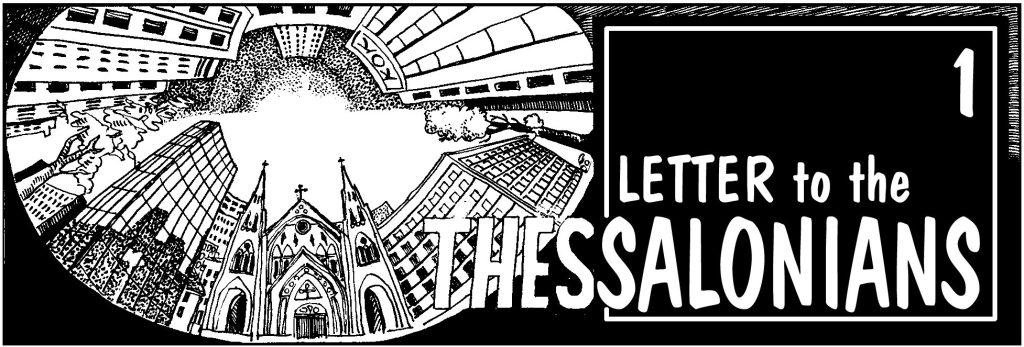
In the year 50, Paul arrived in Thessalonica, a major city and the capital of the province of Macedonia (see Acts 17:1). Here, after being rejected by the Jews, he addressed his preaching to the pagans and succeeded in forming a community. After barely three months, a riot caused by the Jews forced him to leave.

What is going to happen to these recent converts to whom Paul taught the mere basics of Christian life?

Paul is quite concerned, so he sends Timothy to see them and to strengthen their church. Timothy comes back with an optimistic report and Paul, reassured, sends this letter at the beginning of 51.

This is the oldest writing of the New Testament.

Down below are the introductions in the Mandarin Chinese, Tagalog, Cebuano, and Spanish editions.
Translation: Mandarin Chinese

保禄于公元五十年到达马其顿省的省会得撒洛尼市(宗17:1),在那里他遭到犹太人的拒绝,然后他便把传教的对象转向外邦人,并成功地组建了一个团体。但是不到三个月,犹太人发动了暴乱,迫使他离开那里。

那些新近皈依的信友,仅接受了保禄有关基督徒生活的基本教诲,他们该怎么办呢?保禄对此非常关心,他派弟茂德前去坚固他们的信德。弟茂德带着令人振奋的消息回来,保禄放心了。他在51年初寄出了这封信。

这是新约中最古老的作品。

Translation: Tagalog

Noong taong 50, dumating si Pablo sa Tesalonika na importanteng lunsod at kapitolyo ng probinsya ng Macedonia (tingnan ang Mga Gawa 17:1). Matapos tanggihan ng mga Judio, dito iniuukol ni Pablo ang kanyang pangangaral sa mga pagano at nakabuo siya ng isang pamayanan. Halos tatlong buwan pa lamang siya roon pero napilitan siyang umalis sa Tesalonika dahil sa gulong ginawa ng mga Judio.

Ano kaya ang mangyayari sa mga bagong kaanib sa pananampalataya na mga panimula pa lamang sa buhay-Kristiyano ang naituturo ni Pablo?

Lubhang nababahala si Pablo kaya pinapunta niya si Timoteo para makita sila at sikaping patatagin ang kanilang Iglesya. Bumalik si Timoteong may magandang balita at naging panatag ang loob ni Pablo kaya ipinadala niya ang sulat na ito sa simula ng taong 51.

Ito ang pinakamatandang akda sa Bagong Tipan.

Translation: Cebuano

Sa tuig 50, miabot si Pablo sa Tesalonika, dakong syudad ug ulohan sa lalawigan sa Macedonia (basaha sa Buhat 17:1). Dihang gisalikway siya sa mga Judio didto, mibalhin siyag wali sa mga pagano, ug nakaumol didtog katilingban. Human sa mga tulo ka bulan, dihay kasamok nga gipasiugdahan sa mga Judio, hinungdan sa iyang pagbiya.

Unsay nahitabo sa mga nakabig nga bag-o pang nakadawat og mga pagtulon-an sa kristohanong kinabuhi gikan ni Pablo?

Nabalaka pag-ayo si Pablo ug nagpadala ni Timoteo aron pagsusi ug paglig-on sa ilang simbahan. Malipayon siyang mitaho kang Pablo sa sangpotanan sa pagduaw, mao nga nadasig si Pablo sa pagpadala ining sulata sa unang bahin sa tuig 51.

Ang labi ning karaan nga sinulat sa Bag-ong Kasabotan.

Translation: Spanish

El año 50 Pablo llegó a Tesalónica, ciudad importante y capital de la Macedonia (véase He 17,1). Después de haber sido rechazado por los judíos, Pablo se dirigió a los paganos y llegó a formar una comunidad en esa ciudad. Pero sólo tres meses después, una revuelta provocada por los judíos le obligó a irse.

¿Qué pasaría con esos nuevos cristianos, que no habían recibido de Pablo más que las bases de la vida cristiana? Preocupado, Pablo pide a Timoteo que vaya a afirmar esa Iglesia. Timoteo regresa optimista y Pablo, ya tranquilo, les envía esta carta a comienzos del año 51.

Es el texto más antiguo de todo el Nuevo Testamento.

Esta carta no cautiva a sus lectores; podría decirse que el estilo de Pablo está aun muy “verde”. Pero se siente el afecto del misionero hacia los convertidos por quienes se ha desvivido, las preocupaciones que siente por ellos y los flecos de su primera formación, tan fanática como generosa.

La fe cristiana que Pablo proclamaba no se oponía menos a la razón en las primeras comunidades del mundo grecorromano que en las nuestras. La libertad sexual les parecía tan legítima como a nuestros contemporáneos; la resurrección de los muertos y la otra vida no entraban en sus perspectivas, aunque periódicamente algunos filósofos o religiones “mistéricas” trataran de suscitar tales esperanzas.

Pablo reafirma la doctrina bíblica sobre estos puntos en el cap. 4. Se encontrará allí la afirmación clara de las exigencias morales inherentes a nuestra integración en el pueblo de Cristo: sean santos, manténganse despiertos, como personas que esperan algo mejor.

Se encontrará igualmente, en el lenguaje y con las imágenes de las apocalipsis, la primera afirmación de la resurrección de los muertos.

Desde el principio la comunidad es invitada a vivir en oración constante y a preocuparse ante todo de sus miembros más débiles.

Introduction to Colossians (Christian Community Bible)

(The Catholic Christian Community Bible [first English edition 1997, other translations into Indonesian, Chinese, Cebuano, Chavacano, French, Ilonggo, Korean, Quechuan, Spanish, and Tagalog] “for the Christian Communities of the Third World” uses the following introduction.)

Towards the year 62, Paul, a prisoner in Rome, writes to the Christians of Colossae, who, without being aware of it, belittle Christ. They do not feel assured with only faith in Christ and they want to add some practices from the Old Testament. Or they try to include Christ in a board of celestial persons, or “angels” who are supposed to have the key to our destiny in hand.

Something was lacking in them and in the majority of their contemporaries. They were caught in the Roman Empire which had imposed its peace on the known world at that time, but also prevented them from living a life of their own. They fell back on the “spiritual.” Secret doctrines offered to lead their “perfect ones” to a higher state and theories called “gnosis” (that is, knowledge) were drawn up on the origin of the human and the world. According to them, all comes from a cosmic soup that had been boiling for ages, with impressive celestial families of angels or “eons”, male and female, who devour each other, couple and finally imprison sparks of spirit in material bodies. So people are manufactured who, after “putting on” a series of successive existences, may return to the kingdom of light.

Caught in the wind of these fine discourses, the Colossians went the way of certain Christians today who trust in their devotion to souls or who allow their life to be led by spiritualism, astrology and horoscopes. They no longer consider Christ as the only savior since they give the priority to others or to practices that are not of the Church.

This crisis in the Church of the first century gave us this letter of Paul where he establishes the absolute supremacy of Christ. As in other letters of Paul, the letter to the Colossians mentions that Timothy is with him (1:1). Paul chose him as assistant and looked on him as “his true Son in Christ.” Perhaps it was Timothy who wrote a fair part of this letter; it would explain the difference in style from the more authentic of Paul’s letters while its content – exceptionally rich – is constantly faithful to the inspiration of the apostle. On this subject see the Letter to the Ephesians which has the same themes as the one to the Colossians, but in a more developed way. In several passages of Colossians, relevant commentaries in Ephesians will be indicated.

Down below are the introductions in the Mandarin Chinese, Tagalog, Cebuano, and Spanish editions.
Translation: Mandarin Chinese

公元62年左右,保禄被囚于罗马时,写信给哥罗森的基督徒,因为他们正在不知不觉地贬低基督。他们觉得只信基督不够可靠,还要加进些旧约的宗教仪式:比如拒吃某些食物,拒喝某种酒等,为达到完美的境界。他们开始把基督看成掌握人类命运的“众天使”中的一员。

这些信徒和当时的大多数人一样,内在有所欠缺。那时罗马帝国强加给周围世界的升平景象攫住了他们,使他们不能拥有属于自己的生活,便转而依靠“精神”的支撑。有玄学教理说能引导他们中“完美的人”达到更高的境界;“诺斯士”(gnose即知识)的理论则解释人与世界的起源,比如:一切源于沸腾很久的宇宙液体,其中有引人注目的男女众神,他们互相融合,再将精神锁入物质体内,于是人被造了出来。经过一系列成功的生存形态之后,人回到光的王国中等等。受了这些学说的影响,他们不再视基督为唯一的救主,宁愿相信神秘奇迹或不着边际的怪诞言论。

公元一世纪教会的危机促使保禄这封信的写成。保禄在信中建立了基督绝对的超越性。哥罗森书,就像保禄的其他书信,提到弟茂德在他身边(1:1)。我们知道保禄一开始就选他当助手,并视他为“基督内的真儿子”。也许这封信的大部分内容由弟茂德写成,这可解释为什么此信文体和保禄最真实的书信有相当的差异,不过文章的内容非常丰富,且极其忠于保禄真正的精神。

有关这点,请参看厄弗所书,因其与本书具备相同的主题,只不过更深了一步。本书中的一些段落的注释,可在厄弗所书中找到。

Translation: Tagalog

Bandang taong 62, si Pablong nakabilanggo sa Roma ay sumulat sa mga Kristiyano ng Colosas, na humahamak kay Kristo nang di nila namamalayan.

Hindi na matatag ang kanilang pananampalataya kay Kristo at gusto nilang magdagdag ng mga gawaing panrelihiyon buhat sa Matandang Tipan: ang di-pagkain ng ilang mga ka-kanin, pati na marahil ang di-pag-inom ng alak, upang maging mas perpekto. Bukod dito, nagsisimula silang magpitagan sa “mga anghel”; ito ang tawag nila sa mga puwersang di-nakikita na, ayon sa kanila, ay nagtatakda ng kapalaran ng tao. Katulad nila ang mga ma-nanampalataya ngayon na may debosyon sa mga espiritu, o naniniwala sa astrolohiya, o sumasangguni sa horoskopyo para malaman ang kanilang kapalaran. Kaya hindi na nila itinuturing si Kristo bilang kaisa-isang Tagapagligtas, sa pagnanais nilang umasa sa kani¬lang sariling pagsisikap at pag-aalay, o sa mga bagay na hindi sa Iglesya.

Ang krisis ng Iglesya noong unang dantaon ang nagbigay sa atin ng sulat na ito, kung saan ipinaliwanag ni Pablo ang lubos na paghahari ni Kristo. Di ba’t katulad nito ang nangyayari ngayon? Mula sa mga nagliliyab na isyu tungkol sa karahasan at kapayapaan ngayon, nagi¬ging mas malalim at mas malinaw ang mensahe ni Kristo.

Tulad ng iba pang mga sulat ni Pablo, binabanggit ng sulat sa mga taga-Colosas si Timoteo na nasa tabi niya. Alam na natin na sa simula pa’y pinili na siya ni Pablo bilang katulong at itinuring siyang kanyang “tunay na anak kay Kristo.” Marahil ay mahalaga ang papel ni Timoteo sa pagkagawa ng sulat na ito. Maipaliliwanag din nito kung bakit lubhang naiiba ang estilo sa kay Pablo sa kanyang talagang mga sulat, at kung bakit, sa kabila nito, napakayaman ang nilalaman at palaging tapat sa tunay na diwa ni Pablo.

Translation: Cebuano

´Sa mga tuig 62, samtang napriso si Pablo sa Roma, nagsulat siya alang sa Kristyanos sa Colosas nga wala makaamgo nga dyotay na silag pagtoo ni Cristo.´

Wala na sila mobatig kasigurohan sa ilang pagtoo ni Cristo busa, gipun-an ni og mga relihiyosong tulumanon gikan sa Daang Kasabotan: may mga pagkaon nga gidili, lakip tingali ang pag-inom og bino, aron mas mahingpit sila. Dugang pa, nagsimba sila sa mga “angel”, nga gitawag og mga gahom nga natago, nga sumala nila, nagbuot sa kaugmaon sa mga tawo. Susama sila sa mga magtotoo nga nagsalig sa debosyon sa mga kalag o nagtoog panghimalad o nagbasag mga napta aron masayod sa kapalaran. Mao nga wala na maglantaw ni Cristo isip bugtong Manluluwas; nagsalig sila sa paningkamot ug sakripisyo o sa tulumanon nga dili sa Simbahan.

Kining sulata ni Pablo migula tungod sa krisis nga miabot sa Simbahan sa unang siglo; iyang gipatin-aw si Cristo isip kinalabwan sa tanan. Dili ba ni susama sa panghitabo karon? Sa nagbukal nga mga isyu, sama sa kagubot ug kalinaw, ang mensahe ni Cristo nakahatag sa dugang kaugdang ug katin-aw.

Sama sa ubang sulat ni Pablo, sa Colosas naghisgot gihapon siya ni Timoteo nga iyang kauban (1:1). Sukad sa sinugdan nahibaloan nga gipili siya ni Pablo nga kaabag, ug giisip nga matuod nga “anak diha ni Cristo”. Dunay purohan nga nakatampog dako si Timoteo sa pagsulat ini. Busa, bisan ang estilo lahi sa daghang sulat ni Pablo, apan tugob sa mga pagtulon-an ug maunongon kanunay sa panghunahuna ni Pablo.

Translation: Spanish

Hacia el año 60, Pablo, detenido en la fortaleza de Cesarea, escribió a los cristianos de Colosas, perturbados por el nacer de nuevas religiones. Ya no se sentían seguros con sólo creer en Cristo, sino que querían restablecer algunas prácticas religiosas del Antiguo Testamento. O tal vez trataban de incluir a Cristo en un conjunto de personajes celestiales, los «ángeles», que tendrían en sus manos la llave de nuestro destino. Algo fallaba en el conjunto de sus contemporáneos. Integrados en el Imperio romano, que había impuesto su paz a todo el mundo occidental, pero que ahogaba la vida propia de los diversos pueblos, trataban de refugiarse en lo «espiritual». Doctrinas secretas ofrecían guiar a sus «perfectos» a un estado superior. En ese tiempo se estaban elaborando ciertas teorías llamadas gnosis (es decir, conocimiento) sobre el origen y destino del hombre y del mundo. Todo había salido de una especie de sopa cósmica que había hervido por largo tiempo, apareciendo grandes familias celestiales de ángeles, o «eones», masculinos y femeninos, que se devoraban, se acoplaban y finalmente aprisionaban chispas de espíritu en cuerpos materiales. Así se originaban seres humanos que se revestirían de existencias sucesivas hasta que su espíritu pudiera retornar al reino de la luz. Una corriente paralela se evidenciaba también en el mundo judío; se hablaba mucho de ángeles, y algunos pretendían participar en su religión, a donde no llegaban los creyentes comunes. Tal crisis en la Iglesia del primer siglo fue la causa de esta carta de Pablo, en la que se establece la supremacía absoluta de Cristo. Sobresale un texto en especial: el himno de alabanza a Cristo, que es el punto de encuentro entre Dios y el universo (1,15). Mediante su persona se hizo la creación y sólo en él se mantiene, y gracias a él encontrará su sentido y su integración en el misterio de la eternidad. Pablo establece la superioridad de la fe frente a esas sabidurías que pretendían ser reveladas; la fe que no se enreda en especulaciones sofisticadas y que nos pone en contacto con una persona viva. Y tal como había hecho en Romanos 5-7, pero sin volver a las controversias que tejían esa carta, Pablo afirma que el alma cristiana se mueve en un mundo que ya no es el de las religiones sino el de los hijos de Dios, a quienes ha sido comunicado el Espíritu divino. Esta carta menciona a Timoteo a su lado (1,1), como ocurre en otras cartas de Pablo, y tal vez Timoteo tuvo también parte en su redacción, lo que explicaría esa renovación del estilo que se advierte también en la Carta a los Efesios, escrita en el mismo momento. Véase al respecto la Introducción a las Cartas de la Cautividad.

Introduction to Philippians (Christian Community Bible)

(The Catholic Christian Community Bible [first English edition 1997, other translations into Indonesian, Chinese, Cebuano, Chavacano, French, Ilonggo, Korean, Quechuan, Spanish, and Tagalog] “for the Christian Communities of the Third World” uses the following introduction.)

Here again a real letter from Paul, personal, full of attention and tenderness that Paul sent from prison to the community that had always been the most concerned for his well-being. More than once Paul counted on their material assistance, showing the confidence he had in them. Usually, in order to avoid any suspicion of personal interest, he preferred to earn his living while continuing his mission. In this letter we have the famous page: “Let the same project that was in Christ Jesus be found in you.”

We have just said it is a real letter from Paul. Actually, all in it does not follow, as if fragments of several letters from Paul had been combined. We shall draw attention to it as we proceed: 2:19, 21; 4:1. It may well be a question of two short letters, one where Paul wanted to give his news and to thank, the other a warning, in the same style as the letter to the Galatians.

When Paul’s letters were gathered together, the most important were arranged according to length: Romans, Corinthians, Galatians. Then came those we call “captivity letters.” It is there we have Philippians between Ephesians and Colossians as if the three had been sent from the same prison. Yet there is every reason to think that Philippians was not written when Paul was in Rome, about 60 A.D., but several years earlier, more like 56 A.D. Perhaps he was at that time imprisoned in Ephesus.

Down below are the introductions in the Mandarin Chinese, Tagalog, Cebuano, and Spanish editions.

Translation: Mandarin Chinese

斐理伯书是保禄的另一封亲笔信,他满怀关怀与爱意,从狱中给极为关注他的教友团体写信。保禄曾不止一次地依赖他们的物质帮助,以此来表示自己对这个团体的信任。为了避免某些人对他个人所得利益的猜疑,保禄通常一边传教,一边赚钱维持自己的生活。在此信中我们将读到一句名言:“你们应以基督耶稣之心为心”(2:5)。

我们已说过,这是保禄的一封亲笔信。然而事实上整封信并不连贯,好像是他好几封信的混合体。读者读到2:19,21;4:1时,便会发现这一点。此信很可能是保禄两封短信的合并:一封是报告他自己的近况,并表示谢意;另一封是警告的信,使用了与迦拉达书相同的文体。

人们收集保禄书信时,把重要的几封书信,依其篇幅长短加以编排:罗马书,格林多前后书和迦拉达书,之后即称为“监狱书简”的几封信。编辑把斐理伯书放在厄弗所书与哥罗森书中间,似乎保禄的这三封信出自同一监狱。但我们敢肯定,当保禄于公元六十年左右在罗马时,并没有写此书。这封信很可能是早些年,大约公元五十六年,保禄在厄弗所被囚禁时写成的。

Translation: Tagalog

Makahihinga tayo nang maluwag sa pagbasa ng sulat sa mga taga-Filipos, matapos ang matinding pagtuturo at pakikipagtalo ni Pablo sa naunang mga liham. Isa itong tunay na liham, mas personal, mas maunawain at magandang-loob. Sinulat ito ni Pablo mula sa kulungan, para sa pamayanang nagpakita sa kanya ng lubos na pagmamahal. Nagbabalita siya tungkol sa kanyang sarili at inaanyayahan silang mabuhay sa higit na pagkakaisa.

Dito niya isinulat ang kilalang-kilalang pangungusap: Hangarin ninyo ang na kay Kristo Jesus.

Tinanggap ni Pablo ang kanilang tulong, na nagpapatunay ng malaki niyang tiwala sa kanila. Sapagkat kadalasa’y tumatanggi siyang tumanggap ng pera at mas gusto niyang mabuhay mula sa kanyang pagtatrabaho kasabay ng kanyang pangangaral, upang hindi ito mapagkamalang pansariling kapakanan lamang.

Nakakulong si Pablo nang isulat niya ang liham na ito. Ngunit hindi natin tiyak kung sinulat ba niya ito sa Roma sa kanyang kulungan sa taong 62 (nang lumiham siya sa mga taga-Efeso at mga taga-Colosas), o sa bilangguan niya sa Efeso sa taong 56.

Translation: Cebuano

Ang sulat alang sa taga Filipos makapapahulay nato human sa miaging mga pahina diin si Pablo kusganong nakiglantogi ug nagtudlo. Nagpakita ni sa kaaghop ug kamasinaboton ni Pablo ug nasulat sa prisohan alang sa katilingban nga sa kanunay nagpakita niyag dakong gugma. Gibalitaan sila bahin niya ug gihangyo sa pagpuyo nga mas hiniusa.

Dinhi mabasa ang labing inila niyang tudling: Pagbaton sa samang pagbati nga gihuptan ni Jesu Cristo.

Gidawat ni Pablo ang ilang hinabang nga, nagpaila sa dako niyang pagsalig. Kasagaran, sa paglikay nga tawgog hakog, dili siya modawat og salapi ug palabihon niya ang panginabuhi sa kaugalingong paningkamot samtang nagwali siya.

Priso si Pablo sa pagsulat ini. Dili ta makasiguro kon sa Roma ba ni masulat sa tuig 62 (dihang nagsulat siya sa taga Efeso ug sa taga Colosas), o sa Efeso ba sa tuig 56.

Translation: Spanish

Nos encontramos ante otra carta verdadera y personal de Pablo, llena de atenciones y de delicadeza, que envió desde la prisión a la comunidad que siempre se había preocupado más por él. Más de una vez Pablo había contado con su ayuda material, manifestando así la confianza que tenía en ellos. Para evitar cualquier suspicacia de interés personal, casi siempre prefería ganarse la vida trabajando y dedicándose totalmente a su misión.

Esta carta contiene dos joyas, dos aperturas definitivas sobre el misterio cristiano que es el del mismo Dios. La primera, que parecerá tal vez muy simple, es la creación de la palabra “humildad” que no existía en griego y que se encuentra en 2,3. Esta palabra puede tener diversas interpretaciones y podría significar la modestia mencionada en Pro 15,33 y 18,12. Pero Pablo descubre el modelo de la humildad en el gesto asombroso del Hijo de Dios que se ha despojado de su naturaleza divina. A continuación nos ofrece el himno que se lee en 2,5-12 y que vislumbra en forma genial el misterio de las Personas divinas. Posteriormente el prólogo de Jn 1,1-18 desarrollará otros aspectos de la persona del Verbo de Dios, pero no ahondará más en el misterio de Dios Amor.

Arriba hemos afirmado “que estamos ante una carta verdadera” de Pablo. Pero como no está todo bien hilado, muchos piensan que se han reunido dos cartas distintas: en la primera daba noticias suyas, al mismo tiempo que agradecía la ayuda recibida; la otra en cambio era una fuerte advertencia del mismo estilo que la carta a los Gálatas. Véase al respecto la página: Las Cartas de Pablo, p. 357.

En la segunda sección Pablo destaca con fuerza la total novedad de la fe cristiana comparada con el judaísmo. Más de un lector moderno se extrañará de semejante vigor, que contrasta con el tono conciliador de ciertos autores modernos, ansiosos por no criticar a ningún adversario de la fe cristiana: tendrán que tener presente que Pablo se dirige a cristianos. Pablo retoma las mismas advertencias que el Antiguo Testamento dirigía a los judíos fieles: “Ustedes no pueden ser los amigos de todos y de Dios y tampoco pueden acoger todas las prácticas”.

Cuando se reunieron las cartas de Pablo, se agruparon en primer lugar, ordenadas por su extensión, las cuatro más importantes: a los Romanos, a los Corintios y a los Gálatas. Después siguieron las llamadas “cartas de la cautividad”, entre las que se encuentra la carta a los Filipenses, entre las cartas a los Efesios y Colosenses, como si las tres hubiesen sido enviadas desde la misma prisión. Es mucho más probable, sin embargo, que la carta a los Filipenses no fuera escrita cuando Pablo estaba preso en Cesarea, en los años 58-60, sino antes, tal vez en el año 56, estando encarcelado en Éfeso.

Introduction to Ephesians (Christian Community Bible)

(The Catholic Christian Community Bible [first English edition 1997, other translations into Indonesian, Chinese, Cebuano, Chavacano, French, Ilonggo, Korean, Quechuan, Spanish, and Tagalog] “for the Christian Communities of the Third World” uses the following introduction.)

Should we speak of a “letter” from Paul? The letter to the Romans was already for the most part, a theme on faith and salvation. Here it is even more so: no news, no personal message for a particular community, but once more a lengthy dwelling on world salvation. It was, doubtless, destined for the Churches of the Ephesus area.

Why the world, what is happening to humanity? Every day the same question confronts us with more insistence, in the measure that recent years have seen mass movements on the part of very diverse peoples. Even those eager to dominate know they can no longer do so unless they speak for the majority. Where is salvation for humanity? What is its future? Paul answers from his prison in Rome. As we know from (Acts 28:16 and 30), Paul was prisoner in Rome during the sixties. In this capital of the only world known to the West, he had ample leisure to evaluate the doctrines then circulating throughout the Roman Empire. They came from the Middle East where they were of special concern for the Christians in the region of Ephesus. Just as other religions claimed to offer a universal way of salvation, they offered Christ, as the only savior of the one humanity.

This letter to the Ephesians seems to have been written after the one to the Colossians. Paul again takes up and develops God’s plan that he must have understood through a revelation. The world was created for humankind to enable it to emerge as the New Human, one family in Christ. All will find themselves, each one in place, around a person capable of welcoming all, each in his own fullness.

Some people think the letter to the Ephesians is not Paul’s: how could he speak in an impersonal way to a community where he had worked for more than two years, approximately from 55 to 57 AD? As we have said, the letter must have been addressed, not only to the Christians of Ephesus, but more widely to the communities of the valley of Lycus: Hierapolis, Laodicea (Col 4:13 and 16) and Colossus which had been evangelized by Paul’s companions, in particular by Epaphras (Col 1:7).

Others think that the questions raised are more suited to a time later than Paul’s: like the letters of Titus and Timothy, this would be his only in a very broad sense. When one is aware of the very low level of Christian literature, immediately after the death of the apostles, it is difficult to accept that a letter of such theological certitude and of such doctrinal worth could have matured in someone other than Paul, even if he had left the writing of it to one of his disciples, Tychicus (Eph 6:21) or Timothy (Col 1:1).

Down below are the introductions in the Mandarin Chinese, Tagalog, Cebuano, and Spanish editions.

Translation: Mandarin Chinese

我们是否该视这篇为保禄的“书信”呢?保禄在罗马书中长篇论述了信德和救恩的主题。在厄弗所书里更是如此:没有专门传达给某个教会,某个人的消息和叮嘱,作者再度长篇强调人类的救恩。这点极可能是针对厄弗所地区的教会而写的。

为什么讨论世界?为什么讨论人类往何处去?因为随着近年来各式各样的族群被视为一“整体”,这些问题便紧随着我们了。那些渴望掌权执政的人,也懂得必须代表大多数人说话,否则无法掌权。那么人类的救恩在哪里?人类的前途又如何?保禄从罗马的狱中给了我们回答。

宗徒大事录的记载(28:16至30节)已告诉我们,保禄曾于公元六十年间在罗马入狱。在这个西方世界公认的唯一世界首都中,他有足够的时间权衡当时流行于罗马帝国的各种宗教学说。它们来自中东,为厄弗所地区的基督徒所关注。当别的宗教理论声称已为人类开启了救恩之道时,他们宣布基督为整个人类的唯一救主。

厄弗所书似乎写在哥罗森书之后。保禄就自己从一次启示中所理解的天主计划再度作了发挥引申。世界乃为人而造,为使每个人成为“新人”,成为基督家庭中的一员。每个人都将找到自己的位置,各取所需,各自达到完满。

有些人认为厄弗所书不是保禄写的。对一个他曾工作于其中两年以上的教会团体(公元55至57年),保禄说话的口气怎么如此陌生呢?其实这些书信并非仅仅写给厄弗所教会的教友,还写给更广大地区的基里基雅教友:例如耶辣颇里,劳狄刻雅(见哥4:13和16)以及哥罗森地区。保禄的同伴,特别是厄帕夫辣曾在这些地区宣讲过福音。(哥1:7)。

也有些人以为此篇所论的问题,更像是保禄致命后时代的问题,像弟铎书和弟茂德书;只有从广义处着眼,才可说此篇为保禄之作。宗徒们过世之后,教会的文学水准曾十分抵拙,很难想像如此一篇立论坚定、内容丰富深奥的信会出自别人的手笔。然而这篇书信的写作风格与保禄的前几篇确有不同,可能是因为此篇书信曾经过希苛(弗6:21)或弟茂德(哥1:1)等人的修改。

Translation: Tagalog

Palatandaan ng kasalukuyan ang pinag-iibayong sama-samang pagpupunyagi ng mga tao na magkaisa, at kasabay nito, ang pagkakahati ng mundo sa malalaking grupong nakikipagpaligsahan sa isa’t isa. At may tunggalian dahil nga sa di-maiiwasang pangangailangan na pumunta sa pagkakaisa, at iba’t iba pa ang kanilang mga kuru-kuro tungkol sa huling adhikain: saan ba galing ang mundo? Saan ba papunta ang sangkatauhan?

Nang mapreso si Pablo sa Roma, kapitolyo ng Kanluran, nagkaroon siya ng pagkakataong pakinggan at suriin ang mga doktrinang nanggagaling sa lahat ng sulok ng daigdig. At sinimulan niyang sagutin ang mga katanungan sa sulat sa mga taga-Colosas.

Ngunit sa sulat sa mga taga-Efeso, na ginawa pagkatapos ng sa mga taga-Colosas, sumulat muli si Pablo, nang mas matindi kaysa dati, tungkol sa plano ng Diyos. Nilikha para sa atin ang mundo upang makalitaw ang Bagong Tao, upang maging isang pamilya kay Kristo. Makakatagpo ng buong sanlibutan ang isa’t isa -- bawat isa’y may kanyang sariling lugar -- sa persona ng Diyos na makayayakap sa kanila sa walang-hanggang pag-ibig.

Muling tinatalakay ng sulat sa mga taga-Efeso ang maraming bahagi ng sulat sa mga taga-Colosas, ngunit waring sinulat ito sa kakaibang mga kalagayan.

Di tulad ng mga sulat sa mga taga-Roma, taga-Colosas… hindi tumutugon ang Efeso sa mga alalahanin ng isang komunidad na nakakakilala sa apostol at nakikilala din niya. Sa halip, isa itong dokumentong ipinadadala sa mga komunidad upang pagnilayan ng mga mananampalataya ang kanilang sariling pagka-Kristiyano. Kinakailangang maunawaan ng mga taong ito – ang karamihan sa kanila’y di personal na nakilala si Jesus o ang mga apostol niya – ang tampok na lugar ng Iglesya Katolika sa plano ng Diyos.

Ang sulat bang ito ay ginawa ni Pablo o ng isa sa kanyang mga alagad? Ipinapalagay ng marami na tumutugon ang Efeso sa mga alalahaning angkop sa mga unang taon pagkamatay ng mga apostol tulad ng mga sulat kay Timoteo at kay Tito. Kaya maaaring sinulat ito pagkamatay ni Pablo. Ngunit kapag nakita natin ang mababang panliteraturang uri ng pagsulat ng mga Kristiyano ng unang siglo at ng kanilang mabuway na teolohiya, hindi kapani-paniwalang ang ganito kagandang paglagom ng pananampalatayang Kristiyano ay magagawa nang wala si Pablo. Sa maraming bahagi nito, kinukumpleto at pinupunuan ng Efeso ang masasayang pananaw na ibinigay sa Roma.

Translation: Cebuano

Sa atong panahon karon, naay hiniusang paninguha sa katawhan alang sa kahiusa. Bisag nag-anam na nig kaylap, sa samang higayon, nagkakusog ang pwersa sa panagbahin sa kalibotan, diin naay palabwanay sa usag usa ka nasod. Anaay mga panagbangi, kay bisag nakita nila ang panginahanglan alang sa kahiusa, lainlain ang pagsabot unsay kataposang tumong. Diin gikan ang kalibotan? Asa ni paingon?

Dihang napriso si Pablo sa Roma, ang ulohang syudad sa kasadpang kalibotan, nakahigayon siya pagpaminaw ug pagtimbangtimbang sa mga pagtulun-an nga naggikan sa lainlaing dapit sa kalibotan. Ang mga pangutana gisugdan niya pagtubag sa sulat alang sa taga Colosas.

Apan ining sulat alang sa taga Efeso, nga ulahing nasulat kay sa Colosas, kusganong gisubli pagsulat ni Pablo ang laraw sa Diyos. Ang kalibotan gibuhat alang nato aron mogula ang Bag-ong Tawo sa usa ra ka banay ni Cristo. Ang tanang kaliwat sa katawhan magkahiusa – ug sa tagsa tagsa ka dapit – hiusahon ang tanan sa walay kinutobang gugma sa Diyos.

Gisubli dinhi ang gihisgotan sa sulat alang sa taga Roma ug Corinto. Ang Efeso wala magtubag sa konkretong mga problema sa mga katilingban nga nakaila sa apostol ug nailhan sab niya. Dokumento hinuon ni nga gipadala sa lainlaing simbahan aron makapamalandong ang mga magtotoo sa ilang pagkakristyanos. Daghan nila ang wala makaila ni Jesus ug sa apostoles sa personal gyod, ug angay nilang masabtan pag-ayo unsa ang batakang misyon sa katolikong Simbahan diha sa laraw sa Diyos.

Si Pablo ba ang nagsulat ini o usa niya ka kaabag? Daghan ang naghunahuna nga ang gitubag sa maong sulat mao ang mga pangutana nga migula sa unang mga tuig human sa pagkamatay sa apostoles (sama sa mga sulat ni Timoteo ug ni Tito). Busa, nasulat ni human na sa pagkamatay ni Pablo. Hinuon, nakita nga ang mga sinulat sa unang kristyanos, bakikawng pagkasulat ug dili kaayo siguro sa ilang teyolohiya ug panglantaw. Apan ang talagsaong kahanas nga gipakita ining sulata ug ang katakos ini sa paghimog klarong sukaranan sa Kristohanong pagtoo, dili mahimo kon wala si Pablo. Ang daghang bahin sa Efeso mitibuok ug mibalansi sa mga panglantaw nga dili kompletong napadayag sa sulat alang sa taga Roma.

Translation: Spanish

¿Se podría hablar de una «carta» de Pablo? No hay noticias, ni un mensaje personal para una comunidad determinada, sino una larga exposición sobre la salvación del mundo, como en la carta a los Romanos. Según toda probabilidad esta carta no iba dirigida a los cristianos de Éfeso, sino a las comunidades vecinas situadas en el valle del Licus: Hierápolis, Laodicea, y que Pablo no había evangelizado personalmente. Según algunos testimonios esta carta estaría destinada a los Laodicenses (Col 4,16).

La provincia romana de Asia (la de Éfeso) en ese tiempo se desarrollaba entre un hormigueo de religiones nuevas que pretendían abrir a todos un camino de salvación; era por tanto necesario dar a los cristianos una visión más amplia de la esperanza de la que eran portadores. ¿Hacia dónde iba la humanidad? ¿es Cristo el único salvador?

Son las mismas preguntas que se presentan de manera cada vez más insistente, a medida que se ve en estos últimos años como una coagulación de los más diversos pueblos. Los que desean dominar sólo pueden hacerlo presentándose como portavoces del conjunto. ¿Hay algún camino o esperanza para el hombre?

Pablo responde desde la prisión. Como recuerdan Los Hechos (cap. 24-26), Pablo estuvo prisionero en Cesarea los años 58-60 y durante este tiempo las noticias que recibía de las comunidades de la región de Éfeso hicieron madurar en él una nueva presentación de la obra divina.

Retoma y desarrolla el plan de Dios que, desde tiempo atrás, había comprendido en una revelación. Cristo, el Primogénito de Dios, está en el centro, y el mundo fue creado para que en él emerja el Hombre Nuevo, una sola familia en Cristo. Todo cristiano está llamado a vivir desde ya ese llamado a una vida santa y responsable.

Esta carta a los Efesios es gemela de la carta enviada por Pablo a los Colosenses juntamente; un mismo mensajero las llevó a las dos comunidades junto con la misiva destinada a Filemón (Col 4,2; Filem 2).

Algunos piensan que la carta a los Efesios no es de Pablo: ver al respecto la Introducción a las Cartas de la Cautividad. Es difícil pensar que una carta de semejante seguridad teológica y riqueza doctrinal haya podido madurar en algún otro que no fuera Pablo, aunque otros, sea Tíquico (Ef 6,21) o Timoteo (Col 1,1) hayan tomado parte en su redacción.

Introduction to Galatians (Christian Community Bible)

(The Catholic Christian Community Bible [first English edition 1997, other translations into Indonesian, Chinese, Cebuano, Chavacano, French, Ilonggo, Korean, Quechuan, Spanish, and Tagalog] “for the Christian Communities of the Third World” uses the following introduction.)

Who were the Galatians? Galatia was a northern province of today’s Turkey. Once Paul had stopped there (Acts 16:6) when an illness had prevented him from pursuing his journey (Gal 4:13-14). He had visited the Galatians again (Acts 18:23) before settling in Ephesus (Acts 19:1) and he had asked them to help the poor in Jerusalem (1 Cor 16:1).

Paul is writing because the community is in danger. Strangely enough, Paul does not make any reference to scandals, laxity or to conflicts of authority, as it was the case in Corinth. There were tensions and doubts as some people wanted to go back to Jewish practices. However, it seems that the community was not expecting such a warning from Paul. He had shown greater foresight. Some people wanted to return to religious practices because they had failed to understand that being Christian was primarily living one’s faith rather than practicing a religion.

For the Galatians, discovering the Gospel had been like a bath in freedom. Those who were Jewish were freed from the constraint of religious practices and those who were Greek (and pagan) were freed from the prejudices of their society: it was like a great cleansing. But were they able to follow Paul when he declared that Christ was able to fill our lives and that the Spirit is a much better guide than any religious obligations?

At first, the Galatians had experienced what was at the core of Paul’s life. But the community found it difficult to maintain itself along such a new line. After their initial enthusiasm, most of these new Christians felt a need for rules and practices. They did have faith in Christ but it was asking for a lot to want all of them to be’“spiritual” people.

It was precisely at that time that preachers of Jewish origin were exhorting them to be circumcised and to observe the customs of Israel (4:10) by promising them a life superior to the life obtained by conversion to Christ.

Belonging to Judaism would have brought material security to the Galatians since the Israelite religion was protected by Roman laws. If they refused both idolatry and the Jewish religion, they were running the risk of being persecuted (6:12-14). On the contrary, if they adopted the Jewish nationality and the customs of Israel, they would have avoided persecution but that would have been the same as saying that Christ had died for nothing (2:21).

This is the reason why Paul reacted passionately. All of us, Jews and pagans, are solely saved by the generosity of God who has forgiven our sins and who has given us, along with his Spirit, the freedom of love (5:13-14). When we give too much credit to the rules and practices of a religion, we are locking ourselves into a system, an order in which we expect, even without saying it, a reward for our good deeds. On the contrary, faith means surrendering to God and his mystery that is as awesome as its symbol, the cross. Faith also means believing that God wants the salvation of all human beings, regardless of their nationality (3:9).

This should be enough to understand that this letter to the Galatians is still addressing us in our time when so many people reduce religion to practices. Moreover, it is a fact that to the extent that the Church has to sustain many Christians who have a very limited experience of life in the freedom of the Spirit, it tends to bring itself to their level and to become a religion. This is why the Church has to regain the awareness of its identity and to rediscover the meaning of living by faith.

Down below are the introductions in the Mandarin Chinese, Tagalog, Cebuano, and Spanish editions.

Translation: Mandarin Chinese

迦拉达人是谁?这个称呼并不确切,既可指保禄第一次传教时,在丕息狄雅地区(现土耳其南部)建立的基督徒团体(宗13:14;14:24;16:1-3),也可指保禄第二次传教时,在较北部地区建立的基督徒团体(宗16:6;18:23)。

保禄因见这些地区教会发生危机而写了此信。然而奇怪的是,他没有指责这个基督徒团体内的丑事、精神的日渐懈怠和领导之间的冲突,像先前批评格林多人那样。的确,团体中有许多令人紧张,令人疑惑不解的事。有人极力主张重新恪守犹太教规。不过,不管是这些倒行逆施的鼓吹者,还是那些极力反对者,似乎都未曾料到保禄会给他们这样严肃的警告。保禄的眼光比他们深远透彻:信徒若倒退到死守教规,只重视礼仪的地步,那就是没有明悟,或者说完全忘了:基督徒并不是以遵守教规礼仪为首要,而是要活出信德来。

对迦拉达人来说,认识了福音,如沐浴在自由春风中。特别对其中的某些犹太人,他们从终生恪守教规的严峻诫命中获得了解放。希腊化基督徒则得以摆脱当时的宿命观和社会偏见,获得彻底的精神洗礼。不过,当保禄跟他们讲述自己的灵修经验,向他们肯定说基督足以满足我们的一切需求,任何信仰的章典规诫都没有圣神的引导更正确美妙时,他们能够听从保禄而行动吗?

初期,迦拉达人曾努力照保禄的模式来生活,但要这个团体始终保持如此新颖的思想作风,则很难了。经过初期的热衷后,绝大部分新基督徒又觉出章典规范及实践礼仪的必要性了。即使他们对基督有信德,但要他们都“属神”,则太过奢求了。有些人提供了答案。毫无疑问,这些人是犹太血统的基督徒,他们知道律法的益处。他们当然渴望领导教会团体,不过这封信第六章明示出他们背后的企图:恢复犹太典章和礼仪,可以打开犹太社会的层层大门。犹太人团体散布在罗马帝国的各个角落,由共同的纽带紧密相连,这种彼此的关系在多方面使个人和团体受益。一些基督徒更愿意享受这种安全,而不是冒险去投身一种新的信仰,面对基督徒团体必须面对的挑战。

保禄的回答是严厉的。他的话可说代表天主之言。不错,如果我们过分注重宗教典章规诫的实践,就会陷入一种不言而喻的心态:那就是我们期望以善行去获取赏报。但若出于信德,情况就不同了:我们会把自己交托给天主,进入他以十字架为象征的奥秘之中。

以上这些足以使我们领会出,在许多追求保障与安宁的今天,迦拉达书也是写给我们的。教会既然不得不接受许多缺少灵性经验的信徒,她自身必然会有降低到和这些信徒水准一样的倾向,变成只是一种宗教。因而,我们必须不断地认识自己的身份:借信德重新发现生命。

Translation: Tagalog

Lahat tayo’y nagpapanggap na malaya. Ngunit ano bang ibig sabihin ng maging malaya? Ang mga tunay na malayang tao ay iyong mga inaakay ng malalim na inspirasyon ng Espiritu ng Diyos. Bawat Kristiyano’y dapat maging “inspirado” sa ganitong kahulugan. Gayunpaman, maraming bagay ang nagbabanta sa “kalayaang ibinigay ni Kristo sa atin”:

– Kalimita’y pinababayaan nating lumamig ang ating maalab na damdamin noong una nating makatagpo si Kristo at naramdaman nating kaya nating gawin ang kahit ano para sa kanya. At sinisimulan nating hubugin ang ating buhay ayon sa mga gawaing hindi makapapalit sa tunay na pag-ibig.
– Puwede rin namang mangyari na masyado nating hinahangaan ang mga halimbawa ng mga Kristiyano ng ibang panahon o ibang kalagayan. At kinokopya natin ang mga huwaran ng Kristiyanong pamumuhay na hindi katugma ng inaasahan ng Diyos sa atin, kaya hindi tayo pumupunta kay Kristo sa kabuuan ng ating pagkatao at paninindigan.

Malinaw ang lahat ng ito sa Sulat sa mga taga-Galasya. Ang mga paganong ito na napa-sampalataya ni Pablo ay nakinig pagkatapos sa mga Judiong nag-aakalang mga disipulo sila ni Kristo, ngunit hindi naunawaan ang Ebanghelyo. At sinasabi ng mga Judiong ito: “Pana-nampalataya kay Kristo, napakaganda nito! Ngunit mas mahalaga sa Diyos ang pagtupad ng mga tao sa lahat ng batas at kaugaliang panrelihiyon.”
Kaya ginawa ni Pablo ang napakarahas na sulat na ito: “Kung kilala ninyo si Jesus na ipinako at inaakay kayo ng kanyang Espiritu, ano pang kailangan ninyo?”

Sino ba ang mga taga-Galasya? Tinutukoy ang mga pamayanan ng Pisidia at Galasya. Sinasabi sa Gawa 13:13-14:25 at 16:6-6 ang tungkol sa pag-eebanghelyo sa kanila.

Translation: Cebuano

Kitang tanan nagpakaaron-ingnong gawasnon. Apan unsay kagawasan? Ang gawasnon mohimog desisyon dili pinasikad sa kaugalingong interes, kondili inagak sa mas lawom nga lamdag sa Espiritu sa Diyos, nga kanunayng nagdapit sa pagbag-o. Gilamdagan ini ang matag kristyano. Apan may duha ka butang nga naghulga sa “kagawasan nga gihatag kanato ni Cristo”:

– Kadaghanan nabugnaw ang kadasig sa unang paghimamat ni Cristo, ug sa iyang pagtulun-an nga nakapabuhat nato og bisag unsa alang niya. Ug giumol nato ang kinabuhi sumala sa balansayon nga dili makapuli sa matuod nga gugma.
– Usahay nadani ta sa kanhing panig-ingnan nga dili na tukma sa panahon o sa lahing kahimtang. Miawat ta sa mga sumbanan sa kristohanong pagpuyo nga dili mohaom sa gitinguha kanato sa Diyos, maong nalayo ta ni Cristo, sa tinuod nga pagkakita ug sa gihatagag bili.

Kining tanan naklaro sa Sulat alang sa taga Galacia. Ang mga pagano nga nakabig ni Pablo, nadala sa mga Judio nga nagpatoo nga mga tinun-an sila ni Cristo, apan wala makasabot sa Ebanghelyo. Gitudloan sila sa mga Judio nga nindot ang pagtoo ni Cristo, apan ang labing mahinungdanon sa Diyos: pagtuman sa tanang tulumanon, balaod ug batasan sa Judiong tinoohan. Kay gawas nga nasayran na ninyo nga si Jesus Judio, kinahanglang mosunod mo ug motuman sa pamaagi sa mga Judio: sa mga ritwal ug tulumanon, sa pagsimba ug pag-ampo; sa hunahuna ug panglihuklihok.

Nangusog si Pablo pagsulat: “kon nasayod mo nga gilansang si Jesus sa krus ug nga gigiyahan mo sa iyang Espiritu, nan unsa pay inyong gikinahanglan?

Kinsa man ang taga Galacia? Dili klaro kining ngalana, pwede kaayo nga katilingban sila sa Pisidia ug Galacia. Ang Mga Buhat 13:42 - 14:25 ug 16:1-6 naghisgot sa panahon sa pagwali didto.

Translation: Spanish

¿Quiénes eran los Gálatas? Este apelativo, tan poco preciso, tal vez indique a las comunidades de Pisidia evangelizadas por Pablo en su primera misión (H 13,22; 14,25; 16,1-3); o tal vez podría tratarse de otras comunidades que Pablo habría fundado más al norte, en la antigua Galacia, durante su segunda misión (H 16,6; 18,23).

Pablo escribe porque la comunidad está en peligro. Es algo extraño: no hace alusión a escándalos, ni a un relajamiento, ni a conflictos de autoridad, como ocurrió en Corinto. Había seguramente tensiones y dudas, ya que algunos se propasaban y querían volver a valorizar las prácticas judías. Sin embargo y según parece, ni los promotores de esa vuelta a la Ley, ni los que se les oponían, podrían haber esperado una advertencia semejante de Pablo. Pero su intención iba más lejos que ellos: los fieles piden de nuevo prácticas religiosas porque no han comprendido o porque han olvidado que ser cristiano no es ante todo practicar una religión, sino más bien vivir la fe.

El descubrimiento del Evangelio había sido para los Gálatas un baño de libertad. Los que eran judíos habían escapado así de la tiranía de las prácticas que marcaban toda la existencia. Los que eran griegos (y paganos) se habían liberado de una visión fatalista del mundo y de los prejuicios de su sociedad; ahí también la liberación se había hecho en la forma más radical. Mas, ¿eran capaces de seguir a Pablo cuando les participaba su propia experiencia? ¿Habían descubierto que Cristo es lo suficientemente grande como para llenar la existencia y que el Espíritu dirige mucho mejor que las obligaciones religiosas?

Durante un tiempo los Gálatas habían vivido lo mismo que vivía Pablo, pero era difícil que la comunidad se mantuviera en una línea tan nueva. Transcurrido el momento del primer entusiasmo, la gran mayoría de estos nuevos cristianos sintió la necesidad de reglas y prácticas. Tenían fe en Cristo, pero era demasiado pedirles que fueran todos «espirituales».

Además había allí gente que ofrecía una respuesta. Eran tal vez cristianos de origen judío que sabían lo bueno que es tener una ley. Aspiraban, por supuesto, a tomar la dirección de la comunidad, pero el capítulo 6 de esta carta nos da a entender que no eran totalmente desinteresados, ya que la vuelta a las prácticas judías les abría todas las puertas de la comunidad judía. Existía una solidaridad muy fuerte entre los judíos en un mundo que les era habitualmente hostil, y juntarse con ellos procuraba una seguridad real. Algunos prefe rían esta seguridad a la aventura de la fe y los riesgos que las comunidades cristianas enfrentaban en aquel tiempo.

La respuesta de Pablo es severa, y tal vez nos parecerá muy parcial y negativa con respecto a las prácticas religiosas —pero es palabra de Dios—. Dar demasiado crédito a las reglas y prácticas de una religión es encerrarse en un sistema, en un orden en el que se espera, aún sin decirlo, la recompensa por las buenas acciones. La fe, por el contrario, significa entregarse a Dios y a su misterio, tan temible como la cruz que es su símbolo.

Todo esto nos indica que esta carta a los Gálatas tiene hoy gran actualidad, pues son muchas las personas que andan en busca de certidumbres. Por otra parte, en la medida en que la Iglesia deba atender a muchos fieles que sólo tienen una limitada experiencia de la vida en el Espíritu, tiene siempre cierta obligación de ponerse a su nivel con ritos, preceptos y autoridades. Debe pues mantener clara o recuperar la conciencia de su identidad y al mismo tiempo redescubrir la vida por la fe.