Introduction to 2 Maccabees (Christian Community Bible)

(The Catholic Christian Community Bible [first English edition 1997, other translations into Indonesian, Chinese, Cebuano, Chavacano, French, Ilonggo, Korean, Quechuan, Spanish, and Tagalog] “for the Christian Communities of the Third World” uses the following introduction.)

2 Maccabees:Introduction

The second book of Maccabees is not a continuation of the first book.

Whereas the first book presents the history of the Jewish people during those critical years in a comprehensive and balanced way, this other focuses on a series of facts – and at times, commentaries and legends – allowing the author to emphasize the hopes and suffering of the persecuted believers. This second book, less interesting than the first for historians, is, nevertheless, extremely important in the Bible because of its profound vision of suffering and death and also of God’s justice. This book (with the book of Daniel) is the first in the Bible to affirm the resurrection of the dead, as the Wisdom of Solomon would do also at the next century.

Down below are the introductions in the Mandarin Chinese, Tagalog, and Spanish editions.

Translation: Mandarin Chinese

玛加伯下并非上卷的延续。

玛加伯上卷以一种宏观而均衡的方式描述以色列人民在那些关键年代的历史,而下卷则着重于一系列事件,有时候还有所评论,或加上些传说,这样才得以强调出被迫害的信徒的希望和苦难。对于历史学家,下卷不如上卷有趣,但是在圣经里却非常重要,这是因为下卷对苦难和死亡,以及天主的公义有很深刻的见解。这卷书和《达尼尔》是圣经中首次确认死者复活的书卷,如同后一个时期的《智慧书》。

Translation: Tagalog

Hindi pagpapatuloy ng nauna ang ikalawang libro ng Mga Macabeo.

Kung sa 1 Macabeo ay inilalahad ang kasaysayan ng bayang Judio nang mga kritikal na taong iyon sa karaniwan at balanseng paraan, binibigyang-pansin naman ng 2 Macabeo ang isang serye ng mga pangyayari at pagkaminsa’y mga komentaryo at mga alamat na nagtatampok sa pag-asa at paghihirap ng mga sumasampalatayang pinag-uusig. Ang ikalawang librong ito na di gaanong kapaki-pakinabang para sa mga dalubhasa sa kasaysayan, na di tulad ng una, ay napakaimportante pa rin sa Biblia dahil sa napakayamang pananaw nito tungkol sa paghihirap at kamatayan at pati sa katarungan ng Diyos. Ang librong ito kasama ang mga aklat ni Daniel at ng Karunungan ang unang nagpahayag sa Biblia ng pananampalataya sa muling pagkabuhay ng mga patay.

Translation: Spanish

El segundo libro de los Macabeos no es la continuación del primero.

Mientras el anterior presenta en forma global y equilibrada la historia del pueblo judío en esos años críticos, éste se ciñe a una serie de hechos y, a veces, de comentarios y leyendas, que le permiten resaltar las esperanzas y los sufrimientos de los creyentes perseguidos.

Este segundo libro, de menor interés que el primero para el historiador, tiene, sin embargo, suma importancia en la Biblia por su visión, muy profunda, respecto al sufrimiento y a la muerte, así como a la justicia de Dios. En especial, este libro, tal como los de Daniel y de la Sabiduría, es el primero que afirma en la Biblia la fe en la resurrección de los muertos.

Introduction to 1 Maccabees (Christian Community Bible)

(The Catholic Christian Community Bible [first English edition 1997, other translations into Indonesian, Chinese, Cebuano, Chavacano, French, Ilonggo, Korean, Quechuan, Spanish, and Tagalog] “for the Christian Communities of the Third World” uses the following introduction.)

1 Maccabees:Introduction

After Ezra and Nehemiah the Judean province, at the extreme end of the Persian empire, lived on the fringes of history for three centuries. Those with greater initiative dedicated themselves to trading and left their country to settle in all the urban centers around the Mediterranean. Yet, one hundred years after Nehemiah, in 333 B.C., Alexander the Great began to chart the Middle East countries, defeating all the enemy armies and overthrowing the kings. Although he died when he was thirty years old, his triumphs opened the way for the spread of Greek culture with its longing for growth, its confidence in human potential and its open spirit which surpassed national individualism.

Alexander’s generals parceled out his huge empire among themselves. The Ptolemies, who dominated Egypt and Palestine, were understanding and did not disturb the Jews for the sake of their religion and customs. But when the Antiochians of Syria defeated the Egyptians in 197 and took Palestine away from them, they began to impose their pagan religion on the Jews.

This fierce persecution caused the uprising of the Jews headed by the Maccabean family. The first book of Maccabees – acknowledged as one of the most perfect books of ancient history — relates the events in the war and the deeds of the five Maccabean brothers, from the year 170 to 130 B.C.

Holy War, Liberation War

The book of Maccabees shows us a people who desire to live but for whom faith is more valuable than even life itself. When all have become accustomed to living without conflicts, persecution begins. Many are convinced they can do nothing against such a great power and that the risks are too great to overcome. Then the Spirit of God engenders new heroes through whom people recover their sense of dignity, fighting for those rights that make them fully human and true believers.

The Jewish people found themselves alone against their oppressors, and their Roman allies were not much help. They relied on their own strength and God helped them in their efforts.

The Maccabean wars are models of holy wars. They also proved that holy wars do not solve everything. Caught up in military problems and in political games, the Maccabees’ descendants soon became materialistic and were despised or opposed by true believers.

Down below are the introductions in the Mandarin Chinese, Tagalog, Cebuano, and Spanish editions.

Translation: Mandarin Chinese

玛加伯上:引言

位于波斯帝国最边缘的犹太省份,在厄斯德拉和乃赫米雅之后,有三百年的时间是生活在历史的边缘。一些较主动积极的人投身于商业,他们远离家乡,定居在地中海沿岸的各个城市中。但是,在乃赫米雅之后一百年,也就是公元前333年,亚历山大大帝开始征讨中东国家,打败了所有的敌军,推翻了诸王。虽然亚历山大本人在三十岁时便去世了,但是他的胜利为希腊文化开辟了道路。希腊文化的特色在于追求成长,对人类的能力充满信心,以及超越民族、个人主义的开放胸襟。

亚历山大的将领们瓜分了这个大帝国。统治埃及和巴勒斯坦的仆托肋米相当善体民意,并没有因为犹太人的宗教习俗而和他们过不去。但是,公元前197年,叙利亚的安提约基雅人打败了埃及人,并夺走巴勒斯坦,将自己的宗教强加于犹太人。

这种残酷的迫害激发了由玛加伯家族所领导的犹太人的反抗。玛加伯上卷被认为是最完美的古代历史书卷之一,记载了公元前170年到130年的战争和玛加伯五兄弟的事迹。

圣战 · 解放战争

玛加伯书告诉我们一个视信仰重于生命的民族追求生存的故事。当大家习惯于在没有冲突的情况下过日子时,迫害开始了。很多人相信自己无力抵抗如此强权,如果要抵抗,所冒的险未免太大了。但是天主的圣神使新的英雄出现,正是他们使人民恢复了自尊,决定为自己的权利而战。

犹太人发现自己是孤军对付他们的压迫者,他们的罗马盟友并没有帮什么忙。他们凭靠自己的力量,天主帮助了他们。

玛加伯领导的战争是圣战的典范。但是,也使我们认识到圣战并不能解决一切。玛加伯的后代困于军事问题和政治游戏,很快变成不凭信仰和道德来统治的物质主义者。

Translation: Tagalog

1 Macabeo Introduksyon

Matapos ang panahon nina Esdras at Nehemias, tatlong dantaong nabuhay sa pinakagilid ng kasaysayan ang probinsya ng mga Judio sa pinakadulong hangganan ng imperyo ng Persia. Itinalaga ng mga mas masigasig ang kanilang sarili sa pagnenegosyo, at iniwan ang kanilang bayan para manirahan sa lahat ng sentrong siyudad sa palibot ng Dagat Mediterraneo. Pero sandantaon pagkatapos ni Nehemias, sa taong 333 bago kay Kristo, nagsimulang maglibot si Alejandrong Dakila sa mga bayan sa Gitnang Silangan, nilulupig ang lahat ng kalabang hukbo at ibinabagsak ang mga hari. At gayong tatlumpung taong gulang siya nang mamatay, ang kanyang mga tagumpay ang nagbukas ng daan para sa kulturang Griyego na may hangaring umunlad, may tiwala sa kakayahan ng tao at mas bukas na diwang nalalampasan ang makasariling nasyonalismo.

Pinaghati-hatian ng mga heneral ni Alejandro ang malawak niyang imperyo. Maunawain ang mga Tolomeong naghahari sa Ehipto at Palestina kaya hindi nila ginulo ang mga Judio nang dahil sa kanilang relihiyon at mga kaugalian. Pero nang malupig ng mga Antioko ng Siria ang mga Ehipsiyo sa taong 197 at maagaw ang Palestina, marahas nilang ipinagpilitan ang kanilang paganong relihiyon sa mga Judio.

Ang malupit na pag-uusig ang siyang naging sanhi ng pag-aalsa ng mga Judio na pinamunuan ng angkan ng mga Macabeo. Kinikilalang isa sa pinakamagaling na mga libro ng matandang kasaysayan ang Unang Aklat ng Mga Macabeo. Isinasalaysay nito sa atin ang mga pangyayari sa digmaan at mga kabayanihan ng limang magkakapatid na Macabeo mula sa taong 170 hanggang 130 bago kay Kristo.

Digmaang Banal, Digmaan ng Pagpapalaya

Ipinakikita sa atin ng libro ng mga Macabeo ang isang bayang naghahangad mabuhay ngunit mas pinahalagahan nila ang pananampalataya kaysa sariling buhay. Kung kailan nakasanayan na ng lahat ang buhay na walang problema, saka naman dumating ang pag-uusig. Marami ang kumbinsido na wala silang anumang magagawa laban sa isang napakalakas na kapangyarihan, at napakahirap makipagsapalaran. Pero nagpapalitaw ang Espiritu ng Diyos ng mga bagong bayani, at salamat sa kanila’t nababawi ng bayan ang dangal nito, at naipaglalaban ang mga karapatang saligan ng pagkatao at ng pagsampalataya.

Nakita ng sambayanang Judio na nag-iisa sila laban sa mga umaapi sa kanila, at hindi sila gaanong natulungan ng mga kakampi nilang Romano. Kaya sa sarili nilang lakas sila umasa, at tinulungan naman sila ng Diyos.

Ang mga pakikidigma ng mga Macabeo ay halimbawa ng mga digmaang banal na puno ng kabayanihan at katatagan, at ng pagsaklolo ng Diyos. Pero ipinakikita rin nito na hindi kayang lutasin ng banal na digmaan ang lahat. Bunga ng pagkasangkot sa mga problemang militar, at mula rito’y sa pamumulitika, ang mga inapo ng mga Macabeo ay agad na naging materyalista hanggang sila’y maging isang partido at mga pinunong walang pananampalataya ni moralidad.

Translation: Cebuano

Human ni Esdras ug Nehemias, ang lalawigan sa Juda nga nahimutang sa kinalay-ang bahin sa Persianong imperyo, morag napadaplin na sa kasaysayan sulod sa tulo ka siglo. Ang uban nila nga hilig sa negosyo, mibiya sa ilang yuta aron mopuyo sa mga dagkong syudad libot sa dagat sa Medeterraneo. Hinuon sa tuig 333 B.C., 100 ka tuig human ni Nehemias, gisugdan ni Alejandro Magno ang pagsulong sa mga nasod sa Tungatungang Silangan; iyang gipukan ang mga gingharian didto. Bisag namatay siya sa panuigong 30 anyos, ang iyang kadaogan naghatag og kahigayonan aron pagsabwag sa Griyegong kultura uban sa tinguha nga motubo ni, masaligon sa tawhanong posibilidad ug uban sa kadayag sa espiritu nga molabaw kay sa nasodnong pag-iya-iya.

Gibahinbahin sa mga heneral ni Alejandro ang lapad nga imperyo. Ang mga Tolomeo, nga nag-okupar sa Ehipto ug Palestina, masinaboton kaayo busa, wala nila hilabti ang mga Judio nga mobansay sa tinoohan ug magpuyo sumala sa ilang kultura ug batasan. Apan dihang gipukan sa mga Antioko sa Siria ang mga Ehiptohanon sa tuig 197, ug giilog ang Palestina, ilang gipugos ang mga Judio pagtuman sa pagano nilang kultura ug tinoohan.

Kining bangis nga pagpanglutos nagtukmod sa mga Judio sa pag-alsa, pinangulohan sa banay sa mga Macabeo. Ang unang basahon sa mga Macabeo giila nga usa sa labing hingpit nga basahon sa karaang kasaysayan nga naghan-ay sa panghitabo sa gubat nga gipasiugdahan sa lima ka igsoong Macabeo, gikan sa tuig 170 ngadto sa 130 B.C.

Balaang Gubat, Gubat sa Kalingkawasan

Gipakita kanato ining basahon ang katawhan nga buot mabuhi, kang kinsa ang pagtoo mas bililhon kay sa kinabuhi mismo. Dihang naanad na ang mga tawo sa pagpuyo nga walay panagbangi, nagsugod sab ang panglutos. Daghan ang naghunahuna nga wala silay mahimo batok sa usa ka higanti ug gamhanang nasod. Apan ang Espiritu sa Diyos nagpagula og bag-ong mga bayani, ug salamat nila, nabalik sa katawhan ang pagtamod sa ilang dignidad, nakiggubat sila alang sa mga katungod nga kon wala pa ni, wala untay mga magtotoo ug mga tawong isog nga mobarog.

Nakita sa mga Judio nga nag-inusara sila batok sa mga manlulupig, ug ang mga Romanong mga alalay, dyotay rag gikatabang. Busa, misalig sila sa kaugalingong kusog ug gitabangan sila sa Diyos.

Ang gubat nga gilusad sa mga Macabeo modelo sa balaang gubat. Apan nakita sab nila nga ang balaang gubat dili makasulbad sa tanang problema. Tungod sa ilang pagkahikot sa mga problemang pangmilitar ug ingon man sa mga duladula sa politika, ang mga sumusunod sa mga Macabeo nahimong sobra nga pakikwarta, hangtod nga gipadagan nila ang nasod nga himulag sa pagtoo ug pamatasan.

Translation: Spanish

Después de Esdras y Nehemías, la provincia judía, sector extremo del imperio persa, se quedó durante tres siglos y medio al margen de la historia. Los de mayor iniciativa se dedicaron al comercio y salieron de su país para establecerse en todos los centros urbanos, alrededor del mar Mediterráneo.

Sin embargo, una revolución silenciosa ya estaba afectando los países del Oriente Medio. La cultura griega llamada helenismo, penetraba los ambientes del comercio, los poderosos y los sacerdotes. Propulsada por sus realizaciones artísticas y su eficiencia en el terreno económico, pregonaba la confianza en las posibilidades del hombre, la supremacia de la razón, la superación de los indidualismos nacionales, presentando con esto un serio desafío a la cultura y la fe de los judíos.

El año 333 a.C, Alejandro Magno, dueño de Grecia, empezó a recorrer los países del Medio Oriente, derrotando a todos los ejércitos enemigos. Cuando murió a la edad de treinta años, dueño del imperio persa, sus generales se repartieron sus conquistas. La provincia judía, en un comienzo, perteneció a los Tolomeos establecidos en Egipto, que se conformaron con sacar de ella el máximo de impuestos, apoyándose en las familias ju días mas pudientes, ya conquistadas por el helenismo.

En el año 197 los Antíocos de Siria vencieron a los egipcios y les arrebataron Palestina. Más tarde pretendieron unificar a la fuerza los pueblos que dominaban, imponiéndoles el helenismo con su educación, sus prácticas y sus dioses. Una crisis profunda se produjo entonces en Israel: mientras unos preferían conseguirse los favores del poder, la persecución causó un levantamiento de creyentes encabezados por la familia de los Macabeos.

El primer libro de los Macabeos, reconocido como uno de los más perfectos de la historia antigua, nos relata los sucesos de la guerra y las hazañas de los cinco hermanos Macabeos, del año 170 al año 130 a. C.

Guerra Santa, guerra de liberación

El libro de los Macabeos nos muestra a un pueblo que considera su fe más preciosa que la existencia. Cuando la mayoría se convence de que nada se puede hacer contra un poder tan fuerte y que los riesgos son demasiado grandes, el Espíritu de Dios hace surgir nuevos héroes y, gracias a ellos, el pueblo recobra el sentido de su dignidad, luchando por unos derechos sin los cuales no hay hombres ni creyentes.

El pueblo judío se encontró solo frente a sus opresores, y sus aliados romanos le ayudaron muy poco. Contaron con sus propias fuerzas y Dios los ayudó.

Las guerras de los Macabeos fueron un modelo de la guerra santa en que no faltaron el heroísmo y la constancia, ni menos aún la ayuda de Dios. Pero también demostraron que la guerra santa no lo resolvía todo. Arrastrados por los problemas militares y por los juegos políticos, los descendientes de los Macabeos se materializaron muy pronto, llegando a ser unos gobernantes sin fe ni moralidad.

Introduction to Esther (Christian Community Bible)

(The Catholic Christian Community Bible [first English edition 1997, other translations into Indonesian, Chinese, Cebuano, Chavacano, French, Ilonggo, Korean, Quechuan, Spanish, and Tagalog] “for the Christian Communities of the Third World” uses the following introduction.)

The Novel about Esther

The Book of Esther is a novel more real than many historical books. Even if the events are fictitious, they express the anguish, the resentment and the hopes which, for centuries, were those of the dispersed Jews. Fear of the pagans, contempt for those who do not know God; constant attempts to obtain the favor of the authorities; persistent pleas to God who cannot allow his people to disappear; hope for the day when they can take revenge on their enemies for the greater glory of God.

At a time when the gospel is not yet known, the Book of Esther emphasizes God’s fidelity to his word: the Jewish people had to survive until the final redemption of the world.

The Jews had the custom of exchanging presents and celebrating a feast during the time of Purim. The novel supports this custom and justifies the feast by relating the story of a persecution during which the Jews were saved this same day by the intervention of Esther and Mordecai. It is interesting to note that 2Mac 15:36 speaks of the day of Mordecai: there is certainly a connection between the Jewish victory and what is related in the Book of Esther.

As we see, the Book of Esther is very Jewish, but it is also relevant for the Christians of today, persecuted or barely tolerated in many places.

The Book of Esther

In the Greek Bible the Book of Esther includes important passages – the most beautiful – not found in the Hebrew Bible. Some believe that these sections were added in the Greek Bible. Others, however, think that the Greek text is closer to the primitive one, and that later some passages were taken out for the Hebrew Bible.

Down below are the introductions in the Mandarin Chinese, Tagalog, Cebuano, and Spanish editions.

Translation: Mandarin Chinese

关于艾斯德尔的小说

《艾斯德尔传》是一本比许多史书还要真实的小说。即使事件是虚构的,也表达了几百年来流离失所、遭受迫害的犹太人的慎怒、怨恨和希望。其中有对外邦人的畏惧,对不知天主者的鄙视,以及不断努力想要获得当权者的恩惠,对不让子民消失的天主的不断请求,期望有一天能对敌人报复,好为天主争得更大的光荣。

在福音还未被知晓的当时,艾斯德尔传强调了天主对自己的话的忠信,犹太人必须活下去,直到基督的来临。

犹太人在过普陵节的时候,有交换礼物、宴饮欢庆的习俗。故事说到这个习俗,而且还说到犹太人曾经受到迫害,但却在这一天,因艾斯德尔和摩尔德开而获救。有趣的是加15:36提到2摩尔德开节:犹太人的胜利和艾斯德尔传所叙述的之间必然有种关联。

我们可以看出,《艾斯德尔传》非常有犹太风格,对于今天在许多地方受到迫害或难容于人的基督徒而言,也是很有意思的。

引言

希腊文版的艾斯德尔传包括一些重要段落,也是最美丽的,但希伯来文版的圣经中则没有。有些人认为这些是希腊文版的圣经加上去的,有些人则认为希腊文版较接近原来的经文,后来,希伯来文圣经去掉了一些段落。我们把只有希腊文版才有的经文章节,用斜体数字表示出来。

Translation: Tagalog

Ang Nobela ni Ester

Mas makatotohanang nobela ang aklat ni Ester kaysa maraming aklat ng kasaysayan. Kung kathang-isip man ang mga pangyayari, nalalahad naman sa mga ito ang dalamhati, sama ng loob at pag-asa sa mga dantaong nagkawatak-watak at pinag-usig ang mga Judio. Pagkatakot sa mga pagano, paghamak sa mga di-nakakakilala sa Diyos, walang tigil na pagsisikap na mamabuti ng mga nasa kapangyarihan, walang humpay na pagsamo sa Diyos na hindi makapapayag na maglaho ang kanyang bayan, paghihintay sa araw ng paghihiganti sa kanilang mga kaaway para sa higit na luwalhati ng kanilang Diyos.

Sa panahong hindi pa nalalaman ang ebanghelyo, binibigyang-diin ng Aklat ni Ester ang katapatan ng Diyos sa kanyang salita: kailangang manatili ang sambayanang Judio hanggang sa pagdating ni Jesus.

May kaugalian ang mga Judio na magregalo at magpiyesta sa mga araw ng Purim. Sa kaugaliang ito nakaugat ang nobela at binibigyang-katwiran nito ang piyestang ito sa pagsa-salaysay sa pag-uusig na naligtasan ng mga Judio, salamat sa pamamagitan nina Ester at Mardokeo nang araw ring iyon. Pansinin natin ang pagtukoy ng 2Mac 15:36 sa araw ni Mardokeo; talagang may kaugnayan ang tagumpay ng mga Judio at ang isinasalaysay sa Aklat ni Ester.

Makikita nating bagamat napaka-Judio ng Aklat ni Ester, makabuluhan pa rin ito sa mga Kristiyano ngayon na inuusig at halos di-pinahihintulutan sa maraming lugar.

Translation: Cebuano

Ang Nobela Mahitungod ni Ester

Ang Ester mubong nobela nga mas makasaysayanon pa kay sa ubang basahon sa kasaysayan sa Biblia. Kon naay mga hitabo dinhi nga minugna, nagpadayg lang ni sa kasakitan, sa mga kayugot ug paglaom nga sulod sa kapid-an ka siglo, gisagubang sa nagkatibulaag ug gilutos nga mga Judio. Ang kahadlok sa mga pagano; ang pagtamay sa wala makailag Diyos; ang way puas nga paningkamot nga mahatagag pabor sa awtoridad, ang makanunayong pagpangamuyo sa Diyos, nga dili makatugot nga mawala ang iyang katawhan; ang pagpaabot sa adlaw nga mapanimaslan nila ang ilang mga kaaway alang sa dugang himaya sa Diyos.

Kining tanan makapaikag sa kristyanos karon nga gilutos o gilisudlisod sa daghang kagamhanan. Apan dunay laing pagtulun-an nga napalutaw sa istorya ni Ester: kinahanglan nga maluwas ang mga Judio, bisag unsang kakuyaw ang ilang giatubang kay kon mawala ang mga Judio, mawala sab ang paglaom sa Mesiyas nga dugay na nilang gipaabot.

Dunay batasan sa mga Judio pagpadalag mga gasa ug pagsaulog sa pangilin atol sa mga adlaw sa Purim. Gigamit sa istorya kining maong batasan ug pangilin pinaagi sa pagsaysay sa panglutos diin naluwas ang mga Judio. Salamat sa pagpangilabot ni Ester ug ni Mardokeo sa maong adlaw.

Ang Basahon ni Ester

Daghang mga teksto sa basahon ni Ester dili mabasa sa Hebreo nga Biblia. Ang uban nagtoo nga kining bahina gidugang sa Griyego nga Biblia. Gitoohan sa ubang mga batid nga kining Griyego nga basahon maoy mas tukma sa karaang sinulat ug nga sa kadugayan ang ubang teksto gikutlo alang sa Hebreo nga Biblia.

Ang griyego nga mga teksto ining basahona gisulat sa italics.

Translation: Spanish

El libro de Ester es una novela más verdadera que muchos libros de historia. Pues si bien se cuentan acontecimientos ficticios, en ellos se expresan las angustias, los rencores y las esperanzas de los judíos dispersos y a veces perseguidos. Miedo a los paganos, juicio crítico sobre las locuras de los que no conocen a Dios; esfuerzo constante para conciliarse el favor de las autoridades; súplicas a Dios, que no puede permitir que desaparezca su pueblo; solidaridad estrecha con sus hermanos de raza; espera del día en que puedan vengarse de sus enemigos para mayor gloria de su Dios.

En ese contexto humano en donde no había entrado todavía el Evangelio, el libro de Ester pone de relieve la fidelidad de Dios a su palabra: el pueblo judío tenía que sobrevivir para que se realizara el plan de Dios sobre la humanidad.

Las dos versiones de Ester

No se sabe mucho sobre el origen de este libro. Los acontecimientos de que habla se situarían exactamente en el 483, bajo el reinado del emperador persa Jerjes, pero es cierto que el autor no presenta un trabajo histórico; se debe pensar, sin embargo, que, a pesar de la actitud muy tolerante de las autoridades persas, se conservaba el recuerdo de unos momentos difíciles.

Existía entre los judíos una costumbre de enviarse regalos y de celebrar una fiesta en los días de Purim. La novela toma pie de esta costumbre y justifica esta fiesta contando una persecución en que los judíos fueron salvados gracias a la intervención de Ester y de Mardoqueo, ese mismo día. En la realidad, esta fiesta era muy anterior a los acontecimientos narrados aquí, pues era el año nuevo de los Persas.

Originalmente el libro de Ester era, en la Biblia hebrea, un relato profano, y se ajustaba de tal manera a la fiesta popular que no contenía ni oraciones ni alusión alguna a las promesas de la Biblia: ni siquiera se nombraba a Dios.

Cuando el libro fue introducido en la Biblia griega de los Setenta, el traductor insertó en él algunas páginas magníficas y profundamente religiosas, junto con el “sueño de Mardoqueo”, al inicio y al final del libro, que situaba el alcance del drama en el contexto de la vocación de Israel. En el año 95 de nuestra era, al fijar la comunidad judia el canon de sus libros sagrados, conservó únicamente la versión primitiva. La Iglesia, en cambio, ha reconocido como libro inspirado la versión griega.

Ponemos en itálica los párrafos que son propios del griego. Esas páginas figuran a veces al final del libro hebreo y forman los capítulos 11 a 15. También se puede, como lo hemos hecho nosotros, insertarlas en su lugar correspondiente en el cuerpo del texto.

Introduction to Judith (Christian Community Bible)

(The Catholic Christian Community Bible [first English edition 1997, other translations into Indonesian, Chinese, Cebuano, Chavacano, French, Ilonggo, Korean, Quechuan, Spanish, and Tagalog] “for the Christian Communities of the Third World” uses the following introduction.)

The Book of Judith is an edifying narrative (see introduction of Esther). It was inspired by records and legends of the national resistance at the time of the Maccabees.

There was a promise made by God to Abraham (Genesis 12:2-3); it is insisted upon more clearly in Leviticus 26 and Deuteronomy 28. According to this promise, God would defend his people when they were faithful to the Law, but would deliver them to their enemies whenever they did not follow the Law.

The Book of Judith (Judith means the Jewess) attempts to demonstrate that God keeps his promise.

God’s people returned from exile a short time before. They rebuilt the capital, Jerusalem, restored the Temple and the worship of God, and were resettling in the entire country. In short, they were living a period of faithfulness to God and, according to his promise, God would protect them.

Down below are the introductions in the Mandarin Chinese, Tagalog, Cebuano, and Spanish editions.

Translation: Mandarin Chinese

友弟德传:引言

《友弟德传》是一部启示性的书(见《艾斯德尔传》引言),它是受有关玛加伯时代的民族抵抗的记录和传说的影响而成的。

天主曾对亚伯郎许下承诺(创12:2-3),肋26章和申28章中将此说得更清楚。根据承诺的内容:当人们忠于律法之时,天主将保护子民,但当他们没有遵守律法时,天主会将子民送进敌人的手中。

《友弟德传》(“友弟德”的意思是犹太女人)想要证明天主信守了诺言。

天主的子民刚自流放中归来不久。他们重建了首都耶路撒冷,恢复了圣殿和对天主的敬拜,整个国家都在重建之中。简而言之,这段时期他们的生活是忠于天主的,天主也信守自己的诺言,对他们加以保护。

Translation: Tagalog

Judit Introduksyon

Ilang salaysay na may aral ang Aklat ni Judit (tingnan ang introduksyon sa Ester). Binigyang-buhay ito ng mga talaan at alamat ng pambansang pakikidigma sa panahon ng mga Macabeo.

May pangakong binitiwan ang Diyos kay Abraham (Genesis 12:2-3) at mas malinaw na iginiit ito sa Levitico 26 at Deuteronomio 28. Ayon sa pangakong ito, ipagtatanggol ng Diyos ang kanyang bayan kapag naging tapat ito sa Batas; subalit ibibigay niya sila sa mga kaaway kapag lumayo sila sa pagtupad sa Batas.

Sinisikap ipakita ng aklat ni Judit (ang babaeng Judio ang ibig sabihin ng Judit) sa isang salaysay na tinutupad ng Diyos ang kanyang pangako.

Kauuwi pa lamang ng bayan ng Diyos mula sa pagkatapon. Itinayo nilang muli ang Jerusalem na siyang kapitolyo, kinumpuni nila ang Templo at ibinalik ang pagsamba sa Diyos, at pinamayanan ang buong lupain. Sa madaling salita, nagkaroon sila ng panahon ng katapatan sa Diyos. At, ayon sa pangako, ipagtatanggol sila ng Diyos.

Translation: Cebuano

Ang Judit mubong nobela (basaha ang pasiuna sa Ester).

Dunay saad nga gihimo ang Diyos kang Abraham (Gen 12:2-3); klaro pa ning gisubli sa Levitico 26 ug sa Deuteronomio 28. Sumala sa maong saad, ang Diyos manalipod sa iyang katawhan kon magtuman sila sa Balaod, apan itugyan niya sila sa mga kaaway, kon dili sila mosunod sa Balaod.

Ang ni Judit (Judit nagpasabot og babaye nga taga Juda), misulay pagpakita nga gituman sa Diyos ang iyang saad.

Dili pa lang dugay nga nabalik ang katawhan sa Diyos gikan sa ilang pagkabihag. Gibangon nila pag-usab ang Jerusalem, lakip ang Templo; gibalik nila ang pagsimba sa Diyos ug gipuy-an ang tibuok nasod. Sa laktod, nagpuyo sila nga maunongon sa Diyos sumala sa iyang saad, ug gipanalipdan sila.

Translation: Spanish

Judit y la historia

No emplearemos mucho tiempo en demostrar que toda esta historia es una ficción. Desde el primer versículo nos habla de Nabucodonosor, rey de los asirios, mientras que era rey de Babilonia y aplastó a Asiria. Los discursos de su general Holofernes son caricaturas fuera de toda realidad, y a cada instante se encuentran anacronismos.

Pero, después de haber dicho esto, está claro que el autor quiere recordarnos una verdad permanente de la historia: Dios está en contra de los poderes opresores y siempre lleva a cabo su propio plan. Este libro contiene numerosas alusiones al Exodo y los capítulos 15-16 de Judit retoman las ideas y las palabras de Ex 15. A lo largo de todo el libro, y en el mismo orden, se encuentran los diversos episodios y los diálogos del combate de David y Goliat.

Lo que estimuló al autor y que explica el carácter propio de esta nueva presentación de las victorias de Dios, parece que fue la resistencia heroica contra los invasores sirios en tiempos de los Macabeos. La victoria de Judit expresa las esperanzas del pueblo judío después de esos años tan duros que le permitieron recuperar, luego de más de tres siglos, su independencia. Ahora, no sólo los judíos han recobrado la independencia sino que también han conquistado una gran parte de Palestina: todos piensan que se acerca la hora en que Dios reunirá a su pueblo y reinará sobre las naciones.

Hay que agregar que Judit es uno de los escasos libros de la Biblia en que el héroe es una mujer. Esto lo perjudicó. Si fue excluido de la Biblia hebrea, fue en parte porque sólo se tenía su versión griega, pero tal vez molestaba también el personaje de Judit que les quitaba su monopolio a los sacerdotes y los doctores.

David y Goliat: el super-armado y el débil; el que dispone de la técnica, las armas sofisticadas y la banca internacional; el que puede difundir su verdad e imponerla a través del mundo... Y el débil, siempre despojado, acallado, tenido como culpable, a menudo segregado en las reservas y los campos de refugiados. Su fe y su perseverancia serán su fuerza (Sal 37; Lc 18,1). Habrá una hora de Dios, pero tal vez no será la venganza y las masacres con los que soñaba el autor de Judit. Pues las riendas de la historia están en las manos del que fue crucificado y resucitó, y todos serán salvados a pesar de que no saben cuál puede ser la salvación a la que Dios nos lleva.

Introduction to Tobit (Christian Community Bible)

(The Catholic Christian Community Bible [first English edition 1997, other translations into Indonesian, Chinese, Cebuano, Chavacano, French, Ilonggo, Korean, Quechuan, Spanish, and Tagalog] “for the Christian Communities of the Third World” uses the following introduction.)

The Book of Tobit is one of the later books of the Scriptures. It goes back two centuries before the Common Era. The original text, written in Aramaic, became lost but it had been translated into Greek.

In the last two centuries before Jesus, the dispersed Jews among the nations grew to be much more numerous than those who were living in Palestine. Even when living in foreign countries, far from the Promised Land, was considered a disgrace, they were doing quite well. Just as it would be the case later in the Christian world, many in the Jewish world discovered the benefits of that new vocation as minorities in the pagan world and to be the witnesses of divine revelation in the world. The families who wanted to remain faithful in their observance of the law were relying on their communities where the synagogue weekly worship was celebrated with reading the Scripture together.

However, they were aware that for the most part, the future of Judaism depended on the families’ transmission of their identity as people of God. It was necessary to prevent the Jews from intermingling with the people who surrounded them and to keep them from forgetting their vocation. In particular, the father of the family was to bear witness to the faith that he lived each day.

The author of the Book of Tobit wanted to provide the Jews with a model. To write his story, he took his inspiration from a story of “The Grateful Dead.” A generous man had discovered an unburied corpse and he had buried it with dignity. Later on, in the course of a journey, a stranger approached him, started to walk with him and he freed him from various dangers. When this generous man wanted to compensate him, the stranger revealed to him that he was the dead man whom he had buried and then he disappeared.

The author of the Book of Tobit used this plot and he introduced the angel… The old story of Tobit has not lost its value at a time when many Christians do not know anything about the path that Jesus proclaimed to us. We have relied too much on “the Church,” on the catechism being taught by priests, and very often, parents are not able to transmit the word of God.

Down below are the introductions in the Mandarin Chinese and Spanish editions.

Translation: Mandarin Chinese

多俾亚传:引言

《多俾亚传》是个很短的故事(见《艾斯德尔传》引言)。

多俾亚书诞生于犹太人散居各国的时期,也就是说它成书于巴勒斯坦境外的犹太人团体中,希腊圣经的“七十人”版本将其收入。像其他“第二经典”书本一样,本书也受到审查。因为它有两种不同的版本,其中一个版本有更多的详细描述,明显地比另一版本要冗长得多。是否这一版本就比另一个更有神圣性呢?

故事有教益,流传许久,可能今天的我们感到它的陈旧,但我们仍然欣赏它。本书之所以在圣经中占一席之地,并非偶然。公元前二世纪,散居各国的犹太人的人数越来越多,超过了生活在巴勒斯坦的犹太人人数。虽然人们认为生活在远离许地的外邦异国不值得庆幸,但他们的处境并没有坏到哪里去。许多犹太人,就像我们现世的基督徒,发现了新圣召的益处:作为少数人生活在异教世界中,为神圣的启示作见证。(与其他文化的相遇,使我们的精神振奋;与无信仰者的接触,给我们提供机会,向他们开启唯一上主的真理之门)。因为犹太教以遵循律法为基础,犹太家庭在团体中找到了坚强的依靠:每周在犹太教堂聚会,共同诵经祈祷等等。

然而,凡事不是一帆风顺。慢慢地,人们发现:犹太教的未来取决于每一个犹太家庭,他们应该把作为天主子民的特性一代代传承给子孙。所以要竭力避免与非天主子民的接触,以免忘却作为天主启示、诺言接受者的特征。

这就是多俾亚书的主题。书中重点表现两个只有独子和独女的家庭,以强调父传子承的使命,至于母亲,则几乎隐于幕后。实际上,只有一个家庭才是作者真正乐于表现的,这是一个世代传承的象征:托彼耳、托彼特、多俾亚,父亲永远清楚自己的重大使命——把接受了盟约的子民的品德和希望传给儿子。

Translation: Spanish

El libro de Tobías es uno de los libros tardíos de la Biblia. Data de dos siglos antes de nuestra era. El original, que estaba escrito en arameo, se perdió; pero había sido traducido al griego.

En los dos últimos siglos antes de Jesús, los judíos dispersos entre las naciones llegaron a ser mucho más numerosos que los que vivían en Palestina. Aun cuando se considerara como una desgracia vivir en países extranjeros, lejos de la Tierra Prometida, no les iba tan mal. Muchos en el mundo judío, tal como ocurrirá más tarde en el mundo cristiano, descubrieron los beneficios de esa nueva vocación: vivir como minorías en el mundo pagano, ser testigos en el mundo de la revelación divina. Las familias que querían mantenerse fieles en la observancia de la Ley, se apoyaban en sus comunidades donde se celebraba el culto semanal de la sinagoga con la lectura en común de la Escritura.

Se daban cuenta sin embargo que el porvenir del judaísmo dependía en gran parte de la transmisión por la familia de su identidad como pueblo de Dios. Era preciso evitar que los judíos se mezclaran con los pueblos que los rodeaban y se olvidaran de su vocación. El padre de familia, en especial, debía dar testimonio de su fe vivida en lo cotiidiano.

El autor del libro de Tobías quiso darles un modelo. Para componer su historia, se inspiró en un cuento de la época llamado: “El muerto agradecido”. Un hombre generoso descubre un cadáver sin sepultura y lo entierra dignamente. Más tarde, durante un viaje, se le acerca un desconocido, se pone a caminar con él, le libra de varios peligros y, cuando quiere recompensarlo, el desconocido, antes de desaparecer, le revela que él era el muerto al que había dado sepultura.

El autor del libro de Tobías se aprovechó de esta trama, introdujo el ángel... La vieja historia de Tobías no ha perdido su valor en un tiempo en que muchos cristianos no saben nada del camino que Jesús nos anunció. Se ha confiado demasiado en “la Iglesia”, en el catecismo impartido por el sacerdote, y los padres, muy a menudo, no son capaces de transmitir la palabra de Dios.

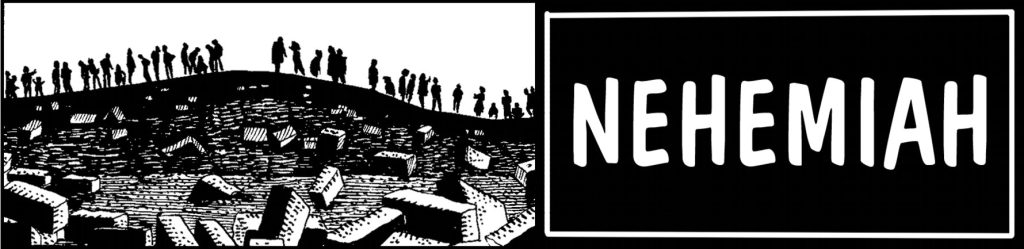
Introduction to Nehemiah (Christian Community Bible)

(The Catholic Christian Community Bible [first English edition 1997, other translations into Indonesian, Chinese, Cebuano, Chavacano, French, Ilonggo, Korean, Quechuan, Spanish, and Tagalog] “for the Christian Communities of the Third World” uses the following introduction.)

The books of Samuel and Kings related five centuries of Israel’s history without interruption, from David to the Babylonian exile.

Then came the seventy years of “Captivity,” or Exile. Not all the people were de ported. Most of the people who remained on the land were small farmers. They had neither political nor spiritual leaders and did little to put the nation back on its feet.

In the year 538 B.C. a decree of Cyrus, conqueror of the Chaldeans, authorized the return to their homeland of all the Jews deported to Babylon. This gesture of Cyrus was above all political, but the Bible sees in it the fulfillment of God’s promises to the prophets (especially to Jeremiah and Ezekiel). The decree of Cyrus marked the beginning of the return of the deportees: they were to revive the nation. The first came back with Zorobabel, a descendant of the kings. After a difficult start, they re organized themselves under the direction of Ezra and Nehemiah in the following century.

The decree of Cyrus did not modify the political situation of Palestine which had become a province of the Empire. Jerusalem remained under the authority of Samaria with regard to administration and the aristocracy of Samaria had no desire to be surpassed by the notables of Judah returning to their homeland after fifty years of exile. This accounts for the conflict between Jews and Samaritans which was to remain irreconcilable.

Not all the Jews returned to their land. Many of them had emigrated abroad before the exile and remained in the countries where they were living: Egypt, Assyria, Persia. Others, who had been deported, did not come back from Babylon, for they had succeeded in overcoming their miserable situation with one another’s help, and now held good positions there. Those who returned arrived as families and organized groups; they were the Jews who had best assimilated the prophets’ message, urging them to rebuild a purified and holy Israel.

For them a first danger was that, by settling in their homeland among foreigners and Jews not too attuned to their mission, they might lose their enthusiasm. That is why the work of Ezra and Nehemiah was very important in keeping the Jews united among themselves and apart from everyone else. See especially the problem of mixed marriages (Ezra 9-10; Ne 9:2 and 13:10-30).

Later, in his biblical work, Ezra played a decisive role by collecting the books and putting them together for the first time, and making the Sacred Book the basis of their religion. Until that time, the existing books of the Bible were kept only in the hands of the priests, and it was enough for the people to attend the traditional Temple ceremonies. It was Ezra who started a new form of worship through which the communal reading of the Bible would become the basis of the people’s religious life, bringing them to a more grounded and responsible faith. See Nehemiah 8. Ezra’s role in the formation of the Bible is remembered in 2 Maccabees 2:13-14.

Ezra’s reform gave the Jewish community of the post-Babylonian exile its unique features. the people of God became a holy people, consecrated to God and separated from others by the many barriers of their Law. Their reason for being was to maintain the worship of the only God and, since they did not have national independence, their priests held both civil and religious power, in the name of God.

At first, these two books formed only one book. They provide us with some information concerning the work accomplished by these two men. The following steps toward the restoration of the Jewish community can be seen:

– Beginning with the decree of Cyrus in 538 B.C., several groups of exiles come back to Jerusalem and Zerubbabel rebuilds THE TEMPLE: see Ezra 1:1 to 4:5 and 4:24 to 6:2.

– Then, the enemies of the Jews try to prevent the reconstruction of THE CITY (see Ezra 4:7-23).

– In 458 perhaps, Ezra comes to organize the community, imposing the Law of Moses as a rule (see Ezra 7 to 10).

– In 445 Nehemiah comes from Persia and he rebuilds THE WALLS. Then he administers Jerusalem for twelve years (see Ne 1 to 7).

– Finally, there is Nehemiah’s second mission in 425 (see Ne 13).

Down below are the introductions in the Mandarin Chinese, Tagalog, Cebuano, and Spanish editions.

Translation: Mandarin Chinese

乃赫米雅(厄斯德拉下):引言历史背景

《撒慕尔纪》和《列王纪》叙述了从达味时代到流放至巴比伦这五百年的以色列历史,中间没有间断。

接下来便是七十年的沦陷,或者说是流放。但是并非所有百姓都遭到流放。留在国土上的大部分是小农,他们没有领导者,也没有精神上的领袖,因此对于光复国家无所作为。

公元前538年,加色丁的征服者居鲁士发了一道谕令,让流放到巴比伦的所有以色列人返回他们的家园。居鲁士的这一姿态,首先是出于政治目的,圣经将此视为天主对先知们(尤其是耶肋米亚和厄则克耳)的许诺的应验。居鲁士的谕令标志着流放者回归的开始:他们将要复兴国家。首先启程回国的人是和国王的后裔则鲁巴贝耳一起走的。历经了艰难的开头之后,犹太人终于在下一个世纪,在厄斯德拉和乃赫米雅的引导下得到了重组。

厄斯德拉的改革

居鲁士的谕令并未缓和已成为波斯帝国一个省份的巴勒斯坦的政治局势。耶路撒冷仍然处于撒玛利亚人的管辖之下,撒玛利亚贵族不想被经过五十年的流放之后重返家园的犹太贵族后来居上。这便引发了犹太人和撒玛利亚人之间不可调和的冲突。

并非所有的犹太人都回到了故土。许多人在流放之前就已移居他国,并继续留在他们的居住国,如埃及、亚述、波斯等地。有些被流放到巴比伦的人没有回来,因为他们互相帮助,已成功地克服了困难,在当地享有不错的地位。而那些以整个家族或以有组织的团体形式迁回的,是最能认同先知信息的犹太人,这促成他们重建一个纯洁神圣的以色列。

对他们来说,第一项危机就是定居在外方人充斥的家园,犹太人并没有完全认知他们的使命,这可能使他们失去热情。这就是厄斯德拉和乃赫米雅促成犹太人本身团结,不和其他民族混在一起的工作,它的重要性所在。请特别参阅异族通婚的问题(厄上9-10;厄下9:2和13:10-30)。

后来,在圣经工作中,对于收集书卷并首次将这些作品编纂在一起,使圣典形成宗教基础这方面,厄斯德拉扮演了决定性的角色。在此之前,圣经都是被收藏在宫殿里或把持于司祭的手中,对民众来说,只要能参加传统的圣殿仪式就足够了。

厄斯德拉开创了新的礼拜形式,使共同阅读圣经成为民众宗教生活的基础,从而使他们的信仰更稳固。见厄下9:2。加下2:13-14追忆了厄斯德拉在编纂圣经成书上的地位。

厄斯德拉的改革使经过巴比伦流放之后的犹太团体有了其独特性。天主的子民成为一神圣的民族,献身于天主,并以许多律法屏障和其他民族相隔离。他们生存就是要维持对唯一天主的敬拜,而且因为他们并非独立国家,司祭便以天主之名掌握了世俗和宗教的权力。

《厄斯德拉》和《乃赫米雅》

最早,这两卷书是不分的。即使现在,我们也称前者为厄斯德拉上,后者为厄斯德拉下(乃赫米亚)。这些书卷提供了有关这两个人所完成的工作的资料。以下是犹太团体光复的步骤:

1) 从公元前538年居鲁士颁布谕令开始,好些被流放的团体和则鲁巴贝耳返回故土,重建圣殿(厄上1:1-4:5;4:24-6:2)。

2) 而后,犹太人的敌众想要阻止圣城的重建(厄上4:7-23)。

3) 大约在公元前458年,厄斯德拉开始组织团体,将梅瑟律法强制成规则(厄上7-10)。

4) 公元前445年,乃赫米雅从波斯归来,重筑城墙,而后治理耶路撒冷长达十二年(厄下1-7)。

5) 最后则是乃赫米雅在公元前425年的第二项使命(厄下13)。

Translation: Tagalog

Mga Kaalamang Pangkasaysayan

Isinalaysay sa atin ng mga libro ni Samuel at ng Mga Hari ang limang dantaong walang lagot na kasaysayan ng Israel, mula kay David hanggang sa Pagkatapon sa Babilonia.

At pagkatapos ay dumating naman ang pitumpung taon ng “Pagkabihag” o Pagkatapon. Hindi naman idineport ang buong bayan. Mas malaking bahagi ng sambayanan na binubuo ng maliliit na magsasaka ang naiwan sa kanilang lupain. Pero wala silang mga pinuno o mga lider espirituwal, wala silang ginawa para ibangon ang kanilang bansa. Nabuhay lamang muli ang bansa dahil sa mga itinapon na umuwing kasama ni Zorobabel pabalik sa kanilang lupain. At pagkaraan ng mahirap na pagsisimula, nareorganisa sila sa ilalim ng pamumuno nina Esdras at Nehemias.

Ang Reporma ng Esdras

Hindi lahat ng Judio ay bumalik sa kanilang lupain. Marami sa kanila ang nangibang-bayan na bago pa ang Pagkatapon at nanatili sila sa mga bayang kanilang tinitirhan: sa Ehipto, Asiria, Persia. Ang iba naman sa mga idineport ay hindi umuwi mula sa Babilonia kung saan nila napagtagumpayan ang miserable nilang kalagayan, at sa pagtutulung-tulong ay nagkaroon sila ng magagandang posisyon. Pero ang mga nagsibalik ay pami-pamilyang dumating at bilang mga grupong organisado. Sila ang lubos na nakapagsaloob sa mensahe ng mga propeta na nag-aanyaya sa kanilang itayong muli ang isang Israel na dinalisay at banal.

Para sa kanila, ito ang unang panganib na makakaharap nila sa pagtira sa sariling bayan sa piling ng mga dayuhan at mga Judiong di gaanong mulat sa kanilang misyon: baka mawalan sila ng sigasig. Kaya mahalaga ang gawa nina Esdras at Nehemias sa pagpapanatili sa pagkakabuklod ng mga Judio sa isa’t isa at hiwalay sa lahat ng iba pa. Tingnan lalo na ang problema ng pag-aasawa ng mga may magkaibang relihiyon (Esdras 9-10; Nehemias 9:2 at 13:10-30).
At naging mahalaga ang gawang pambiblia ni Esdras na siyang nagtipon sa mga libro ng Biblia sa unang pagkakataon, at pagkatapos ay ginawang base ng kanilang relihiyon ang Banal na Aklat. Hanggang sa mga sandaling iyon, ang mga libro ng Biblia na meron na noon ay nasa palasyo lamang o sa mga kamay ng mga pari at sapat na para sa bayan ang dumalo sa tradisyunal na mga seremonya sa Templo. Si Esdras ang nagsimula ng isang bagong paraan ng pagsamba kung saan ang pangkomunidad na pagbasa sa Biblia ang magiging base ng buhay relihiyoso ng mga sambayanan. Ito ang maghahatid sa kanila sa isang pananampalatayang mas matatag at mas responsable. Tingnan ang Nehemias 8. Inaalala sa 2 Mac 2:13-14 ang papel ni Esdras sa pagbubuo ng Biblia.

Ang repormang ito ni Esdras ang nagbigay ng mga sariling katangian sa pamayanang Judio pagkatapos ng Pagkatapon sa Babilonia. Ang bayan ng Diyos ay naging isang bayang banal, o bayang nakatalaga sa Diyos at inihiwalay sa iba pa ng maraming harang ng kanilang Batas. Sila ay nabubuhay lamang para ipagpatuloy ang pagsamba sa Kaisa-isahang Diyos, at dahil wala silang pambansang kalayaan, hawak ng mga pari sa ngalan ng Diyos ang kapwa kapangyarihang sibil at panrelihiyon.

Ang Libro Nina Esdras at Nehemias

Sa simula’y iisa lamang ang dalawang librong ito. Binibigyan tayo ng mga ito ng ilang impormasyon tungkol sa ginawa ng dalawang lalaking iyon. Mapapansin ang sumusunod na mga hakbang sa muling pagtatayo sa pamayanang Judio:

– Nagsimula sa dekreto ni Ciro sa taong 538 ang pagbabalik sa Jerusalem ng maraming grupo ng mga itinapon, at doon muling itinatayo ni Zorobabel ANG TEMPLO. (Tingnan ang Esdras 1:1 hanggang 4:5 at 4:24 hanggang 6:2).
– At sinikap namang hadlangan ng mga kaaway ng mga Judio ang muling pagtatayo sa LUNSOD. (Tingnan ang Esdras 4:7-23).
– Mga taong 458 siguro nang dumating si Esdras para buuin ang pamayanan, sa pagta-tadhana sa Batas ni Moises bilang isang panuntunan. (Tingnan ang Esdras 7 hanggang 10).
– Taong 445, dumating naman si Nehemias galing Persia, at sinimulan niya ang muling pagtatayo ng MGA PADER. At pagkatapos ay labindalawang taon niyang pinamahalaan ang Jerusalem. (Tingnan ang Nehemias 1 hanggang 7).
– At sa katapusan, may pangalawang misyon si Nehemias sa taong 425. (Tingnan ang Nehemias 13).

Translation: Cebuano

Ang mga basahon, Samuel ug Mga Hari, nag-asoy sa walay bugto nga kasaysayan sa Israel sulod sa lima ka siglo gikan ni David hangtod sa Pagkabihag nila sa Babilonia.

Unya, miabot ang kalim-an ka tuig sa Pagkabihag. Dili tanan sa katawhan ang gihinginlan. Kasagaran sa nahibilin mga gagmayng mag-uuma. Dili sila hanas sa pagpangulo ug yano ra sab ang ilang pagtoo, mao nga wala silay gibuhat aron sa pagpabangon sa ilang nasod. Salamat kay nabalik ang mga Judio nga nabihag ubos ni Zorobabel; human sila makasinatig lisod nga sinugdan, nakahimo ra sila pagbarog ug pagbangon ubos sa pagpangulo ni Esdras ug Nehemias.

Ang mga Reporma nga Gihimo ni Esdras

Dili tanan sa mga Judio mibalik sa ilang yuta. Daghan nila milangyaw ug nanimpalad gawas sa nasod, bisan sa wala pa ang pagkabihag. Daghan ang namuyo na sa Ehipto, sa Asiria, sa Persia. Ang ubang Judio sa Babilonia, tungod sa maayo na nilang pagkabutang, ug sa gihuptan nga maayong katungdanan, wala na makahunahunag balik sa kanhi nilang yutang natawhan. Apan kadtong mibalik, miabot isip mga pamilya ug nagkahugpong nga mga pundok; ang mga Judio nga matinud-anon sa mensahe sa mga propeta nga nag-awhag nila sa pagpabarog og usab sa putli ug balaang Israel.

Alang nila, ang unang hulga nga ilang giatubang mao nga sa nagpuyo sila uban sa mga langyaw ug sa mga Judio nga wala maanad sa ilang misyon, tingalig masuyop ug mawad-ag kadasig. Mao man gani nga ang gihimo ni Esdras ug Nehemias importanti kaayo aron ang mga Judio magpabiling magkahiusa halayo sa uban nga lahi nila. Basaha labi na ang problema sa panagminyoay sa taga gawas (Esd 9-10; Ne 9:2 ug 13:10-30).

Sa paglabay sa panahon, ang balaang sinulat nga gihimo ni Esdras nakatampo og dako sa paghipos sa ubang basahon sa Biblia; gihiusa ni sa unang higayon, hangtod nga ang Balaang Kasulatan nahimong sukaranan sa ilang tinoohan. Niadtong panahona, ang mga basahon sa Biblia gitagoan sa mga palasyo o sa kaparian; igo na alang sa mga tawo ang pagtambong sa naandang seremonyas sa Templo. Si Esdras ang nagsugod ining bag-ong paagi sa pagsimba diin ang katilingbanong pagbasa sa Biblia nahimong kabahin sa tinoohanong kinabuhi sa katawhan. Kini ang nagdala nila sa pagtoo nga lig-on ug hingkod. Basaha ang Ne 8. Ang tampo ni Esdras sa paghimo sa Biblia gihinumdoman sa 2 Mac 2:13-14.

Ang mga kausaban ni Esdras nakahimo sa katilingbang Judio nga lahi sa kaniadto nga wala pa sila mabihag. Ang katawhan sa Diyos gipalayo sa ubang tawo pinaagi sa ilang Balaod. Ang hinungdan nganong ingon sila ani mao nga nagpabilin sila pagsimba sa usa ra ka Diyos, ug wala silay nasodnong kaugalingnan. Sa ngalan sa Diyos, ang ilang mga pari naghupot sa gahom sibil ug relihiyoso.

Amg Basahon ni Esdras ug Nehemias

Sa una, giusa kining duha ka basahon nga naghatag og kasayoran kabahin sa gipanghimo ining duha ka tawo. Makita sa mosunod ang mga ang-ang sa ilang pagpabarog pag-usab sa Judiong katilingban:
– Nagsugod ni sa kamandoan ni Hari Ciro sa 538 B.C.
– Dihay ubay-ubay nga pundok sa mga binihag nga mibalik sa Jerusalem, diin ubos ni Zorobabel gisugdan ang pagpabangon sa TEMPLO. (Basaha sa Esd 1:1 ngadto sa 4:5 ug 4:24 ngadto sa 6:2).
– Dayon, misulay ang mga kaaway sa mga Judio pagsanta sa subling pagtukod Sa SYUDAD (Esd 4:7-23).
– Sa mga tuig 458, B.C., lig-ong giumol ni Esdras ang katilingban; iyang gigamit ang Balaod ni Moises isip batakang balaod (basa sa Esd 7 ngadto sa 10).
– Sa tuig 445, miabot si Nehemias gikan sa Persia, ug iyang gitukod pag-usab ANG MGA PARIL ug gidumala ang Jerusalem sulod sa dose ka tuig.
– Sa kataposan, naa ang ikaduhang misyon ni Nehemias sa tuig 425 (basa sa Ne 13).

Translation: Spanish

El Judaísmo

Esdras y las Crónicas

La deportación a Babilonia de las elites del pueblo de Judá, en los años 606 y 587, puso fin a la nación de Israel en la tierra de Palestina. La mayor parte de ese pueblo, las tribus del norte: Efraím, Manasés y las otras menos importantes, habían ya dejado de existir como “reino de Israel” después de las deportaciones asirias de los años 634 y 621.

Cuando el persa Ciro se apoderó de Babilonia, su edicto del año 538 invitó a los deportados de Judá a reconstruir, no ya su reino, sino una provincia persa de Jerusalén. Pero nada parecido ocurre con las tribus del norte. Estas nunca pudieron imponer su cultura y su religión a los cananeos y a los nuevos inmigrantes con los cuales se habían mezclado (2Re 17,24-34).

La historia de Israel en Palestina será en adelante la de la provincia de Judá, y de la palabra Judeo se derivó la palabra Judío. La comunidad religiosa y cultural que va a nacer y desarrollarse, será conocida por la historia como el Judaísmo.

Las Crónicas y los libros de Esdras son los testimonios de la formación del Judaísmo. Estos libros, que sólo entraron muy tardíamente a la Biblia hebrea, son inseparables.

Esdras y Nehemías

No es fácil discernir lo que corresponde a cada uno de estos dos hombres. Además de las otras razones que pudieron inducir al autor a mezclar la obra de los dos, se dejó engañar por el hecho de que sus documentos mencionaban en diversos lugares al rey Artajerjes (Esd 4; 7; 8,1; Ne 1; 2; 5; 13...) como si hubiera sido uno solo. Ahora bien, hubo dos reyes con ese nombre: Artajerjes I que reinó de 465 a 423, y Artajerjes II, de 404 a 358.

Lo más probable es que Nehemías haya llegado a Jerusalén el 445 y que volvió donde el rey el 433. Luego regresó para una segunda misión en una época no determinada. Tal vez ya no estuviera cuando reinó Darío II (423-404). Y fue sólo el séptimo año de Artajerjes II (Esd 7,8), o sea el 398, cuando Esdras llegó a Jerusalén.

Las etapas de la reconstrucción de un pueblo

El decreto de Ciro del 538 fue un signo de su benevolencia con las diferentes culturas y religiones de los pueblos que había reunido en su inmenso imperio. Pero había también intenciones políticas. Sea como fuere, no se equivocó al confiar en los judíos. Los judíos que habían ya emigrado a muchas regiones del Medio Oriente habían adquirido la fama de personas más confiables. La reconstrucción del pueblo de Dios será, pues, tanto fruto de la pedagogía de Dios en los siglos anteriores como producto de las circunstancias que Dios había previsto en la historia mundial.

Zorobabel

Una primera ola de deportados regresa al país de Judá y se esfuerza por abrirse un espacio allí donde otros han ocupado los espacios abandonados. Zorobabel, un descendiente de Joaquín, el último rey, se destaca entre los exiliados y toma la iniciativa de reconstruir el Templo, aunque sólo levanta una pobre réplica de éste. El asunto no era tan simple como parecía (Esd 4,1-6). Los profetas Ageo y Zacarías estimulan el trabajo. El templo es reconstruido el año 520 (Ag 1,1; Za 1,1). Ésa fue una primera etapa.

Nehemías

La reconstrucción del Templo produjo roces entre los repatriados y el pueblo que se había quedado en el país. Cuestión de intereses, es cierto, por el temor de los que estaban ante la llegada de grupos más motivados y que contaban con el apoyo del rey. Pero también cuestión religiosa, porque si el pueblo de Dios ya no se identifica con una nación ni con un territorio, hay que fijar de nuevo los criterios de pertenencia a la comunidad.

Transcurrieron así cerca de ochenta años. El entusiasmo de los repatriados decayó, la moralidad se rebajó al nivel mismo de la población del país. Los profetas Zacarías, Malaquías y el tercer Isaías denuncian las mismas fechorías que los profetas anteriores.

Es entonces cuando Nehemías se siente llamado. Comprende que la comunidad no será respetada si no tiene fronteras. No pretende independizarse del imperio persa, pero se necesitan murallas para hacer frente a las amenazas y violencias de los poderes intermediarios y de los vecinos. Luego, será necesario reorganizar la comunidad, exigiendo a los más ricos la solidaridad con sus hermanos necesitados, y respetando la prioridad que se debe al culto divino. La comunidad escapará al peligro de ser asimilada por el medio ambiente merced a barreras que se impondrán de a poco: no habrá más matrimonios mixtos y la familia será judía; se respetará el descanso sabático; el poder civil será responsable de la fidelidad religiosa al igual que los sacerdotes.

Esdras

Esdras llega veinte años después de Nehemías. El Gran Rey quiere que cada pueblo tenga un código de leyes escritas; por eso confía, para los judíos, en un maestro de la Ley. La Ley del pueblo judío estaba toda en los libros sagrados. Aunque no se sabe de forma precisa si Esdras participó personalmente en la redacción de los libros santos, a él se debió su recopilación (Ne 8,1). Él fue quien realmente instauró el “judaísmo” al hacer de la lectura y de la puesta en práctica de esa Ley la regla suprema de la comunidad. El documento que se lee en Ne 10 (el nombre de Nehemías en el versículo 2 es una inserción anacrónica) es la confirmación de lo que éste ya había emprendido.

Con Esdras, que es un sacerdote, y con su misión oficial, los sacerdotes pasan a ser el grupo dominante. Estarán ligados al poder imperial persa y serán los garantes de la estabilidad, lo que, en el plano religioso, contiene una amenaza para el porvenir. Se pensará que la prosperidad del Templo, los sacrificios, la aceptación de la Ley aseguran las correctas relaciones entre Dios y su pueblo. Pero la espera de tiempos nuevos se va debilitando; el profetismo pasa a ser marginal y sus obras tardías se incluirán en los libros anteriores tal como fue el caso de Joel y de la segunda parte de Zacarías.

De ese judaísmo no se renegará, sino que será seriamente cuestionado por la invasión de la cultura helénica, y como una respuesta del alma judía aparecerá el movimiento asideo. Véase al respecto la introducción a Daniel.

Introduction to Ezra (Christian Community Bible)

(The Catholic Christian Community Bible [first English edition 1997, other translations into Indonesian, Chinese, Cebuano, Chavacano, French, Ilonggo, Korean, Quechuan, Spanish, and Tagalog] “for the Christian Communities of the Third World” uses the following introduction.)

The books of Samuel and Kings related five centuries of Israel’s history without interruption, from David to the Babylonian exile.

Then came the seventy years of “Captivity,” or Exile. Not all the people were de ported. Most of the people who remained on the land were small farmers. They had neither political nor spiritual leaders and did little to put the nation back on its feet.

In the year 538 B.C. a decree of Cyrus, conqueror of the Chaldeans, authorized the return to their homeland of all the Jews deported to Babylon. This gesture of Cyrus was above all political, but the Bible sees in it the fulfillment of God’s promises to the prophets (especially to Jeremiah and Ezekiel). The decree of Cyrus marked the beginning of the return of the deportees: they were to revive the nation. The first came back with Zorobabel, a descendant of the kings. After a difficult start, they re organized themselves under the direction of Ezra and Nehemiah in the following century.

The decree of Cyrus did not modify the political situation of Palestine which had become a province of the Empire. Jerusalem remained under the authority of Samaria with regard to administration and the aristocracy of Samaria had no desire to be surpassed by the notables of Judah returning to their homeland after fifty years of exile. This accounts for the conflict between Jews and Samaritans which was to remain irreconcilable.

Not all the Jews returned to their land. Many of them had emigrated abroad before the exile and remained in the countries where they were living: Egypt, Assyria, Persia. Others, who had been deported, did not come back from Babylon, for they had succeeded in overcoming their miserable situation with one another’s help, and now held good positions there. Those who returned arrived as families and organized groups; they were the Jews who had best assimilated the prophets’ message, urging them to rebuild a purified and holy Israel.

For them a first danger was that, by settling in their homeland among foreigners and Jews not too attuned to their mission, they might lose their enthusiasm. That is why the work of Ezra and Nehemiah was very important in keeping the Jews united among themselves and apart from everyone else. See especially the problem of mixed marriages (Ezra 9-10; Ne 9:2 and 13:10-30).

Later, in his biblical work, Ezra played a decisive role by collecting the books and putting them together for the first time, and making the Sacred Book the basis of their religion. Until that time, the existing books of the Bible were kept only in the hands of the priests, and it was enough for the people to attend the traditional Temple ceremonies. It was Ezra who started a new form of worship through which the communal reading of the Bible would become the basis of the people’s religious life, bringing them to a more grounded and responsible faith. See Nehemiah 8. Ezra’s role in the formation of the Bible is remembered in 2 Maccabees 2:13-14.

Ezra’s reform gave the Jewish community of the post-Babylonian exile its unique features. the people of God became a holy people, consecrated to God and separated from others by the many barriers of their Law. Their reason for being was to maintain the worship of the only God and, since they did not have national independence, their priests held both civil and religious power, in the name of God.

At first, these two books formed only one book. They provide us with some information concerning the work accomplished by these two men. The following steps toward the restoration of the Jewish community can be seen:

– Beginning with the decree of Cyrus in 538 B.C., several groups of exiles come back to Jerusalem and Zerubbabel rebuilds THE TEMPLE: see Ezra 1:1 to 4:5 and 4:24 to 6:2.

– Then, the enemies of the Jews try to prevent the reconstruction of THE CITY (see Ezra 4:7-23).

– In 458 perhaps, Ezra comes to organize the community, imposing the Law of Moses as a rule (see Ezra 7 to 10).

– In 445 Nehemiah comes from Persia and he rebuilds THE WALLS. Then he administers Jerusalem for twelve years (see Ne 1 to 7).

– Finally, there is Nehemiah’s second mission in 425 (see Ne 13).

Down below are the introductions in the Mandarin Chinese, Tagalog, Cebuano, and Spanish editions.

Translation: Mandarin Chinese

厄斯德拉上:引言历史背景

《撒慕尔纪》和《列王纪》叙述了从达味时代到流放至巴比伦这五百年的以色列历史,中间没有间断。

接下来便是七十年的沦陷,或者说是流放。但是并非所有百姓都遭到流放。留在国土上的大部分是小农,他们没有领导者,也没有精神上的领袖,因此对于光复国家无所作为。

公元前538年,加色丁的征服者居鲁士发了一道谕令,让流放到巴比伦的所有以色列人返回他们的家园。居鲁士的这一姿态,首先是出于政治目的,圣经将此视为天主对先知们(尤其是耶肋米亚和厄则克耳)的许诺的应验。居鲁士的谕令标志着流放者回归的开始:他们将要复兴国家。首先启程回国的人是和国王的后裔则鲁巴贝耳一起走的。历经了艰难的开头之后,犹太人终于在下一个世纪,在厄斯德拉和乃赫米雅的引导下得到了重组。

厄斯德拉的改革

居鲁士的谕令并未缓和已成为波斯帝国一个省份的巴勒斯坦的政治局势。耶路撒冷仍然处于撒玛利亚人的管辖之下,撒玛利亚贵族不想被经过五十年的流放之后重返家园的犹太贵族后来居上。这便引发了犹太人和撒玛利亚人之间不可调和的冲突。

并非所有的犹太人都回到了故土。许多人在流放之前就已移居他国,并继续留在他们的居住国,如埃及、亚述、波斯等地。有些被流放到巴比伦的人没有回来,因为他们互相帮助,已成功地克服了困难,在当地享有不错的地位。而那些以整个家族或以有组织的团体形式迁回的,是最能认同先知信息的犹太人,这促成他们重建一个纯洁神圣的以色列。

对他们来说,第一项危机就是定居在外方人充斥的家园,犹太人并没有完全认知他们的使命,这可能使他们失去热情。这就是厄斯德拉和乃赫米雅促成犹太人本身团结,不和其他民族混在一起的工作,它的重要性所在。请特别参阅异族通婚的问题(厄上9-10;厄下9:2和13:10-30)。

后来,在圣经工作中,对于收集书卷并首次将这些作品编纂在一起,使圣典形成宗教基础这方面,厄斯德拉扮演了决定性的角色。在此之前,圣经都是被收藏在宫殿里或把持于司祭的手中,对民众来说,只要能参加传统的圣殿仪式就足够了。

厄斯德拉开创了新的礼拜形式,使共同阅读圣经成为民众宗教生活的基础,从而使他们的信仰更稳固。见厄下9:2。加下2:13-14追忆了厄斯德拉在编纂圣经成书上的地位。

厄斯德拉的改革使经过巴比伦流放之后的犹太团体有了其独特性。天主的子民成为一神圣的民族,献身于天主,并以许多律法屏障和其他民族相隔离。他们生存就是要维持对唯一天主的敬拜,而且因为他们并非独立国家,司祭便以天主之名掌握了世俗和宗教的权力。

《厄斯德拉》和《乃赫米雅》

最早,这两卷书是不分的。即使现在,我们也称前者为厄斯德拉上,后者为厄斯德拉下(乃赫米亚)。这些书卷提供了有关这两个人所完成的工作的资料。以下是犹太团体光复的步骤:

1) 从公元前538年居鲁士颁布谕令开始,好些被流放的团体和则鲁巴贝耳返回故土,重建圣殿(厄上1:1-4:5;4:24-6:2)。

2) 而后,犹太人的敌众想要阻止圣城的重建(厄上4:7-23)。

3) 大约在公元前458年,厄斯德拉开始组织团体,将梅瑟律法强制成规则(厄上7-10)。

4) 公元前445年,乃赫米雅从波斯归来,重筑城墙,而后治理耶路撒冷长达十二年(厄下1-7)。

5) 最后则是乃赫米雅在公元前425年的第二项使命(厄下13)。

Translation: Tagalog

Esdras Introduksyon

Mga Kaalamang Pangkasaysayan

Isinalaysay sa atin ng mga libro ni Samuel at ng Mga Hari ang limang dantaong walang lagot na kasaysayan ng Israel, mula kay David hanggang sa Pagkatapon sa Babilonia.

At pagkatapos ay dumating naman ang pitumpung taon ng “Pagkabihag” o Pagkatapon. Hindi naman idineport ang buong bayan. Mas malaking bahagi ng sambayanan na binubuo ng maliliit na magsasaka ang naiwan sa kanilang lupain. Pero wala silang mga pinuno o mga lider espirituwal, wala silang ginawa para ibangon ang kanilang bansa. Nabuhay lamang muli ang bansa dahil sa mga itinapon na umuwing kasama ni Zorobabel pabalik sa kanilang lupain. At pagkaraan ng mahirap na pagsisimula, nareorganisa sila sa ilalim ng pamumuno nina Esdras at Nehemias.

Ang Reporma ng Esdras

Hindi lahat ng Judio ay bumalik sa kanilang lupain. Marami sa kanila ang nangibang-bayan na bago pa ang Pagkatapon at nanatili sila sa mga bayang kanilang tinitirhan: sa Ehipto, Asiria, Persia. Ang iba naman sa mga idineport ay hindi umuwi mula sa Babilonia kung saan nila napagtagumpayan ang miserable nilang kalagayan, at sa pagtutulung-tulong ay nagkaroon sila ng magagandang posisyon. Pero ang mga nagsibalik ay pami-pamilyang dumating at bilang mga grupong organisado. Sila ang lubos na nakapagsaloob sa mensahe ng mga propeta na nag-aanyaya sa kanilang itayong muli ang isang Israel na dinalisay at banal.

Para sa kanila, ito ang unang panganib na makakaharap nila sa pagtira sa sariling bayan sa piling ng mga dayuhan at mga Judiong di gaanong mulat sa kanilang misyon: baka mawalan sila ng sigasig. Kaya mahalaga ang gawa nina Esdras at Nehemias sa pagpapanatili sa pagkakabuklod ng mga Judio sa isa’t isa at hiwalay sa lahat ng iba pa. Tingnan lalo na ang problema ng pag-aasawa ng mga may magkaibang relihiyon (Esdras 9-10; Nehemias 9:2 at 13:10-30).
At naging mahalaga ang gawang pambiblia ni Esdras na siyang nagtipon sa mga libro ng Biblia sa unang pagkakataon, at pagkatapos ay ginawang base ng kanilang relihiyon ang Banal na Aklat. Hanggang sa mga sandaling iyon, ang mga libro ng Biblia na meron na noon ay nasa palasyo lamang o sa mga kamay ng mga pari at sapat na para sa bayan ang dumalo sa tradisyunal na mga seremonya sa Templo. Si Esdras ang nagsimula ng isang bagong paraan ng pagsamba kung saan ang pangkomunidad na pagbasa sa Biblia ang magiging base ng buhay relihiyoso ng mga sambayanan. Ito ang maghahatid sa kanila sa isang pananampalatayang mas matatag at mas responsable. Tingnan ang Nehemias 8. Inaalala sa 2 Mac 2:13-14 ang papel ni Esdras sa pagbubuo ng Biblia.

Ang repormang ito ni Esdras ang nagbigay ng mga sariling katangian sa pamayanang Judio pagkatapos ng Pagkatapon sa Babilonia. Ang bayan ng Diyos ay naging isang bayang banal, o bayang nakatalaga sa Diyos at inihiwalay sa iba pa ng maraming harang ng kanilang Batas. Sila ay nabubuhay lamang para ipagpatuloy ang pagsamba sa Kaisa-isahang Diyos, at dahil wala silang pambansang kalayaan, hawak ng mga pari sa ngalan ng Diyos ang kapwa kapangyarihang sibil at panrelihiyon.

Ang Libro Nina Esdras at Nehemias

Sa simula’y iisa lamang ang dalawang librong ito. Binibigyan tayo ng mga ito ng ilang impormasyon tungkol sa ginawa ng dalawang lalaking iyon. Mapapansin ang sumusunod na mga hakbang sa muling pagtatayo sa pamayanang Judio:

– Nagsimula sa dekreto ni Ciro sa taong 538 ang pagbabalik sa Jerusalem ng maraming grupo ng mga itinapon, at doon muling itinatayo ni Zorobabel ANG TEMPLO. (Tingnan ang Esdras 1:1 hanggang 4:5 at 4:24 hanggang 6:2).
– At sinikap namang hadlangan ng mga kaaway ng mga Judio ang muling pagtatayo sa LUNSOD. (Tingnan ang Esdras 4:7-23).
– Mga taong 458 siguro nang dumating si Esdras para buuin ang pamayanan, sa pagta-tadhana sa Batas ni Moises bilang isang panuntunan. (Tingnan ang Esdras 7 hanggang 10).
– Taong 445, dumating naman si Nehemias galing Persia, at sinimulan niya ang muling pagtatayo ng MGA PADER. At pagkatapos ay labindalawang taon niyang pinamahalaan ang Jerusalem. (Tingnan ang Nehemias 1 hanggang 7).
– At sa katapusan, may pangalawang misyon si Nehemias sa taong 425. (Tingnan ang Nehemias 13).

Translation: Cebuano

Ang mga basahon, Samuel ug Mga Hari, nag-asoy sa walay bugto nga kasaysayan sa Israel sulod sa lima ka siglo gikan ni David hangtod sa Pagkabihag nila sa Babilonia.

Unya, miabot ang kalim-an ka tuig sa Pagkabihag. Dili tanan sa katawhan ang gihinginlan. Kasagaran sa nahibilin mga gagmayng mag-uuma. Dili sila hanas sa pagpangulo ug yano ra sab ang ilang pagtoo, mao nga wala silay gibuhat aron sa pagpabangon sa ilang nasod. Salamat kay nabalik ang mga Judio nga nabihag ubos ni Zorobabel; human sila makasinatig lisod nga sinugdan, nakahimo ra sila pagbarog ug pagbangon ubos sa pagpangulo ni Esdras ug Nehemias.

Ang mga Reporma nga Gihimo ni Esdras

Dili tanan sa mga Judio mibalik sa ilang yuta. Daghan nila milangyaw ug nanimpalad gawas sa nasod, bisan sa wala pa ang pagkabihag. Daghan ang namuyo na sa Ehipto, sa Asiria, sa Persia. Ang ubang Judio sa Babilonia, tungod sa maayo na nilang pagkabutang, ug sa gihuptan nga maayong katungdanan, wala na makahunahunag balik sa kanhi nilang yutang natawhan. Apan kadtong mibalik, miabot isip mga pamilya ug nagkahugpong nga mga pundok; ang mga Judio nga matinud-anon sa mensahe sa mga propeta nga nag-awhag nila sa pagpabarog og usab sa putli ug balaang Israel.

Alang nila, ang unang hulga nga ilang giatubang mao nga sa nagpuyo sila uban sa mga langyaw ug sa mga Judio nga wala maanad sa ilang misyon, tingalig masuyop ug mawad-ag kadasig. Mao man gani nga ang gihimo ni Esdras ug Nehemias importanti kaayo aron ang mga Judio magpabiling magkahiusa halayo sa uban nga lahi nila. Basaha labi na ang problema sa panagminyoay sa taga gawas (Esd 9-10; Ne 9:2 ug 13:10-30).

Sa paglabay sa panahon, ang balaang sinulat nga gihimo ni Esdras nakatampo og dako sa paghipos sa ubang basahon sa Biblia; gihiusa ni sa unang higayon, hangtod nga ang Balaang Kasulatan nahimong sukaranan sa ilang tinoohan. Niadtong panahona, ang mga basahon sa Biblia gitagoan sa mga palasyo o sa kaparian; igo na alang sa mga tawo ang pagtambong sa naandang seremonyas sa Templo. Si Esdras ang nagsugod ining bag-ong paagi sa pagsimba diin ang katilingbanong pagbasa sa Biblia nahimong kabahin sa tinoohanong kinabuhi sa katawhan. Kini ang nagdala nila sa pagtoo nga lig-on ug hingkod. Basaha ang Ne 8. Ang tampo ni Esdras sa paghimo sa Biblia gihinumdoman sa 2 Mac 2:13-14.

Ang mga kausaban ni Esdras nakahimo sa katilingbang Judio nga lahi sa kaniadto nga wala pa sila mabihag. Ang katawhan sa Diyos gipalayo sa ubang tawo pinaagi sa ilang Balaod. Ang hinungdan nganong ingon sila ani mao nga nagpabilin sila pagsimba sa usa ra ka Diyos, ug wala silay nasodnong kaugalingnan. Sa ngalan sa Diyos, ang ilang mga pari naghupot sa gahom sibil ug relihiyoso.

Amg Basahon ni Esdras ug Nehemias

Sa una, giusa kining duha ka basahon nga naghatag og kasayoran kabahin sa gipanghimo ining duha ka tawo. Makita sa mosunod ang mga ang-ang sa ilang pagpabarog pag-usab sa Judiong katilingban:
– Nagsugod ni sa kamandoan ni Hari Ciro sa 538 B.C.
– Dihay ubay-ubay nga pundok sa mga binihag nga mibalik sa Jerusalem, diin ubos ni Zorobabel gisugdan ang pagpabangon sa TEMPLO. (Basaha sa Esd 1:1 ngadto sa 4:5 ug 4:24 ngadto sa 6:2).
– Dayon, misulay ang mga kaaway sa mga Judio pagsanta sa subling pagtukod Sa SYUDAD (Esd 4:7-23).
– Sa mga tuig 458, B.C., lig-ong giumol ni Esdras ang katilingban; iyang gigamit ang Balaod ni Moises isip batakang balaod (basa sa Esd 7 ngadto sa 10).
– Sa tuig 445, miabot si Nehemias gikan sa Persia, ug iyang gitukod pag-usab ANG MGA PARIL ug gidumala ang Jerusalem sulod sa dose ka tuig.
– Sa kataposan, naa ang ikaduhang misyon ni Nehemias sa tuig 425 (basa sa Ne 13).

Translation: Spanish

El Judaísmo

Esdras y las Crónicas

La deportación a Babilonia de las elites del pueblo de Judá, en los años 606 y 587, puso fin a la nación de Israel en la tierra de Palestina. La mayor parte de ese pueblo, las tribus del norte: Efraím, Manasés y las otras menos importantes, habían ya dejado de existir como “reino de Israel” después de las deportaciones asirias de los años 634 y 621.

Cuando el persa Ciro se apoderó de Babilonia, su edicto del año 538 invitó a los deportados de Judá a reconstruir, no ya su reino, sino una provincia persa de Jerusalén. Pero nada parecido ocurre con las tribus del norte. Estas nunca pudieron imponer su cultura y su religión a los cananeos y a los nuevos inmigrantes con los cuales se habían mezclado (2Re 17,24-34).

La historia de Israel en Palestina será en adelante la de la provincia de Judá, y de la palabra Judeo se derivó la palabra Judío. La comunidad religiosa y cultural que va a nacer y desarrollarse, será conocida por la historia como el Judaísmo.

Las Crónicas y los libros de Esdras son los testimonios de la formación del Judaísmo. Estos libros, que sólo entraron muy tardíamente a la Biblia hebrea, son inseparables.

Esdras y Nehemías

No es fácil discernir lo que corresponde a cada uno de estos dos hombres. Además de las otras razones que pudieron inducir al autor a mezclar la obra de los dos, se dejó engañar por el hecho de que sus documentos mencionaban en diversos lugares al rey Artajerjes (Esd 4; 7; 8,1; Ne 1; 2; 5; 13...) como si hubiera sido uno solo. Ahora bien, hubo dos reyes con ese nombre: Artajerjes I que reinó de 465 a 423, y Artajerjes II, de 404 a 358.

Lo más probable es que Nehemías haya llegado a Jerusalén el 445 y que volvió donde el rey el 433. Luego regresó para una segunda misión en una época no determinada. Tal vez ya no estuviera cuando reinó Darío II (423-404). Y fue sólo el séptimo año de Artajerjes II (Esd 7,8), o sea el 398, cuando Esdras llegó a Jerusalén.

Las etapas de la reconstrucción de un pueblo

El decreto de Ciro del 538 fue un signo de su benevolencia con las diferentes culturas y religiones de los pueblos que había reunido en su inmenso imperio. Pero había también intenciones políticas. Sea como fuere, no se equivocó al confiar en los judíos. Los judíos que habían ya emigrado a muchas regiones del Medio Oriente habían adquirido la fama de personas más confiables. La reconstrucción del pueblo de Dios será, pues, tanto fruto de la pedagogía de Dios en los siglos anteriores como producto de las circunstancias que Dios había previsto en la historia mundial.

Zorobabel

Una primera ola de deportados regresa al país de Judá y se esfuerza por abrirse un espacio allí donde otros han ocupado los espacios abandonados. Zorobabel, un descendiente de Joaquín, el último rey, se destaca entre los exiliados y toma la iniciativa de reconstruir el Templo, aunque sólo levanta una pobre réplica de éste. El asunto no era tan simple como parecía (Esd 4,1-6). Los profetas Ageo y Zacarías estimulan el trabajo. El templo es reconstruido el año 520 (Ag 1,1; Za 1,1). Ésa fue una primera etapa.

Nehemías

La reconstrucción del Templo produjo roces entre los repatriados y el pueblo que se había quedado en el país. Cuestión de intereses, es cierto, por el temor de los que estaban ante la llegada de grupos más motivados y que contaban con el apoyo del rey. Pero también cuestión religiosa, porque si el pueblo de Dios ya no se identifica con una nación ni con un territorio, hay que fijar de nuevo los criterios de pertenencia a la comunidad.

Transcurrieron así cerca de ochenta años. El entusiasmo de los repatriados decayó, la moralidad se rebajó al nivel mismo de la población del país. Los profetas Zacarías, Malaquías y el tercer Isaías denuncian las mismas fechorías que los profetas anteriores.

Es entonces cuando Nehemías se siente llamado. Comprende que la comunidad no será respetada si no tiene fronteras. No pretende independizarse del imperio persa, pero se necesitan murallas para hacer frente a las amenazas y violencias de los poderes intermediarios y de los vecinos. Luego, será necesario reorganizar la comunidad, exigiendo a los más ricos la solidaridad con sus hermanos necesitados, y respetando la prioridad que se debe al culto divino. La comunidad escapará al peligro de ser asimilada por el medio ambiente merced a barreras que se impondrán de a poco: no habrá más matrimonios mixtos y la familia será judía; se respetará el descanso sabático; el poder civil será responsable de la fidelidad religiosa al igual que los sacerdotes.

Esdras

Esdras llega veinte años después de Nehemías. El Gran Rey quiere que cada pueblo tenga un código de leyes escritas; por eso confía, para los judíos, en un maestro de la Ley. La Ley del pueblo judío estaba toda en los libros sagrados. Aunque no se sabe de forma precisa si Esdras participó personalmente en la redacción de los libros santos, a él se debió su recopilación (Ne 8,1). Él fue quien realmente instauró el “judaísmo” al hacer de la lectura y de la puesta en práctica de esa Ley la regla suprema de la comunidad. El documento que se lee en Ne 10 (el nombre de Nehemías en el versículo 2 es una inserción anacrónica) es la confirmación de lo que éste ya había emprendido.

Con Esdras, que es un sacerdote, y con su misión oficial, los sacerdotes pasan a ser el grupo dominante. Estarán ligados al poder imperial persa y serán los garantes de la estabilidad, lo que, en el plano religioso, contiene una amenaza para el porvenir. Se pensará que la prosperidad del Templo, los sacrificios, la aceptación de la Ley aseguran las correctas relaciones entre Dios y su pueblo. Pero la espera de tiempos nuevos se va debilitando; el profetismo pasa a ser marginal y sus obras tardías se incluirán en los libros anteriores tal como fue el caso de Joel y de la segunda parte de Zacarías.

De ese judaísmo no se renegará, sino que será seriamente cuestionado por la invasión de la cultura helénica, y como una respuesta del alma judía aparecerá el movimiento asideo. Véase al respecto la introducción a Daniel.

Introduction to 2 Chronicles (Christian Community Bible)

(The Catholic Christian Community Bible [first English edition 1997, other translations into Indonesian, Chinese, Cebuano, Chavacano, French, Ilonggo, Korean, Quechuan, Spanish, and Tagalog] “for the Christian Communities of the Third World” uses the following introduction.)

The book of Chronicles, now divided into two parts, was most probably written together with those of Ezra and Nehemiah in the fourth century before Christ, after the Jews came back from Exile: compare the last verses of Chronicles and the firsts of Ezra.

It was like a second attempt of telling the Sacred History from the beginning to the times of Judaism. The first attempt, much broader, had been carried out during the time of the Kings and Prophets and we find it in the previous books, from Genesis to Kings. Now, in taking again past events and memories, the author of Chronicles wanted to show that the future of the Jewish people depended on their faithfulness to the Law of Moses and to the prescriptions for worship.

In his time, the Jews were no longer an independent nation, but more or less an autonomous province of the Persian empire. There was a growing desire among them to become a “theocracy,” that is to say, a kingdom of God, ruled in God’s name by the priests. They were trying to forget the Persian administrators who left them quite free and they were organizing national life around the Temple and the law of Moses. They looked forward to the coming of “David’s son” and used to say: “If the Law were followed exactly throughout the country for one whole day, the Messiah would come.”

This is why the author is almost exclusively interested in the history of the kings of Judah, David’s descendants. While the author gives us a list of David’s ancestors all the way back to Adam, he does not say a word about the kingdom of Israel where most of the chosen people lived, because Israel had separated from the kingdom of David. The author gives us many colorful details not found in the books of Samuel and Kings, but generally speaking, his story seems unreal and uninteresting to us. Moreover, carried away by his enthusiastic faith, he delights in huge numbers and, at times, distorts reality to strengthen his point (compare 1 K 22:30 and 2 Chr 20:35; 2 S 12:31 and 1 Chr 20:3).

The author addresses Jewish people and strives to convince them that there is noblessing or future for them unless they remain strongly united around their faith, rooted in their land, obeying the Law and the priests and putting above all concerns the true worshipping in the temple of Jerusalem. The people of God must remain one and with a visible hierarchy.

How can we benefit from reading this book? On each page we will find the conviction that the believing people must have no other ambition but to fulfill the will of God; other victories will come as a gift. Moreover, it is a reminder that Christ’s people, even though they do not have visible borders now and do not live in isolation among other people, must not lose their uniqueness in an attempt to blend with the masses. Believers will never totally resemble those who do not believe, nor will they think in exactly the same way. They have their own mission and are concerned about the visible unity of the church, around those whom God placed among them as his representatives.

Down below are the introductions in the Mandarin Chinese, Tagalog, Cebuano, and Spanish editions.

Translation: Mandarin Chinese

编年纪下:引言

现在分为上下两篇的《编年纪》,很可能成书于公元前四世纪,在犹太人遭流放归来之后。与本书同时写成的有《厄斯德拉书》和《乃赫米雅书》,试比较《编年纪》最后几节的文字与《厄斯德拉书》的开篇叙述。

本书就如同第二次的尝试:再次讲述从元始到犹太王国时期的圣史。第一次的尝试已在列王和先知时代进行过了。本书囊括的范围更加广泛,我们可以在先前的几本书,从《创世纪》一直到《列王纪》中读到。《编年纪》的作者再一次叙述过去的事件和回忆,是为了告诉人们:犹太人民的未来取决于他们对梅瑟律法是否忠诚;对敬拜的法规是否遵循。

当时已不复存在一个独立的犹太国家,只能说它是波斯帝国里的一个自治省。人民对“神权统治”的渴望在升腾,也就是说,人民渴望天主的王国,一个由司祭借天主的名统治的国家。人民试图忘记给他们留有足够自由空间的波斯行政官员,而组织起一种围绕圣殿和梅瑟律法的国家生活。他们期待着“达味之子”的到来。他们说:“如果全国人民有条不紊地遵行律法,总有一天默西亚会来临。”

这就是作者为什么特别对达味后裔-犹大列王的历史感兴趣的原因。他给了我们一长串名单,追溯达味的祖先直到亚当,但只字未提大多数子民生活其间的以色列王国,因为那时以色列已从达味王国中分离出去了。作者给了我们许多色彩纷呈的细节,都是在《撒慕尔纪》和《列王纪》中找不到的内容。但总体看起来,他的故事似乎既虚假又乏味,更有甚者,作者受激情驱使,喜欢用庞大的数字,以致有时为了支持自己的观点,扭曲了真实(试比较列上22:30和编下20:35;撒下12:31和编上20:3)。

作者对犹太人民讲话,并竭力使之相信:除非他们紧密团结于信仰中,扎根于国土上,遵守律法,服从司祭,在耶路撒冷圣殿全身心地敬拜;否则,他们既得不到祝福,又没有未来。总之,天主子民必须统一,有着可见的等级制。

我们读此书能从中获得什么启示呢?那就是在每一页上都能找到的确信:信徒除了实现天主的意愿,不能有别的企望,然后胜利就会赐给你。这对基督的子民更是一种提醒:虽然他们现在生活在芸芸众生之中,他们仍不该也不会抛弃使命,因为他们是天主在人前的代表。

Translation: Tagalog

2 Mga Kronika Introduksyon

Para sa mga may gusto sa atin na malaman ang kasaysayan ng Israel, walang itinuturong bago ang Mga Kronika. Muli lamang isinusulat dito ang naisalaysay na sa mga libro ni Samuel at ng Mga Hari. Nasa paraan lamang ng pagpili sa mga pangyayari at sa paglalahad ng mga ito ang kaibahan.

Gustong ipakita ng sumulat ng Mga Kronika na nakasalalay sa katapatan sa Batas ni Moises at sa mga kautusan sa pagsamba ang kinabukasan ng sambayanang Judio.

Dahil sa kanyang panahon, hindi isang bansang malaya ang mga Judio, kundi parang isang malayang probinsya na lamang ng imperyo ng Persia. At may lumalaking pagnanasa sa kanila na maging isang “teokrasya,” na ibig sabihi’y isang kaharian ng Diyos na pinamumunuan ng mga pari sa kanyang pangalan. Sinisikap nilang kalimutan ang mga Persianong tagapamahala na hinayaan silang magkaroon ng sapat na kalayaan, at inoorganisa nila ang buhay ng bansa na sa Templo at sa Batas ni Moises nakasentro. Sa paghihintay nila sa pagdating ng “Anak ni David,” nakagawian na nilang sabihin: “Kung sa buong maghapon ay ganap na susundin ang Batas sa buong bansa, tiyak na darating ang Mesiyas.”

Kaya halos sa kasaysayan lamang ng mga hari ng Juda na mga inapo ni David interesado ang awtor. Bagamat ibinibigay niya sa atin ang listahan ng mga ninuno ni David, na pabalik pa hanggang kay Adan, wala naman siyang binabanggit na kataga man lamang tungkol sa kaharian ng Israel kung saan nabuhay ang karamihan sa bayang pinili, dahil hiwalay ito sa kaharian ni David. Maraming makukulay na detalye ang ibinibigay sa atin ng awtor na wala sa mga libro ni Samuel at ng Mga Hari, pero sa kabuua’y para bang di kapani-paniwala at nakakasawa para sa atin ang kanyang salaysay. Isa pa’y nadadala siya ng masigasig niyang pananampalataya, mahilig siya sa malalaking numero at pagkaminsa’y iniiba niya ang katotohanan para bigyang-diin ang gusto niyang sabihin (paghambingin ang 1 H 22:50 at 2 Kro 20:35, 2 S 12:31 at 1 Kro 20:3).

Ano naman ang mapapala natin sa pagbasa sa aklat na ito? Matutunghayan natin sa bawat pahina ang katiyakan na hindi dapat magkaroon ng ano pa mang ambisyon ang bayang sumasampalataya liban sa pagtupad sa kalooban ng Diyos: darating na lang ang iba pang mga tagumpay bilang regalo. At ipinaaalaala rin nito sa atin na hindi dapat iwala ng bayan ni Kristo ang pagiging orihinal at bukod-tangi, sa kabila ng kawalan nito ng mga nakikitang hangganan at di pamumuhay nang hiwalay sa gitna ng ibang mga tao upang mapalahok sa masa. Hinding-hindi ganap na makakahawig sa di-sumasampalataya ang sumasampalataya, ni maging katulad na katulad sa takbo ng isip. May sarili siyang misyon at iniingatan niya ang nakikitang pagkakaisa ng Iglesya sa paligid ng mga inilagay ng Diyos sa kanila para maging mga kinatawan niya.

Translation: Cebuano

Kon gusto tag dugang pang kasayoran sa kasaysayan sa Israel, ang Kronikas dyotay rag ikatampo: halos tanan nga gisaysay dinhi nasulat na sa Samuel ug sa mga Hari. Ang kalainan lang mao ang paagi sa pagpili sa mga hitabo ug sa pagpadayag ini.

Buot ipadayag sa tagsulat ining basahona nga ang kaugmaon sa katawhang Judio nag-agad sa kamaunongon sa Balaod ni Moises ug sa gilatid nga tulumanon sa pasimba.

Niining panahona, ang mga Judio dili na gawasnong nasod, apan lalawigan sa Persianong imperyo, bisag gihatagan silag dyotayng awtonomiya. Dako kaayo ang ilang pangandoy nga mahimong “Teyokrasya,” sa ato pa, gingharian sa Diyos nga magmando sa ngalan sa Diyos pinaagi sa kaparian. Ilang gisulayan nga dili lang manumbaling sa Persianong administrador nga naghatag nilag kagawasan sa pagpalambo sa nasodnong kinabuhi alirong sa Templo ug sa mga balaod ni Moises. Kanunay silang naglantaw sa pag-abot sa “anak ni David” ug sagad moingon: “kon hingpit lang nga motuman ang tanang katawhan sa Balaod, bisag sa usa ra ka adlaw, nan, moabot gyod ang Mesiyas.”

Mao man gani nga interesado kaayo ang tagsulat sa paghatag og dakong gibug-aton sa kasaysayan sa gingharian sa Juda nga kaliwat ni David. Gihatag sa tagsulat ang taas nga talaan sa katigulangan ni David, sukad ni Adan, apan wala niya hisgoti ang gingharian sa Israel diin namuyo ang kadaghanan sa piniling katawhan, kay ang Israel mibulag man sa gingharian ni David.

Daghang mabulokan nga mga detalye ang gisaysay sa tagsulat nga dili mabasa sa Samuel ug sa Mga Hari, apan sa kinatibuk-an, ang iyang istorya morag sumada ug dili nato katoohan nga mosaysayg dagkong mga numero, usahay tuison ang panghitabo, aron lang paglig-on sa buot niyang ipasabot (itandi ang 1 H 22:30 ug 2 Kro 20:35; 2 S 12:31 ug 1 Kro 20:3).

Unsay makuha natong kaayohan pagbasa ining basahona? Sa matag panid, makita ang hugot nga pagtoo, nga ang matoohong katawhan kinahanglang walay laing tinguhaon gawas sa pagtuman sa kabubut-on sa Diyos; ang ubang kadaogan naangkon kay gihatag ni isip gasa. Dugang pa, nagpahinumdom ni natong kristyanos nga bisag wala tay makita nga mga utlanan karon, ug wala magpuyo nga himulag sa ubang katawhan, kinahanglang dili ta malimot sa atong sinugdan, aron masagol ta ug dili mahilayo sa katawhan. Kinahanglan nga ang mga magtotoo dili gyod hingpit nga mahisama sa walay pagtoo, ni hingpit nga mahisama ang ilang panghunahuna. Aduna silay kaugalingong misyon, ug maglantaw kanunay alang sa makitang kahiusa sa simbahan, diin gipahimutang sa Diyos ang iyang mga tinugyanan.

Translation: Spanish

INTRODUCCION A LAS CRÓNICAS

En un primer momento las Crónicas parecen no contener muchas cosas que no hayamos leído en los libros anteriores, especialmente en los libros de Samuel y de los Reyes. La diferencia está en la manera de presentar los hechos.
Cuando regresaron los judíos deportados a Babilonia, Judá no era más que una provincia del imperio persa, pero la reforma de Esdras había hecho de los sacerdotes la única autoridad de la provincia judía. Los sacerdotes ahora quieren una historia de Israel que conduzca a sus lectores desde Moisés, que lo ha previsto todo, hasta Esdras, que ha reformado todo, pasando por el santo rey David que ha organizado y codificado la liturgia. Todo gira en torno al templo de Jerusalén y la vocación única del pueblo judío. El autor no quiere negar las faltas del pasado, pero sobre todo se necesitan grandes ejemplos; la vida y la obra de David y de Salomón, pues, recibirán un trato especial y serán escritas como una “vida de santos”, quedándose como figuras ejemplares.
Éste es el marco en que se escribieron las Crónicas. Un libro plagado de genealogías, porque entre los sacerdotes la posición dependía de la familia donde uno había crecido. No deberían extrañarnos, por tanto, las genealogías fabulosas con que comienza la obra: la genealogía de David se remonta ¡hasta Adán! Un libro lleno de cifras fantásticas (como los Números o como los 600.000 hombres del Éxodo). Una historia que sólo se ocupa del reino de Judá, olvidando o condenando a priori todo lo que había pasado en las otras tribus de Israel: en cuanto se separaron del centro elegido por Dios, perdieron el beneficio de sus promesas.

Las Crónicas, redactadas con toda probabilidad al final del siglo cuarto, siempre han sido consideradas como un libro reservado a los estudiosos y apenas encontraron un lugar en la liturgia judía. Hoy en día, para el lector que se toma la libertad de pegar un triple o cuádruple salto por encima de las listas interminables de nombres, deben su sabor a las numerosas tradiciones curiosas que han sabido conservar.

El libro manifiesta a veces una estrechez de espíritu propia de personas que viven de uno o dos principios. Pero también nos ofrece una visión grandiosa del culto de Dios, de la oración de un pueblo, de la convicción que el pueblo elegido debe tener de su propia identidad. Insiste, entre otras cosas, en que la unidad es a la vez la riqueza y la obligación del pueblo de Dios, condición para que la obediencia a Dios sea auténtica. Para nosotros la ciudad de Jerusalén y el Templo único han sido sustituidos por la Iglesia única. Ninguno de los que se buscan iglesias a su gusto podrá leer este libro sin sentirse interpelado.