
The Hebrew word tsori (“balm”) may be the basis for the word “storax,” which Zohary (Plants of the Bible. Cambridge University Press, 1982) takes to be a name for the dried resin of the liquidambar Liquidambar orientalis, a tree that is also called kataf or nataf in Hebrew.
The Hebrew word nataf does not occur outside of Exodus 30:34 in the Bible. The Septuagint renders it staktē, which New Revised Standard Version, updated edition transliterates as “stacte.” According to Zohary, nataf is a synonym of tsori (= storax), which is found six times in the Bible. The liquidambar (or storax) is a tree that used to grow widely in the Middle East and Turkey.
The liquidambar tree grows to 10 meters (33 feet) tall, and has deeply incised leaves with five points and round yellow flowers on a 4 centimeter (2 inch) stalk. The fruits are prickly. The sticky gray-brown gum is produced by making cuts in the trunk of the tree.
The Jeremiah and Ezekiel references indicate that tsori was medicinal. We conclude from Exodus 30:34 that it was aromatic. Genesis 37:25 shows that it was highly valued in trade with Egypt.
The genus Liquidambar was widespread many thousands of years ago, according to fossil evidence, but it disappeared from Europe when the glaciers came. The surviving species, apart from orientalis in the Middle East, are formosana in South China and Taiwan and styraciflua in the eastern United States and Central America.
The references to tsori in Genesis and Ezekiel are non-rhetorical, as is nataf in Exodus. If Zohary is correct, and the translator wants to be specific, then a transliteration of “storax” may be used in these passages. Alternatively, in Exodus 30:34 translators can use a generic expression such as “resin” or “gum resin”; that is, they can use their local word for the globs of hardened sap that come from trees that produce it.
If a word for “sweet-smelling healing ointment” exists, it can be used for tsori in Genesis. Tsori is the second of three spices the Ishmaelite traders carried in Genesis 37:25, the other two being neko’th (“gum”) and lot (“myrrh” or “resin”). Translators can cover all three words with a phrase such as “different kinds of sweet-smelling medicine and incense.” Transliteration is also possible, from Hebrew tsori or Arabic nakaa/nakati. “Balm” in English is not a good basis for transliteration.
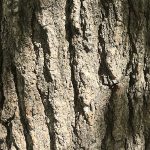

Source: Each According to its Kind: Plants and Trees in the Bible (UBS Helps for Translators)