Introduction to 1 Maccabees (Christian Community Bible)

(The Catholic Christian Community Bible [first English edition 1997, other translations into Indonesian, Chinese, Cebuano, Chavacano, French, Ilonggo, Korean, Quechuan, Spanish, and Tagalog] “for the Christian Communities of the Third World” uses the following introduction.)

1 Maccabees:Introduction

After Ezra and Nehemiah the Judean province, at the extreme end of the Persian empire, lived on the fringes of history for three centuries. Those with greater initiative dedicated themselves to trading and left their country to settle in all the urban centers around the Mediterranean. Yet, one hundred years after Nehemiah, in 333 B.C., Alexander the Great began to chart the Middle East countries, defeating all the enemy armies and overthrowing the kings. Although he died when he was thirty years old, his triumphs opened the way for the spread of Greek culture with its longing for growth, its confidence in human potential and its open spirit which surpassed national individualism.

Alexander’s generals parceled out his huge empire among themselves. The Ptolemies, who dominated Egypt and Palestine, were understanding and did not disturb the Jews for the sake of their religion and customs. But when the Antiochians of Syria defeated the Egyptians in 197 and took Palestine away from them, they began to impose their pagan religion on the Jews.

This fierce persecution caused the uprising of the Jews headed by the Maccabean family. The first book of Maccabees – acknowledged as one of the most perfect books of ancient history — relates the events in the war and the deeds of the five Maccabean brothers, from the year 170 to 130 B.C.

Holy War, Liberation War

The book of Maccabees shows us a people who desire to live but for whom faith is more valuable than even life itself. When all have become accustomed to living without conflicts, persecution begins. Many are convinced they can do nothing against such a great power and that the risks are too great to overcome. Then the Spirit of God engenders new heroes through whom people recover their sense of dignity, fighting for those rights that make them fully human and true believers.

The Jewish people found themselves alone against their oppressors, and their Roman allies were not much help. They relied on their own strength and God helped them in their efforts.

The Maccabean wars are models of holy wars. They also proved that holy wars do not solve everything. Caught up in military problems and in political games, the Maccabees’ descendants soon became materialistic and were despised or opposed by true believers.

Down below are the introductions in the Mandarin Chinese, Tagalog, Cebuano, and Spanish editions.

Translation: Mandarin Chinese

玛加伯上:引言

位于波斯帝国最边缘的犹太省份,在厄斯德拉和乃赫米雅之后,有三百年的时间是生活在历史的边缘。一些较主动积极的人投身于商业,他们远离家乡,定居在地中海沿岸的各个城市中。但是,在乃赫米雅之后一百年,也就是公元前333年,亚历山大大帝开始征讨中东国家,打败了所有的敌军,推翻了诸王。虽然亚历山大本人在三十岁时便去世了,但是他的胜利为希腊文化开辟了道路。希腊文化的特色在于追求成长,对人类的能力充满信心,以及超越民族、个人主义的开放胸襟。

亚历山大的将领们瓜分了这个大帝国。统治埃及和巴勒斯坦的仆托肋米相当善体民意,并没有因为犹太人的宗教习俗而和他们过不去。但是,公元前197年,叙利亚的安提约基雅人打败了埃及人,并夺走巴勒斯坦,将自己的宗教强加于犹太人。

这种残酷的迫害激发了由玛加伯家族所领导的犹太人的反抗。玛加伯上卷被认为是最完美的古代历史书卷之一,记载了公元前170年到130年的战争和玛加伯五兄弟的事迹。

圣战 · 解放战争

玛加伯书告诉我们一个视信仰重于生命的民族追求生存的故事。当大家习惯于在没有冲突的情况下过日子时,迫害开始了。很多人相信自己无力抵抗如此强权,如果要抵抗,所冒的险未免太大了。但是天主的圣神使新的英雄出现,正是他们使人民恢复了自尊,决定为自己的权利而战。

犹太人发现自己是孤军对付他们的压迫者,他们的罗马盟友并没有帮什么忙。他们凭靠自己的力量,天主帮助了他们。

玛加伯领导的战争是圣战的典范。但是,也使我们认识到圣战并不能解决一切。玛加伯的后代困于军事问题和政治游戏,很快变成不凭信仰和道德来统治的物质主义者。

Translation: Tagalog

1 Macabeo Introduksyon

Matapos ang panahon nina Esdras at Nehemias, tatlong dantaong nabuhay sa pinakagilid ng kasaysayan ang probinsya ng mga Judio sa pinakadulong hangganan ng imperyo ng Persia. Itinalaga ng mga mas masigasig ang kanilang sarili sa pagnenegosyo, at iniwan ang kanilang bayan para manirahan sa lahat ng sentrong siyudad sa palibot ng Dagat Mediterraneo. Pero sandantaon pagkatapos ni Nehemias, sa taong 333 bago kay Kristo, nagsimulang maglibot si Alejandrong Dakila sa mga bayan sa Gitnang Silangan, nilulupig ang lahat ng kalabang hukbo at ibinabagsak ang mga hari. At gayong tatlumpung taong gulang siya nang mamatay, ang kanyang mga tagumpay ang nagbukas ng daan para sa kulturang Griyego na may hangaring umunlad, may tiwala sa kakayahan ng tao at mas bukas na diwang nalalampasan ang makasariling nasyonalismo.

Pinaghati-hatian ng mga heneral ni Alejandro ang malawak niyang imperyo. Maunawain ang mga Tolomeong naghahari sa Ehipto at Palestina kaya hindi nila ginulo ang mga Judio nang dahil sa kanilang relihiyon at mga kaugalian. Pero nang malupig ng mga Antioko ng Siria ang mga Ehipsiyo sa taong 197 at maagaw ang Palestina, marahas nilang ipinagpilitan ang kanilang paganong relihiyon sa mga Judio.

Ang malupit na pag-uusig ang siyang naging sanhi ng pag-aalsa ng mga Judio na pinamunuan ng angkan ng mga Macabeo. Kinikilalang isa sa pinakamagaling na mga libro ng matandang kasaysayan ang Unang Aklat ng Mga Macabeo. Isinasalaysay nito sa atin ang mga pangyayari sa digmaan at mga kabayanihan ng limang magkakapatid na Macabeo mula sa taong 170 hanggang 130 bago kay Kristo.

Digmaang Banal, Digmaan ng Pagpapalaya

Ipinakikita sa atin ng libro ng mga Macabeo ang isang bayang naghahangad mabuhay ngunit mas pinahalagahan nila ang pananampalataya kaysa sariling buhay. Kung kailan nakasanayan na ng lahat ang buhay na walang problema, saka naman dumating ang pag-uusig. Marami ang kumbinsido na wala silang anumang magagawa laban sa isang napakalakas na kapangyarihan, at napakahirap makipagsapalaran. Pero nagpapalitaw ang Espiritu ng Diyos ng mga bagong bayani, at salamat sa kanila’t nababawi ng bayan ang dangal nito, at naipaglalaban ang mga karapatang saligan ng pagkatao at ng pagsampalataya.

Nakita ng sambayanang Judio na nag-iisa sila laban sa mga umaapi sa kanila, at hindi sila gaanong natulungan ng mga kakampi nilang Romano. Kaya sa sarili nilang lakas sila umasa, at tinulungan naman sila ng Diyos.

Ang mga pakikidigma ng mga Macabeo ay halimbawa ng mga digmaang banal na puno ng kabayanihan at katatagan, at ng pagsaklolo ng Diyos. Pero ipinakikita rin nito na hindi kayang lutasin ng banal na digmaan ang lahat. Bunga ng pagkasangkot sa mga problemang militar, at mula rito’y sa pamumulitika, ang mga inapo ng mga Macabeo ay agad na naging materyalista hanggang sila’y maging isang partido at mga pinunong walang pananampalataya ni moralidad.

Translation: Cebuano

Human ni Esdras ug Nehemias, ang lalawigan sa Juda nga nahimutang sa kinalay-ang bahin sa Persianong imperyo, morag napadaplin na sa kasaysayan sulod sa tulo ka siglo. Ang uban nila nga hilig sa negosyo, mibiya sa ilang yuta aron mopuyo sa mga dagkong syudad libot sa dagat sa Medeterraneo. Hinuon sa tuig 333 B.C., 100 ka tuig human ni Nehemias, gisugdan ni Alejandro Magno ang pagsulong sa mga nasod sa Tungatungang Silangan; iyang gipukan ang mga gingharian didto. Bisag namatay siya sa panuigong 30 anyos, ang iyang kadaogan naghatag og kahigayonan aron pagsabwag sa Griyegong kultura uban sa tinguha nga motubo ni, masaligon sa tawhanong posibilidad ug uban sa kadayag sa espiritu nga molabaw kay sa nasodnong pag-iya-iya.

Gibahinbahin sa mga heneral ni Alejandro ang lapad nga imperyo. Ang mga Tolomeo, nga nag-okupar sa Ehipto ug Palestina, masinaboton kaayo busa, wala nila hilabti ang mga Judio nga mobansay sa tinoohan ug magpuyo sumala sa ilang kultura ug batasan. Apan dihang gipukan sa mga Antioko sa Siria ang mga Ehiptohanon sa tuig 197, ug giilog ang Palestina, ilang gipugos ang mga Judio pagtuman sa pagano nilang kultura ug tinoohan.

Kining bangis nga pagpanglutos nagtukmod sa mga Judio sa pag-alsa, pinangulohan sa banay sa mga Macabeo. Ang unang basahon sa mga Macabeo giila nga usa sa labing hingpit nga basahon sa karaang kasaysayan nga naghan-ay sa panghitabo sa gubat nga gipasiugdahan sa lima ka igsoong Macabeo, gikan sa tuig 170 ngadto sa 130 B.C.

Balaang Gubat, Gubat sa Kalingkawasan

Gipakita kanato ining basahon ang katawhan nga buot mabuhi, kang kinsa ang pagtoo mas bililhon kay sa kinabuhi mismo. Dihang naanad na ang mga tawo sa pagpuyo nga walay panagbangi, nagsugod sab ang panglutos. Daghan ang naghunahuna nga wala silay mahimo batok sa usa ka higanti ug gamhanang nasod. Apan ang Espiritu sa Diyos nagpagula og bag-ong mga bayani, ug salamat nila, nabalik sa katawhan ang pagtamod sa ilang dignidad, nakiggubat sila alang sa mga katungod nga kon wala pa ni, wala untay mga magtotoo ug mga tawong isog nga mobarog.

Nakita sa mga Judio nga nag-inusara sila batok sa mga manlulupig, ug ang mga Romanong mga alalay, dyotay rag gikatabang. Busa, misalig sila sa kaugalingong kusog ug gitabangan sila sa Diyos.

Ang gubat nga gilusad sa mga Macabeo modelo sa balaang gubat. Apan nakita sab nila nga ang balaang gubat dili makasulbad sa tanang problema. Tungod sa ilang pagkahikot sa mga problemang pangmilitar ug ingon man sa mga duladula sa politika, ang mga sumusunod sa mga Macabeo nahimong sobra nga pakikwarta, hangtod nga gipadagan nila ang nasod nga himulag sa pagtoo ug pamatasan.

Translation: Spanish

Después de Esdras y Nehemías, la provincia judía, sector extremo del imperio persa, se quedó durante tres siglos y medio al margen de la historia. Los de mayor iniciativa se dedicaron al comercio y salieron de su país para establecerse en todos los centros urbanos, alrededor del mar Mediterráneo.

Sin embargo, una revolución silenciosa ya estaba afectando los países del Oriente Medio. La cultura griega llamada helenismo, penetraba los ambientes del comercio, los poderosos y los sacerdotes. Propulsada por sus realizaciones artísticas y su eficiencia en el terreno económico, pregonaba la confianza en las posibilidades del hombre, la supremacia de la razón, la superación de los indidualismos nacionales, presentando con esto un serio desafío a la cultura y la fe de los judíos.

El año 333 a.C, Alejandro Magno, dueño de Grecia, empezó a recorrer los países del Medio Oriente, derrotando a todos los ejércitos enemigos. Cuando murió a la edad de treinta años, dueño del imperio persa, sus generales se repartieron sus conquistas. La provincia judía, en un comienzo, perteneció a los Tolomeos establecidos en Egipto, que se conformaron con sacar de ella el máximo de impuestos, apoyándose en las familias ju días mas pudientes, ya conquistadas por el helenismo.

En el año 197 los Antíocos de Siria vencieron a los egipcios y les arrebataron Palestina. Más tarde pretendieron unificar a la fuerza los pueblos que dominaban, imponiéndoles el helenismo con su educación, sus prácticas y sus dioses. Una crisis profunda se produjo entonces en Israel: mientras unos preferían conseguirse los favores del poder, la persecución causó un levantamiento de creyentes encabezados por la familia de los Macabeos.

El primer libro de los Macabeos, reconocido como uno de los más perfectos de la historia antigua, nos relata los sucesos de la guerra y las hazañas de los cinco hermanos Macabeos, del año 170 al año 130 a. C.

Guerra Santa, guerra de liberación

El libro de los Macabeos nos muestra a un pueblo que considera su fe más preciosa que la existencia. Cuando la mayoría se convence de que nada se puede hacer contra un poder tan fuerte y que los riesgos son demasiado grandes, el Espíritu de Dios hace surgir nuevos héroes y, gracias a ellos, el pueblo recobra el sentido de su dignidad, luchando por unos derechos sin los cuales no hay hombres ni creyentes.

El pueblo judío se encontró solo frente a sus opresores, y sus aliados romanos le ayudaron muy poco. Contaron con sus propias fuerzas y Dios los ayudó.

Las guerras de los Macabeos fueron un modelo de la guerra santa en que no faltaron el heroísmo y la constancia, ni menos aún la ayuda de Dios. Pero también demostraron que la guerra santa no lo resolvía todo. Arrastrados por los problemas militares y por los juegos políticos, los descendientes de los Macabeos se materializaron muy pronto, llegando a ser unos gobernantes sin fe ni moralidad.

Introduction to Romans (Christian Community Bible)

(The Catholic Christian Community Bible [first English edition 1997, other translations into Indonesian, Chinese, Cebuano, Chavacano, French, Ilonggo, Korean, Quechuan, Spanish, and Tagalog] “for the Christian Communities of the Third World” uses the following introduction.)

Jesus presented himself as the Savior. First of all he wanted to save the Jewish people. He spoke to them of the kingdom and they understood that God would reign over them just as he would reign in their lives. Their collective aspirations were not unknown to him, but he oriented them towards a more universal mission: it was truly “good news” for them.

With the beginning of the mission into Roman territory the Gospel had equally to be good news for the Greeks of the Roman Empire who were listening to the word of the apostles. Protected by solid structures that no-one questioned, they did not share the Jewish longing for liberation. In absorbing them the Roman Empire had practically reduced to nothing the pride and ambitions of nations great and small, leaving a void for religious concerns to take root. These people were interested in all that related to the human person and searched high and low in a jumble of doctrines and religions as a means of escaping Fate. So it was essential to speak to them of Christ, as the one who unravels our contradictions and gives us life.

In this letter to the Christians of Rome, capital of the Empire, Paul intends to respond to the concerns of the Greeks but without thereby neglecting the Jews.

The Letter to the Romans is for the most part a long exposition about Christian vocation. To us it will seem difficult, because that is what it is. It must be remembered that Paul’s teaching does not stem from a doctrinal system or from a theology: rather it constantly springs from his own experience. The encounter with the Risen Christ, the call made to Paul that put him at the service of the Gospel, the long experience as an apostle, the gifts of the Spirit acting in him and constant communion with Jesus: these were the sources of his vision of faith.

So Paul spoke of God’s salvation as if forgetful of the explosive Palestinian context where Jewish nationalism was at grips with the Romans and where all religious hopes were politicized. God’s salvation is the salvation of the human race, a total project, but taking place in the heart of people; all will depend on our response to God’s call: can we trust him?

Paul, marked by his own history, presents the beginning of faith as dramatic conversion. People are slaves to Sin (it would be necessary to understand what Paul means by that). We have been created to share the life of God, and as long as we do not achieve this we carry within ourselves a conscious or unconscious rebellion against God. Must we turn towards religion? We would gain very little, says Paul, with insistence that will shock many people: as long as we believe in becoming “good” through religious practices we turn our back on the only power that can free us: God’s merciful love. The only response he expects from us is our act of faith, a faith which immediately frees us.

This salvation is the one announced by the Bible, but it will disconcert those believers who do not go beyond religious practices. These belong to a first stage of sacred history that ended with Jesus’ death. Our baptism gives us entrance to a mysterious world which is no other than the Risen Christ: from now on we are “in Christ”, and living by his Spirit. The gift of the Spirit opens a new era where all is inspired by the law of love, for those who have become true sons and daughters of God.

Paul had decided to leave the Eastern provinces of the empire and to reach its very heart, that is to say, Rome (Rom 15:23). But others had established and formed that community, Peter for sure, and many others who are unknown. These Christians already had their own ways and their customs. Some of them had heard comments that did not predispose them favorably toward Paul and his methods. Therefore, it is understandable that Paul wanted to prepare his coming. He may have been thinking even more about the Jerusalem Christians who were spreading rumors and slandering him (Acts 21:21). Before Paul went to Rome, he had to go to Jerusalem to bring the proceeds of the collection taken in the Greek communities for the poor of Jerusalem. Paul was not too sure of being welcomed as a brother (Rom 15:31). So, he sent this letter to Rome, knowing that it would quickly reach Jerusalem. In this letter, Paul dwells on the complementary vocation of the Jews and the pagans.

His calls for mutual understanding, that make up the content of chapters 13-15 of this letter, were important concerns of Paul at the time. Even if he addressed the Jewish community of Jerusalem in a special way, his remarks were not out of place in Rome. There, like everywhere, it was not easy to gather Jews and converted pagans in the same community. Paul was already preaching what we fail to put into practice, namely, to accept one another with our differences.

Paul probably sent this letter from Corinth in the winter of 57-58.

It is now impossible to speak of the letter to the Romans without saying at least a word on the place it has held and continues to hold in Protestant Churches. It has been considered by many as the key to the interpretation of the whole bible.

It is known that Luther deepened the Reformation by commenting on this epistle. He was not wrong in seeing in this letter the condemnation of a Church established in the world, where faith had been degraded, becoming no more than practice devoid of faith which saves. The Christianity of the Middle Ages was in fact a people, rather like what the people of Israel had become. A person was a Christian by birth and continued to be one; he/she could be a believer, but as one is in any culture whatever. It was thought that salvation was gained by religious rites and by the practice of good deeds that merited heaven.

It was therefore very important to remember that faith is at the heart of every conversion, and that this conversion is the response to a freely given call from God. This letter emphasizes Christ the Savior and this emphasis was sufficient to devaluate the whole religious system which at the time was crushed by tradition and devotions. There was faith, at a time when preaching rarely touched on anything other than morality with its catalogues of moral principles. There was the word of God directed towards the individual person at a time when people were quite happy to trust Church leaders. It was then, a radical criticism of the Church which ended up looking at itself instead of turning towards God, and of a Church whose whole system – political, doctrinal and repressive, blocked the horizon.

We have said, however, that this letter had its roots in Paul’s experience as a Jew, a Pharisee and as an apostle called directly by Christ. It is from that point that Paul spoke of sin and justification, of call, of salvation through faith. For their part, Luther and his contemporaries read this letter against the backdrop of their own problems — or better — of their anguish.

They magnified the perspective of sin and eternal condemnation, victims of a philosophy (nominalism) in which nothing was good or bad in itself but only if God declares it so. Because of that, everything Paul said about predestination of the Jewish people was interpreted by them as a personal predestination to heaven or hell.

When Paul spoke of justification – a word which at that time had a large and imprecise meaning – he meant that God re-establishes in us an order which is the true one; they understood instead that, if we believe, God will accept us even if nothing has been changed in us. The great perspectives of humankind and history as a battlefield of sin and grace, were reduced to a personal problem: am I really free or am I enslaved to sin or grace. Taking literally Paul’s images and comparisons, a doctrine of original sin was developed in which we all pay now and forever, for the sin of our first ancestors.

Several generations of protestants and catholics have been marked by these controversies: salvation through faith alone, or through faith and works, or through faith, works and sacraments? The love of the Father who saves and of Christ the Savior were eclipsed in fact by an obsession for salvation: how can I escape from this rigid frame in which God confines me? The concept of a just God, of inexorable decisions, which so easily condemns people into hell would traumatize the West and prepare a revolt in the next centuries, that of militant atheism.

It is not pointless for us today to know this. We are all children of our time and the remedy, if we do not wish to be enslaved, is to not give over-importance to one biblical text to the detriment of others. When you have become familiar with Paul and first with the letter to the Romans you see that for him the Father of Jesus is really father, and passionately loved. Thousands of details are to be discovered in Paul that disclose his experience of a continual communion and a life “in” the Triune God, an experience very close to that of St. John.

That will not prevent us from finding in this letter just what Luther, after St. Augustine, saw there: a genial presentation of the mystery of humanity redeemed by Christ. There is a certain forgetfulness perhaps of this letter and of this doctrine which too often has allowed Catholics to hem themselves in by their practices and their sacraments, and neglect mission.

Down below are the introductions in the Mandarin Chinese, Tagalog, Cebuano, and Spanish editions.

Translation: Mandarin Chinese

耶稣以救世主的身份显现,他最先想救赎的是犹太人。他对他们讲论天国,于是他们了解:救主要来领导他们,亦如在生命中指引他们一样。耶稣不是不知道犹太人的盼望,但他引导他们朝向另一更广博深奥的使命:对他们而言,那才真是一种“福音”。

虽然对以色列人传教受挫,传教工作却在罗马帝国的领地上发展开来,福音也同时传给了罗马帝国内的希腊人,这些希腊人都成了保禄宗徒的听众。他们生活在稳固的社会结构下,并没像犹太人那般渴求解放。罗马帝国吸收容纳了被征服的民众,挫败了境内大小诸国原有的傲气和雄心,结果反留下了一片精神空白,正给予宗教热切成长的时机。这些有信仰热情的人,对所有触及“人”的事物都有兴趣,并想从众说纷纭的宗教理论中寻求挣脱命运之法。这时候就应该将解决人的冲突,赋予人生命的基督介绍给他们。

保禄在写给帝国首都-罗马的基督徒的信中,为饥渴慕义的希腊人提供了心灵之粮,同时并没有忽略犹太人。犹太人在罗马这个社群内为数众多。基督徒本来以为,凡是以色列人,都会分辨救主天主的来临,且终日怀此希望。但是当他们认清了大多数的同胞已弃绝了基督信仰后,他们才开始思考,该如何在天主面前重新定位?他们难道成了站在悠久救恩历史边缘的少数人吗?

罗马书的内容

罗马书的主要内容是有关基督徒圣召的冗长说明。保禄虽受了传统文化的熏陶,但他不从什么教义或神学理论着笔,而时常以自己的经验为例:他与复活的基督相遇;他为福音传播而历尽沧桑的奉献;受圣神恩赐的影响;以及不断与主耶稣心灵沟通的心得;这些都是他对信仰看法的基础。

保禄因受自身经验的影响,他视信仰之路为“皈依天主”,他以为“人是罪恶的奴隶”。我们希望挣脱罪的禁锢,但总缺乏领悟:只有信德能使我们皈依天主,分享天主的生命。要是不辨识这点,我们总会有意无意地来叛逆天主。

我们需要皈依于宗教信仰吗?保禄用令人吃惊的语气说:“皈依宗教得不到什么好处。若人们以为遵行教规就能成为‘好人’的话,正违背了那唯一能解救我们的原则。唯一得救之道在于相信天主的仁慈大爱,靠了这种坚定的信仰,我们才能得救。”

整部圣经所宣讲的就是“得救之恩”。但并不指生活在犹太宗教意识中的复合与完美,因为犹太人的宗教好像其他宗教,只成为人类历史上的一段而已;但耶稣的死完全成全了这一切。洗礼把我们带进复活基督的神秘世界:我们已在“基督内”,并且借他的圣神而生活。圣神的恩赐开启了新的纪元在新纪元里,一切按爱的法则而行事,使我们能成为天主的真正子女。

保禄又回到犹太人的问题上:对于天主应允以色列人一位救主,最后他们却不承认他,这样的以色列历史该怎么去理解呢?

保禄写信的年代大约在公元五十七或五十八年,地点可能是在格林多。在此之前,他只写信给他所清楚本身有困难的教会团体。而这封信则内容不同,他除了说到信仰意义和一般教友的信仰生活外,还特别强调不同的民族要彼此接纳。在罗马和帝国的其它地方,将犹太基督徒和其他民族的教友组成一个教会团体是不容易的。保禄很清楚这一点,但仍跟他们苦口婆心地讲道,宣讲连今天的我们都难以做到的“多元化”。

教会中的罗马书

谈论罗马书,必须指出此书在天主教和基督教(新教)中已占有且继续占有极重要的地位。对基督新教来说,马丁路德认为这部书坚定并深化了他的“宗教改革”。他对当时世俗化教会信德腐败的指责,不是没有道理的。当时十六世纪的西方人民的确像以色列人民,一出生即为教徒,且终生都得是。不论其文化背景有何不同,人人都以为借宗教仪式或善行,就能得救升天。

要慎重提醒大家:信德是皈依的中心,而这样的皈依是出于对天主爱的召唤的回应。这封信以“基督救主”为中心思想,这样可以让我们看到被传统和狂热摧毁的一个宗教还能有的前景。当时有信仰,但所能听到的就是道德或道德规条的教诲而已。当时也有天主圣言要念给所有的人听,于是这些人都满足地信任“神职人员”。故而路德激烈地批评教会,想使教会在朝向天主之前,回过头来看看自己:教会依附着政治,或是压抑体系,已封闭了自己的眼界。

在此书中,保禄以犹太人、法利塞人和直接被召叫为宗徒的经验,来定此书的基调。由此出发,他谈到罪恶、成义、天主的召叫、信德、救赎等问题。路德和他同时代的人,正是触碰到了这一困扰。他们代表了一群穷途末路的悲世者,被入地狱的威胁恐吓,而放大了罪的前景,终致成了“唯名论”的受害者。这种哲学认为事物本身没有好坏,只靠天主来宣判好或坏。因此,保禄所说关于犹太民族的命运安排,被他们诠释为个人上天堂或下地狱的宿命了。保禄提到天主,他要使我们成义,合于义:其实是指天主要在我们内重建新秩序,一个真实的秩序。但路德的理解却是:如果我们相信,天主就称我们为合于义的义人,尽管人实际上并没有内在的变化,成义和被称为义并不相同。被称为义是外在表面的说法。但我们人类受罪和圣宠之影响,本身难以自主,故而人类的前途就似乎化为个人的问题,乃系于天主之决定。那么我是真的自由吗?还是静待他的恩典赐予呢?若将保禄的言语仅以字面解释,就会归纳出原罪的论调,我们都将为原始父母的罪而永远付出代价。

新教友和天主教教友为此已经作了好几世纪的争论。即使今日回顾历史和争论肇因都很值得。若经常阅读保禄书信,特别是罗马书,我们就会发现对保禄而言,耶稣的“父亲”是一位真正的父亲,他极受爱戴。我们从保禄不断的灵修经验和他生活在“天主三位一体”中的经验,觉得他与圣若望的想法有极近之处。

我们不难从这篇书信中,再看到一幅圣奥斯定和路德都看到的“人类在基督内蒙救赎”的神秘之景象。但我们往往忽略了这篇书信所肯定的这种奥秘,以致于天主教徒太过强调教规和宗教活动等方面,而疏忽了对这世界重要的传福音使命。

Translation: Tagalog

Dumating si Jesus bilang Tagapagligtas, at una sa lahat, hangad niyang iligtas ang sambayanang Judio. Nangusap siya sa kanila tungkol sa Paghahari ng Diyos, at naintindihan nila ito bilang paghahari ng Diyos sa kanilang sambayanan tulad ng paghahari niya sa buhay ng bawat isa sa kanila. Pinahalagahan niya ang kanilang mga inaasam sa buhay at binigyang-direksyon ang mga ito upang ibilang ang lahat sa pagmamagandang-loob ng Diyos: ito ang mabuting balita para sa kanila.

Ngunit pagkalipas ng ilang taon, sa pagsisimula ng misyon sa mga lupaing nasasakupan ng imperyo ng Roma, kailangang ipangaral din ang Ebanghelyo bilang mabuting balita sa mga Griyego na silang mga tagapakinig ni Pablo. Matatag ang kaayusan ng kanilang lipunan kayat hindi sila gaya ng mga Judio na paglaya ang hangad. Sa pananakop ng imperyo ng Roma sa mga bayan, pinawi nito ang dangal at mga ambisyon ng maliliit pati na ng malalaking bansa. Lumikha ito ng guwang sa kalooban ng mga tao na siyang magbibigay-lugar sa relihiyon at paghahanap ng kahulugan sa buhay. Interesado sila sa anumang may kinalaman sa tao, at sa kung anu-anong mga doktrina at relihiyo’y naghahanap sila ng daan para matakasan ang guhit ng tadhana. Sa kanila kailangang ipahayag si Kristo na siyang lulutas sa mga kontradiksyon at magbibigay-buhay sa kanila.

Sa sulat na ito sa mga Kristiyano sa Roma na kapitolyo ng imperyo, layunin ni Pablo na sagutin ang mga alalahanin ng mga Griyego nang hindi kinakaligtaan ang mga Judio. Marami ang mga Judio sa komunidad sa Roma gaya ng sa lahat ng komunidad sa buong imperyo. At para sa mga sumampalataya kay Kristo, problema nila kung saan nila ilalagay ang sarili sa relasyon sa Diyos matapos tanggihan ng kanilang sambayanan ang pananampalatayang-Kristiyano. Hanggang noo’y kaisa sila sa pag-asa ng kanilang bayan, sa pag-aakalang makikilala ng buong Israel ang pagdating ng Diyos na Tagapaglitas. Ngunit ngayo’y napakaliit na grupo lamang sila sa dulo ng mahabang kasaysayan.

Paglalahad tungkol sa buhay-Kristiyano ang malaking bahagi ng sulat sa mga taga-Roma. At hindi lamang parang mahirap kundi talagang mahirap itong intindihin. May mababasa tayo ritong mga paliwanag at paggamit sa ilang teksto sa biblia na kalimita’y ipagtataka natin dahil may mga pagkakataong pamamaraan ng mga rabbi sa Jerusalem ang ginagamit ni Pablo para patunayan ang kanyang mga argumento. Pero hindi agad na nakikita ang layunin ng mga tekstong ito ni ang gustong patunayan ng mga ito. Ipaliliwanag natin ang mga talatang ito. Ngunit maaari ring makalito ang sulat na ito sa maraming babasa nito na hindi sanay ituring ang pananampalataya at buhay-Kristiyano bilang bunga ng kumbersyon sa sandaling madiskubre ninuman ang pagtawag at pagmamahal ng Diyos.

Hindi doktrina o teolohiya ang simula ni Pablo kundi sariling karanasan. Ang karanasan niya sa Kristong nabuhay, ang pagtawag at pagtatalaga sa kanya sa paglilingkod sa ebanghelyo at ang mahaba niyang karanasan sa buhay bilang apostol, ang mga kaloob ng Espiritung patuloy na gumagawa sa kanya, ang palagiang pakikipagbuklod kay Jesus na siyang Panginoon – sa mga ito nakaugat ang pananaw niya sa pananampalataya.

Kayat nagsasalita si Pablo tungkol sa pagliligtas ng Diyos na para bang hindi pansin ang magulong kalagayan ng Palestina kung saan katunggali ng nasyonalismo ng mga Judio ang mga Romano, at may kinalaman sa pulitika ang anumang adhikain sa relihiyon. Pagliligtas sa buong sangkatauhan ang pagliligtas ng Diyos ngunit sa puso ng mga tao ito nagkakatotoo; sa pagsagot natin sa panawagan ng Diyos nakasalalay ang lahat: may lakas ba tayo ng loob na manalig sa kanya?

Dahil mismo sa kanyang kasaysayan kaya inilalahad ni Pablo ang pagsampalataya bilang isang madulang kumbersyon. Alipin ni Kasalanan si Tao (mahalagang maintindihan natin kung ano ang gustong sabihin dito ni Pablo). Wala na siyang ano pang sagot na hinihintay kundi ang ating pagsampalataya, isang pananampalatayang magpapalaya sa atin.

Ito ang pagliligtas na ipinahahayag ng biblia ngunit hindi ito pagbabagong-anyo lamang o pagpapaging mas mabuti sa relihiyon ng mga Judio. Ipinapasok tayo ng ating binyag sa mahiwagang daigdig na walang iba kundi ang sa Kristong nabuhay: “nakay Kristo” na tayo at nabubuhay ayon sa kanyang Espiritu. Isang bagong panahon ang pinasisinayaan ng kaloob na Espiritu kung saan batas ng pag-ibig ang dahilan ng lahat para sa mga naging mga tunay na anak ng Diyos. Kayat babalikan ni Pablo ang pinoproblema ng mga Judio: paano iintindihin ang kasaysayang ito ng Israel na pinangakuan ng Diyos ng tagapagligtas gayong hindi naman nila siya kilala?

Ipinadala ni Pablo ang sulat na ito mga taong 57 o 58, at maaaring mula Corinto. Sa mga komunidad lamang na kilala niya nang personal siya sumusulat, at alam niya ang mga problema ng mga ito. Sa pagkakataong ito, gumagawa siya ng malawakang paglalahad ng pananampalataya, pagliligtas at buhay-Kristiyano. Ngunit sa ikalawang bahagi ng kanyang paglalahad sa pananampalataya, tinatalakay rin niya ang partikular na mga problema. Tulad sa iba pang bahagi ng imperyo, mahirap pagbuklurin sa isang pamayanan ang mga Judio at ang mga paganong nanampalataya. Alam ito ni Pablo at ipinahahayag niya sa kanila ang para sa ati’y napakahirap gawin: ang tanggapin ang ating mga pagkakaiba’t iba.

Ang Lugar sa Iglesya ng Sulat sa Mga Taga-Roma

Hindi natin puwedeng pag-usapan ang Sulat sa mga Taga-Roma nang hindi binabanggit ang lugar nito sa mga Iglesyang Protestante. Ipinapalagay ng marami na ito ang pinakasusi sa pag-intindi sa Bagong Tipan.

Sa katunaya’y napag-ibayo ni Luther ang Repormasyon dahil sa pagbibigay niya ng paliwanag sa sulat na ito. Hindi siya nagkamali nang makita niya rito ang paghatol sa nakatayo nang Iglesya na kung minsa’y makamundo at madalas na nababale-wala ang pananampalataya dahil sa mga kaugaliang wala namang kinalaman sa pananampalatayang nagliligtas. Naging tulad nga ng sambayanan ng Israel noon ang sambayanang Kristiyano ng Gitnang Panahon. Kristiyano sila dahil ipinanganak silang Kristiyano; sumasampalataya sila pero tulad ng sa alinmang kultura, naniniwala silang maliligtas dahil sa mga seremonya ng relihiyon at sa paggawa ng mabuti na langit ang kapalit. Kayat malaking bagay ang paalalahanan ang mga Kristiyanong ito noon na pananampalataya pala ang pinakasentro ng anumang kumbersyon na siyang pagtugon sa pagmamagandang-loob na tawag ng Diyos. Tanging ang Kristong Tagapagligtas lamang ang nasa sulat na ito, at sapat na ito para ilagay sa dapat kalagyan ang buong sistema ng relihiyon na pinabigat ng mga tradisyon at debosyon nang panahong iyon. Pananampalataya ang binibigyang-diin ng Repormasyon, samantalang sa loob ng Iglesya’y halos pangangaral lamang tungkol sa moralidad o listahan kaya ng mga paglabag dito ang kanilang naririnig. Ipinaabot nito ang Salita ng Diyos sa lahat ng binyagan na noo’y mga “taong-Simbahan” ang nakagawiang panaligan. Mabigat nga itong puna sa Iglesya na sarili ang pinagtutuunan ng pansin sa halip na ang Diyos, at nakakapit sa isang mapaniil na sistemang pampulitika, pandoktrina na nagsasara sa mas malawak na pananaw.

Ngunit hindi nila nabigyan ng sapat na pansin ang pagkakaugat ng sulat na ito sa kabuuan ng karanasan ni Pablo bilang Judio at Pariseo, na noo’y isang apostol na deretsahang tinawag ni Kristo. Ito ang pinakasimula ng pagsasalita niya tungkol sa sala at pagpapaging-matuwid, tungkol sa pagtawag ng Diyos at pagliligtas ng pananampalataya. Tulad ng kanyang mga kapanahon, naghahanap ng sagot si Luther sa kanilang problema o sa kanilang kabalisahan. Pinalaki nila ang tingin sa kasalanan at walang hanggang parusa. Biktima sila ng isang pilosopiya na nagpapalagay na walang anumang masama o mabuti sa ganang sarili malibang ang Diyos mismo ang magsabi nito. Dahil dito, inintindi nila ang lahat ng sinasabi ni Pablo tungkol sa predestinasyon ng sambayanang Judio bilang personal na predestinasyon sa langit o impiyerno.

Kapag nagsasalita si Pablo tungkol sa pagpapaging-matuwid – isang salita na noong panahong iyo’y may malawak at walang tiyakang kahulugan – ang pagpapanumbalik ng tunay at totoong kaayusan na gawa sa atin ng Diyos ang gusto niyang ipakahulugan dito. Ngunit iba ang naging pag-intindi nila dito: na kung sasampalataya tayo, tatanggapin tayo ng Diyos kahit na walang anumang nabago sa atin. Ang malawak na pagtingin sa sangkatauhan at kasaysayan bilang larangan ng paglalaban ng sala at grasya ay naging pampersonal na problema lamang: talaga nga bang malaya ako o alipin ng sala o grasya? Sa literal na pag-intindi sa mga larawan at paghahambing ni Pablo, nabuo ang doktrina ng kasalanang orihinal na nagsasabing pinagbabayaran nating lahat ngayon at magpakailanman ang pagkakasala ng mga unang magulang natin.

Tampok sa pagtatalo ng maraming salinlahi ng mga Protestante at mga Katoliko ang mga kontrobersyang ito: kaligtasan sa pamamagitan lamang ng pananampalataya, o sa pamamagitan ng pananampalataya at mga gawa, o sa pamamagitan ng pananampalataya, mga gawa at mga sakramento? Natabunan ng labis na pagbibigay-diin sa kaligtasan ang pagmamahal ng Amang nagliligtas at ng Kristong Tagapagligtas: paano ako makalalabas sa masikip at mahigpit na kahong ito na pinagkukulungan sa akin ng Diyos? Magiging masama ang karanasan ng Kanlurang daigdig sa konseptong ito ng isang makatarungang Diyos na may mga pasyang walang pagkabali at kaagad-agad na naghahatol sa mga tao na mapasaimpiyerno. Ito ang magbibigay-daan sa paghihimagsik sa mga susunod na dantaon: ang militanteng ateismo.

Mahalaga ring tingnan ang kasaysayan at mga sanhi nito. Makikita ng sinumang babasa kay Pablo lalo na sa kanyang sulat sa mga taga-Roma na para kay Pablo, isa ngang amang may maalab na pagmamahal sa kanyang mga anak ang Ama ni Jesus. Malaki ang pagkakatulad nito sa kaisipan ni Juan sapagkat kadalasa’y sariling karanasan ng pakikipagbuklod sa Diyos ang pinagninilayan ni Pablo.

Sa pagbasa natin sa liham na ito, maranasan din sana natin ang nakita nina Agustin at Luther: isang sulyap sa hiwaga ng sangkatauhang iniligtas ni Kristo. Sapagkat maaaring ang paglimot sa hiwagang ito ang dahilan ng pagbibigay-diin ng mga Katoliko sa mga sakramento at mga kaugalian, at nababale-wala ang napakahalagang misyon sa daigdig.

Translation: Cebuano

Agig tubag sa labing lawom nga pangandoy gisangyaw ni Jesus ang Maayong Balita sa nasod sa mga Judio. Ang pagsangyaw sa gingharian sa Diyos dili taman lang sa kaluwasan sa kalag. Mianhi si Jesus isip Manluluwas sa mga Judio. (Ang mensahe hinuon niya dili alang ra sa maong katawhan kondili, sa tanang kanasoran).

Busa, kinahanglan nga ang Ebanghelyo nga gisangyaw sa mga Judio mahimo sab nga “maayong balita” sa mga Griyego ubos sa Romanong kagamhanan. Bisag nagpuyo sila sa lig-on ug madaugdaogong mga gambalay, wala sa ilang hunahuna ang pag-usab ini busa, ang ilang panglantaw layo ug himulag ra sa pangandoy sa mga Judio alang sa kalingkawasan. Nangandoy silag lahi nga kausaban sa tawo. Hangtod adtong panahona, nakagamot gihapon sa ilang hunahuna nga ang tawo walay mahimo sa pag-usab sa badlis sa kapalaran; alang nila ang kadaotan ug kamatayon balaod sa kinabuhi nga dili mabuntog; walay nakapasabot nila sa panagbangi sa atong kailadman. Hinunoa, kinahanglang ipatin-aw nga si Cristo nagdalag kinabuhi.

Ining sulata alang sa katilingban sa Roma, ang ulohan sa Imperyo, gipadayag ni Pablo ang tibuok plano sa kaluwasan isip tubag sa kahingawa sa katilingban sa mga Griyego, sa walay paghikalimot sa daghang Judio nga sakop sa maong katilingban.

Miingon siya nga ang kaluwasan tibuok kalingkawasan sa tawo ug nga maluwas ta kon maamgohan nato ang gugma sa Diyos pinaagi sa kamatayon ug pagkabanhaw ni Jesus.

Ang pagkabahinbahin ug pakigbisog sa kailadman sa mga tawo mga ilhanan anang lawom ug malukpanong kadaotan nga gitawag ni Pablo og “sala”. Ang tawo buot mohaw-as sa iyang kasakitan, apan wala siyay lyabe sa pagsabot sa kaugalingong gibuhat aron pag-ambit sa kinabuhi sa Diyos. Samtang dili ni makab-ot, mag-antos siya sa sangpotanan sa natago o dayag nga pagsukol sa Diyos.

Hinuon, bisag asang nasora may daghan nga naningkamot pagpuyog tarong nga kinabuhi. Gawas pa, daghang Judio misubay sa dalan sa hustisya nga gilatid kanila sa Biblia. Apan si Pablo namulong nga ang katarong nagsukad sa Diyos, dili sa tawo. Kon isipon na sa tawo nga kining tanan nakab-ot gumikan ra niya, iyang gitakpan ang pultahan sa bugtong gahom nga makapalingkawas: ang maluluy-ong gugma sa Diyos.

Unsaon man nato pagsulod sa kalibotan sa gugma sa Diyos? Ang Diyos nagdapit ug nagtudlo nato sa gugma. Mianhi si Jesus aron pagluwas nato, ug gilansang ta siya sa krus; niini napadayag ang Diyos sa dili matukib niyang gugma ug pasaylo.

Ang motutok ni Cristo ug motoo ining timaan sa diyosnong gugma, makaangkon sa matuod nga kagawasan, ug (nangusog si Pablo pag-ingon) tungod ini, gihimo ta sa Diyos nga iyang mga anak sa pagbubo sa iyang Espiritu dinhi nato. Ang magtotoo nakalingkawas sa iyang gapos ug kahuyang, kay nakakat-on man siya sa paghigugma.

Wala maghan-ay si Pablo og programa alang sa katilingbanong kausaban, apan sa kataposang mga pahina sa sulat, gipakita niyag unsaon sa katilingban pag-angkon sa panaghiusa ug pag-inigsoonay, pinaagi sa usag usa ka paninguha sa pagsinabtanay – nga ang matag usa maningkamot paghimo sa unang lakang.

Translation: Spanish

La evangelización de los griegos

Jesús se había presentado como el Salvador, y en primer lugar quería salvar al pueblo judío. Al hablar del reino de Dios les abría nuevos horizontes, sin ignorar sus aspiraciones colectivas. Pero cuando empezó la misión entre los griegos, ajenos al deseo de liberación de los judíos, fue necesario mostrarles que el Evangelio respondía también a sus aspiraciones.

El imperio romano había reducido prácticamente a nada las ambiciones de naciones pequeñas y grandes al absorberlas, dejando un vacío donde crecerían las preocupaciones religiosas. Esa gente se interesaba por todo lo que afectaba a la persona y buscaba entre una balumba de doctrinas y de religiones un medio para escapar al destino. Por eso había que hablarles de Cristo como del que resuelve nuestros conflictos y da nueva vida.

En la carta a los Romanos Pablo quiere responder a las preocupaciones de los griegos pero sin descuidar a los judíos, muy numerosos en esa comunidad. Para los judíos creyentes resultaba muy difícil resituarse ante Dios después de que la mayoría de su pueblo rechazara la fe cristiana.

La justificación de Dios y la salvación de la humanidad

La carta a los Romanos es en gran parte una exposición sobre la vocación cristiana. No sólo nos parecerá difícil sino que lo es. Encontramos en ella discusiones y una utilización de los textos bíblicos que desconciertan, porque Pablo argumenta como había aprendido en las escuelas de los rabinos. Pero conviene recordar que Pablo no vertebra un sistema doctrinal, una teología, sino que recurre constantemente a su propia experiencia. El encuentro con Jesús resucitado, la conversión que lo puso al servicio del Evangelio, y posteriormente la amplia experiencia de su vida de apóstol, son las bases de su visión de la fe.

Pablo va a hablar de la salvación de Dios, que es la salvación de la raza humana, como un todo, y que se juega en el corazón de las personas. Todo dependerá de la respuesta personal a la llamada de Dios. ¿Sabremos confiar en él?

Pablo está marcado por su propia historia y presenta el encuentro con la fe como una conversión más o menos dramática. El hombre es esclavo del pecado (convendrá ver lo que Pablo entiende con esto) y quisiera liberarse de él, pero le falta la clave para comprenderse a sí mismo: ha sido creado para compartir la vida de Dios, y hasta que no lo consiga, experimentará una rebelión consciente o inconsciente contra Dios. ¿Habrá que volverse hacia la religión? Con eso se ganaría muy poco, dice Pablo con una insistencia que sorprenderá a muchos; pues mientras se piense encontrar la superación en las prácticas religiosas, se dará la espalda a la única fuerza que puede liberarle: el amor misericordioso de Dios. Pero Dios tiende la mano y enseña a amar. Jesús viene al encuentro y es crucificado y así Dios manifiesta su amor y perdón. Sólo espera respuesta de un acto de fe, una fe que libera de un solo golpe.

Para explicar esta transformación que la fe obra en el hombre, Pablo utiliza una palabra que tendrremos que explicar: la justificación.

Esta salvación es la que anunciaba toda la Biblia, pero desconcierta a todos los que, en la religión judía, se habían quedado con las prácticas, que pertenecen a una época de la historia humana a la que ha puesto fin la muerte de Jesús. El bautismo hace entrar en un mundo misterioso, que no es otro que el Cristo resucitado: ahora ya estamos «en Cristo» y vivimos de su Espíritu. El don del Espíritu abre una nueva era en la que quienes se han hecho hijos o hijas de Dios tendrán que inventarlo todo según las leyes del amor.

Pablo se detiene sobre el problema del pueblo judío: ¿qué pensar de toda la historia de Israel, al que Dios prometió un salvador, y que cuando viene no lo reconoce? Pablo explicará que esa tragedia se inscribe dentro de un plan más amplio, según el cual Dios salva a todos, permitiendo que todos los pueblos hayan pasado por un tiempo de desobediencia a Dios.

Pablo envió esta carta el año 57 ó 58, probablemente desde Corinto. Hasta entonces se había dirigido a comunidades que conocía y cuyas dificultades no ignoraba. Esta vez no; al final de su exposición hablará de manera muy general de la vida cristiana, y sobre todo de cómo aceptarse mutuamente entre personas de orígenes muy diversos. Porque en Roma, como en cualquier otra parte, no fue tan sencillo reunir en una misma comunidad a judíos y paganos convertidos. Pablo les recomienda lo que ni siquiera nosotros logramos practicar hoy: que acepten sus diferencias.

La carta a los Romanos en la Iglesia

Sería imposible hablar de la carta a los Romanos sin decir algo sobre la importancia que ha tenido y sigue teniendo en las iglesias protestantes.

Se sabe que Lutero maduró la Reforma partiendo de esta epístola. No se equivocaba advirtiendo en ella la condenación de una Iglesia instalada en el mundo, en la que la fe se había degradado a menudo en prácticas ajenas a la fe que salva. La cristiandad de la Edad Media era un pueblo parecido al de Israel. Eran cristianos de nacimiento y así permanecían; eran creyentes, pero como en cualquier otra cultura pensaban salvarse mediante los ritos religiosos y las prácticas de las buenas obras que merecen el cielo.

Era por tanto muy importante recordar que la fe es el alma de toda conversión, y que esta conversión es la respuesta a una llamada gratuita de Dios. En esta carta no se trata de otra cosa que de Cristo Salvador, y esto era suficiente para devaluar todo el sistema religioso imperante, aplastado por sus tradiciones y devociones. Se hablaba de fe, y apenas se oía predicar sobre ninguna otra cosa fuera de la moral, o más bien de las categorías de la moral. Se hablaba de la Palabra de Dios dirigida a todos los hombres, y tan sólo se contentaban con confiar en los hombres de Iglesia. Era, pues, una crítica radical de la Iglesia que había acabado mirándose a sí misma en lugar de volverse hacia Dios, y cuyo sistema político, doctrinal o represivo ocultaba el horizonte.

Esta carta se basa en la experiencia de Pablo como judío y como fariseo, y después como apóstol llamado directamente por Cristo. Pero Lutero y sus contemporáneos leían esta carta a partir de sus problemas, o mejor dicho, de sus angustias.

Eran los representantes de una cristiandad terminal, obsesionada por la perspectiva del pecado y de la condenación eterna. Todo lo que Pablo dice sobre la predestinación del pueblo judío lo veían como un problema de predestinación personal al cielo o al infierno. Pablo habla de Dios que nos justifica —palabra que entonces tenía un sentido muy poco preciso— para enseñar que Dios restablece en nosotros un orden auténtico; comprenden que, si nosotros creemos, Dios nos considerará justos aunque nada cambie en nosotros. Las grandes perspectivas de una humanidad angustiada por el pecado y la gracia, incapaz de liberarse a sí misma, se reducirán a un problema personal: ¿soy yo realmente libre o soy un simple juguete de la gracia? Tomando al pie de la letra el lenguaje imaginario de Pablo, se elaborará una doctrina sobre el pecado original en la que todos expiamos, y por la eternidad, el pecado del primer antepasado.

Muchas generaciones de protestantes y católicos se verán marcados por estas controversias. Por más que se hable de salvación sólo mediante la fe, o por la fe y las obras, o por la fe, las obras y los sacramentos, el amor del Padre que salva y de Cristo Salvador pasará a un segundo plano, obsesionados por la salvación: ¿cómo puedo escapar de este rígido círculo en que Dios me encierra? El Dios justo, de sentencias inexorables, que condena con tanta facilidad al infierno, traumatizará a Occidente y desencadenará la rebelión del ateísmo militante.

Cuando se ha meditado mucho tiempo a Pablo, y sobre todo la carta a los Romanos, se aprecia que para él el Padre de Jesús es realmente padre, y que es amado apasionadamente. Se descubren mil detalles que revelan su experiencia de la comunión continua y de la vida “en” el Dios Trino, una experiencia muy semejante a la de san Juan.

Introduction to Lamentations (Christian Community Bible)

(The Catholic Christian Community Bible [first English edition 1997, other translations into Indonesian, Chinese, Cebuano, Chavacano, French, Ilonggo, Korean, Quechuan, Spanish, and Tagalog] “for the Christian Communities of the Third World” uses the following introduction.)

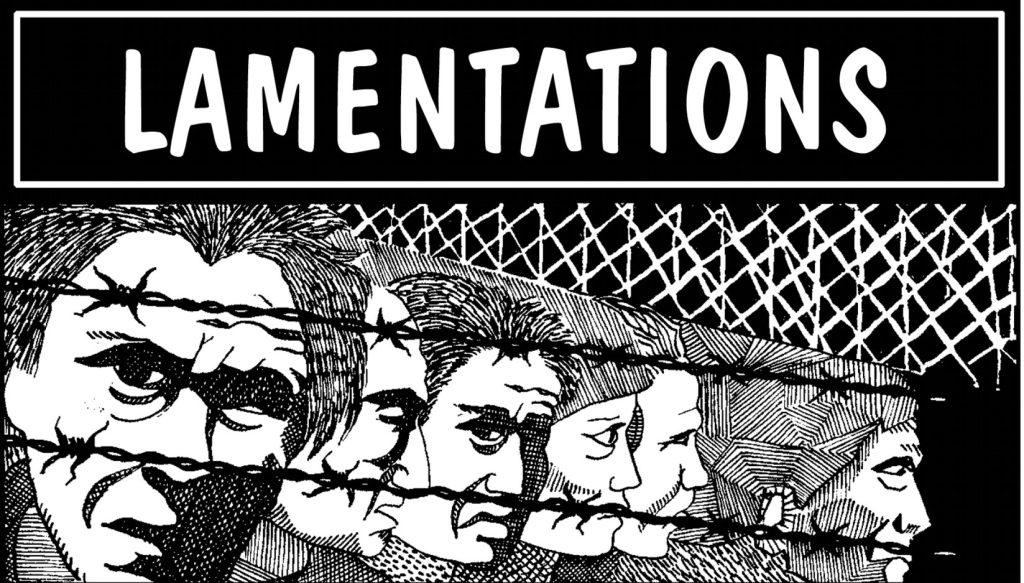
Following the fall of Jerusalem and the horrendous things that took place there, believers try to understand. They are not complaining; they see the ruins as deserved punishment for their many excesses and constant rejection of God’s warnings. Yet, they know that the Lord loves his people: they believe this, feel it and proclaim it.

When the exiles returned to Jerusalem, they may have gathered to pray together on the ruins of what had been the Temple, and taken turns with these laments. Later they continued yearly to pray them on the date of the catastrophe, and much later the Church adopted the custom of using them in the days she remembers the death of Jesus.

In the Lord’s Passion, the believer sees the sum total of the suffering and anxiety of humankind. These poems help us to look with the same compassion on the suffering of Christ and the suffering of the destitute. They will help us to unite the vision of universal pain with the sense of human sinfulness and responsibility.

A Jewish tradition attributes these poems to Jeremiah. They do seem to manifest a spirit very similar to his.

Down below are the introductions in the Mandarin Chinese, Tagalog, Cebuano, and Spanish editions.

Translation: Mandarin Chinese

哀歌:引言

在耶路撒冷沦陷、恐怖惊人的事相继发生后,信徒们试着想要理解其中的原因。他们并没有抱怨,他们知道圣城的毁灭是因为自己过度的放纵,而且不断地拒绝天主的警告所应得的惩罚。他们知道雅威爱祂的子民:他们相信这点,感受这点,并宣告雅威的爱。

在流放者返回耶路撒冷后,他们可能聚集在曾经是圣殿的废墟上祷告,并轮流使用这些哀歌为祷文。后来,他们每年在灾难日都祈祷纪念,再后来,教会则习惯使用这些哀歌来纪念耶稣的圣死。

信徒从雅威的受难中看到了人类苦难和焦虑的极限。这些诗歌帮助我们将耶稣的受苦和许多遭受折磨的人的苦难联系起来。同时也有助于我们将普世痛苦的景象和人类的罪恶及责任结合起来。

犹太传统认为这些诗是耶肋米亚所作,这些作品在精神上确实非常接近耶肋米亚的作品。

Translation: Tagalog

Sinisikap unawain ng mga nananampalataya ang pagkawasak ng Jerusalem at ang kasunod nitong mga kakila-kilabot na mga pangyayari. Hindi sila nagrereklamo. Itinuturing nilang karapat-dapat na kaparusahan ito para sa marami nilang kaguluhan at sa patuloy na pagtanggi sa mga babala ng Diyos. Gayon pa man, alam nilang mahal ni Yawe ang kanyang bayan. Pinaniniwalaan nila ito, nararamdaman, at ipinahahayag.

Nang bumalik sa Jerusalem ang mga itinapon, malamang na nagtipon sila para manalangin nang sama-sama sa guho ng dating Templo at halinhinan nilang binigkas ang mga panaghoy na ito. Pagkatapos, ipinagpatuloy nila ang pagdarasal nito taun-taon sa petsa ng malaking kapahamakang iyon. At nang lumaon, nakaugalian na ng Simbahang gamitin ang mga Panaghoy para gunitain ang pagkamatay ni Jesus.

Sa Pasyon ng Panginoon, nakikita ng nananampalataya ang pagkakatipon ng mga pagdurusa at dalamhati ng sangkatauhan. Tinutulungan tayo ng mga tulang ito na pagbuklurin sa iisang pagdamay ang mga pagdurusa ni Kristo at ang matinding paghihirap ng napakaraming nagdurusa. Tutulungan din tayo nitong pag-isahin ang pananaw sa paghihirap ng santinakpan at ang kahulugan ng kasalanan at responsibilidad ng tao.

Ipinapalagay ng isang tradisyon ng mga Judio na galing kay Jeremias ang mga tulang ito. At nalalahad nga sa mga ito ang isang diwa na katulad ng sa kanya.

Translation: Cebuano

Human sa pagkapukan sa Jerusalem ug sa makahadlok nga panghitabo, ang mga magtotoo naningkamot sa pagsabot ining tanan. Wala sila magreklamo; gitan-aw nila ang mga kadaot isip silot sa daghan nilang kalapasan ug sa makanunayon nilang pagsalikway sa mga pahimangno sa Ginoo. Gani, nasayod sila nga ang Diyos nahigugma sa iyang katawhan: mitoo sila, mibati, ug misangyaw ini.

Sa pagbalik sa mga bihag didto sa Jerusalem, tingali nagkatapok sila sa pag-ampo sa naguba nga Templo, ug nagpulipuli sa pagpadayag sa mga pagbangotan. Sa kadugayan, ila kining gipadayon sa matag tuig sa petsa sa pagkapukan, ug sa kadugayan, ang Simbahan naanad sa kustombre sa paggamit ini sa paghinumdom sa kamatayon ni Jesus.

Sa Pasyon sa atong Ginoo, may magtotoo nga nakakita sa kinatibuk-an nga pag-antos ug kahingawa sa katawhan. Kining maong mga balak makatabang sa paghiusa sa kasakit ni Cristo ug sa kakabos sa kadaghanan nga nag-antos, sa susamang pagbati. Makatabang ni sa pakighiusa sa panan-awon sa kalibutanong kasakit ug sa diwa sa tawhanong kasal-anan ug katungdanan.

Adunay tradisyon sa Judio nga nagpunting kang Jeremias ining maong mga balak. Nagpadayag ni sa espiritu nga pareho sa iyaha.

Translation: Spanish

Después de la ruina de Jerusalén y de las cosas horrendas que sucedieron en esta ocasión, los creyentes tratan de comprender. No se quejan, ven la ruina como castigo merecido por los muchos desórdenes y por el constante rechazo de las advertencias de Dios. Y, sin embargo, saben que Yavé ama a su pueblo, lo creen, lo sienten y lo afirman.

Cuando los desterrados volvieron a Jerusalén, muy posiblemente se reunían para orar en común en los escombros de lo que había sido el Templo, y juntos alternaban estos lamentos. Después siguieron rezándolos cada año en la fecha que recordaba la catástrofe, y más tarde la Iglesia se acostumbró a usarlos para recordar la muerte de Jesús.

En la Pasión del Señor, el creyente ve la acumulación de los sufrimientos y de las angustias de la humanidad. Estos poemas le ayudan a unir en una misma compasión los dolores de Cristo y la miseria inmensa de la muchedumbre de los que sufren, así como la visión del dolor universal y el sentido del pecado y de la responsabilidad de los hombres.

Una tradición judía atribuye a Jeremías estos poemas, que revelan un espíritu bien parecido al suyo.

Introduction to Titus (Christian Community Bible)

(The Catholic Christian Community Bible [first English edition 1997, other translations into Indonesian, Chinese, Cebuano, Chavacano, French, Ilonggo, Korean, Quechuan, Spanish, and Tagalog] “for the Christian Communities of the Third World” uses the following introduction.)

Like Timothy, Titus is one of Paul’s assistants officially consecrated to the service of the Gospel, who visited the churches with the very authority of Paul.

The commentary will be brief since this letter is very similar to the two letters to Timothy.

Down below are the introductions in the Mandarin Chinese, Tagalog, Cebuano, and Spanish editions.

Translation: Mandarin Chinese

弟铎和弟茂德一样,也是保禄的助手,献身于福音工作,并借着保禄的权威拜访各教会。

因为这封信和给弟茂德的那两封信非常相似,所以注释很简短。

Translation: Tagalog

Si Tito, tulad ni Timoteo, ay isa sa katulong ni Pablo, opisyal na itinalaga sa paglilingkod sa Ebanghelyo at dumalaw sa mga simbahan, na ang taglay na kapangyarihan ay tulad ng kay Pablo.

Translation: Cebuano

Sama ni Timoteo, kaabag ni Pablo si Tito nga gitudlo sa Simbahan aron pag-alagad sa Ebanghelyo. Nagduaw siya sa mga simbahan dala ang awtoridad ni Pablo.

Mubo lang ang mga komentaryo ining sulata kay susama ra ni sa duha ka sulat alang ni Timoteo.

Translation: Spanish

Es el comienzo del año 58 y han transcurrido pocos meses desde el envío de la Carta a los Romanos. Pablo piensa que ya no hay más trabajo para él en la parte oriental del imperio romano y se prepara para ir a Roma y evangelizar desde allí la parte occidental del imperio, especialmente España. Pero Dios ha previsto las cosas de otra manera: dentro de poco Pablo será detenido en Jerusalén y, después de varios años de cautiverio en Cesarea, será llevado a Roma para ser allí juzgado en el tribunal del emperador.

Pablo se ha despedido de las comunidades de Grecia y de “Asia”, la provincia del imperio que corresponde a Turquía occidental (He 20,25). Tal vez fue antes de su entrevista con los presbíteros (ancianos) de la región de Éfeso, que tuvo lugar en Mileto (He 20,1), cuando Pablo redactó esta carta, que presta una atención especial a esos pastores de las comunidades cristianas. Los otros puntos importantes de la carta se refieren a las obligaciones de los cristianos según su situación en la sociedad, al respeto por sus obligaciones sociales y a la sumisión a las autoridades. Pablo retoma o desarrolla aquí lo que había expuesto en la segunda parte de la carta a los Romanos. Esa misma carta le inspira algunas pinceladas sobre el plan de Dios que encontramos en 1,3-4; 2,11-34; 3,4-7

Pablo está ya pensando en su viaje a Roma. Una de las paradas será Nicópolis, en la costa occidental de Grecia, un sector que había evangelizado Pablo (Rom 15,19), y donde se encontrará con Tito, que está en Creta.

Introduction to 2 Samuel (Christian Community Bible)

(The Catholic Christian Community Bible [first English edition 1997, other translations into Indonesian, Chinese, Cebuano, Chavacano, French, Ilonggo, Korean, Quechuan, Spanish, and Tagalog] “for the Christian Communities of the Third World” uses the following introduction.)

The books of Samuel are two parts of the same work. What has been said in the introduction to the first book holds true for the second.

In this second part, the deeds of King David are narrated. No history as sincere as this was ever written in ancient times –- a story written by a man of God who could unearth David’s real greatness. Thus, what is exceptional about King David can be noted in a series of small things that perhaps seemed insignificant or even stupid to his contemporaries (see how different David is from Joab, the “achiever” and “effective” man). But these things did not pass unnoticed by the one who narrated the story. Then, Israel understood that if they had had several outstanding kings, only David provided them with an anticipated image of the true King, Christ.

To better understand the events that follow, let us bear in mind that even before David, the tribe of Judah which settled in southern Palestine felt different from the tribes of Israel situated more to the north. Saul had more allies in the north; while David was a Bethlehemite from the tribe of Judah and found his support there.

Down below are the introductions in the Mandarin Chinese, Tagalog, Cebuano, and Spanish editions.

Translation: Mandarin Chinese

撒慕尔纪的上下卷是同一部作品的两部分。我们在上卷引言中所说的,也适用于下卷。

在下卷中,我们读到达味王的功绩。这是在古代所写下的最真实的历史——这个故事,是由一位能够挖掘出达味真正伟大之处的信徒所写的。伟人不一定都能在有生之年做出惊天动地的大事,圣人也不见得都是些表现出更大的同情心或行了更多奇迹的人。因此,达味王特殊的地方可以从一连串的小事情中看出来,这些在他同时代的人看来,可能不甚重要,甚至愚不可及(见达味和约阿布的差异,约阿布是“较有成就”也是“较有效率”的人)。但是讲故事的人并没有放过这些小细节。在达味之后,以色列了解到:如果说他们曾经有过几位体谅民心的国王的话,只有达味给了他们真正君王-基督的预像。

为了更清楚地理解以下的故事,我们首先要知道,即使在达味之前,定居在南巴勒斯坦的犹大支派,也感到和北面的众以色列支派有所不同。撒乌耳的同盟多在北边,但达味因是白冷人,属于犹大支派,所以他在南部犹大寻求支援。

Translation: Tagalog

2 Samuel Introduksyon

Dalawang bahagi ng iisang libro ang mga aklat ni Samuel, kayat para rin sa ikalawang aklat ang sinabi sa Introduksyon sa una.

Isinasalaysay sa atin sa ikalawang bahaging ito ang mga gawa ni Haring David. Walang kasaysayang nasulat na kasintapat nito noong mga unang panahon. Kasaysayang sinulat ng isang tao ng Diyos, at alam niya kung paano madidiskubre ang tunay na kadakilaan ni David. Kaya ang katangi-tangi kay Haring David ay mapapansin sa isang serye ng maliliit na bagay na para sigurong walang halaga o kaya’y kahangalan pa nga para sa kanyang mga kapanahon (tingnan ang tungkol sa pagkakaiba nina David at Yoab, ang may nagagawa at ang “mabisa”). Ngunit hindi nakalampas ang mga ito sa nagsalaysay ng kanyang buhay. Kayat naintindihan ng Israel na kung nagkaroon nga sila ng ibang magagaling na mga hari, si David lamang ang nakapaglahad sa kanila ng isang larawan bilang pagpapauna sa tunay na Hari, si Kristo.

Para madaling maintindihan ang sumusunod na mga pangyayari, alalahanin nating bago pa man dumating si David ay itinuring na ng tribu ng Juda na nanirahan sa timog ng Palestina, na sila’y iba sa mga tribu ng Israel na nasa mas hilagang bahagi. Mas maraming kakampi si Saul sa hilaga samantalang taga-Betlehem naman si David, sa tribu ng Juda.

Translation: Cebuano

Gibahig duha sa mao rang tagsulat ang Samuel. Ang napadayag na sa Pasiuna sa 1 Samuel, mohaom sab dinhi.

Gisaysay ang dinhi binuhatan ni David. Ang 2 Samuel maoy lalbing matinud-anong kasaysayan sa kakaraanan – sinulat sa tawo sa Diyos, nga nakasuhid sa tinuod nga kabantog ni David. Ang nakatalagsaon ni Hari David makita sa nagsunodsunod nga gagmayng butang nga daw walay bili o gani binuang alang sa katawhan sa iyang panahon. (Basaha ang kalainan tali ni David ug ni Joab, ang “makab-oton” ug “malamposon”.) Apan wala palabya kining mga butanga sa tagsulat ining istoryaha. Human ini, natino sa Israel nga bisag may pipila sila ka masinabotong mga hari, si David lang ang nakahatag nila sa inisyal nga hulagway ni Cristo, ang matuod nga hari.

Alang sa mas maayong pagsabot sa mosunod nga mga hitabo, angayng timan-an nga bisan sa wala pa si David, ang tribu ni Juda nga nagpuyo sa habagatan sa Palestina mibati nang daan og kalahi sa mga tribu ni Israel sa amihanang Palestina. Daghan ang katawhan nga nagpaluyo ni Saul gikan sa Amihanan diin gisuportahan si David nga taga Betlehem sa tribu ni Juda.

Translation: Spanish

Los libros de Samuel son las dos partes de una misma obra, y vale para el segundo lo que se dijo en la Introducción al primero.

En esta segunda parte se nos cuentan los hechos de David, rey. Historia tan sincera como no se escribió ninguna otra en la antigüedad. Historia escrita por un hombre de Dios que supo descubrir la verdadera grandeza de David. Lo inimitable del rey David se nota en una serie de cosas pequeñas que a sus contemporáneos les parecieron insignificantes o incluso tonterías (ver al respecto las divergencias entre David y Joab, el hombre cumplidor y «eficaz»). Pero no pasaron inadvertidas al que contó su vida y, después de él, Israel comprendió que si bien habían tenido algunos reyes excelentes, sólo David les había presentado alguna figura anticipada del Rey verdadero, Cristo.

Para facilitar la comprensión de los acontecimientos que vienen a continuación, recordemos que, ya antes de David, la tribu de Judá instalada en el sur de Palestina se oponía frecuentemente a las tribus de Israel ubicadas más al norte. Saúl había tenido más partidarios en el norte, mientras que David era el hombre de Belén, en la tribu de Judá.

Introduction to Habakkuk (Christian Community Bible)

(The Catholic Christian Community Bible [first English edition 1997, other translations into Indonesian, Chinese, Cebuano, Chavacano, French, Ilonggo, Korean, Quechuan, Spanish, and Tagalog] “for the Christian Communities of the Third World” uses the following introduction.)

In the Bible the prophet Habakkuk is the first one to dare call God to account. For centuries, faith had been announcing God’s justice. However, this justice had not always been obvious. After many kept silent about their doubts, Habakkuk was the first biblical author who asked boldly: Why does the Lord allow injustice to triumph? Why, when he punishes one oppressor, does he replace him with someone worse?

The answer is twofold:

– The Lord keeps secret how he rules the world and all he asks is that we remain faithful: the upright will live by his faithfulness.
– The prophet contemplates the glory of the Lord who will judge in the end.

Habakkuk spoke his oracles from 605-600, when Nebuchadnezzar, who had just destroyed the cruel Assyria, became very powerful himself and plundered Israel.

Down below are the introductions in the Mandarin Chinese, Tagalog, Cebuano, and Spanish editions.

Translation: Mandarin Chinese

哈巴谷先知是第一个敢要求天主做解释的人。多少世纪以来,信仰一直告诉我们天主是正义的。但是这种正义并不是一直都很明显。

在许多人对自己的怀疑保持缄默之后,哈巴谷是第一个敢于质疑的圣经作者:为什么上主会允许不义的情况如此猖獗?为什么当祂惩罚了压迫者之后,却代之以更糟的人?

答案可从两方面来看:

雅威对统治世界的方式保密,祂只要求我们永远忠诚:义人靠信德生活。

先知期待终将进行审判的上主的光荣。

哈巴谷的预言是在公元前605-600年,那时拿步高刚灭了残暴的亚述,自己正变得非常强大,而且开始蹂躏犹大国。

Translation: Tagalog

Si Propeta Habakuk ang unang nangahas na papanagutin ang Diyos. Maraming dantaon nang ipinangangaral ng pananampalataya na naggagawad nga ng katarungan si Yawe. Pero hindi laging malinaw ang katarungang ito. Matapos ang pagsasawalang-imik ng marami tungkol sa kanilang mga duda, si Habakuk ang unang manunulat sa Biblia na malakas ang loob na nagtatanong: Bakit pinababayaan ni Yawe na magtagumpay ang pang-aapi? Pinarurusahan nga niya ang nang-aapi, pero di ba’t pinapalitan din naman niya ng ibang mas masahol pa?

Doble ang sagot dito:

– Iniingatan ni Yawe ang sekreto ng paraan ng kanyang paghahari sa daigdig at ang hinihingi lamang niya ay manatili tayong tapat: mabubuhay ang matuwid dahil sa kanyang katapatan.
– Pinagmamasdan ng propeta ang Luwalhati ni Yawe na siyang maghuhukom sa katapusan.

Mga taong 605-600 nang bigkasin ni Habakuk ang kanyang mga propesiya habang patuloy na nagiging makapangyarihan si Nabucodonosor at nangungulimbat sa Israel matapos wasakin ang malupit na Asiria.

Translation: Cebuano

Si propeta Habakuk una nga mihagit sa Ginoo sa paghimog husay. Sulod sa nangaging mga siglo, ang pagtoo kanunay nga nagsangyaw sa katarong (hustisya) sa Ginoo. Apan, dili sa tanang panahon nga tin-aw kining maong hustisya. Daghan ang nagpakahilom lang sa ilang pagduhaduha; si Habakuk ang unang magsusulat sa Biblia nga maisogong nangutana: “Ngano nga gitugtan sa Ginoo nga modaog ang inhustisya? Ngano man nga kon silotan niya ang manlulupig, pulihan man og mas grabi pa?”

Duha ang tubag ini:

– Ang Ginoo nagtago sa sikreto sa iyang pamaagi sa pagmando sa kalibotan, ug ang Iya lang gipangayo mao nga magpabilin ta nga matinud-anon niya: ang tarong magpuyo sa kamatinud-anon.
– Ang propeta namalandong sa himaya sa Diyos nga maoy mohukom sa kataposan.

Si Habakuk nagsulti sa mga tubag sa Ginoo sa tuig 605-600, diha nga si Nabucodonosor nga bag-o lang miguba sa Asiria, nag-anam kagamhanan ug nangilog sa Israel.

Translation: Spanish

Desde siglos atrás, la fe proclamaba que Yavé hace justicia. Esta justicia, sin embargo, no siempre es clara. Después de muchos que callaron sus dudas, Habacuq es el primero de los escritores de la Biblia que pregunta con osadía: ¿por qué deja Yavé que triunfe la injusticia?, ¿por qué, al castigar al opresor, lo reemplaza por otro peor?

La respuesta es doble:

— Yavé guarda el secreto de su manera de gobernar al mundo y solamente pide que nos mantengamos fieles: El justo vivirá por su fidelidad.
— El profeta contempla la Gloria de Yavé, que juzgará al final.

Habacuq pronunció sus oráculos en los años 605-600, cuando Nabucodonosor, después de destruir a la cruel Asiria, se volvía prepotente a su vez y saqueaba la tierra de Israel.

Introduction to 2 Maccabees (Christian Community Bible)

(The Catholic Christian Community Bible [first English edition 1997, other translations into Indonesian, Chinese, Cebuano, Chavacano, French, Ilonggo, Korean, Quechuan, Spanish, and Tagalog] “for the Christian Communities of the Third World” uses the following introduction.)

2 Maccabees:Introduction

The second book of Maccabees is not a continuation of the first book.

Whereas the first book presents the history of the Jewish people during those critical years in a comprehensive and balanced way, this other focuses on a series of facts – and at times, commentaries and legends – allowing the author to emphasize the hopes and suffering of the persecuted believers. This second book, less interesting than the first for historians, is, nevertheless, extremely important in the Bible because of its profound vision of suffering and death and also of God’s justice. This book (with the book of Daniel) is the first in the Bible to affirm the resurrection of the dead, as the Wisdom of Solomon would do also at the next century.

Down below are the introductions in the Mandarin Chinese, Tagalog, and Spanish editions.

Translation: Mandarin Chinese

玛加伯下并非上卷的延续。

玛加伯上卷以一种宏观而均衡的方式描述以色列人民在那些关键年代的历史,而下卷则着重于一系列事件,有时候还有所评论,或加上些传说,这样才得以强调出被迫害的信徒的希望和苦难。对于历史学家,下卷不如上卷有趣,但是在圣经里却非常重要,这是因为下卷对苦难和死亡,以及天主的公义有很深刻的见解。这卷书和《达尼尔》是圣经中首次确认死者复活的书卷,如同后一个时期的《智慧书》。

Translation: Tagalog

Hindi pagpapatuloy ng nauna ang ikalawang libro ng Mga Macabeo.

Kung sa 1 Macabeo ay inilalahad ang kasaysayan ng bayang Judio nang mga kritikal na taong iyon sa karaniwan at balanseng paraan, binibigyang-pansin naman ng 2 Macabeo ang isang serye ng mga pangyayari at pagkaminsa’y mga komentaryo at mga alamat na nagtatampok sa pag-asa at paghihirap ng mga sumasampalatayang pinag-uusig. Ang ikalawang librong ito na di gaanong kapaki-pakinabang para sa mga dalubhasa sa kasaysayan, na di tulad ng una, ay napakaimportante pa rin sa Biblia dahil sa napakayamang pananaw nito tungkol sa paghihirap at kamatayan at pati sa katarungan ng Diyos. Ang librong ito kasama ang mga aklat ni Daniel at ng Karunungan ang unang nagpahayag sa Biblia ng pananampalataya sa muling pagkabuhay ng mga patay.

Translation: Spanish

El segundo libro de los Macabeos no es la continuación del primero.

Mientras el anterior presenta en forma global y equilibrada la historia del pueblo judío en esos años críticos, éste se ciñe a una serie de hechos y, a veces, de comentarios y leyendas, que le permiten resaltar las esperanzas y los sufrimientos de los creyentes perseguidos.

Este segundo libro, de menor interés que el primero para el historiador, tiene, sin embargo, suma importancia en la Biblia por su visión, muy profunda, respecto al sufrimiento y a la muerte, así como a la justicia de Dios. En especial, este libro, tal como los de Daniel y de la Sabiduría, es el primero que afirma en la Biblia la fe en la resurrección de los muertos.

Introduction to 1 Corinthians (Christian Community Bible)

(The Catholic Christian Community Bible [first English edition 1997, other translations into Indonesian, Chinese, Cebuano, Chavacano, French, Ilonggo, Korean, Quechuan, Spanish, and Tagalog] “for the Christian Communities of the Third World” uses the following introduction.)

Some persons praise the first Christians as if they had been models of all virtue. In fact, there were no more miracles then than now. Here as elsewhere, Paul addresses men and women living in a world as real as our own. Corinth had its own particular character among the Mediterranean cities. Situated on a tongue of land separating two gulfs, it had the best part of its privileged site. The two ports of the east and west had been joined by a kind of paved way on which boats were pulled by means of enormous wagons drawn by bullocks. This spared sailors having to detour to Greece by the south: a very long voyage at the time and very dangerous. Obviously it had to be paid for; this financially benefited the town; it also needed labor which meant many slaves. The city had a sanctuary dedicated to the goddess Aphrodite, the goddess of “love” for the Greeks, around which had developed (with the help of money) a prostitution that had nothing sacred about it other than its name. The prostitutes were counted in the thousands. Quite near Corinth, there was a sportive celebration—rather similar to the Olympic Games of our day—every two years. This drew large crowds of people. We notice in these two letters of Paul very clear allusions to these different aspects of Corinthian history: slavery, prostitution, stadium sports.

In Corinth, there existed a dynamic, though not well ordered Church, composed of Jews and Greeks converted by Paul. Many of them were in danger of returning to the vices of their former lives, once the enthusiasm of their first years as Christians had worn off. Those responsible in the Church apparently were not capable of dealing with many problems: internal divisions and doubts about faith. They therefore called upon Paul, who wrote the present letter, because he could not interrupt his work in Ephesus.

We notice the authority with which Paul, from afar, leads the Church in the name of Christ; also his manner of teaching: before answering any question, he reasserts the foundations of the faith.

The Corinthians, in the midst of a pagan world, were concerned about matters that are again relevant in our times:

– about celibacy and marriage,
– about living together with those who do not share the Christian faith,
– about conducting the assemblies, for both the celebration of the eucharist and the use of “spiritual gifts,”
– about the resurrection of the dead.

Down below are the introductions in the Mandarin Chinese, Tagalog, Cebuano, and Spanish editions.

Translation: Mandarin Chinese

有些人赞美早期的基督徒为所有美德的典范。实际上当时的奇迹并不比现在更多。像在其它地方一样,保禄在这里向众人发言,这些人生活的世界与我们现在的并没有什么区别。在地中海沿岸的城市中,格林多有它自己的特殊性:地处两个海湾中的舌形陆地,地势极好。东西两港由一条平坦大道连结,船只则由无数的公牛拉动,取大道为捷径,从一港至另一港,这样水手们就不再航船途径南部的希腊了,因为那里航程既长又危险。显然取道陆地要付钱,格林多就是靠这经济来源发家致富的。它也需要许多劳动力,其实都是奴隶。城里有一座献给爱神阿弗罗蒂特的神庙,因为有这座神庙,再加上金钱的帮助,卖淫业肆无忌弹地篷勃发展起来,妓女人数逾千。格林多附近有个体育运动的庆祝活动,每两年举行一次,颇似如今的奥林匹克运动会,每当彼时观众云集。我们可以注意到在保禄的这两封书信中,作者非常清楚地指出了格林多的许多与众不同的方面:奴隶制、卖淫业和体育运动。

在格林多存在着一股动力,所以在那里的教会虽非健全但充满活力,这是由因了保禄而皈依的犹太人和希腊人所组成的。早期的基督徒一旦热情消逝,就都面临回到以前罪恶生活的危险。那些负责教会事务的人,对于许多问题显然都无法处理:如内在的分化和对信仰的怀疑等等。他们因此求助于保禄,后者便写下了这封信,因为他不能中断在厄弗所的工作。

我们注意到来自远方,以基督之名领导教会的保禄所采取的权威态度以及教诲方式,在回答任何问题之前,他必先着重肯定信仰的基础。

格林多人处于外教人的世界中,关心着与我们这个时代几乎相同的问题:

1)独身和婚姻;
2)如何与非基督徒共同生活;
3)集会的安排,包括感恩的举行和“神恩”的利用;
4)死者的复活。

Translation: Tagalog

Hangang-hanga ang ilan sa atin sa mga unang Kristiyano na para bang sila na ang pinakahuwaran ng lahat ng kabutihan. Pero ang totoo’y pareho lamang sila noon sa atin ngayon.

Sa pagkakataong ito, tulad sa iba pang lugar, mga taong tulad natin ang kausap ni Pablo. Naiiba ang Corinto sa iba pang mga siyudad sa Mediterraneo sapagkat nasa pagitan ito ng dalawang golpo kaya naman napakaganda ng lokasyon nito. May dalawang daungan ito, isa sa silangan at isa sa kanluran, na pinagdugtong ng malasementadong daan kung saan “itinatawid” ang mga barko na sakay sa malalaking karitong hila ng mga baka. Kaya hindi na maglalayag pa patimog sa Gresya na mahaba at mapanganib na paglalakbay. May bayad siyempre ito. Malaki ang naitulong nito sa pananalapi ng bayan at nangailangan din ito ng maraming trabahador, ibig sabihi’y mga alipin. Sa lunsod ay may templong nakatalaga para sa diyosang si Aphrodite na siyang diyosa ng pag-ibig para sa mga Griyego. At sa templong iyon, at dahil na rin sa pera, lumaganap ang “sagradong” prostitusyon, na walang anumang sagrado liban sa pangalan nito. Libu-libo ang mga prostituta.

At malapit sa Corinto, may palaro namang idinaraos tuwing ikalawang taon na halos kapareho ng ating Olympic Games. Marami ang pumupunta roon. Mapapansin natin sa dalawang sulat na ito ni Pablo ang mga deretsahang pagtukoy niya sa iba’t ibang aspektong ito sa kasaysayan ng Corinto: ang pagkakaroon ng mga alipin, prostitusyon at palaro sa istadyum.

Bunga ng pangangaral ni Pablo, nabuo ang Iglesya sa Corinto na binubuo ng mga Judio at mga Griyego. Masigla ang pamayanang ito ngunit medyo magulo. Marami sa kanila ang nanganganib bumalik sa dati nilang mga bisyo pagkalipas ng sigasig ng mga unang taon sa pagkakristiyano. At mukhang hindi kayang harapin ng mga responsable sa Iglesya ang gayon karaming problema: ang pagkakahati-hati at pagdududa sa pananampalataya. Kaya dumulog sila kay Pablo na sumulat ng liham na ito sapagkat hindi niya maiiwan ang kanyang gawain sa Efeso.

Mapapansin natin ang kapangyarihan ni Pablo sa pamumuno niya sa Iglesya sa ngalan ni Kristo, kahit na sa malayo. Gayon din naman sa kanyang pagtuturo: bago sagutin ang anumang tanong, inilalahad muna niyang muli ang mga saligan ng pananampalataya.

Sa gitna ng paganong daigdig, mga bagay na may kinalaman din sa ating panahon ang pinoproblema ng mga taga-Corinto noon:

– ang tungkol sa di-pag-aasawa at pag-aasawa,
– ang pamumuhay sa piling ng mga di-Kristiyano,
– ang mga pagtitipon para sa pagdiriwang ng eukaristiya at paggamit ng mga “kaloob na espirituwal,”
– ang pagkabuhay ng mga patay.

Translation: Cebuano

Ang unang kristyanos gidayeg sa uban isip modelo sa tanang balaanong hiyas. Apan sa pagkatinuod ang mga milagro kaniadto dili mas daghan kay sa karon.

Syudad nga mauswagon ang Corinto, apan puno sa kahugawan. Ang mga Judio ug Griyego nga nakabig ni Pablo nakapabarog didto og simbahang aktibo, apan dili maayong pagkadumala. Daghan kaayo ang may hilig gihapon pagbalik sa daang mga bisyo labi na dihang miawop ang kadasig sa unang kristyanos. Ang mga responsabli pagdumala sa Simbahan dili maantigong moatubang sa daghang problema sama sa pagkabahinbahin ug sa mga pagduhaduha sa pagtoo. Mao nga nagpakitabang sila ni Pablo. Busa, nagsulat siya; dili niya kabiyaan ang iyang buluhaton sa Efeso.

Makita dinhi ang awtoridad ni Pablo paggiya sa Simbahan sa ngalan ni Jesus bisag tua siya sa layo. Duna siyay pamaagi pagtudlo: sa dili pa tubagon ang mga pangutana, ipadayag una ang sukaranan sa pagtoo.

Taliwala sa paganong kalibotan, ang taga Corinto nag-atubang og mga problema sama sa sagad tang ikahinagbo sa atong panahon:

– ang mahitungod sa pagminyo o sa pagpabiling dalaga o ulitawo;
– ang mahitungod sa pagpuyo uban sa lahig pagtoo;
– ang mahitungod sa pagtigom alang sa pagsaulog sa Eyukaristya ug paggamit sa mga espirituhanong gasa; ug ang mahitungod sa pagkabanhaw sa minatay.

Translation: Spanish

Algunos hablan de los primeros cristianos como si hubieran sido modelos de todas las virtudes. La primera carta a los Corintios nos hará ver que los creyentes de los primeros tiempos tenían sus debilidades como nosotros y que la fe no había eliminado el peso de las realidades humanas.

Corinto tenía su propia fisonomía entre las ciudades del Mediterráneo. Situada en una franja de tierra que separa dos golfos, se había aprovechado de su situación privilegiada. Los dos puntos del este y del oeste se habían unido por una especie de camino enlosado por el cual se tiraba de los navíos por medio de enormes carros arrastrados por bueyes. Así los marinos se ahorraban de dar la vuelta a Grecia por el sur. Pero había que pagar, lo que significaba una importante entrada para la ciudad; el transporte exigía además abundante mano de obra, lo que para la época significaba muchos esclavos.

La ciudad poseía desde tiempo muy antiguo un santuario consagrado a Afrodita, la «diosa del amor» según los griegos, en cuyo derredor se desarrollaba —y para eso siempre había plata— una prostitución que de sagrada no tenía más que el nombre. En tiempos de Pablo las prostitutas se contaban por millares.

Muy cerca de Corinto se celebraban cada dos años competencias deportivas, parecidas a los juegos olímpicos actuales, que también atraían gran cantidad de gente.

Se advertirán en estas dos cartas de Pablo alusiones muy claras a estos diferentes aspectos de Corinto: el dinero, la esclavitud, la prostitución y los juegos del estadio.

En Corinto judíos y paganos convertidos por Pablo formaban una Iglesia dinámica, aunque poco ordenada. Después del entusiasmo de los primeros años, muchos se habían dejado llevar por los vicios y por las costumbres paganas, y los responsables de la comunidad se sentían impotentes para hacer frente tanto a esas dificultades y también a las divisiones internas o dudas respecto a la fe. Hicieron pues un llamado a Pablo. Retenido en Efeso por su trabajo apostólico, les envió esta carta como respuesta.

Llama la atención tanto la autoridad con que el apóstol se dirige a la Iglesia en nombre de Cristo, como su manera de enseñar, pues antes de responder directamente a una cuestión, comienza siempre por reafirmar las bases de la fe. Las dudas de los Corintios, sumidos en un mundo pagano, se referían a temas que son aún hoy de actualidad o que se discuten entre nosotros:

— el celibato y el matrimonio;
— los problemas de coexistencia con los no creyentes;
— el orden de las reuniones de la Iglesia, tanto para la celebración de la Eucaristía como para el ejercicio de los «dones espirituales»;
— la resurrección de los muertos.