Introduction to Obadiah (Christian Community Bible)

(The Catholic Christian Community Bible [first English edition 1997, other translations into Indonesian, Chinese, Cebuano, Chavacano, French, Ilonggo, Korean, Quechuan, Spanish, and Tagalog] “for the Christian Communities of the Third World” uses the following introduction.)
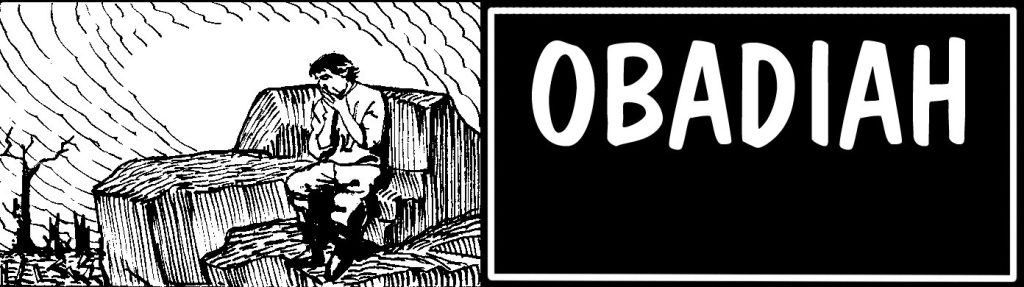
Obadiah probably wrote after 500 and before the conquest of Edom in 312. His work is filled with calls for revenge which, deep down, shows his faith in God’s justice.

Down below are the introductions in the Mandarin Chinese, Tagalog, Cebuano, and Spanish editions.


Translation: Mandarin Chinese

亚北底亚的写作时间可能是在公元前500年后,和公元前312年的征服厄东之前。亚北底亚的作品充满了复仇的召唤,而这正显示出他对天主正义的信心。

Translation: Tagalog

Maaaring nagsulat si Abdias pagkatapos ng taong 500 at bago nasakop ang Edom sa taong 312. Puno ng mga sigaw ng paghihiganti ang kanyang mga tula, na sa pinakapuso ng mga ito ay nagpapakita ng pananampalataya niya sa katarungan ng Diyos.

Translation: Cebuano

Si Obadias nagsulat tingali sa mga tuig human sa 500, ug sa wala pa ang pagbuntog sa Edom sa tuig 312. Ang iyang sinulat puno sa panawagan sa panimalos, nga sa kailadman, nagpakita sa iyang pagtoo sa hustisya (katarong) sa Ginoo.

Translation: Spanish

Abdías escribió probablemente después del año 500 y antes de la conquista de Edom, el año 312. Sus poemas están llenos de gritos de venganza que en el fondo demuestran su fe en la justicia de Dios.

Introduction to Amos (Christian Community Bible)

(The Catholic Christian Community Bible [first English edition 1997, other translations into Indonesian, Chinese, Cebuano, Chavacano, French, Ilonggo, Korean, Quechuan, Spanish, and Tagalog] “for the Christian Communities of the Third World” uses the following introduction.)

Towards the middle of the eighth century before Christ, the kingdom of Israel was rich and prosperous. Small properties were disappearing and wealth was in the hands of a few rich people, while the poor increased in number. The luxury of the few was an insult to the destitute.

Unexpectedly, Yahweh roars from Zion. His voice thunders from Jerusalem through Amos, a shepherd from Tekoa, a little village located about nine kilometers south of Bethlehem, in the land of Judah.

God takes him from his flock and sends him to the neighboring land, to Israel in the north. So the prophet traveled through the cities of Israel, denouncing the social injustices and a religion which was satisfied with external practices only. He warned of God’s punishment and the deportation of Israel, and in the end, he predicted happy days.

Amos is the prophet of social justice. He reveals to us a God who defends the rights of the poor

Down below are the introductions in the Mandarin Chinese, Tagalog, Cebuano, and Spanish editions.

Translation: Mandarin Chinese

公元前八世纪中叶,以色列王国似乎相当富庶繁荣。小康之家渐渐消失,财富集中在少数人手中,而穷人的数目也随之增加。少数人的奢华生活,对于穷无立锥之地的民众无异是一种侮辱。

但是雅威在熙雍怒吼,从耶路撒冷传来祂的震怒声。

亚毛斯是特科亚的一位牧人。科特亚这个小村庄位于犹大国内白冷以南约九公里处。天主将他从牧羊人中选出来,派遣他到邻近的地方,也就是北边的以色列。因此,先知开始走遍以色列的各个城市,斥责社会的不公以及只注重外在仪式的宗教。

他宣告天主的惩罚,以色列的流放,最后也预言了快乐的日子。亚毛斯是社会正义的先知,他启示给我们的是:维护穷人权益的天主。

Translation: Tagalog

Sa bandang gitna ng ikawalong dantaon bago kay Kristo, waring mayaman at napakasagana ng kaharian ng Israel. Nagsimulang mangawala ang maliliit na mga ari-arian at nasa kamay lamang ng ilang mayayaman ang kayamanan, habang parami naman nang parami ang mga dukha. Insulto sa pagdarahop ng mga dukha ang luho ng iilan.

Di inaasaha’y sumisigaw si Yawe mula sa Sion, dumadagundong ang kanyang tinig mula sa Jerusalem sa pamamagitan ni Amos na katutubong pastol na taga-Tekoa, maliit na nayong mga siyam na kilometro sa timog ng Betlehem sa lupain ng Juda.

Kinuha siya ng Diyos mula sa kanyang kawan at ipinadala sa karatig na lupain, ang Israel sa hilaga. Kayat sinimulan ng propeta ang paglilibot sa mga siyudad sa kaharian ng Israel, at mahigpit na tinutuligsa ang mga panlipunang pang-aapi at ang relihiyong kuntento na sa mga panlabas na seremonya lamang. Ibinabalita niya ang parusa ng Diyos at ang pagkatapon ng Israel, at sa dakong huli’y inihuhula niya ang masasayang araw.

Si Amos ang propeta ng katarungang panlipunan. Isang Diyos na nagtatanggol sa karapatan ng mga pobre ang ipinakikilala niya sa atin.

Translation: Cebuano

Padulong sa tungatunga ug ikawalong siglo sa wala pa si Cristo, ang gingharian sa Israel daw adunahan ug mauswagon kaayo. Ang mga gagmayng propeta nangawala ug ang bahandi naa sa kamot sa pipila ka adunahang tawo, samtang nagkadaghan ang kabos. Ang kaharuhay sa pipila insulto sa naalaot nga kabos.

Sa wala damha, si Yahweh nagdahunog gikan sa Sion, ang iyang tingog midalugdog gikan sa Jerusalem pinaagi kang Amos, usa ka magbalantay sa karnero gikan sa Tekoa, ang gamayng balangay nga may gilay-ong mga 9 ka kilometro sa habagatang bahin sa Betlehem, sa yuta sa Juda.

Ang Ginoo “nagkuha niya gikan sa panon” ug nagpadala niya sa silingang yuta, sa Israel, sa amihanan. Busa, ang propeta nagsugod pagsuroy sa mga syudad sa Israel, nanghimaraot sa mga inhustisya sa katilingban ug sa relihiyon nga kontento lang sa panggawas nga mga buhat. Iyang gibalita ang silot sa Ginoo sa pagpalagpot sa Israel, sa kataposan, nagtagna sab siya og mga malipayong adlaw.

Si Amos propeta sa hustisya sa katilingban. Gipadayag niya diha nato ang Diyos nga nanalipod sa mga katungod sa kabos.

Translation: Spanish

Hacia la mitad del siglo VIII antes de Cristo, el Reino de Israel aparece rico y muy próspero. La pequeña propiedad ha ido despareciendo y las riquezas se concentran en unos pocos ricos, mientras por otra parte crece el proletariado; el lujo de unos pocos insulta la miseria de los pobres.

Inesperadamente, el Eterno ruge desde Sión y de Jerusalén hace oír su voz por medio de Amós, pastor natural de Tecoá, pueblecito situado a unos nueve kilómetros al sur de Belén, en el país de Judá. Dios lo saca «de detrás de su rebaño» y lo envía hacia el país vecino, Israel del Norte.

El profeta comienza entonces a recorrer las ciudades del Reino de Israel, denunciando las injusticias sociales y la religión que se contenta sólo de ritos externos. Anuncia el castigo de Dios y el destierro de Israel poco antes de que Oseas proclame el mismo mensaje; al fin predice también tiempos felices.

Amós es el profeta de la justicia social; nos revela a un Dios que defiende el derecho de los pobres.

Introduction to Joel (Christian Community Bible)

(The Catholic Christian Community Bible [first English edition 1997, other translations into Indonesian, Chinese, Cebuano, Chavacano, French, Ilonggo, Korean, Quechuan, Spanish, and Tagalog] “for the Christian Communities of the Third World” uses the following introduction.)

The Biblical prophets knew that everything is temporary in our world. In every event threatening the lives of the people, they saw the coming of the Lord who judges this world in order to establish the final world.

Joel speaks when the land is invaded by locusts. The people are looking at their ruined fields and their lost crops. Joel looks beyond: The day of Yahweh is exceedingly great, terrible and dreadful — who can endure it?

Along with the promise of freedom from this plague, God also promises a happy age in which there will be neither grief nor fear. A day is announced when God will give the Spirit of the prophets to all his children: for the church, Joel is the prophet who announced Pentecost, as Peter said on that day (see Acts 2:17).

Down below are the introductions in the Mandarin Chinese, Tagalog, Cebuano, and Spanish editions.

Translation: Mandarin Chinese

圣经中的先知明白这个世界一定会过去。先知在每一件威胁人们生命的事件中,看到上主的来临,祂为建立最终的永恒秩序要来审判此世。

岳厄尔借大地饱受蝗灾之时说话了。人们难过的是自己的田地和谷物受损,岳厄尔则看得更远:雅威的日子实在伟大,令人震撼,谁能抵挡?在这次灾难中天主除了许诺解除灾害之外,还宣布了将会有一个没有忧愁恐惧的快乐年代。岳厄尔宣告有一天,天主将把本来只保留给先知的灵性也赐给所有子民。对于教会来说,宣布五旬节的先知正是岳厄尔,伯多禄只是将之记载下来而已(宗2:17)。

Translation: Tagalog

Alam ng mga propeta sa Biblia na pansamantala lamang ang lahat sa mundong ito. Sa bawat pangyayaring nagbabanta sa buhay ng kanilang bayan, nakita nila ang pagdating ni Yawe na naghuhukom sa mundong ito para maitatag ang walang-hanggan at ganap na daigdig.

Nangungusap si Joel samantalang nilulusob ng mga balang ang lupain. Tinitingnan ng mga tao ang mga wasak nilang bukirin at nasirang pananim. Sa mas malayo naman nakatingin si Joel: Ipinaririnig ni Yawe ang kanyang tinig, sino ang makatatagal sa kanyang pagdating?

Kasabay ng pangako ng pagpapalaya mula sa salot na ito, ibinabalita rin ng Diyos ang masayang panahon na di na magkakaroon pa ng pighati ni takot. Ibinabalita ang araw na ibibigay ng Diyos sa lahat niyang mga anak ang Espiritu ng mga propeta: para sa Iglesya, si Joel ang propetang nagbabalita sa Araw ng Pentekostes (tingnan ang Mga Gawa 2:17).

Translation: Cebuano

Ang mga propeta sa Biblia nasayod nga ang tanang butang lumalabay lang sa atong kalibotan. Sa matag hitabo nga naghulga sa kinabuhi sa katawhan, ilang makit-an ang pag-abot sa Ginoo nga naghukom ining kalibotana aron pagtukod sa tiunay nga kalibotan.

Si Joel naghisgot sa yuta nga gihugpaan sa mga dulon. Ang katawhan naglantaw sa nadaot nga kaumahan ug sa nangawala nga abot. Si Joel naglantaw sa labaw pa ini: Walay makatupong sa kainila, kagrabi, ug kamakahahadlok sa adlaw ni Yahweh – kinsa ang makaagwanta ini?

Dungan sa panaad sa kagawasan gikan ining maong kalaglagan, ang Ginoo nagbalita sab sa malipayong tuig kanus-a wala nay kaguol, ni kahadlok. Ang adlaw gibalita na kanus-a ang Ginoo mohatag sa Espiritu sa mga propeta ngadto sa tanan niyang mga anak: alang sa Simbahan. Si Joel propeta nga nagbalita sa Pagkunsad sa Espiritu Santo (tan-awa ang Buhat 2:17)

Translation: Spanish

Los profetas de la Biblia sabían que todo es provisorio en el mundo actual. En cada acontecimiento que amenazaba la vida de su pueblo, reconocían la venida de Yavé, que juzga al mundo presente para instaurar lo definitivo.

Joel habla con ocasión de una invasión de langostas. La gente contempla sus campos devastados y las cosechas perdidas. Joel ve más allá: Yavé hace oír su voz, ¿quién podrá soportar su venida? Y también Dios, al prometer la liberación de dicha plaga, anuncia el tiempo feliz en que no habrá ya ni dolor ni temor. Se anuncia el día en que Dios dará a todos sus hijos el Espíritu de los profetas. Para la Iglesia, Joel es el profeta que anunció el día de Pentecostés (ver He 2,17).

Introduction to Hosea (Christian Community Bible)

(The Catholic Christian Community Bible [first English edition 1997, other translations into Indonesian, Chinese, Cebuano, Chavacano, French, Ilonggo, Korean, Quechuan, Spanish, and Tagalog] “for the Christian Communities of the Third World” uses the following introduction.)

Hosea has come down through history as the prophet deceived by his wife whom he never stopped loving, in spite of her infidelities. God, who called him to speak on his behalf to an idolatrous and materialistic people, wanted his prophet to experience the grief and the shame of a betrayed husband. The prophets reveal a God who feels a love so real and so personal for us that it can be expressed in human words. Hosea was about to carry the same cross as God’s: constantly loving and forgiving a fickle and unfaithful wife. Hosea will also shout God’s indignation at Israel because of their sins.

Hosea began to preach around the year 746, that is to say, at the end of the prosperous reign of Jeroboam II, in the northern kingdom of Israel. Right after that would begin the twenty years of decadence which would conclude with the capture of Samaria and the deportation of its inhabitants (721).

Hosea rises to accuse and threaten the people who are unconcerned. He continues to preach while the kingdom is collapsing and predicts the punishment of the people who are irresponsible and unfaithful to the covenant with their God. He understands that God is an educator and does not allow the misfortunes and even the destruction of the nation without his reasons. Through such means, Israel will again become what they once were when the Lord took them by the hand and brought them out of Egypt: they will become a poor and humble people, able to follow their God with faith and love.

The book of Hosea begins with the story of the failure of his married life. From that he draws a lesson for Israel, unfaithful to the Lord (chapters 1-3).

Then in chapters 4–13 we have a mixture of reproaches, threats, invitations to conversion and predictions of the exile. The final passage 14:2-10 offers hope for the future, when the Lord will have taken away all the riches in which Israel had trusted.

Down below are the introductions in the Mandarin Chinese, Tagalog, Cebuano, and Spanish editions.
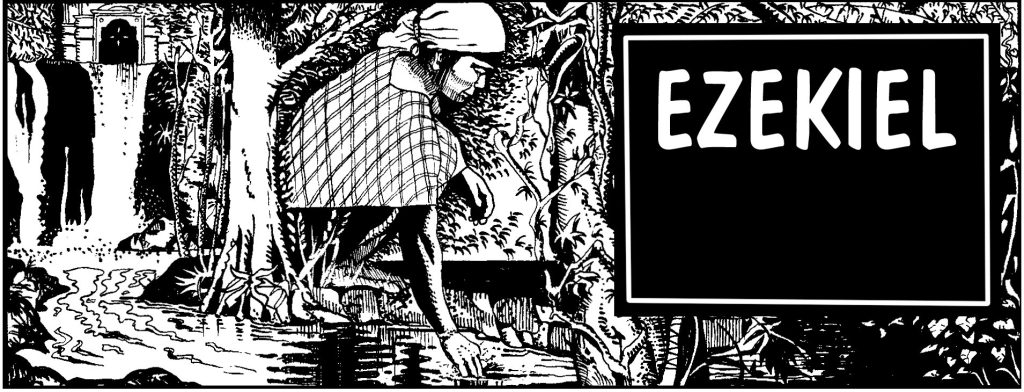
Translation: Mandarin Chinese

欧瑟亚在历史上是一位为妻子所负的先知,虽然妻子不忠,欧瑟亚却没有因此而不爱她。天主召唤了欧瑟亚,希望他代表天主对一群崇拜偶像、只重物质享受的人民说话,因此要先知经历被妻子背叛的悲哀和耻辱。先知们展示了一位对人类深怀真切亲密爱情的天主,以至于这种爱能以人类的语言来表达。先知受到天主召唤之后,享受到一种特权:那就是在看待和对待事物方面,他与天主的眼光和做法一致。欧瑟亚将和天主背负着同样的十字架:不断地热爱并且原谅一个善变不忠的妻子。由于以色列的罪,欧瑟亚也将对着以色列喊出天主极大的不满和愤怒。

欧瑟亚约从公元前746年开始宣道,也就是在北部的以色列王国,雅洛贝罕二世盛世的末期。紧接着是二十年的衰亡期,最终以撒玛利亚的沦陷以及居民遭放逐结束(公元前721年)。

欧瑟亚起而斥责恐吓那些麻木不仁的人们,当王国不断衰亡之际,他还是不停地布道:他预言对和天主所订的盟约既不负责、又不忠实的人将受到惩罚。他了解天主是位教育家,绝不会毫无理由地让这个民族遭受不幸,甚至毁灭。但是只有这么做,以色列才能回到上主带着他们出离埃及时的样子:他们将会变为穷困谦虚的民族,能够以信心和爱来追随他们的天主。

欧瑟亚书以叙述他婚姻生活失败的故事为开端,他希望以色列从中得到一个教训,因为以色列不忠于雅威(1-3章)。

而后,在4-13章,我们看到了混合着斥责、威胁、要求皈依以及预言流放的经文。最后在14:2-10提出了对未来的希望,在这之前,上主将会带走以色列深信不疑的一切财富。

Translation: Tagalog

Nakilala si Oseas sa kasaysayan bilang propetang niloko ng kanyang asawa na patuloy pa rin niyang minahal sa kabila ng mga kataksilan nito. Tinawag siya ng Diyos para magsalita sa ngalan niya sa isang bayang materyalista at maraming dinidiyos na iba. At nais ng Diyos na maranasan din ng kanyang propeta ang sakit at kahihiyan ng isang asawang kinaliwa. Isang Diyos na nakadarama ng pagmamahal sa tao ang ipinakikilala sa atin ng mga propeta; tunay at personal na pagmamahal kayat naipahahayag sa wika ng tao. Pagkatawag ng Diyos sa propeta, tinanggap niya ang pribilehiyong madama at makita ang mga bagay gaya ng Diyos: kayat papasanin din ni Oseas ang parehong krus ng Diyos -- ang laging mahalin at patawarin ang asawang salawahan at taksil. At sa kabilang dako naman, isisigaw rin ni Oseas ang galit ng Diyos sa Israel sa harap ng mga kasalanan nito.

Mga taong 746 nang magsimulang mangaral si Oseas, ibig sabihi’y sa dakong huli ng masaganang paghahari ni Yeroboam II sa hilagang kaharian ng Israel. Pagkatapos na pag-katapos nito’y agad na magsisimula ang dalawampung taon ng pagbagsak at kabulukan na magwawakas sa pagkabihag sa Samaria at pagdedeport sa mga tagaroon (taong 721).

Narito si Oseas para akusahan at babalaan ang bayang nabubuhay nang walang paki-alam. Patuloy siya sa pangangaral samantalang pabagsak naman ang kaharian: ipinahahayag niya ang parusa ng bayang iresponsable at taksil sa pakikipagtipan ng kanilang Diyos. Pero nauunawaan niya na tagapagturo ang Diyos at hindi nito pahihintulutan nang walang dahilan ang mga kapahamakan at kahit na ang pagkawasak ng bansa. Sa ganitong paraan, ang Israel ay magbabalik sa dati nitong kalagayan nang akayin siya ni Yawe at ilabas mula sa Ehipto: siya ay magiging dukha at abang bayan, kayang sundan ang kanyang Diyos nang may pananampalataya at pagmamahal.

Nagsisimula ang libro ni Oseas sa istorya ng kabiguan ng kanyang buhay may-asawa. Naglalahad siya mula rito ng aral sa Israel na taksil kay Yawe (kab. 1-3).

At sa mga kabanata 4-13 naman, sama-sama ang mga panunumbat, babala, paanyaya sa pagbabalik-loob at pagbabalita ng pagkatapon. Isang pag-asa sa kinabukasan ang binubuksan ng huling talata, 14:2-10, sa oras na alisin na ni Yawe sa Israel ang lahat ng kayamanang pinanghawakan nito.

Translation: Cebuano

Si Oseas naila sa kasaysayan nga propetang gibudhian sa asawa apan, wala niya hunongi sa paghigugma bisan pa sa mga kakulangan sa kamatinud-anon. Ang Ginoo nga nagtawag niya sa pagsulti sa Iyang ngalan sa mga matootoohon ug materyalista nga mga tawo, buot nga ang iyang propeta makasinati sa pag-antos ug kaulawan sa gibudhian nga bana. Ang mga propeta nagpadayag sa Ginoo nga mibatig gugma nga tiunay ug suod alang sa katawhan, nga mahimong mapadayag sa tawhanong pinulongan. Human tawga sa Ginoo, ang propeta nakadawat sa pribilihiyo nga mobati ug makakita sa mga butang sama sa Ginoo: Si Oseas magpas-an sa krus sama sa Ginoo: makanunayon sa iyang paghigugma ug pagpasaylo sa mabalhinon ug mabudhion nga asawa. Ug si Oseas sab mopalanog sa kasuko sa Ginoo ngadto sa Israel tungod sa ilang mga sala.

Si Oseas nagsugod sa pagwali sa mga tuig 746, sa ato pa, sa kataposan sa mauswagon nga paghari ni Jeroboam II, sa amihanang gingharian sa Israel. Human adto, nagsugod ang 20 ka tuig sa kadunot sa gingharian nga misangko sa pagkabihag sa Samaria ug sa pagpalagpot sa mga lumolupyo (721).

Si Oseas mibarog aron pagsudya ug paghulga sa mga tawo nga walay pagpakabana. Nagpadayon siya sa pagwali samtang ang gingharian nag-anam og kahugno; iyang gitagna ang pagsilot sa mga tawo nga iresponsabli ug dili matinud-anon sa kasabotan tali sa Ginoo. Apan, nakasabot siya nga ang Ginoo magtutudlo ug dili motugot sa kaalaot, bisan sa pagkabungkag sa nasod nga walay mga rason. Pinaagi ini, ang Israel mahisama na pod sa iyang pagkasiya adtong panahon nga gisapwang sila sa kamot sa Ginoo ug gidala gawas sa Ehipto; mahimo silang kabos ug mapaubsanon nga mga tawo, nga nagsunod sa ilang Ginoo uban ang pagtoo ug gugma.

Ang libro ni Oseas nagsugod sa sugilanon sa iyang pakyas nga kaminyoon. Gikan ini, nakakuha siyag pagtulun-an alang sa Israel nga wala magmatinud-anon sa Ginoo (kapitulo 1-3).

Dayon, sa kapitulo 4-13, anaay pagsagol sa panudya, panghulga, pagdapit sa pagbag-o, ug panagna bahin sa pagkabihag. Ang kataposan nga parapo (14:2-10) nagtanyag og paglaom alang sa umaabot, sa dihang gidala na sa Ginoo ang tanang bahandi nga gitagoan sa Israel.

Translation: Spanish

Oseas encabeza a los «Profetas Menores». Menores lo son si se mide por el largo de sus libros. Pero también es cierto que muchos de ellos no han tenido en la tradición el mismo peso que los tres «Grandes». Oseas ha tenido en contra suya que era de Israel, el Reino del Norte, y que todas sus profecías se referían a dicha nación; esto no facilitó su reconocimiento por los judíos de Jerusalén que reunieron los escritos proféticos. Merece, sin embargo, una mención muy especial por ser el primero que conoció a Yavé como el amante de Israel.

Dios lo llamó para advertir en su nombre a un pueblo idólatra y materializado, y le pidió hablar, no sólo el lenguaje de Dios Sabaot, Señor de Israel, sino también el del esposo traicionado. Esa era una gran novedad. Grandes profetas que vinieron después de Oseas: Jeremías, el Segundo-Isaías, Ezequiel iban a retomar esta primera proclamación de Dios-amante. Una nueva visión de la alianza, unión y comunión de Dios con la humanidad, saldría de ahí, pasando a ser uno de los rasgos más decisivos de la fe judía, y luego, cristiana.

Para un tal mensaje, no era suficiente que el profeta supiera expresar con figuras humanas la forma divina de mirar a los hombres. La profecía auténtica no es cosa de palabras y de literatura, y era necesario que el profeta hubiese experimentado en carne propia lo que Dios siente y vive, en cierto sentido, tan realmente como nosotros. El primer profeta de Dios-amante fue un profeta engañado por su esposa, a la que, a pesar de sus infidelidades, no dejó de amar.

Oseas empezó a predicar como en el año 746, es decir, al final del próspero reino de Jeroboam II, en Israel del Norte. Inmediatamente después iban a empezar los veinte años de decadencia que tendrían por conclusión la toma de Samaria y el destierro de sus habitantes (año 721).

— El libro de Oseas comienza con el relato de su problema conyugal. De allí saca una lección para Israel, infiel a Yavé (cc. 1-3).

— Después, en los capítulos 4-13, se mezclan reproches, amenazas, invitaciones a la conversión y anuncio del destierro. Oseas, sin embargo, comprende que Dios es un educador y que no permite sin razón las desgracias y aun la destrucción de la nación. Israel va a volver a ser lo que era cuando Yavé lo tomó de la mano al sacarlo de Egipto: será un pueblo pobre y humilde, capaz de seguir a su Dios con fe y amor: 14,2-10.

Introduction to Daniel (Christian Community Bible)

(The Catholic Christian Community Bible [first English edition 1997, other translations into Indonesian, Chinese, Cebuano, Chavacano, French, Ilonggo, Korean, Quechuan, Spanish, and Tagalog] “for the Christian Communities of the Third World” uses the following introduction.)

The Book of Daniel engages the reader’s imagination. We wonder how our ancestors could have been so naive as to believe that an old sage, called Daniel, had described centuries ahead of time all the ups and downs of history at the time of the Maccabees (Dn 11). But it is only an illusion. If we take the book to be historical, everything is unlikely and there are no links among the various chapters, nor any consistency in the person of Daniel, as a child (Dn 13), an adolescent (Dn 1), an adult (Dn 7) or when he is almost a hundred years old (Dn 5). Therefore, we have to find out what the author wanted to say.

The Hasidean Period

The Book of Daniel must have been written around 165 B.C. In all likelihood, its author belonged to the Hasidean (or Hasidim) movement, that began twenty or thirty years before. It was going to renew the Jewish faith and the author was its witness.

To begin with, it seems that religion and faith in Israel had become rigid around the year 200 B.C. For two centuries, there had been a theocracy (a social system led by priests) and people lived in the past: the patriarchs, especially Moses, the laws and a religion planned in every detail with the Temple and its liturgies at the center. Priests were at the top of the social pyramid. Their only concern was to maintain the established order. What about God’s promises and the expectation of a just world? The answer was that these promises had been fulfilled with the return from the Exile: the Temple had been rebuilt, the people observed the Law and there was nothing else to wait for.

However, the people were crushed by the large landowners who had undertaken to pass on the wealth of the country to the kings of Egypt. Yet, the people did not know how to react. Young people, especially priests, were looking for something new and they were only offered what came from Greek culture: sports, art and culture, international relations and money. Their Israelite heritage seemed passé and uninteresting to them. They became caught up in materialism and when the time of persecution came, they were ready to give up their now useless religious heritage.

It was then that the Hasideans (the pious ones) emigrated spiritually and went to the desert where they devoted themselves to praying and inner searching. They went straight to the prophetic books to discover the secrets of God’s work in the present and his plans for the future. Because the priests had forgotten the prophets and, in their eyes, the Scripture that consecrated their preeminence was totally found in the Law, the Canon of the time.

And people were relearning the art of hope. They yearned for revealed wisdom, rather than the wisdom taught in Proverbs and by sages. They cultivated the science of the periods of history. Wasn’t the time when God would reclaim the world at hand? They were no longer satisfied, like the prophets, with an era of justice but instead, they wanted another world, the only definitive world. They no longer accepted to disappear and they began to be interested in the fate of human beings, rather than just in the prosperity of Israel whose days have no end. Moreover, since they recalled the debates of the Greeks about the existence of the soul, they began to believe in the resurrection of the dead.

The Book of Daniel bears witness to this experience and it inaugurated the age of apocalyptic literature. Therefore, it contains secrets although they are not where readers are tempted to look for them. The title “son of man ” the Gospels use for Jesus has its origin from the Book of Daniel (Dn 7:13).

Down below are the introductions in the Mandarin Chinese, Tagalog, Cebuano, and Spanish editions.

Translation: Mandarin Chinese

本书的作者必是一位律法教师,在玛加伯时代的大迫害期间,他激励同胞们以精神来抵抗,而且他一定将自己列入了天主将以特殊方式给予报偿的信仰导师之列(11:33和1:20)。玛加伯家族以武力来对抗压迫者,而律法宗师则对政治和武器持怀疑的态度,提出只要忠于天主的盟约和律法就够了。

本书作者的讯息核心在第7-12章,摘要如下:

1)对犹太人的大迫害是天主救恩计划的一部分;

2)迫害犹太人的列王,特别是安提约古,曾多次以象征手法被提及。虔诚的人民是毁灭不了的;

3)迫害之后,天主的国将来临。

在第1-6章中,作者也用了一些故事,为教导住在异国、侍奉当地君王的犹太人:对于信仰的要求和律法的实践不可有一丝妥协,不论是为求温饱(1:8),还是在拒绝拜偶像方面(第2、6章),都要坚定立场。

是否真有达尼尔此人?

犹太团体在编纂圣经时,没有将本书归入公元前二世纪(即达尼尔所处的时代)的先知书之列,而是放在公元前二世纪有关宗教教诲的书卷中。他们这样做是意识到达尼尔的故事和神视并非史实,只是文学虚构。

在公元前二世纪,这种以天主将当时发生的事件启示给以前的名人的叙述方式是很流行的。他们就这样述说此人的神视,预测发生在当时的事件,告诉我们这位见了异象的人是如何从天主处获得有关这一切的宗教诠释:这是在实现天主的救恩计划。

当时,利用象征性的数字和象征性的颜色(白色是胜利的标志)以及讲述天使干预一类的书籍被称为启示录或默示录。圣经中有两部:达尼尔和若望的默示录。

在东方的作品中,达尼尔是古代圣者的名字(则14:14),从此源头发展出达尼尔这个角色,他是先知,又是圣人,和被流放的人生活在巴比伦。他的言辞和典范是为启发生活在外邦人中间的犹太人的。

书中有三段很有名的经文:

7:9-14提到人子。耶稣说到自己为人子时,曾提及此经文(谷13:26和14:62);

12:13宣告复活;

9:21-27的预言引发了许多对世界末日的看法,但是其中虽提到很多事,却没有真正有关世界末日的。

Translation: Tagalog

Malamang na isa sa mga guro ng Batas ang sumulat ng aklat ni Daniel. Siya ang nagpasigla sa espirituwal na oposisyon ng kanyang bayan sa mga araw ng matinding pag-uusig sa panahon ng mga Macabeo. At tiyak na ibinilang niya ang kanyang sarili sa mga gabay sa pananam¬palataya ng gagantimpalaan ng Diyos sa espesyal na paraan (Dn 11:33 at 12:3). Pinamumunuan ng mga Macabeo ang sandatahang panghihimagsik sa mga maniniil. Subalit dala ng kawalang-tiwala ng mga guro ng Batas sa pulitika at armas, nilimitahan naman ng mga ito ang kanilang sarili sa pagbibigay-halimbawa sa katapatan sa Tipan ng Diyos at sa kanyang mga batas.

Nasa mga kabanata 7-12 ang pinakasentro ng kanyang mensahe, at mabubuod ito sa mga sumusunod:

– bahagi ng planong pagliligtas ng Diyos ang matinding pag-uusig sa sambayanang Judio;

– hindi magtatagumpay sa pagwasak sa bayang sumasampalataya ang mga haring nag-uusig lalo na si Antioko Epifanes na madalas na ginigunita sa malarawang paraan.

Ngunit iniayon din ng may-akda sa kanyang mensahe ang mga kuwentong nasa mga kabanata 1-6. Itinuturo ng mga kuwentong ito sa mga Judiong nakatira sa ibang bansa, at kung minsa’y naglilingkod sa mga hari doon, na sa anumang kundisyo’y hindi nila makokompormiso ang mga hinihingi ng pananampalataya at ang mga kaugalian ng Batas maging tungkol man sa pagkain (1:8) o sa pagtatakwil sa pagsamba sa mga diyus-diyusan (2 of 6).

Totoo ba si Daniel?

Nang tipunin ng pamayanang Judio ang mga aklat ng Biblia, inilagay nila ang Aklat ni Daniel sa mga libro ng ikalawang dantaon bago kay Kristo at hindi sa mga propeta ng ikaanim na dantaon (ang panahon ni Daniel). Hindi isinama sa mga propeta ang libro kundi sa mga akda o sinulat tungkol sa aral panrelihiyon. Ganito ang ginawa nila dahil alam nila ang “kuwento” ni Daniel at ng kanyang mga pangitain ay hindi pagsasalaysay ng naganap na pangyayari kundi kathang pampanitikan.

Dapat nating malaman na sa dalawang dantaon bago kay Kristo, usung-uso ang paraang ito ng pagsasalita tungkol sa kasalukuyang mga pangyayari na para bang ibinunyag ng Diyos ang mga ito sa ilang kilalang tao ng lumipas na panahon. Kayat isasalaysay nila ang mga pangitain ng taong ito, ihuhula ang mga pangyayaring naga¬ganap na sa kasalukuyan, at sasabihin kung paano tinanggap ng nakakita ng pangitain mula sa Diyos ang panrelihiyong pagbibigay-kahulugan ng mga pangyayaring ito: nagkakaroong-katarungan ang planingpagliligtas ng Diyos.

Nang panahong iyon, mayroon silang sining ng paggamit ng mga bilang (tatlo at kalahati, anim, pito, sampu) at mga kulay (ang puti ay tanda ng tagumpay), na may kahulugan at ng pagtulong ng mga anghel. Tinatawag na apokalipsis o pagbubunyag ang klaseng ito ng mga libro. May dalawa nito sa Biblia: ang apokalipsis ni Daniel at ni Juan.

Sa mga akdang Silanganin, ang Daniel ay pangalan ng isang matandang pantas (Ez 14:14). Mula rito’y nabuo ang katauhan ni Daniel na propeta at pantas at nabuhay kasama ng mga ipinatapon sa Babilonia. Layunin ng kanyang mga salita at halimbawa na magbigay-liwanag sa mga Judiong nakikisalamuha sa mga pagano.

May tatlong tanyag na bahagi sa aklat na ito. Nasa 7:9-14 ang tekstong tumutukoy sa Anak ng Tao. Ang tekstong ito ang tinutukoy ni Jesus nang ipakilala niyang siya ang Anak ng Tao (Mc 13:26 at 14:62). Sa isa pang teksto, Dn 12:13, inilalahad naman ang pagbabalita sa pagkabuhay na muli ng mga patay. At pati na ang propesiya sa 9:21-27 na ginagamit sa maraming komentaryo tungkol sa katapusan ng mundo. Pero makikita natin na tumutukoy ito sa maraming bagay liban sa katapusan ng daigdig.

Translation: Cebuano

Dakog purohan nga ang nagsulat sa Daniel usa sa mga magtutudlo sa Balaod. Sa mga adlaw sa grabing panglutos sa panahon sa mga Macabeo, miawhag siya sa iyang katawhan sa espiritwal nga pagsupak. Sigurado nga giapil niya ang kaugalingon nga usa sa mga giya sa pagtoo nga gantihan sa Diyos sa espesyal nga paagi (Dn 11:33 ug 12:3). Gipangulohan sa mga Macabeo ang armadong pakigbisog batok sa mga madaugdaogon. Sa laing bahin, kining nga batid sa Balaod nga matahapon sa politika ug armas, mibutang og utlanan alang sa ilang kaugalingon. Kutob ra sila sa paghatag og panig-ingnan sa ilang kamatinud-anon sa Kasabotan sa Diyos ug sa iyang mga balaod.

Ang sentro sa iyang mensahe makita sa kapitulo 7-12 ug masumada ining paagiha:

– kabahin sa maluwasnong plano sa Diyos ang grabing panglutos batok sa mga Judio;

– dili molampos sa pagdaot sa katawhang matoohon ang mga haring nanglutos, ilabi na si Antioko Epifanes nga sa makadaghan gihinumdoman sa malarawanong paagi;

– paglabay sa taas nga panahon human ang panglutos, moabot ang gingharian sa Diyos.

Apan gipahaom sa mensahe sa nagsulat ang mga sugilanon nga makita sa kap. 1-6. Kining mga sugilanon nagtudlo sa mga Judio nga nagpuyo sa langyawng mga nasod, nga usahay mialagad sa mga hari didto, nga sa bisan unsang kahimtang dili gyod nila makompromiso ang pagtoo ug ang mga tulumanon sa Balaod, bisan kon kini may kalabotan sa pagkaon (1:8) ug sa pagsimba sa mga diosdios (kap 2 ug 6).

Tinuod ba si Daniel?

Ang mga Judio nga mitapok sa mga libro sa Biblia mibutang sa Daniel, dili uban sa mga propeta sa siglo 6 (ang panahon ni Daniel), kondili sa mga libro sa ikaduhang siglo sa wala pa si Cristo. Wala mabutang ang libro nga uban sa mga propeta, apan sa mga sinulat bahin sa relihiyosong pagtulon-an. Gihimo nila kini kay nasayod man sila nga ang “sugilanon” ni Daniel ug ang iyang mga panan-awon dili makasaysayanon, kondili literaryong sugilambong.

Angay natong masayran nga sa mga duha ka siglo sa wala pa si Cristo uso kining matanga sa paghisgot sa mga kasamtangang panghitabo nga daw ang Diyos mipadayag na ini sa usa ka bantogang tawo sa karaang panahon. Busa, ilang hisgotan ang mga panan-awon ining tawhana, tagnaon ang mga panghitabo nga sa kasamtagan nahinabo na, ug unya iasoy giunsa niya pagdawat sa relihiyosong kahulogan ining mga panghitabo gikan sa Diyos: ang maluwasnong plano sa Diyos natuman.

Niadtong mga adlawa, dinhay arteng migawas nga migamit og mga numero nga nagdalag mga simbolo (tulo og tunga, unom, pito, napulo), ug mga bulok nga may simbolo pod (ang puti timaan sa kadaogan), ug sa pag-apil-apil sa mga anghel. Kining matang sa mga libro gitawag og apokalipsis o rebelasyon. Duha ini ang naa sa Biblia: ang apokalipsis ni Daniel ug ni Juan.

Sa mga sinulat sa Silangan, ang Daniel pangalan sa usa ka karaang maalamon (Ez 14:14). Gikan didto mitumaw ang tawong Daniel, usa ka propeta ug maalamon, nga gitoohang nagpuyo uban sa mga bihag didto sa Babilonia. Ang iyang mga pulong ug panig-ingnan nakahatag og kahayag sa mga Judio nga nakiglambigit sa mga pagano.

Adunay tulo ka teksto ining libroha nga ilado kaayo. Sa 7:9-14 makita ang teksto nga naghisgot sa Anak sa Tawo (ang Tawhanong Linalang). Mihisgot si Jesus ining tekstoha dihang gipresentar niya ang kaugalingon nga ang Anak sa Tawo (ang Tawhanong Linalang) (Mc 13:26 ug 14:62). Sa laing teksto, (Dn 12:13), gihimo ang pahayag sa pagkabanhaw sa mga patay. Ang propesiya sa 9:21-27 nahimong dugokan sa daghang komentaryo bahin sa kataposan sa kalibotan. Hinuon, atong makita nga kini nagpasabot og daghang butang gawas sa kataposan sa kalibotan.

Translation: Spanish

El libro de Daniel juega con el lector. Uno se pregunta cómo nuestros padres han podido ser tan ingenuos como para creer que Daniel había descrito, muchos siglos antes, todas las peripecias de la historia en tiempo de los Macabeos (Dn 11). Pero eso no es más que un detalle. Si se lo toma por historia, todo es inverosímil, y no hay trabazón entre los diversos capítulos, ni coherencia en el personaje de Daniel, ya se trate de un niño (Dn 13), un adolescente (Dn 1), un adulto (Dn 7) o un casi centenario (Dn 5). Hay que buscar, por consiguiente, lo que quería decir el autor, y para empezar, las circunstancias que lo movieron a escribir.

Las historias contadas en los capítulos 1-6, que forman una primera parte, son ficticias, a pesar de que resumen y expresan con mucha veracidad experiencias parecidas de los creyenåtes perseguidos. Esta primera parte, como también el capítulo 7, está redactada en arameo, el lenguaje que los judíos adoptaron a partir del siglo IV. Y es imposible confundir estas historias con las visiones que forman los capítulos 7-12.

Esta segunda parte pertenece a la literatura apocalíptica floreciente en los dos siglos anteriores a Jesús. Esta clase de revelaciones siempre se atribuía a personajes famosos del pasado. Lo mismo que había un apocalipsis de Noé, otro de Henoc, otro de Isaías, también éste se atribuía a Daniel, un sabio famoso (Ez 14,14). Los maestros judíos de aquel tiempo, pues, no colocaron el libro entre los profetas antiguos, sino entre los últimos escritos de la Biblia.

Las controversias en torno al carácter propio del libro de Daniel se deben en parte a las teorías respecto a un tiempo “intertestamentario” entre el Antiguo y el Nuevo Testamento, teorías que ya no se pueden sostener sin negar las evidencias.

Si aceptamos que el libro fue escrito en tiempo de los Macabeos, poco antes de la paz provisoria que los judíos consiguieron en el año 171 antes de Cristo, debemos concluir que su mensaje, sus cifras, sus visiones, sus aparentes secretos se refieren a esos años. Y aquí surge otra dificultad con los párrafos 7,9-14 y 9,20-27, como lo notaremos en el comentario. Será ésta la ocasión para conocer mejor la profecía bíblica.

Los capítulos 13-14 de Daniel forman una tercera parte. Sólo se encuentran en la Biblia griega y fueron añadidos posteriormente. Los integraron sin dificultad en el libro, pues eran del mismo tenor que las historias que ocupan los capítulos 1-6: por ficticias que sean, nos ayudan sin embargo a reconocer la justicia de Dios en la realidad sucia de la vida diaria.

El autor de Daniel: el tiempo de los Asideos

Con mucha probabilidad el autor pertenecía al movimiento de los asideos (o Hassidim), nacido unos veinte o treinta años antes, que iba a renovar la fe judía. Y pintó a Daniel como un testigo de la fe de los asideos.

Desde hacía dos siglos (desde Esdras) la provincia de Judá vivía bajo un régimen político dirigido por sacerdotes y sólo se hablaba de mantener las instituciones del pasado. El cimiento de la comunidad era el culto del Templo. Los sacerdotes dominaban la pirámide social y sólo se pensaba en mantener el orden establecido.

Pero Dios ¿no había prometido tiempos nuevos, un mundo de justicia? La respuesta oficial se daba en las Crónicas: las promesas de Dios se habían cumplido con el regreso del exilio y la reconstrucción del Templo. ¿No se debía esperar un Mesías? Por supuesto que aguardaban tiempos mejores, pero dicha esperanza bien poco se traslucía en la vida religiosa.

Importantes cambios políticos y culturales, sin embargo, afectaban a la provincia judía. Los generales de Alejandro se habían repartido las provincias persas. Palestina constituía la parte norte del lote atribuido a los Lágidas de Egipto, a la frontera de las tierras de los Seléucidas de Siria. Mientras los grandes propietarios saqueaban las riquezas del país por cuenta de los soberanos de Egipto, los jóvenes, los sacerdotes sobre todo, se dejaban convencer por las novedades de la cultura griega: el deporte, el arte, las relaciones internacionales y el dinero. Su herencia israelita les parecía pasada de moda y se volvían materialistas..

Es entonces cuando los asideos (los piadosos) emigran espiritualmente o van al desierto. Allí se consagran a la oración y la búsqueda interior. Van a los libros proféticos para encontrar los secretos de la acción de Dios y sus proyectos para el porvenir. Porque los sacerdotes habían olvidado a los profetas y para ellos la Escritura estaba antes que nada en la Ley.

Los asideos aspiran a una sabiduría revelada, no a la que enseñan los sabios. Cultivan la ciencia de las épocas: ¿no está próximo el tiempo en que Dios volverá a tomar en sus manos las riendas de la historia? Ya no se contentan con la era de justicia a que aspiraban los profetas; quieren otro mundo, el único definitivo. No se interesan solamente por la prosperidad de Israel, sino por la suerte final de los individuos y, como han leído las discusiones de los griegos sobre la existencia del alma, se empieza a hablar de una resurrección de los muertos.

Éste es el momento en que los soberanos de Siria quieren imponer a sus pueblos una religión única y empiezan las persecuciones y la rebelión de los Macabeos. El autor del libro de Daniel ha sido testigo de estas tragedias y su fe lo mueve a escribir: escribirá un apocalipsis.

La hora de los apocalipsis

Los apocalipsis son una forma de literatura de la que se tienen ejemplos en la Biblia (Za 12-14), pero más todavía en los escritos judíos de los dos siglos anteriores al evangelio. Todos pretenden revelar el sentido de la historia que se está viviendo y la meta hacia la que se dirige. Al final, siempre hay un juicio de Dios que inaugura cielos nuevos y tierra nueva.

Apocalipsis quiere decir: revelación. Al autor no le parece malo o falso atribuir esa revelación a uno de los grandes profetas del pasado. Luego, hará lo necesario para que dicha revelación sea digna de Dios y de su contenido. Es divina, por eso todo será revelado por ángeles; habla de un juicio, por tanto habrá clamor de trompetas, truenos, fuego y granizo... Se transmiten misterios divinos, por eso será conveniente usar un lenguaje grandioso y expresar todo lo que se puede con figuras y símbolos: los colores, las cifras tendrán un valor simbólico.

Es necesario saber estas cosas para no buscar secretos donde no hay. El autor del presente libro lo dijo todo en algunos párrafos de los capítulos 7, 9 y 12, y los incrustó en las largas descripciones de los capítulos 7-12. Ahí dio a entender bajo diferentes formas que Dios había ordenado el curso de la historia; las persecuciones presentes eran las últimas antes de la venida del reino del Pueblo de Dios, y entonces habría una resurrección de los muertos. No pudo dar este mensaje sin que apareciera en su libro, especialmente en 7,14, el nombre y la personalidad divina de Cristo -- a pesar de que, seguramente, nunca tuvo una idea clara de quién sería el Mesías.

Introduction to Ezekiel (Christian Community Bible)

(The Catholic Christian Community Bible [first English edition 1997, other translations into Indonesian, Chinese, Cebuano, Chavacano, French, Ilonggo, Korean, Quechuan, Spanish, and Tagalog] “for the Christian Communities of the Third World” uses the following introduction.)

When Everything Is Falling Apart

“A third of the people will die by plague and famine; another third by the sword, and I will scatter the rest everywhere; these I will also pursue and pour out my anger on them.” These are God’s words which prompted Ezekiel to announce the destruction of a holy people. Do these also apply to the present crisis in the Church?

In many countries in a short time the Church has lost its imposing facade of well-attended temples and rituals, a practicing majority, a faithful clergy who were present everywhere, the security of unquestioned faith and the universal obedience to the center: Rome. All is collapsing. Many people hoped that the renewal begun at the Council would produce quick results. Yet, every day what seemed to promise a secure future is disappearing.

Other words from Ezekiel come to mind: “I will not allow you to be a people like the rest, rather I will rule over you by force. I will gather you from among the nations and I will confront you. You will be under my authority.” Could God be calling on destructive forces? Could God be the one breaking down the human structures we believed to be the Church? Of course, something will remain, a remnant as Ezekiel puts it. That is to say, those whose faith will have been purified through trial and in whom the Holy Spirit will act with more freedom.

What was just said is enough to help us understand the value of the Book of Ezekiel for today. He was God’s witness in the final years of the kingdom of Judah, though living among those exiled in Babylon.

We will surely be surprised at the language he attributes to God. He shows God as venting his resentment and jealousy by continually threatening his people and taking delight in their predicament and agony. Would it be possible, however, to speak about love without mentioning jealousy and violence?

We also find jealousy and violence when God comes to conquer a sinful people. The husband goes looking for his unfaithful wife among her lovers and brings her back by force. Ezekiel’s excessive words must not make us forget other pages of the Bible where God expresses himself tenderly, but we cannot ignore them either, under the pretext that God is a good daddy. We may have experienced in our own flesh the misery of the sinner challenging God. Ezekiel’s role was to express the bitterness of sin and the anger of God.

The Book of Ezekiel

Ezekiel may have been a young priest taken to Chaldea with the ten thousand exiles after the first siege of Jerusalem in 598 (see 2 K 24:14). There he was called by God as he tells us (chapters 1 and 2). The first part of his book (chapters 1–24) contains his discourses predicting the total destruction of his country.

Down below are the introductions in the Mandarin Chinese, Tagalog, Cebuano, and Spanish editions.
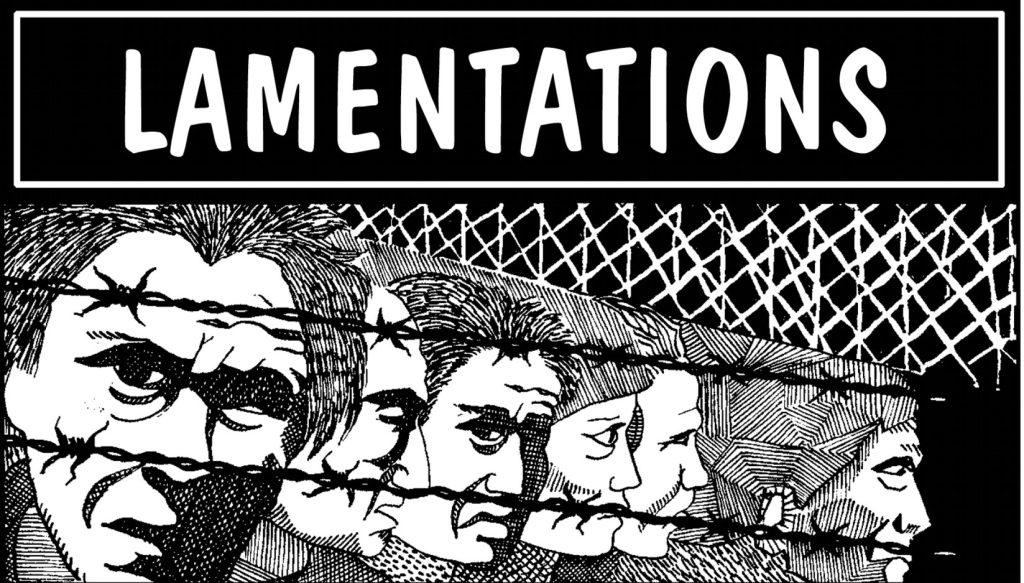
Translation: Mandarin Chinese

家国分崩离析之际

“三分之一的人会死于城内的瘟疫或饥荒,另外三分之一会战死在城外,我还要将另外的三分之一驱散到远方,用刀剑追杀他们。我的愤怒将倾泄而出……”以上是促使厄则克耳宣布这神圣民族之灭亡的天主的话。这番话是否也适用于教会当前的危机呢?

在许多国家,教会已在短期内失去了其备受重视的圣殿和仪式的堂皇外表,以及虔诚信教的大众和无所不在的忠诚教士,还有对天主教中心罗马的无庸置疑的信心和普世性的顺服,这一切都在动摇中。许多人曾希望大公会议的改革能迅速地解决问题。但是,日复一日,那些看起来似乎是最有保障的未来,却又一再地幻灭。

另外一些厄则克耳的言论,再次出现在脑海中:“我不允许你们变得和其他民族一样,我会以强力来统治你们。我将把你们从众民族中聚集起来,我将与你们对质。你们将生活在我的权威之下。”难道天主会召来毁灭的力量?难道天主会摧毁我们称为教会的这个人类组织吗?当然,总有些会幸免的,如同厄则克耳所称的遗民,也就是那些其信仰在考验中得到净化,而圣神也将以更大自由来对他们产生作用的人。

刚才所说的,足以使我们了解厄则克耳一书在今天的价值。厄则克耳虽然和那些被流放的人一起住在巴比伦,但却成为犹大王国末期天主的见证。

我们读到厄则克耳用来描述天主的语言,一定会感到惊讶,因为天主看起来似乎总是在威胁人们,且以子民的困境和痛苦为乐,并以此来发泄他的愤恨和嫉妒。但是,是否有可能说到爱而不提起嫉妒和暴力呢?

我们会发现,当天主征服罪民时,也含有嫉妒和暴力的成份。

这就有如丈夫到妻子的情人家中,寻找自己不贞的妻子,并强行把她带回家。我们不要因为厄则克耳的这些极端的言词,而忘了在圣经的其他地方,天主也曾表现得非常温和,但是我们也不要以天主是位好父亲为借口,而忽略了厄则克耳所说的话。我们可能亲身体验过,那些向天主挑战的人所遭受的苦难:厄则克耳的角色便是要揭发罪恶所带来的苦痛,以及天主的义怒。

厄则克耳书

厄则克耳可能是公元前598年耶路撒冷第一次沦陷之后,随同一万名遭流放的以色列人来到加色丁的一个年轻司祭(见列下24:14)。如同他告诉我们的,他在那里受到了天主的召唤(则1-2章)。

本书第一部分的内容是他宣告国家全然毁灭的言论(则1-24章)。

继反外邦的预言之后(则25-32章),则是本书的第三部分(则33-48章),也就是对流放者的许诺:天主不希望他的子民灭亡。

我们知道,有些种族已在历史中消亡了,而有些民族的移民则因为在异乡找到工作,便忘了自己的土地,如此,犹太人在耶路撒冷沦亡的危机后,本该走上同样的绝路。在被流放到一个比自己的祖国更繁荣的巴比伦的犹太人中,老一辈的人还是渴望着自己的家乡,而年轻人则想在这种新情势中捞到油水。但是厄则克耳以他挑战性的教诲,不断地塑造那些有朝一日将回到犹大建造天主新王国的人的良知。(则33-29章)。

Translation: Tagalog

Kapag Nabubuwal ang Lahat

“Ikatlong bahagi ng bayan ang mamamatay sa salot at gutom; isa pang ikatlo ang mabubuwal sa tabak; at ang malalabi nama’y pangangalatin sa lahat ng dako at uusigin ko pa rin ang mga ito at pagbubuntunan ng aking poot.” Ito ang mga salita ng Diyos na sinabi ni Ezekiel sa pagkawasak ng Bayang Banal. Magagamit din kaya ito sa kasalukuyang krisis ng Iglesya?

Sa loob ng ilang taon, nawala na sa Iglesya ang kahanga-hangang panlabas na anyo ng mga templo at mga seremonya, ang pagkarelihiyoso ng nakararami sa sambayanan, ang katapatan ng mga pari nito na nasa lahat ng dako, ang katatagan ng isang pananampalatayang di mapag-alinlanganan at ang pagsunod ng lahat sa Roma. Nabubuwag ang lahat ng ito. Maraming umaasa na magbubunga kaagad ang pagpapanibagong sinimulan ng Konsilyo. Ngunit naglalaho sa bawat araw ang waring pinakamahalagang magbibigay-katiyakan sa hinaharap.

Magugunita ang iba pang mga salita sa aklat ni Ezekiel: “Hindi ko maipahihintulot na kayo’y maging isang bayang tulad lamang ng iba; kundi sapilitan akong maghahari sa inyo. Titipunin ko kayo mula sa mga bayan at haharapin ko kayo. Sasailalim kayo ng aking kapangyarihan.” Hindi kaya tinatawag ngayon ng Diyos ang mga puwersa ng pagkawasak? Ang Diyos kaya ang nagbubuwal sa mga gawa-ng-tao na sa akala naman nati’y siyang Iglesya? May maiiwan siyempreng labi gaya ng sabi ni Ezekiel – silang ang pananampalataya’y dinalisay ng pagsubok at mas malayang magagalawan ng Espiritu ng Diyos.

Ang kasasabi ay sapat na para maintindihan ang kahalagahan sa ngayon ng aklat ni Ezekiel. Siya ang saksi ng Diyos sa mga huling taon ng kaharian ng Juda, bagamat nasa piling ng mga ipinatapon sa Babilonia.

Tiyak na magtataka tayo sa lengguwaheng iniuukol niya sa Diyos na laging nagbababala at parang nalulugod pa sa kagipitan at pagdurusa ng kanyang bayan bilang pagbibigay-daan sa kanyang galit at selos. Pero puwede kayang mangusap tungkol sa pag-ibig nang hindi binabanggit ang mga salitang selos at karahasan?

May selos at karahasan din sa pagsakop ng Diyos sa mga taong makalaman at makasalanan. Hinahanap ng asawa ang kanyang taksil na maybahay sa piling ng mga mangingibig nito at ibinabalik niya sa dahas. Ang may kalabisang pananalita ni Ezekiel ay hindi dapat makapagpalimot sa atin sa iba pang pahina ng Biblia kung saan ipinahahayag ng Diyos ang kanyang karinyo. Pero hindi rin naman natin maisasaisantabi ang mga ito sa pagdadahilang mabait na tatay ang Diyos. Maaaring naranasan na natin sa ating sariling laman ang kapighatian ng makasalanang humahamon sa Diyos: tungkulin ni Ezekiel na ibunyag na lahat ang pait ng kasalanan at ipagsigawan ang galit ng Diyos.

Ang Aklat ni Ezekiel

Malamang na isang batang pari si Ezekiel na dinalang bihag sa Kaldea kasama ng sampung libong ipinatapon makaraan ang unang paglusob sa Jerusalem sa taong 598 (tingnan ang 2 H 24:14). Doon siya tinawag ng Diyos gaya ng kanyang ikinukuwento sa atin (kab. 1 at 2).

Ang unang bahagi ng kanyang aklat (kab. 1-24) ay naglalaman ng kanyang mga pahayag na nagbabalita sa ganap na pagkawasak ng kanyang bayan.

Kasunod ng mga propesiya laban sa mga banyagang bansa (kab. 25-32), nasa ikatlong bahagi naman ng aklat ang mga pangako sa mga itinapon. Sapagkat ayaw ng Diyos na mamatay ang kanyang bayan.

May alam tayong mga lahing naglaho at mga dayuhang nakalimot sa sariling bayan sapagkat nakakita sila ng trabaho sa ibang bansa. Sa ganito rin sana mamamatay ang sambayanang Judio pagkaraan ng krisis na nagwasak sa Jerusalem. Nang nasa Babilonia sila, sa pagkakadeport sa isang mas maunlad na bansa, pinananabikan ng matatanda ang kanilang lupang tinubuan habang walang iniisip ang mga kabataan kundi samantalahin ang bago nilang kalagayan. Ngunit sa kanyang mapanghamong pagtuturo ay patuloy na hinuhubog ni Ezekiel ang konsiyensiya ng mga magsisiuwi sa Judea balang araw para itayo ang bagong kaharian ng Diyos (kab. 33-39).

Translation: Cebuano

Inigkabungkag sa Tanan

“Ang ikatulo ka bahin sa imong katawhan mamatay sa katalagman. Mamatay sila sa gutom sulod sa imong mga paril. Ang laing ikatulo mamatay sa espada gawas sa syudad. Ang kataposang bahin akong isalibay sa hangin ug gukdon ko sa akong espada nga gikuha na sa sakoban.” Kining mga pulonga sa Diyos ang gigamit ni Ezekiel sa pagpahibalo sa pagkalaglag sa balaang katawhan. Ikasulti ba ni nato bahin sa krisis sa simbahan karon?

Sa daghang kanasoran ang simbahan nawad-an sulod sa dyotayng panahon sa iyang bayhon nga makapataha, sa mga templo ug ritwal nga daghang manambong, sa kadaghanan nga nagbansay, sa kapariang masinugtanon nga naa sa tanang lugar, sa siguridad sa pagtoo nga dili ikapangutana ug sa pagtahod nga unibersal alang sa sentro, Roma. Kining tanan naghinayhinayg kalumpag. May daghang katawhan nga naglaom nga ang pagbag-o sa simbahan nga gisugdan sa konsilyo Vatikano mamunga dayon. Apan kada adlaw, ang morag nakapakitag dakong purohan sa sigurong kaugmaon, nagkawala.

Ang laing mga pulong ni Ezekiel moabot sa atong panumdoman: “Tapokon gikan sa daghan nga katawhan. Himoon tamo nga usa ka pundok gikan sa kanasoran diin kamo makatagkatag. Hatagan tamo sa yuta sa Israel.” Nagtawag ba kaha ang Diyos sa mga pwersang manglalaglag? Ang Diyos ba kaha ang naggun-ob sa mga istruktorang tawhanon nga atong gitoohan nga simbahan? Sa walay duda, duna gyoy mahibilin, ang salin sumala sa gisulti ni Ezekiel, sa ato pa, kadtong katawhan kansang pagtoo lunsayon pinaagi sa pagsulay, ug kang kinsa ang Espiritu Santo makahimo sa iyang gimbuhaton nga mas gawasnon.

Ang bag-o lang natong gisulti dili paigo aron pagtabang sa pagsabot sa bili sa libro ni Ezekiel alang karong panahona. Saksi siya sa Diyos sa kataposang katuigan sa gingharian sa Juda, bisag nagpuyo siya uban sa mga bihag didto sa Babilonia. Sigurado gyod nga mahibulong ta sa pinulongan nga iyang gibutang sa baba sa Diyos. Kay gipakita man niya nga ang Diyos mipahamtang sa iyang kasuko ug pangabugho pinaagi sa kanunay niyang paghulga sa katawhan ug sa kalipay nga iyang gipakita. Hinuon, dili ba posibli ang pagsulti mahitungod sa gugma nga dili maghisgot sa pangabugho ug kabangis?

Ato pod nga makita ang pangabugho ug kabangis diha nga ang Diyos moabot na aron pagbuntog sa makasasalang katawhan. Ang bana mangita sa mabudhiong asawa taliwala sa mga kabit nga dad-on pagbalik ginamit ang kusog. Ang sobra kaayong sinultihan ni Ezekiel kinahanglang magpahinumdom sa ubang panid sa Biblia diin ang Diyos nagpadayag sa kaugalingon sa tumang kalumo, apan dili ta makasalikway sa maong sinultihan, ubos sa pasangil nga ang Diyos maayong amahan. Tingali atong nasinati sa kaugalingon natong unod ang kaalaot sa makasasala nga naghagit sa Diyos: papel ni Ezekiel mao ang pagpadayag sa kapait sa sala ug sa kasuko sa Diyos.

Ang Ezekiel

Si Ezekiel batan-on tingling pari nga gidala sa Caldea uban sa mga 10,000 ka bihag human sa unang pagsulong sa Jerusalem sa tuig 598 (tan-awa 2 H 24:14). Didto gitawag siya sa Diyos ingon sa iyang gisulti kanato (Mga kapitulo 1 ug 2).

Ang unang bahin sa libro (kapitulo 1-24) nagdala sa mga diskurso nga nanagna sa hingpit nga pagkalaglag sa iyang nasod.

Human sa mga panagna batok sa langyawng kanasoran, naa ang ikatulong bahin sa libro, ang mga saad ngadto sa mga bihag: ang Diyos dili buot nga ang iyang katawhan mamatay.

Nasayod ta nga dunay mga rasa nga nangawala ug dunay milangyaw nga nalimot sa ilang yutang natawhan kay nakakita man sila og trabaho sa laing nasod. Niining paagiha ang katawhang Judio mawala na unta human sa krisis kanus-a ang Jerusalem nagun-ob. Samtang didto sila sa Babilonia, mga binihag sa usa ka nasod nga mas malamboon kaayo, ang gulanggulang nga katawhan nangandoy sa ilang yutang natawhan, samtang ang mga batan-on naghunahuna lang sa pagpahimulos sa bag-ong kahimtang. Apan si Ezekiel, sa iyang mahagitong pagpanudlo mipadayon pag-umol sa mga konsensya adtong katawhan nga sa usa ka adlaw mobalik sa Juda aron pagtukod sa bag-ong gingharian sa Diyos (mga kapitulo 33-39).

Translation: Spanish

A este profeta se suele recordarlo como se recuerda a la Cuaresma. Vivió y profetizó en el exilio, y si bien anunció un futuro prometedor para su pueblo arruinado, lo hizo después de haber denunciado, durante años, las falsas esperanzas a las que se aferraban sus compañeros. Dios mismo le ha impuesto largos ayunos y pruebas, además de la humillación de pertenecer a grupos marginales, en una ciudad segura de sí misma. Mientras que el “segundo Isaías” parece contemplar la tropa de los exiliados desde la altura que le inspiran sus grandes perspectivas, Ezequiel comparte la vida de un suburbio escuálido donde se enfrenta cada día a las miradas escépticas u hostiles de los exiliados

Ezequiel es sacerdote y Dios sale a su encuentro cuando tenia treinta años, la edad legal para comenzar su servicio en el templo. Como Jeremías, Ezequiel será a la vez sacerdote y profeta, lo que nos invita a no oponer demasiado estas dos funciones complementarias. El ministerio del sacerdote no se agota en el templo; el sacerdote enseña, juzga y precisa la aplicación de las leyes. El profeta, por su parte, es un carismático capaz de discernir a través de sueños, visiones y signos diversos, la palabra más actual de Dios. Los profetas que Dios ha llamado de una manera especial suelen tener su personalidad propia. Jeremías, por ejemplo, es un solitario y apenas se percibe en él al sacerdote, fuera de su primera predicación. Ezequiel, por el contrario, sigue muy preocupado acerca de lo puro y lo impuro; ejerce una actividad pastoral, y la restauración del templo constituye para él un elemento esencial del nuevo Israel.

Ezequiel ha estado entre los primeros grupos de deportados, en el 597, y toda su vida conocida la pasó en Babilonia. Algunos comentaristas han pensado que la llamada de Dios la recibió estando aun en Jerusalén y que esta llamada, que se puede leer en 2,9 - 3,9, habría sido fusionada después con la visión del capítulo 1. Se trata, sin embargo, de una hipótesis más que de una conclusión bien fundada. La gran visión del Nuevo Israel (caps. 40-48) es del 572, es decir, 25 años posterior.

La predicación de Ezequiel se ha conservado mejor que las de otros profetas bíblicos ya que se desarrolló en una comunidad viva cuya condición de exiliada en una ciudad prospera, ha protegido las enseñanzas del profeta. El hablaba a “ancianos” de los que la mayoría debían ser conocidos suyos, preocupándose de darles una formación adecuada. Sin lugar a duda, los primeros que regresaron del Exilio habían tomado su enseñanza como regla de vida y no tenían razón alguna para revisarla.

Ezequiel en nuestra historia

Tanto Ezequiel como Jeremías han dejado en la Biblia una de las más altas perspectivas desde la que contemplar la historia del pueblo de Dios. Ser infiel y rebelde parece que forma parte de la vocación de este pueblo. Es asimismo parte de la acción de Dios el destruir lo que se había construido con él, desde el momento en que el pueblo quiere instalarse en este mundo, siguiendo las huellas de los otros pueblos.

Hay períodos de la historia en que todo parece derrumbarse y sólo se ve a la muerte campeando por doquier. Es, sin embargo, en estos momentos en los que Dios alumbra una nueva etapa de su plan siempre imprevisible. Aunque es arriesgado hacer aplicaciones demasiado particularizadas a la época en que vivimos, es ahora presente, especialmente en la Iglesia Católica, la sensación de un derrumbamiento que afectaría a sectores aparentemente esenciales de la misma Iglesia, y que nos haría recordar la época en que desapareció el reino de Judá. Para muchos creyentes, el tiempo del Exilio ha comenzado ya, sea que se refieran a la Babilonia de este mundo, ciego a la verdad, o bien a la Iglesia convertida ella misma en Babilonia. En consecuencia, muchos miran por doquier, a la espera de un profeta o de un rayo de luz.

Jeremías y Ezequiel se complementan. Jeremías pertenecía al grupo de judíos que habían tenido la suerte de escapar a la deportación y sabía que nada se podía esperar de ellos. Por esta razón, desconoce la etapa siguiente, la del regreso y va directamente a lo esencial, es decir, a la alianza nueva. Ésta estará siempre más allá del mañana y más allá de las instituciones. Ezequiel, por el contrario, acompaña a los exiliados que constituirán el retoño del nuevo Israel. El profeta está bien anclado en su tarea pastoral y prepara la etapa siguiente. Con esto corre el riesgo tal vez de creer que los regresados del exilio serán mejores que sus predecesores y que se construirá un pueblo de Dios con leyes o con piedras y cemento. Esdras y Nehemías serán los herederos de Ezequiel y construirán el Judaísmo.

Jeremías se ha convertido en la gran figura del profeta perseguido, Ezequiel en cambio no tiene brillo ni belleza, y a veces desearíamos que fuera un poco menos excesivo y grosero, pero esto no puede disimular la fuerza que lo anima. El Espíritu lo llenó, igual que a Elías, de un amor celoso al Dios no reconocido.

Esto libro se divide fácilmente en seis secciones:

1. La vocación del profeta : 1,1—3,27

2. Actividad profética antes del segundo sitio de Jerusalén : 4,1—24,27

– el sitio y el juicio (4,1—8,2)
– las abominaciones en el templo (8,3—11,25)
– mentiras de los profetas y responsabilidad personal (12,1—14,23)
– los pecados acumulados de la historia de Israel (15,1—24,27).

3. Profecías contra las naciones : 25,1—32,32

4. La salvación de Israel : 33,1—37,28

5. Gog y Magog : 38,1—39,29

6. La visión del nuevo Israel : 40,1—48,30

– el nuevo templo (40,1—43,27)
– el nuevo culto (44,1—46,24)
– el nuevo Israel (47,1—48,35)

Introduction to Baruch (Christian Community Bible)

(The Catholic Christian Community Bible [first English edition 1997, other translations into Indonesian, Chinese, Cebuano, Chavacano, French, Ilonggo, Korean, Quechuan, Spanish, and Tagalog] “for the Christian Communities of the Third World” uses the following introduction.)

The book of Baruch was among the last books of the Bible to be written. It was written during the last century before Christ, in one of the Jewish communities outside of Palestine.

It includes several texts helpful to the dispersed Jews:

– a “prayer of the exiles” which intensified their longing for the Holy Land;
– a beautiful poem about wisdom (3:94:4);
– several texts inspired by the prophets of the exile;
– a “letter from Jeremiah,” which is a controversial text against idols (Bar 6).

Because it included some paragraphs written in Jeremiah’s style, it was attributed to Baruch, the prophet’s secretary (see Jer 36).

Down below are the introductions in the Mandarin Chinese, Tagalog, Cebuano, and Spanish editions.

Translation: Mandarin Chinese

巴路克书是圣经中最晚完成的著作之一,大致成书时间是公元前一世纪,地点在巴勒斯坦境外的一个犹太人团体内。

书中的几段经文,对散居的犹太人很有助益:

一首“流放中的祷告”,加强了他们对圣地的渴望;

一首优美的智慧诗篇(3:9-4:4);

受流放先知们启发的几段经文;

一封反对偶像的“耶肋米亚书信”,这是一段具有争议的经文(第6章)。

因为书中有些章节颇具耶肋米亚的风格,所以本书被视为是这位先知的秘书:巴路克的作品(耶36章)。

Translation: Tagalog

Kabilang ang aklat ni Baruc sa mga huling isinulat na mga aklat ng Biblia. Sinulat ito sa huling dantaon bago kay Kristo sa isa sa mga pamayanan ng mga Judiong nasa labas ng Palestina.

Tinitipon nito ang ilang tekstong maaaring makatulong sa mga Judiong nagkawatak-watak:

– isang “panalangin ng mga itinapon” na nagpasidhi sa kanilang pananabik sa Lupang Banal.
– isang magandang tula tungkol sa karunungan (3:9-4:4)
– ilang mga inspiradong teksto mula sa mga propeta ng pagkatapon
– isang “sulat ni Jeremias”, na kontrobersiyal na teksto laban sa mga diyus-diyusan (Bar 6).

Dahil may ilang talata ritong nasusulat sa estilo ni Jeremias, ipinalagay na si Baruc na sekretaryo (tingnan ang Jer 36) ni Jeremias ang sumulat ng aklat na ito.

Translation: Cebuano

Ang Baruc usa sa mga basahon nga kaulahian nang nasulat sa Daang Testamento. Nasulat ni sa kataposang siglo sa wala pa si Cristo, sa usa ka katilingban sa mga Judio gawas sa Palestina.

Naglakip nig pipila ka teksto nga makatabang sa nagkatibulaag nga mga Judio:
– sa “pag-ampo sa mga binihag” nga nagpakita sa mainiton nilang pangandoy sa Balaang Yuta;
– sa nindot nga balak mahitungod sa kaalam (3:9-4:4);
– sa pipila ka teksto nga dinasig sa nabihag nga mga propeta;
– sa “sulat ni Jeremias”, ang gikasumpaki-an nga teksto batok sa mga diosdios (kapitulo 6).

Kay naglakip man nig pipila ka parapo nga gisulat subay sa estilo ni Jeremias, gidala ining basahona ang ngalan ni Baruc, ang kalihim sa propeta (basaha sa Jer 36).

Translation: Spanish

Este librito fue puesto bajo el nombre de Baruc, el “secretario” del rey Joaquim, que se hizo discípulo y secretario del profeta Jeremías (Jer 36; 45,1). De hecho es una obra tardía, compuesta probablemente un siglo antes de nuestra era, en la que se han reunido algunas piezas dirigidas a los judíos dispersos fuera de Palestina. Ver al respecto la introducción a Tobías.

El primer punto sobre el que había que insistir era su condición de extranjeros: no debían acostumbrarse ni dejarse asimilar. Por eso se les pone aquí oraciones de los judíos deportados a Babilonia seis siglos antes: ellos también serán espiritualmente exiliados.

Una primera parte (1,1—3,8) es una oración de penitencia. Sostiene que las tragedias del pasado fueron consecuencia de las faltas a la Ley y pide a Dios que mantenga las promesas hechas a su pueblo: al final, lo reunirá.

Una segunda parte trae dos poemas. El primero (3,9—4,4) se inspira en los textos de Job 38, Pro 8,20-36 y Sir 24,23. Es un llamado a escuchar la Ley, la única revelación de la sabiduría divina. El segundo (4,5—5,9) traza el camino que Dios ofrece a su pueblo exiliado en tierra extranjera. Después de haber sido despreciado, verá el castigo de sus enemigos, y Jerusalén será la luz de las naciones. Aquí se copian textos de Is 60-62.

El libro de Baruc existe sólo en griego. En la Biblia de los Setenta no comprende más que estas dos primeras partes, pero va seguido por una “Carta de Jeremías” que estaba dirigida a los mismos lectores y que las Biblias católicas han incluido comúnmente en el libro de Baruc del cual forma el capítulo 6.

Introduction to Lamentations (Christian Community Bible)

(The Catholic Christian Community Bible [first English edition 1997, other translations into Indonesian, Chinese, Cebuano, Chavacano, French, Ilonggo, Korean, Quechuan, Spanish, and Tagalog] “for the Christian Communities of the Third World” uses the following introduction.)

Following the fall of Jerusalem and the horrendous things that took place there, believers try to understand. They are not complaining; they see the ruins as deserved punishment for their many excesses and constant rejection of God’s warnings. Yet, they know that the Lord loves his people: they believe this, feel it and proclaim it.

When the exiles returned to Jerusalem, they may have gathered to pray together on the ruins of what had been the Temple, and taken turns with these laments. Later they continued yearly to pray them on the date of the catastrophe, and much later the Church adopted the custom of using them in the days she remembers the death of Jesus.

In the Lord’s Passion, the believer sees the sum total of the suffering and anxiety of humankind. These poems help us to look with the same compassion on the suffering of Christ and the suffering of the destitute. They will help us to unite the vision of universal pain with the sense of human sinfulness and responsibility.

A Jewish tradition attributes these poems to Jeremiah. They do seem to manifest a spirit very similar to his.

Down below are the introductions in the Mandarin Chinese, Tagalog, Cebuano, and Spanish editions.

Translation: Mandarin Chinese

哀歌:引言

在耶路撒冷沦陷、恐怖惊人的事相继发生后,信徒们试着想要理解其中的原因。他们并没有抱怨,他们知道圣城的毁灭是因为自己过度的放纵,而且不断地拒绝天主的警告所应得的惩罚。他们知道雅威爱祂的子民:他们相信这点,感受这点,并宣告雅威的爱。

在流放者返回耶路撒冷后,他们可能聚集在曾经是圣殿的废墟上祷告,并轮流使用这些哀歌为祷文。后来,他们每年在灾难日都祈祷纪念,再后来,教会则习惯使用这些哀歌来纪念耶稣的圣死。

信徒从雅威的受难中看到了人类苦难和焦虑的极限。这些诗歌帮助我们将耶稣的受苦和许多遭受折磨的人的苦难联系起来。同时也有助于我们将普世痛苦的景象和人类的罪恶及责任结合起来。

犹太传统认为这些诗是耶肋米亚所作,这些作品在精神上确实非常接近耶肋米亚的作品。

Translation: Tagalog

Sinisikap unawain ng mga nananampalataya ang pagkawasak ng Jerusalem at ang kasunod nitong mga kakila-kilabot na mga pangyayari. Hindi sila nagrereklamo. Itinuturing nilang karapat-dapat na kaparusahan ito para sa marami nilang kaguluhan at sa patuloy na pagtanggi sa mga babala ng Diyos. Gayon pa man, alam nilang mahal ni Yawe ang kanyang bayan. Pinaniniwalaan nila ito, nararamdaman, at ipinahahayag.

Nang bumalik sa Jerusalem ang mga itinapon, malamang na nagtipon sila para manalangin nang sama-sama sa guho ng dating Templo at halinhinan nilang binigkas ang mga panaghoy na ito. Pagkatapos, ipinagpatuloy nila ang pagdarasal nito taun-taon sa petsa ng malaking kapahamakang iyon. At nang lumaon, nakaugalian na ng Simbahang gamitin ang mga Panaghoy para gunitain ang pagkamatay ni Jesus.

Sa Pasyon ng Panginoon, nakikita ng nananampalataya ang pagkakatipon ng mga pagdurusa at dalamhati ng sangkatauhan. Tinutulungan tayo ng mga tulang ito na pagbuklurin sa iisang pagdamay ang mga pagdurusa ni Kristo at ang matinding paghihirap ng napakaraming nagdurusa. Tutulungan din tayo nitong pag-isahin ang pananaw sa paghihirap ng santinakpan at ang kahulugan ng kasalanan at responsibilidad ng tao.

Ipinapalagay ng isang tradisyon ng mga Judio na galing kay Jeremias ang mga tulang ito. At nalalahad nga sa mga ito ang isang diwa na katulad ng sa kanya.

Translation: Cebuano

Human sa pagkapukan sa Jerusalem ug sa makahadlok nga panghitabo, ang mga magtotoo naningkamot sa pagsabot ining tanan. Wala sila magreklamo; gitan-aw nila ang mga kadaot isip silot sa daghan nilang kalapasan ug sa makanunayon nilang pagsalikway sa mga pahimangno sa Ginoo. Gani, nasayod sila nga ang Diyos nahigugma sa iyang katawhan: mitoo sila, mibati, ug misangyaw ini.

Sa pagbalik sa mga bihag didto sa Jerusalem, tingali nagkatapok sila sa pag-ampo sa naguba nga Templo, ug nagpulipuli sa pagpadayag sa mga pagbangotan. Sa kadugayan, ila kining gipadayon sa matag tuig sa petsa sa pagkapukan, ug sa kadugayan, ang Simbahan naanad sa kustombre sa paggamit ini sa paghinumdom sa kamatayon ni Jesus.

Sa Pasyon sa atong Ginoo, may magtotoo nga nakakita sa kinatibuk-an nga pag-antos ug kahingawa sa katawhan. Kining maong mga balak makatabang sa paghiusa sa kasakit ni Cristo ug sa kakabos sa kadaghanan nga nag-antos, sa susamang pagbati. Makatabang ni sa pakighiusa sa panan-awon sa kalibutanong kasakit ug sa diwa sa tawhanong kasal-anan ug katungdanan.

Adunay tradisyon sa Judio nga nagpunting kang Jeremias ining maong mga balak. Nagpadayag ni sa espiritu nga pareho sa iyaha.

Translation: Spanish

Después de la ruina de Jerusalén y de las cosas horrendas que sucedieron en esta ocasión, los creyentes tratan de comprender. No se quejan, ven la ruina como castigo merecido por los muchos desórdenes y por el constante rechazo de las advertencias de Dios. Y, sin embargo, saben que Yavé ama a su pueblo, lo creen, lo sienten y lo afirman.

Cuando los desterrados volvieron a Jerusalén, muy posiblemente se reunían para orar en común en los escombros de lo que había sido el Templo, y juntos alternaban estos lamentos. Después siguieron rezándolos cada año en la fecha que recordaba la catástrofe, y más tarde la Iglesia se acostumbró a usarlos para recordar la muerte de Jesús.

En la Pasión del Señor, el creyente ve la acumulación de los sufrimientos y de las angustias de la humanidad. Estos poemas le ayudan a unir en una misma compasión los dolores de Cristo y la miseria inmensa de la muchedumbre de los que sufren, así como la visión del dolor universal y el sentido del pecado y de la responsabilidad de los hombres.

Una tradición judía atribuye a Jeremías estos poemas, que revelan un espíritu bien parecido al suyo.