Language-specific Insights

Introduction to Wisdom (Christian Community Bible)

(The Catholic Christian Community Bible [first English edition 1997, other translations into Indonesian, Chinese, Cebuano, Chavacano, French, Ilonggo, Korean, Quechuan, Spanish, and Tagalog] “for the Christian Communities of the Third World” uses the following introduction.)
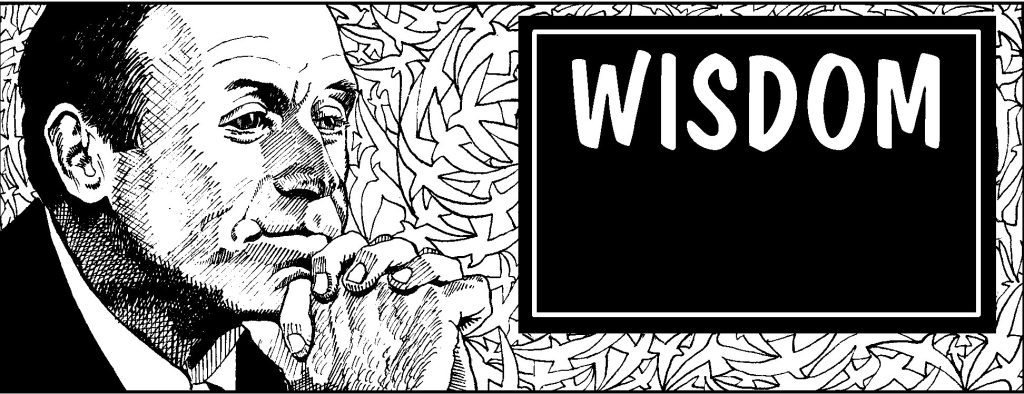
In the last centuries before Christ, Greek culture, spread by Alexander, penetrated into the countries of the Middle East (see introduction to Maccabees). The Greeks had a new way of viewing the freedom of the individual and nobility of spirit. They promoted scientific research and esteemed highly physical beauty, etc.

The Jews had to be open to this new way of thinking: when a people encloses itself in its national culture, without looking beyond it, it ends up being asphyxiated. Their culture was intimately linked to the words of God they had received for centuries, but the revelation of God was not finished and could no longer enclose itself within the molds of Hebraic culture.

The Book of Wisdom is the first important effort to express the faith and wisdom of Israel, not only in Greek, but also in a form adapted to Greek culture.

It gives an answer to the crucial questions of evil, pain and death; it sketches a proof of the existence of God that will inspire Paul and shows that God’s mercy extends to all beings without exception.

Note especially the magnificent chapters 3–5 concerning the death of the just and hope in eternal life and also the hymn to wisdom in chapter 7.

The Book of Wisdom was written in Egypt between 80 and 50 before Christ by one of the many Jews who were living in the Greek world. It is one of the deuterocanonical books.

Down below are the introductions in the Mandarin Chinese, Tagalog, Cebuano, and Spanish editions.
Translation: Mandarin Chinese

公元前几世纪,亚历山大大帝将希腊文化扩张并渗透至中东国家(见玛加伯引言)。希腊人所到之地,将自己对“个人的自由、精神的高贵、科学的寻觅及身体之美”的新观念,也随之带去。

犹太人必须面对并接纳这一新的思维方式:因为一个民族若只看到自己国家的文化,眼光不能有所超越,最终会窒息而亡。犹太文化在过去几世纪中始终与他们领受的天主圣言紧密相联,而且正是因了天主的圣言,文化才得以发展。但是,天主对犹太人的启示并未受到限定,也不会一直封闭于希伯来文化的模式当中,必将以新的方式启示呈现给思想言行都和犹太人不同的其他民族。

《智慧篇》是为表达以色列信仰与智慧所作的第一次尝试,作者是在希腊环境里成长起来的一位犹太人同胞。本书不仅以希腊文写作,也采用了希腊文化的形式。这可以从侧面帮助中国人利用中华民族传统的文献作品,无论是儒家的伦理性智慧书,还是道家或僧侣的自然神秘性智慧著作,或是民间多样化的格言和谚语,进行对比阅读和欣赏。

本书回答了有关罪恶、痛苦和死亡这些令人感到困扰的问题,对天主的存在提出了证明:以后,保禄即从中得到鼓舞。书中还表达了天主的仁慈普及万物,无一例外。

请特别注意3-5章中关于义人之死的句子,对永生的期望,以及第7章的智慧颂。

《智慧篇》是公元前八十年至五十年之间在埃及写成的,因本书是用希腊语写成,故此书被犹太人列入“次经”书目。但我们圣教会的传统,承认本书是在天主默感下写成,仍将本书列为正经书目内。

Translation: Tagalog

Sa mga huling dantaon bago kay Kristo, ang mga bansa ng Gitnang Silangan ay napasok ng kulturang Griyegong dala ng mananakop na Alejandro (tingnan ang Introduksyon sa Mga Macabeo). Dala ng mga Griyego ang isang bagong pang-unawa sa kalayaan ng tao, sa kadakilaan ng espiritu, sa interes sa siyentipikong pananaliksik, sa kahulugan ng pisikal na kagandahan, atbp.

Kinailangan nilang maging bukas sa ibang paraan ng pag-iisip: kapag nananatiling sara ang alinmang sambayanan sa sarili nitong pambansang kultura na wala nang nakikita pang iba bukod dito, di-magtatagal at namamatay ito. Matalik ang kaugnayan ng kanilang kultura sa mga salita ng Diyos na tinanggap nila sa loob ng maraming siglo, pero hindi pa natatapos ang pagbubunyag ng Diyos at hindi na nito maikulong ang sarili sa balangkas ng kulturang Hebreo.

Ang aklat ng Karunungan ang unang importanteng pagsisikap para maipahayag ang pananampalataya at karunungan ng Israel hindi lamang sa wikang Griyego kundi maging sa kaayusang angkop sa kulturang Griyego.

Sinasagot nito ang lumiligalig na katanungan tungkol sa kasamaan, pagdurusa at kamatayan. Binabalangkas nito ang isang patunay na mayroon ngang Diyos, na magbibigay-inspirasyon naman kay Pablo. Ipinapakita rin nito na iginagawad ng Diyos ang Kanyang awa sa lahat ng nilalang nang walang itinatangi.

Isa ito sa mga aklat na deuterocanonical.

Pansining mabuti ang napakagandang mga kabanata 3-5 tungkol sa kamatayan ng makatarungan at pag-asa sa buhay na walang hanggan, pati na rin ang awit sa karunungan sa kabanata 7.

Translation: Cebuano

Sa ulahing mga siglo sa wala pa si Cristo, ang Griyegong kultura nga gisabwag ni Alejandro nakatuhop na pag-ayo sa mga nasod sa Tungatungang Silangan (basaha ang pasiuna sa Macabeo). Ang mga Griyego dunay bag-o ug kinaugalingong panglantaw bahin sa kagawasan sa tawo, sa kahamili sa espiritu, sa pagdukiduki sa syensya, sa kahulogan sa mga butang nga nindot, ug daghan pa. Kining tanan ilang nakab-ot ginamit ang kalantip sa hunahuna ug salabotan.

Ang kultura sa Judio lahi. Milambo ni samtang namalandong sila sa kalihokan sa Diyos diha sa ilang kinabuhi ug sa dagan sa ilang kasaysayan. Angay silang pasalamatan ining tanan. Hinuon mas makatabang kon sila bukas ug gawasnon sa pagdawat sa mga bag-ong panghunahuna, imbis mosira sa bisag unsang kultura nga dili ilaha. Diha nga ang katawhan magapos pagtan-aw sa ila rang kaugalingon ug dili makalantaw latas sa kultura sa uban, nan, sa dili madugay, mahimo silang hiktin, pinugngan ug madudahon. Ang diyosnong pagpadayag sa kamatuoran sa mga Judio wala pa matapos, ug kinahanglan nga ipakita ni sa bag-o nga paagi sa tanang katawhan, nga wala maghunahuna ni magsulti sama sa mga Judio.

Ang Kaalam unang dakong paningkamot aron ang pagtoo ug kaalam sa Israel ikapadayag, dili lang sa Griyego, apan sa pamaagi sab nga gipahaom sa Griyegong kultura.

Misulay ni pagtubag sa makapahasol nga mga pangutana bahin sa kadaotan, sa sakit ug kamatayon; naghatag sab og lakbit nga kapasikaran nga dunay Diyos, kamatuoran nga makadasig ni San Pablo; nagpadayag sab nga ang kaluoy sa Diyos nakakaylap na sa tanang tawo sa walay pagpinig.

Ang Kaalam nasulat sa Ehipto taliwala sa katuigan 80 ug 50 sa wala pa si Cristo. Gisulat kini sa usa sa kapid-an ka Judio nga nanimuyo sa kalibotan nga naghupot sa Griyegong kultura.

Ayoha pagbasa ang nindot nga mga kapitulo 3 ngadto sa 5, mahitungod sa kamatayon sa mga tarong ug ang paglaom sa kinabuhing dayon, ingon man ang himno sa kaalam sa kapitulo 7.

Translation: Spanish

El libro de la Sabiduría se presenta como obra del rey Salomón, pero esto no es más que una ficción literaria. En realidad fue escrito mucho más tarde, hacia el año 50 a.C.

Su autor pertenecía a la comunidad judía de Alejandría, importante colonia en la ciudad más poblada del mundo grecorromano. No había biblioteca que se igualase a la de Alejandría; según se decía albergaba 700.000 volúmenes. Dos siglos antes, su director había ordenado una traducción griega de la Biblia, la que fue llamada de los "Setenta".

El autor, pues, está en el punto en que se entrelazan dos culturas y dos lenguas, el hebreo y el griego. Ahí se enfrentan dos mundos religiosos, el de la Biblia y el de los griegos, con sus dioses, sus poetas y sus filosofías. Por lo demás, Égipto acaba de cambiar de dueños y los judíos de Alejandría que se consideraban vejados por la administración egipcia, esperan que los romanos, ahora dueños de Oriente Medio, les sean más favorables.

Este es el marco en que nace el Libro de la Sabiduría. En la primera parte (capítulos 1-5), el autor se dirige a creyentes algo desanimados por las pruebas que su pueblo sufrió durante el transcurso del siglo. Más que todo la fe se viene abajo porque los tiempos han cambiado. En Palestina, la vida religiosa de los judíos se encontraba intimamente ligada a su tierra; la fe se arraigaba en la vida nacional más que en las personas, y los individuos no contaban mucho. Hoy, en cambio, viven en medio de los paganos, y los desafíos de la vida obligan a cada cual a que se haga responsable de su propio destino.

El autor planteará, pues, el problema de la sabidauría sobre bases nuevas: la cuestión esencial es saber en qué desemboca la vida presente. Existe un juicio y otra vida, y mientras no se lo haya comprendido, nada se puede juzgar bien. Estos capítulos se cuentan entre los más bellos de la Biblia, especialmente los textos que se refieren a la inmortalidad, la resurrección y el desquite de los justos y los mártires.

En la segunda parte del libro (capítulos 6-10) el autor expone los diversos aspectos de la presencia divina en el universo. Esta cuestión era fundamental para los griegos; muchos confundían a Dios, alma del mundo, con un universo divinizado, y sus respuestas eran muy a menudo próximas a las que circulan hoy bajo la etiqueta de la New Age. El libro de la Sabiduría retoma aquí las fórmulas y las aspiraciones del mundo griego, pero aporta las precisiones necesarias para que Dios, presente y activo por doquier, siga siendo Dios, el único Santo y Glorioso.

La tercera parte de la obra (capítulos 11-19) intenta mostrar cómo Dios hace justicia a su pueblo, y en esto expresa muchas verdades, pero en ella no faltan la agresividad y las rencillas políticas y en más de un lugar echaremos de menos esta sabiduría más profunda que revela el evangelio.

Introduction to 1 Thessalonians (Christian Community Bible)

(The Catholic Christian Community Bible [first English edition 1997, other translations into Indonesian, Chinese, Cebuano, Chavacano, French, Ilonggo, Korean, Quechuan, Spanish, and Tagalog] “for the Christian Communities of the Third World” uses the following introduction.)

In the year 50, Paul arrived in Thessalonica, a major city and the capital of the province of Macedonia (see Acts 17:1). Here, after being rejected by the Jews, he addressed his preaching to the pagans and succeeded in forming a community. After barely three months, a riot caused by the Jews forced him to leave.

What is going to happen to these recent converts to whom Paul taught the mere basics of Christian life?

Paul is quite concerned, so he sends Timothy to see them and to strengthen their church. Timothy comes back with an optimistic report and Paul, reassured, sends this letter at the beginning of 51.

This is the oldest writing of the New Testament.

Down below are the introductions in the Mandarin Chinese, Tagalog, Cebuano, and Spanish editions.
Translation: Mandarin Chinese

保禄于公元五十年到达马其顿省的省会得撒洛尼市(宗17:1),在那里他遭到犹太人的拒绝,然后他便把传教的对象转向外邦人,并成功地组建了一个团体。但是不到三个月,犹太人发动了暴乱,迫使他离开那里。

那些新近皈依的信友,仅接受了保禄有关基督徒生活的基本教诲,他们该怎么办呢?保禄对此非常关心,他派弟茂德前去坚固他们的信德。弟茂德带着令人振奋的消息回来,保禄放心了。他在51年初寄出了这封信。

这是新约中最古老的作品。

Translation: Tagalog

Noong taong 50, dumating si Pablo sa Tesalonika na importanteng lunsod at kapitolyo ng probinsya ng Macedonia (tingnan ang Mga Gawa 17:1). Matapos tanggihan ng mga Judio, dito iniuukol ni Pablo ang kanyang pangangaral sa mga pagano at nakabuo siya ng isang pamayanan. Halos tatlong buwan pa lamang siya roon pero napilitan siyang umalis sa Tesalonika dahil sa gulong ginawa ng mga Judio.

Ano kaya ang mangyayari sa mga bagong kaanib sa pananampalataya na mga panimula pa lamang sa buhay-Kristiyano ang naituturo ni Pablo?

Lubhang nababahala si Pablo kaya pinapunta niya si Timoteo para makita sila at sikaping patatagin ang kanilang Iglesya. Bumalik si Timoteong may magandang balita at naging panatag ang loob ni Pablo kaya ipinadala niya ang sulat na ito sa simula ng taong 51.

Ito ang pinakamatandang akda sa Bagong Tipan.

Translation: Cebuano

Sa tuig 50, miabot si Pablo sa Tesalonika, dakong syudad ug ulohan sa lalawigan sa Macedonia (basaha sa Buhat 17:1). Dihang gisalikway siya sa mga Judio didto, mibalhin siyag wali sa mga pagano, ug nakaumol didtog katilingban. Human sa mga tulo ka bulan, dihay kasamok nga gipasiugdahan sa mga Judio, hinungdan sa iyang pagbiya.

Unsay nahitabo sa mga nakabig nga bag-o pang nakadawat og mga pagtulon-an sa kristohanong kinabuhi gikan ni Pablo?

Nabalaka pag-ayo si Pablo ug nagpadala ni Timoteo aron pagsusi ug paglig-on sa ilang simbahan. Malipayon siyang mitaho kang Pablo sa sangpotanan sa pagduaw, mao nga nadasig si Pablo sa pagpadala ining sulata sa unang bahin sa tuig 51.

Ang labi ning karaan nga sinulat sa Bag-ong Kasabotan.

Translation: Spanish

El año 50 Pablo llegó a Tesalónica, ciudad importante y capital de la Macedonia (véase He 17,1). Después de haber sido rechazado por los judíos, Pablo se dirigió a los paganos y llegó a formar una comunidad en esa ciudad. Pero sólo tres meses después, una revuelta provocada por los judíos le obligó a irse.

¿Qué pasaría con esos nuevos cristianos, que no habían recibido de Pablo más que las bases de la vida cristiana? Preocupado, Pablo pide a Timoteo que vaya a afirmar esa Iglesia. Timoteo regresa optimista y Pablo, ya tranquilo, les envía esta carta a comienzos del año 51.

Es el texto más antiguo de todo el Nuevo Testamento.

Esta carta no cautiva a sus lectores; podría decirse que el estilo de Pablo está aun muy “verde”. Pero se siente el afecto del misionero hacia los convertidos por quienes se ha desvivido, las preocupaciones que siente por ellos y los flecos de su primera formación, tan fanática como generosa.

La fe cristiana que Pablo proclamaba no se oponía menos a la razón en las primeras comunidades del mundo grecorromano que en las nuestras. La libertad sexual les parecía tan legítima como a nuestros contemporáneos; la resurrección de los muertos y la otra vida no entraban en sus perspectivas, aunque periódicamente algunos filósofos o religiones “mistéricas” trataran de suscitar tales esperanzas.

Pablo reafirma la doctrina bíblica sobre estos puntos en el cap. 4. Se encontrará allí la afirmación clara de las exigencias morales inherentes a nuestra integración en el pueblo de Cristo: sean santos, manténganse despiertos, como personas que esperan algo mejor.

Se encontrará igualmente, en el lenguaje y con las imágenes de las apocalipsis, la primera afirmación de la resurrección de los muertos.

Desde el principio la comunidad es invitada a vivir en oración constante y a preocuparse ante todo de sus miembros más débiles.

making implicit plural form explicit (2 Samuel 17:27)

In many, if not most of the languages in the Philippines, proper nouns, such as personal names, are tagged with a marker that signals their grammatical role within a sentence. For Tagalog and the Visayan languages , this typically includes si to mark the proper noun as the actor or subject (nominative case), ni to mark the proper noun as an owner (genitive case), and kay to mark the proper noun as as an indirect object, i.e. the one to or toward whom an action is directed (dative case). All of these also have plural forms — sina, nina and kina respectively — and unlike in the biblical languages or in English, the plural form has to be used when only a single proper name is mentioned but implicitly that proper name includes more than just one.

In this verse, where English translates “David (came),” the Tagalog translation translates “sina David” because the context of the text makes clear that David was with his followers. (Source: Kermit Titrud and Steve Quakenbush)

Introduction to Deuteronomy (Christian Community Bible)

(The Catholic Christian Community Bible [first English edition 1997, other translations into Indonesian, Chinese, Cebuano, Chavacano, French, Ilonggo, Korean, Quechuan, Spanish, and Tagalog] “for the Christian Communities of the Third World” uses the following introduction.)

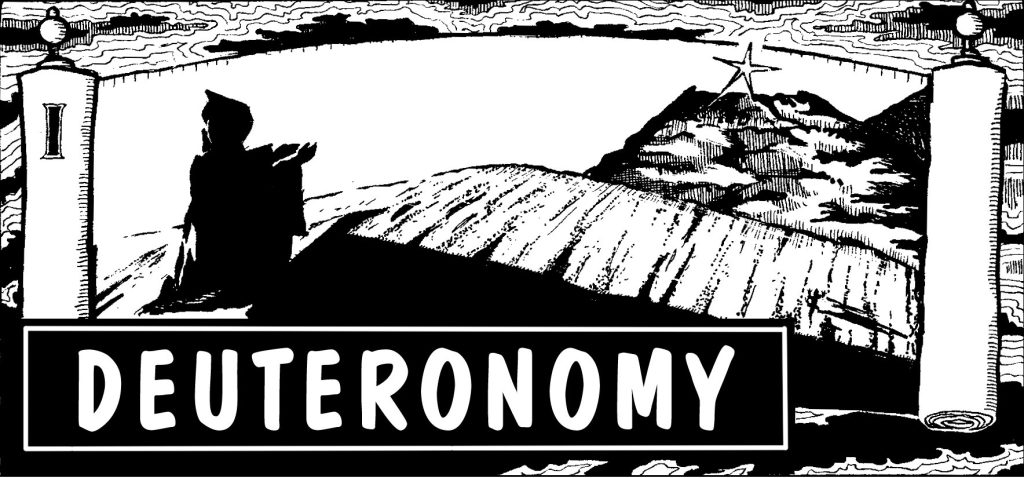
Deuteronomy means second law. It was so named because this law is recorded in the Bible after all the laws found in the books of Leviticus and Numbers. Nevertheless, it was partly written before those books. It was the first attempt at unifying commands and customs in order to give Israel the Law in which it would find life.

When Deuteronomy was edited in the 7th century before Christ, more than five hundred years had passed since Moses’ encounter with God. The land of Canaan had been conquered, the Kingdom of David and Solomon had been established, then, divided. The largest and most prosperous area to the north, called the Kingdom of Israel, had ceased to exist and the same destiny was, at that time, threatening the Kingdom of Judah, the southern province.

It was then that this Law of Yahweh became known, a law which revealed to the people the cause of their defeats and which offered them an opportunity for salvation. Left and forgotten in the Temple during the persecution of Manasseh, its discovery in 622 (2 K 22) was at the root of Josiah’s reform.

Moses and Deuteronomy

Deuteronomy was welcomed by the people of Israel and their shepherds as the word of God and the teaching of Moses, but the authors were priests and prophets who summarized in these pages the experience the Israelites had acquired throughout their history.

As happens in other books of the Bible, the authors of Deuteronomy placed on the lips of Moses the very discourses they themselves wanted to address to their people. In a fictitious way they imagine that, before his death, Moses foresaw the tragic fate awaiting his people. They attribute to Moses the warnings and the laws which could still save Israel. Deuteronomy, in fact, uses the preaching of the prophets concerning justice and love: it is the first effort ever made in the world to establish a responsible and fraternal society.

Love of God and the promised land

Moses had ordered the conquest of the land of Canaan. Deuteronomy says that, since this land is a gift from God, Israel must obey the Law in order to keep the land. Moses had spoken only of serving God. Deuteronomy now makes known the great laws of the love of God.

God is the one who loves first. God does not give his love indiscriminately to everyone, but loves especially those whom he chooses to serve him (Dt 7:6-8). And the proof that he has chosen Israel is found in the supernatural interventions of God in their favor, when he took them out of Egypt (Dt 4:32-40).

Israel must respond to God with love from the heart (which was not found in the ten commandments). See Dt 6:1-9.

The Israelites must preserve solidarity; they must be able to love and forgive each other (Dt 15). They must also be united around the only Temple in Jerusalem (Dt 12).

The way to love God is to love him faithfully (Dt 13).

Down below are the introductions in the Mandarin Chinese, Tagalog, Cebuano, and Spanish editions.

Translation: Mandarin Chinese

申命纪的意思是第二套法律。继肋未纪和户籍纪的法律之后,圣经中出现了申命纪中的法律条文。称此书为申命纪,也就是重申前命的意思。但在史实上,申命纪的成书时间比另外两本要早得多。申命纪首次尝试了如何使以色列人的传统和习俗得到统一,以便给民族提供赋有生命的法律。

大约在公元前七世纪,人们编撰了申命纪,梅瑟会见天主后又过了五百年的时间。其间以色列人征服了迦南。达味和所罗门王国经历了辉煌的繁荣后,江山一分为二。此书写成时,北部最大最富庶的地区以色列王国已灭亡,同样的命运正威胁着南部的犹大王国。

正是在这种情形下,雅威的法律传扬开来,为了能帮助民众认识失败的原因,珍视获救的机会。在默纳舍迫害时期,这套法律被遗忘在圣殿。人们在前622年(列下22章)发现并找回了这套法律,它便成为约史雅改革的基础。

梅瑟和申命纪

以色列的民众和他们的领袖真心诚意地接受了申命纪的法律,把书中的内容看成是直接来自天主的圣言,是梅瑟的教诲。事实上申命纪的作者是司祭和先知,他们把以色列民众在历史上的经历加以总结,写下了这本书。

如同圣经中其它的书,此书的作者把他们自己想要对人民说的话,借梅瑟之口表达出来。作者用文学表达的方式,设想出梅瑟死后他对民众悲惨结局的预示。他们将那些依旧可拯救以色列的誓言和法律通通归到梅瑟的名下。事实上,申命纪记载了先知们在正义和爱的主题上,对民众的教诲。这或许是人类最早的、对友爱社会、责任感及手足之情的倡导。

天主的爱和许诺之地

梅瑟下过要征服迦南地的命令。申命纪中说,既然这块土地是天主的礼物,为了保有这块土地,以色列民众就必须遵守天主的律法。

梅瑟谈到奉献于天主,申命纪是宣布天主之爱的法律。

是天主先爱了我们。天主以不同的方式,不同的情怀爱着他创造的每一个人,爱与爱的方式虽有不同,性质却是一样的。天主特别钟爱那些被选来侍奉他的人(申7:6)。以色列必须衷心地以爱回报天主(十诫中却没有提及),见申6:1-9。以色列人必须保持团结,要学会怎样彼此相爱和原谅(申15)。他们还必须团结在耶路撒冷的唯一圣殿周围(申12)。

Translation: Tagalog

Pangalawang Batas ang ibig sabihin ng Deuteronomio. Ganito ang itinawag dito dahil sa pagkakalagay nito sa ating Biblia pagkatapos ng kabuuan ng mga batas na nasa mga aklat ng Levitico at Mga Bilang. Subalit unang isinulat ang Deuteronomio kaysa mga ito. Para pag isahin ang mga utos at mga kaugalian ang unang layunin nito at para ibigay sa Israel ang Batas na katatagpuan nito ng buhay.

At nang inedit ang Deuteronomio, sa ika-7 dantaon bago dumating si Kristo, higit sa limandaang taon na ang lumipas mula nang makipagtagpo si Moises sa Diyos. Nasakop na ang lupain ng Kanaan, naitatag na ang Kaharian nina David at Solomon at pagkatapos ay nahati.

Bumagsak na ang mas malaki at mas masaganang probinsya sa hilaga na tinatawag na Kaharian ng Israel. At gayon ding kapalaran ang nagbabanta nang mga taong iyon sa Kaharian ng Juda na probinsya sa timog.
Noon ipinagbigay-alam ang Batas na ito ni Yawe. Inilantad nito sa kanyang bayan ang dahilan ng kanilang mga pagkatalo at iniaalok ang isang pagkakataon para maligtas. Matagal na itong nalimutan sa Templo sa panahon ng pag-uusig ni Manases. Ngunit ang pagkatuklas dito sa taong 622 (2 H 22) ang siyang pinakaugat ng reporma ni Yosias.

Si Moises at ang Deuteronomio

Tinanggap ng bayan ng Israel at ng kanilang mga pastol ang Deuteronomio bilang salita ng Diyos at aral ni Moises, pero ang mga pari at ang mga propeta naman ang sumulat nito. Binuod nila sa mga pahinang ito ang kanilang karanasan sa kabuuan ng kanilang kasaysayan.

Tulad sa iba pang mga libro sa Biblia, inilagay sa bibig ni Moises ng mga sumulat ng Deuteronomio ang mga diskursong gusto nila mismong sabihin sa kanilang bayan. Gawa-gawa lamang ang pagsasalaysay nila na bago mamatay ay nakinikinita na ni Moises ang masaklap na kapalarang naghihintay sa kanyang bayan. Sinasabi nilang sa kanya galing ang mga babala at mga batas na pupuwede pang magligtas sa Israel. Sa totoo'y ginagamit ng Deuteronomio ang pangangaral ng mga propeta tungkol sa katarungan at pag-ibig: ito ang kauna-unahang pagsisikap na ginawa sa daigdig para bumuo ng isang lipunang may pagkakaisa't pagka kapatiran.

Translation: Cebuano

Ang Deuteronomio ikaduhang balaod. Gigamit kining ngalana, kay ang maong balaod nahimutang man sa Biblia human sa mga balaod sa Levitico ug Mga Numero. Apan bisan pa ini, kining basahona unang nasulat sa nahisgotang duha ka basahon. Ang una ning lakang paghiusa sa kasugoan ug mga kostumbre sa Israel aron pinaagi sa Balaod makaplagan ang tinuod nga kinabuhi.

Dihang gihashasan ang Deuteronomio sa ikapitong siglo sa wala pa si Cristo, milabay na nig kapin sa 500 ka tuig sukad sa talagsaong kasinatian ni Moises uban sa Diyos. Ang yuta sa Canaan gibuntog nila ug natukod ang gingharian ni David ug Solomon unya, nabahin ni. Ang labing dako ug mauswagong dapit sa amihanan ginganlag Gingharian sa Israel nga nailog sa langyawng nasod. Sa maong panahon nag-atubang sa samang hulga ang gingharian sa habagatan, ang Gingharian sa Juda.

Ining panahona nasinati sa katawhan ang Balaod ni Yahweh nga nagpadayag sa hinungdan sa ilang kaparotan ug nagtanyag og kahigayonan sa kaluwasan. Nalimtan kining basahona sa Templo panahon sa panglutos ni Manases ug nakaplagan sa tuig 622 BC (2 H 22), sa paghimo ni Hari Osias og dagkong kabag-ohan.

Si Moises ug ang Deuteronomio

Ang Deuteronomio gidawat sa katawhan sa Israel ug sa ilang kadagkoan isip pulong sa Diyos ug pagtulon-an ni Moises. Apan gisulat ni sa mga pari ug propeta agig sumada sa kasinatian nila sa tibuok kasaysayan.

Sama sa nahitabo sa ubang basahon sa Biblia, gibutang sa tagsulat sa Deuteronomio sa baba ni Moises ang wali nila sa katawhan. Nagmugna silag paagi sa paghanduraw nga sa wala pa mamatay nakakita na si Moises sa masulub-ong dangatan sa katawhan. Gihimo nila nga maiya ni Moises ang mga pasidaan ug balaod nga makaluwas sa Israel. Apan sa pagkatinuod ang Deuteronomio nagamit sa mga wali sa mga propeta mahitungod sa hustisya ug gugma: ang unang paningkamot sa kalibotan pagtukod og katilingban nga dunay inigsoonay.

Ang Gugma sa Diyos ug ang Yuta sa saad

Nagmando si Moises sa pagbuntog sa yuta sa Canaan. Gihisgotan sa Deuteronomio nga kay gasa man sa Diyos kining yutaa, tumanon sa Israel ang Balaod aron mailaha ang yuta.

Naghisgot pod si Moises sa pag-alagad sa Diyos samtang ang Deutoronomio nagpadayag sa mga importanting balaod sa paghigugma sa Diyos.
Unang nahigugma nato ang Diyos. Way gipihig ang iyang gugma. Apan makadawat sa talagsaong gugma ang gitawag sa pag-alagad sa Diyos (Dt 7:6-8). Ang pagluwas Niya sa katawhan sa Ehipto dakong kamatuoran sa dako niyang gugma sa Israel, gugma nga nagmatuod sa diyosnong pagpangilabot nga labaw pa sa kinaiyahan (Dt 4:32-40).

Busa, kinahanglang tubagon sa Israel ang Diyos pinaagi sa gugma nga nagsukad sa kailadman (balaod ni nga wala masakop sa 10 ka sugo) (Basaha ang Dt 6:1-9).

Ampingan sa Israel ang pag-inunongay; maghigugmaay ug magpasayloay sila (Dt 15), ug magkahiusa sa mao rang Templo sa Jerusalem (Dt 12).

Ang hustong pamaagi sa paghigugma sa Diyos mao ang paghimo ini nga matinud-anon (Dt 13).

Translation: Spanish

Deuteronomio significa “Segunda Ley”, y fue llamado así por estar ubicado en la Biblia después del conjunto de leyes que ocupan los libros del Levítico y de los Números. Sin embargo, fue escrito antes que éstos. Fue el primer intento para unificar mandamientos y costumbres y dar a Israel la Ley en que encontraría la vida.

La primera redacción del Deuteronomio tuvo lugar cuando ya habían transcurrido más de quinientos años desde el encuentro de Moisés con Dios. La tierra de Canaán había sido conquistada, el reino de David y Salomón se había levantado y, luego, dividido y debilitado. La provincia más grande y próspera, la del norte, llamada Reino de Israel, había dejado de existir, y la misma suerte amenazaba al Reino de Judá, la provincia del sur, en aquellos años del siglo VII antes de Cristo.

Fue entonces cuando llegó a ser pública esta Ley de Yavé, que denunciaba a su pueblo la causa de sus reveses y le ofrecía una oportunidad para salvarse. Olvidada en el Templo durante la persecución de Manasés, su descubrimiento, en el año 622 (2Re 22,1), originó la reforma de Josías.

En forma ficticia, el autor atribuye a Moisés las advertencias y las leyes que se leen en el presente libro. Ubica en las estepas de Moab, al otro lado del Jordán, los acontecimientos que ahí se leen. Es entonces cuando Moisés, poco antes de su muerte, da a Israel las leyes que pueden salvarlo.

El amor de Dios y la tierra de las promesas

Moisés había exigido la conquista de la tierra de Canaán. Ya eran dueños de ella y trataban de hacer buena figura entre los grandes de su tiempo. Dotados de un poder central, con un ejército, con templos y un clero respetado, pagaban un tributo a su Dios, pero en realidad, habían vuelto a ser como los demás pueblos.

Moisés había hablado de servir sólo a Yavé. El Deuteronomio, ahora, recuerda insistentemente a Israel que Yavé lo ha amado y escogido. Israel es ahora el pueblo al que Yavé ha concedido su alianza, y debe responderle con amor de corazón. Ver Dt 6,1.

Amor a Dios, bien es cierto, pero también amor al prójimo. El libro quiere fortalecer la unidad del pueblo, y muestra cómo el amor de Dios a su pueblo le exige crear una sociedad solidaria y fraternal.

Las principales divisiones del libro, pues, serán las siguientes:

1. Mirada retrospectiva y llamada de atención: capítulos 1,1—4,43.

2. Síntesis de los hechos narrados en el Éxodo y los Números: capítulos 4,44—11,32.

El autor insiste en la importancia del amor para comprender la ley de Dios.

3. Preceptos que corrigen y revisan las legislaciones anteriores: capítulos 12—28.

4. Un epílogo reúne textos de carácter exhortativo: capítulos: 29—34.

El libro concluye con la muerte de Moisés y el nuevo liderazgo de Josué.

Introduction to Obadiah (Christian Community Bible)

(The Catholic Christian Community Bible [first English edition 1997, other translations into Indonesian, Chinese, Cebuano, Chavacano, French, Ilonggo, Korean, Quechuan, Spanish, and Tagalog] “for the Christian Communities of the Third World” uses the following introduction.)

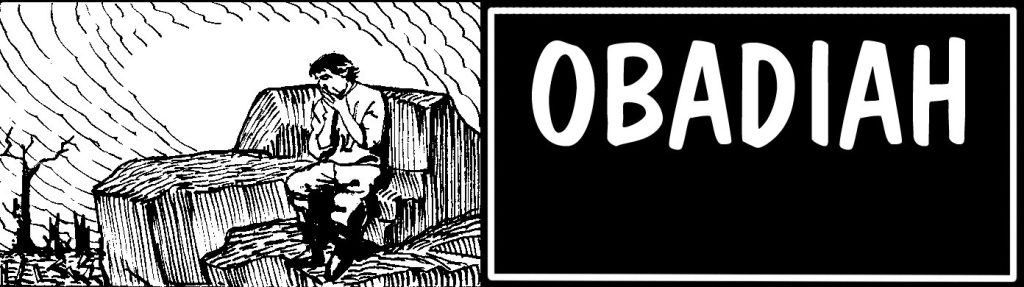
Obadiah probably wrote after 500 and before the conquest of Edom in 312. His work is filled with calls for revenge which, deep down, shows his faith in God’s justice.

Down below are the introductions in the Mandarin Chinese, Tagalog, Cebuano, and Spanish editions.

Translation: Mandarin Chinese

亚北底亚的写作时间可能是在公元前500年后,和公元前312年的征服厄东之前。亚北底亚的作品充满了复仇的召唤,而这正显示出他对天主正义的信心。

Translation: Tagalog

Maaaring nagsulat si Abdias pagkatapos ng taong 500 at bago nasakop ang Edom sa taong 312. Puno ng mga sigaw ng paghihiganti ang kanyang mga tula, na sa pinakapuso ng mga ito ay nagpapakita ng pananampalataya niya sa katarungan ng Diyos.

Translation: Cebuano

Si Obadias nagsulat tingali sa mga tuig human sa 500, ug sa wala pa ang pagbuntog sa Edom sa tuig 312. Ang iyang sinulat puno sa panawagan sa panimalos, nga sa kailadman, nagpakita sa iyang pagtoo sa hustisya (katarong) sa Ginoo.

Translation: Spanish

Abdías escribió probablemente después del año 500 y antes de la conquista de Edom, el año 312. Sus poemas están llenos de gritos de venganza que en el fondo demuestran su fe en la justicia de Dios.

Introduction to 2 John (Christian Community Bible)

(The Catholic Christian Community Bible [first English edition 1997, other translations into Indonesian, Chinese, Cebuano, Chavacano, French, Ilonggo, Korean, Quechuan, Spanish, and Tagalog] “for the Christian Communities of the Third World” uses the following introduction.)

Chosen lady: this is the way John greets the community of an unknown city. The Church is chosen and holy, just as the people in it are the chosen and holy ones of God.

John invites the people to have a steadfast and emphatic attitude toward those who do not accept the faith of the apostles. At the same time, he reminds them of the fundamental law for Christians; love.

To remain zealously faithful to the Truth is to love Christ who entrusted this truth to us. We need the whole truth and not only what is most pleasing to people today.

Down below are the introductions in the Mandarin Chinese, Tagalog, Cebuano, and Spanish editions.

Translation: Mandarin Chinese

这是最短的一封信,仅有13节,是“长老”即若望宗徒写给一位“蒙选的主母”。这名称很可能是暗指小亚细亚的一教会。因作者有意前往该处视察,遂先以此信通知。此外,信中所论的即是应彼此相爱,应信耶稣降生成人的道理。可说此书是《若望一书》的提要;既是如此,本书当写于《若望一书》之后,地点大概仍是厄弗所。

Translation: Tagalog

Hinirang na Ginang: sa ganitong paraan binabati ni Juan ang pamayanan ng hindi nakikilalang lunsod. Hinirang at banal ang Iglesya tulad din ng mga tao roon na hinirang at ang mga banal ng Diyos.

Inaanyayahan ni Juan ang mga tao na magkaroon ng matatag at mariing aktitud sa mga hindi tumatanggap sa pananampalataya ng mga apostol. Gayundin naman, ipinagugunita niya ang pangunahing kautusan para sa mga Kristiyano: pag-ibig.

Kay Kristo tayo umiibig sa patuloy na katapatan natin sa katotohanang ipinagkatiwala niya sa atin. Dapat tayong maglingkod sa mga taong nangangailangan ng buong katotohanan, at hindi lamang ’yong kasiya-siya sa mga tao ngayon.

Translation: Cebuano

“Ang piniling Babaye”: paagi kini ni Juan pagtimbaya sa katilingban sa wala hiilhing syudad. Ang Simbahan pinili ug balaan, sama ra nga ang katawhan ini pinili ug gibalaan sa Diyos.

Si Juan nagdapit sa katawhan sa pag-angkon sa lig-on ug bug-at nga kinaiya alang sa wala modawat sa pagtoo sa apostoles. Sa samang higayon gipahinumdoman sila sa batakang balaod sa Kristyanos: ang gugma.

Ang pagpabiling mahinangpon nga matoohon sa Kamatuoran mao ang paghigugma ni Cristo nga nagbilin nato ining kamatuorana, sa pag-alagad sa katawhang nagkinahanglan sa tibuok nga kamatuoran ug dili lang sa maayo alang sa mga tawo karon.

Translation: Spanish

Dama elegida, Señora. Así saluda Juan a la comunidad de alguna ciudad que desconocemos. Elegida y santa es la Iglesia, como son elegidos de Dios y santos los que la integran.

Juan invita a una actitud muy firme y tajante frente a quienes no aceptan la fe de los apóstoles. Al mismo tiempo recuerda la ley fundamental del cristiano, el amor.

Permanecer celosamente fieles a la verdad es amar a Cristo, que nos confió esta verdad; es servir a los hombres, que necesitan toda la verdad y no solamente la que más se aprecia en un momento determinado.

making implicit plural form explicit (Genesis 32:13)

In many, if not most of the languages in the Philippines, proper nouns, such as personal names, are tagged with a marker that signals their grammatical role within a sentence. For Tagalog and the Visayan languages , this typically includes si to mark the proper noun as the actor or subject (nominative case), ni to mark the proper noun as an owner (genitive case), and kay to mark the proper noun as as an indirect object, i.e. the one to or toward whom an action is directed (dative case). All of these also have plural forms — sina, nina and kina respectively — and unlike in the biblical languages or in English, the plural form has to be used when only a single proper name is mentioned but implicitly that proper name includes more than just one.

In this verse, where English translates “he (spent that night there),” the Tagalog translation translates “sina Jacob” because the context of the text makes clear that Jacob was with a number of other people. (Source: Kermit Titrud and Steve Quakenbush)

making implicit plural form explicit (Acts 15:41)

In many, if not most of the languages in the Philippines, proper nouns, such as personal names, are tagged with a marker that signals their grammatical role within a sentence. For Tagalog and the Visayan languages , this typically includes si to mark the proper noun as the actor or subject (nominative case), ni to mark the proper noun as an owner (genitive case), and kay to mark the proper noun as as an indirect object, i.e. the one to or toward whom an action is directed (dative case). All of these also have plural forms — sina, nina and kina respectively — and unlike in the biblical languages or in English, the plural form has to be used when only a single proper name is mentioned but implicitly that proper name includes more than just one.

In this verse, where English translates “he (went through),” the Tagalog translation translates “sina Pablo” because the context of the text makes clear that Paul was with Barnabas. (Source: Kermit Titrud and Steve Quakenbush)